


Urban Infrastructure Vulnerability Exposes Critical E-Commerce Resilience Gaps
- Power Grid Instability Creates Urgent Need for Adaptive Business Continuity Strategies in San Francisco










Overview
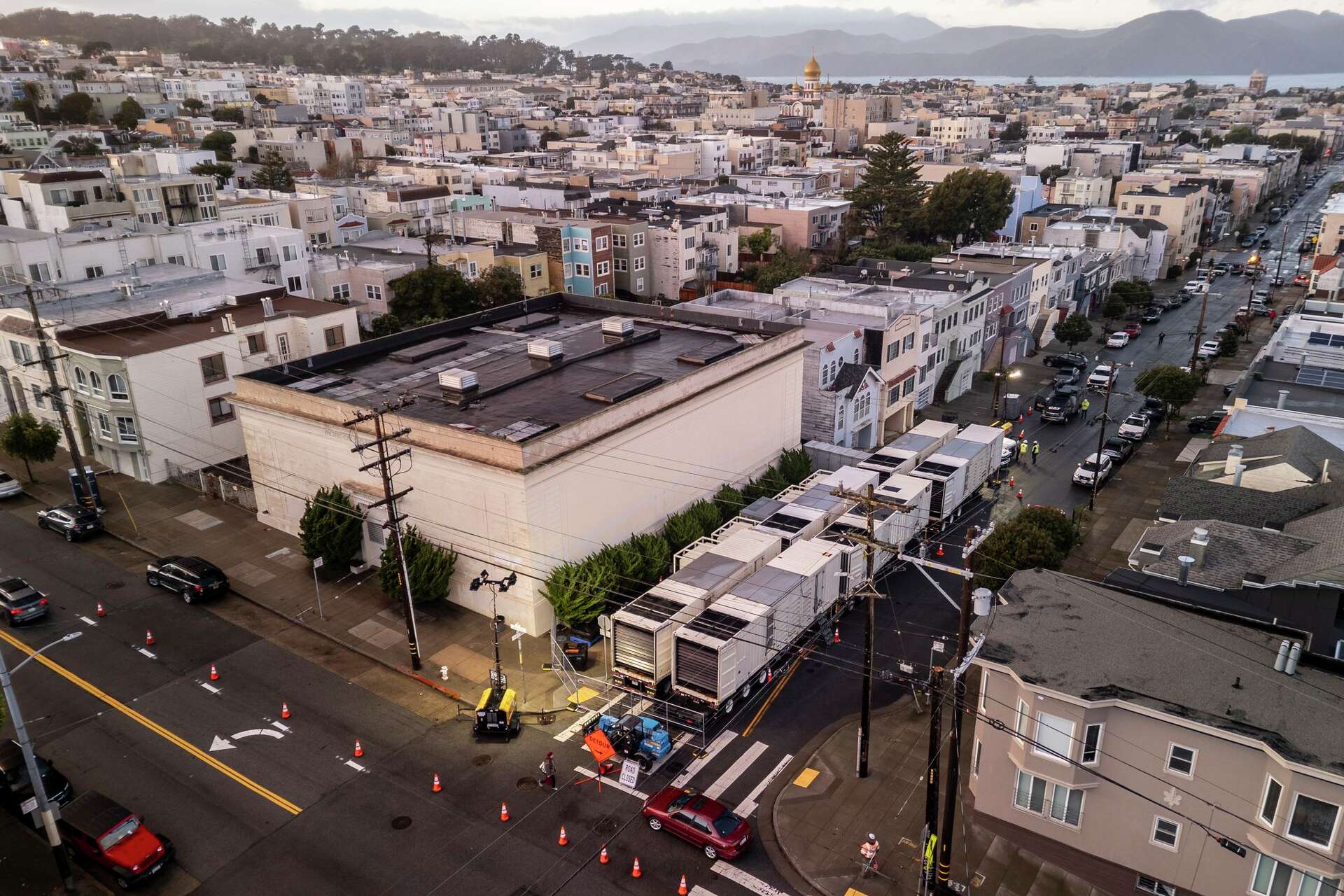
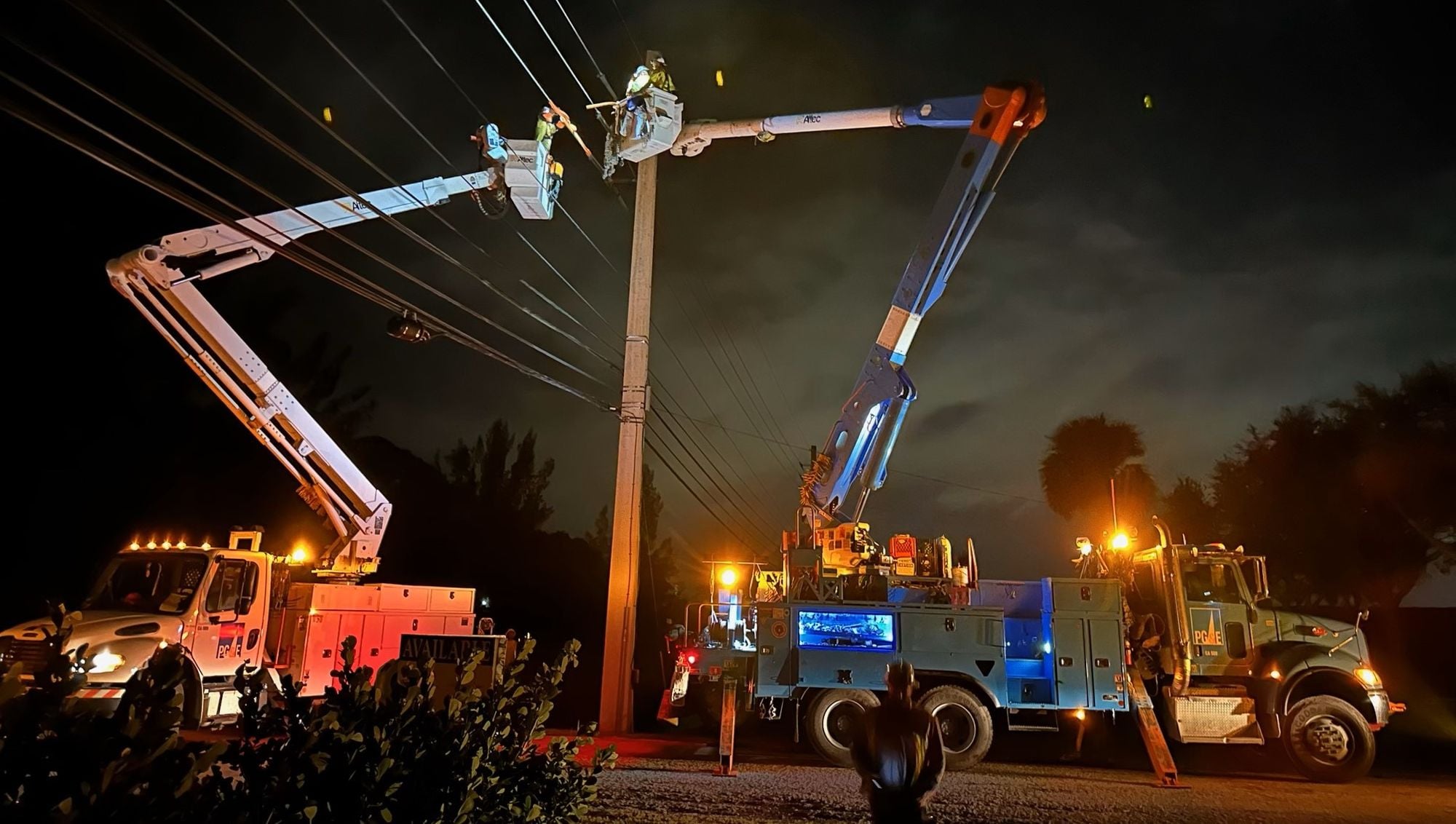
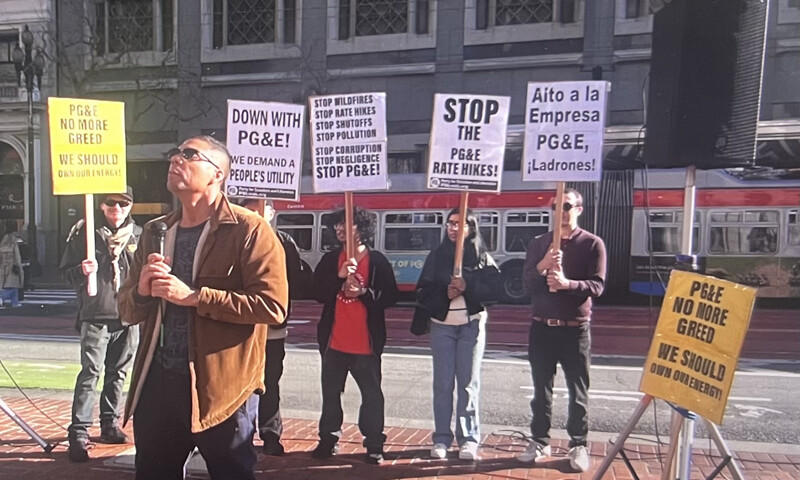
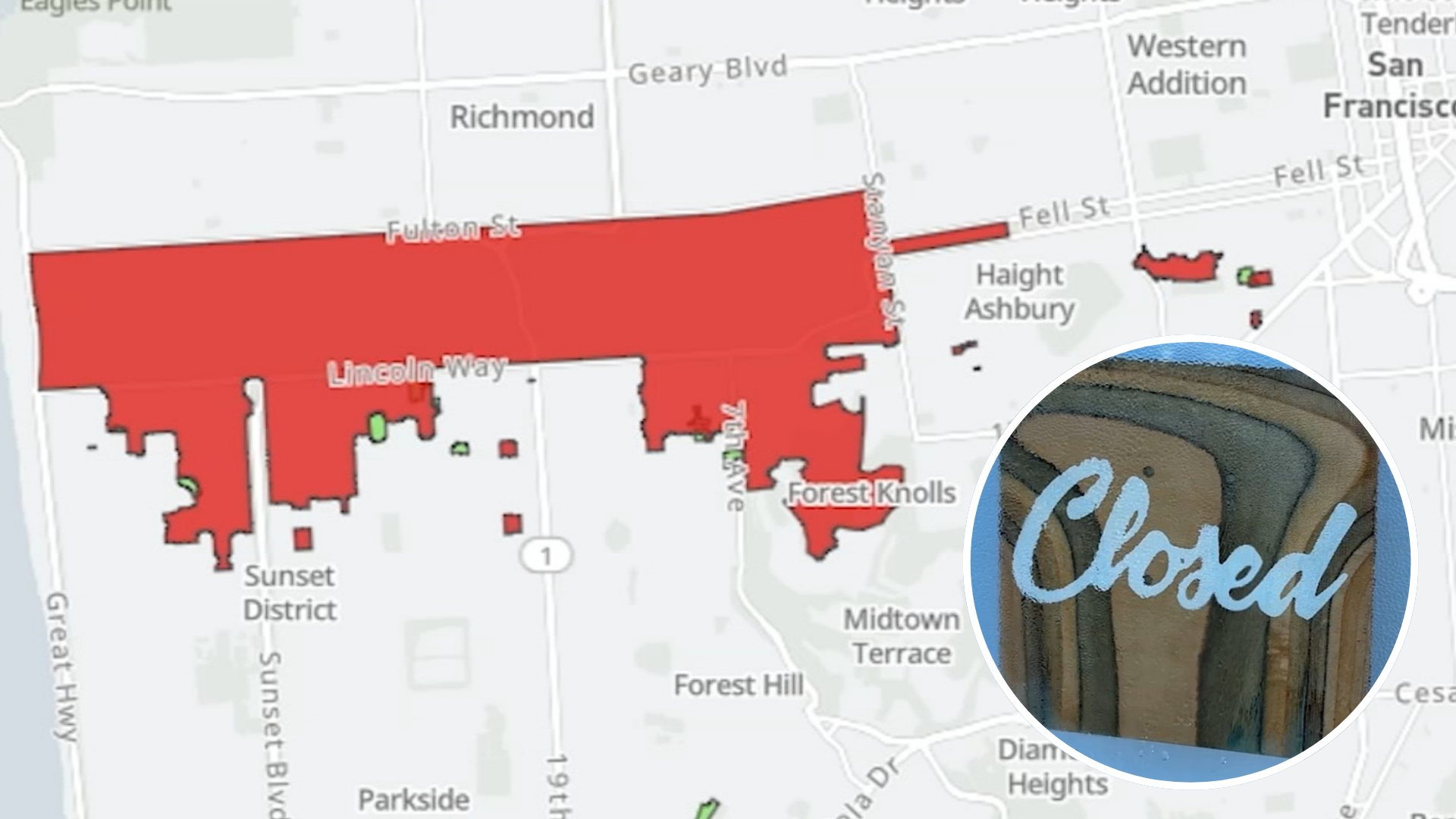
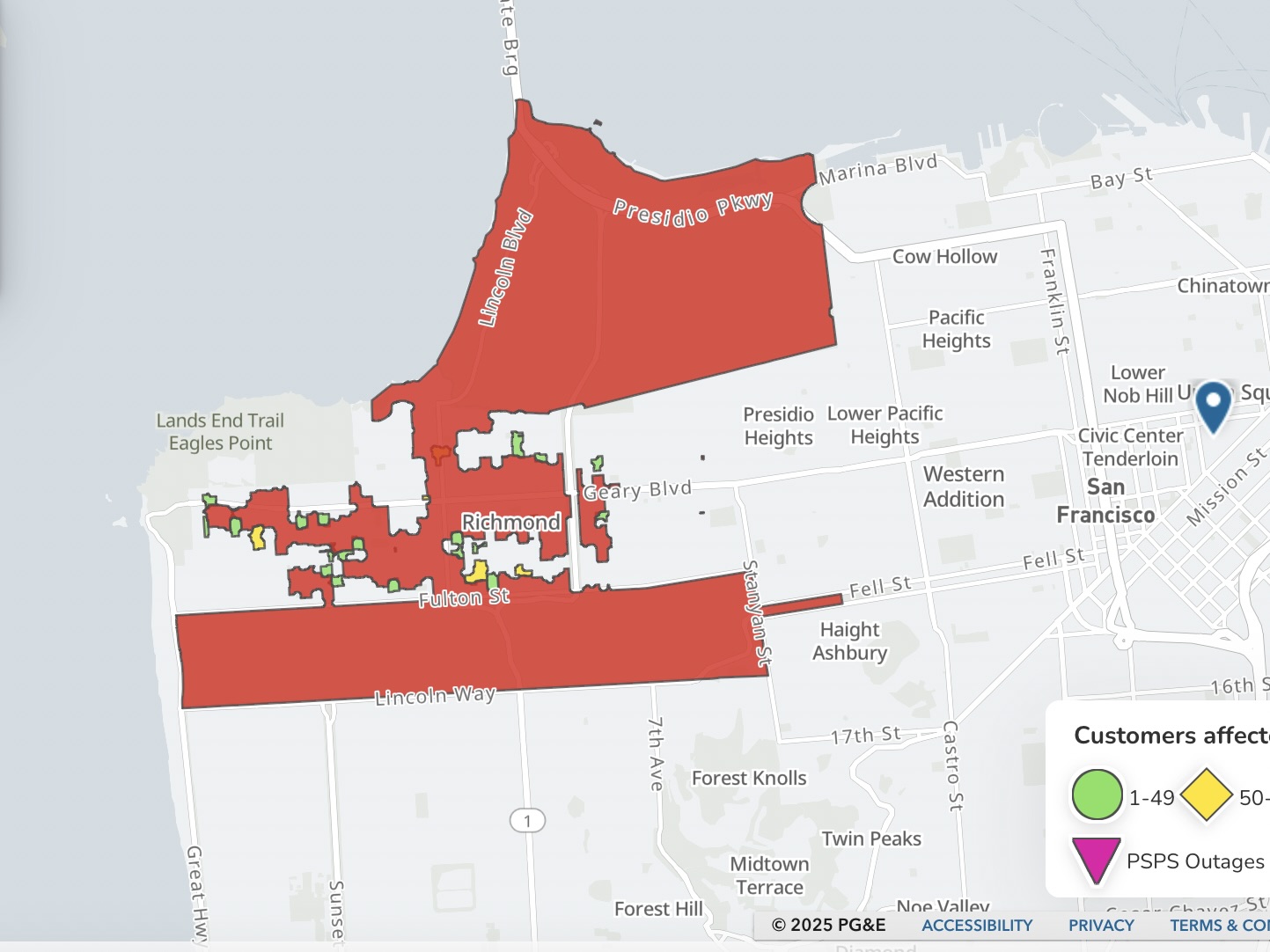
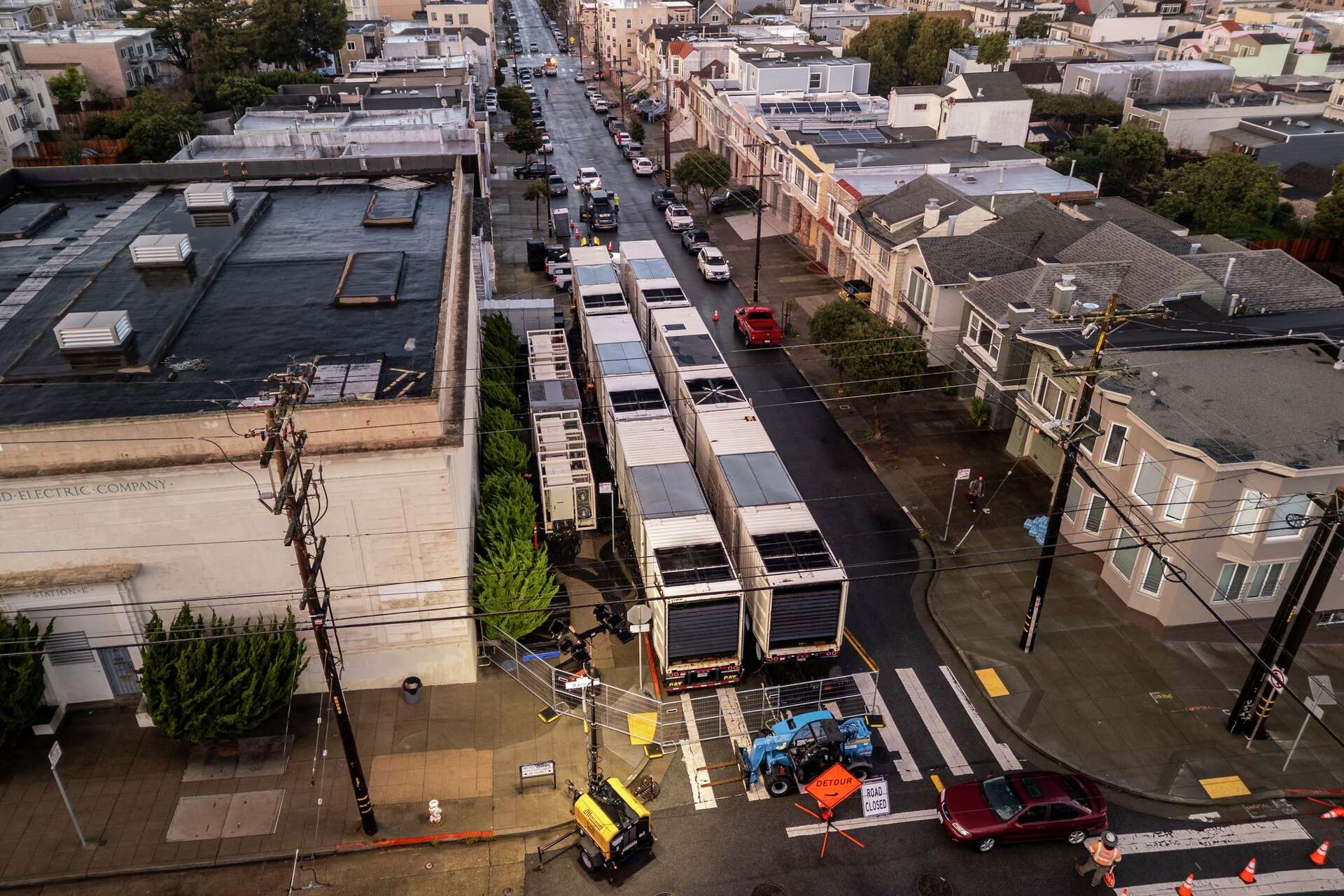
The cascading power infrastructure failures in San Francisco reveal a critical vulnerability that extends far beyond mere utility disruptions—they expose fundamental weaknesses in urban technological resilience that directly threaten e-commerce and small business operations. Pacific Gas and Electric's (PG&E) repeated power outages in the Richmond and Sunset Districts during December 2024-2025 have transformed infrastructure reliability from a background concern to a front-line business risk.
Strategic Infrastructure Vulnerability Analysis: The incidents demonstrate a systemic pattern of grid instability, with multiple transformer fires and prolonged blackouts affecting over 11,000 customers in a single event. These are not isolated incidents but symptomatic of deeper infrastructure challenges. For e-commerce sellers and digital businesses, this represents a profound operational threat. The power interruptions aren't just inconveniences—they're potential economic disruption mechanisms that can instantaneously halt digital commerce.
Operational Risk Translation: Small businesses experienced immediate financial impacts, with some like Palm City Restaurant reporting significant revenue losses during outages. The economic damage extends beyond direct sales interruption—businesses face compounded challenges of inventory management, communication breakdowns, and customer trust erosion. Supervisor Alan Wong's public criticism of PG&E highlights the growing recognition that infrastructure reliability is now a critical competitive differentiator.
Compliance and Preparedness Imperative: The recurring power failures mandate a fundamental rethinking of business continuity strategies. E-commerce sellers must now view backup power, mobile connectivity, and distributed operational capabilities not as optional enhancements but as core resilience requirements. The most adaptive businesses will transform these infrastructure vulnerabilities into competitive advantages by developing robust, multi-layered contingency frameworks.
The emerging regulatory and market signal is clear: businesses can no longer assume consistent infrastructure support. Those who proactively invest in adaptive resilience—through backup generators, distributed power solutions, mobile hotspots, and flexible operational models—will differentiate themselves in an increasingly unpredictable urban technological landscape.
Questions 3
Are these infrastructure challenges unique to San Francisco?
While the specific incidents are localized, aging urban infrastructure and increasing climate-related disruptions make these resilience challenges increasingly common across major metropolitan areas. Businesses nationwide should view San Francisco's experience as a potential preview of broader infrastructure vulnerabilities.
What specific backup solutions should digital businesses consider?
Recommended solutions include portable generators, uninterruptible power supplies (UPS), mobile hotspot internet connections, cloud-based backup systems, and distributed operational models that allow work continuation during local infrastructure failures.