


Buffalo Bills Restructure Secondary with Strategic Player Moves
- Defensive lineup reshuffling signals proactive team management amid mid-season roster optimization









.jpg)

Overview
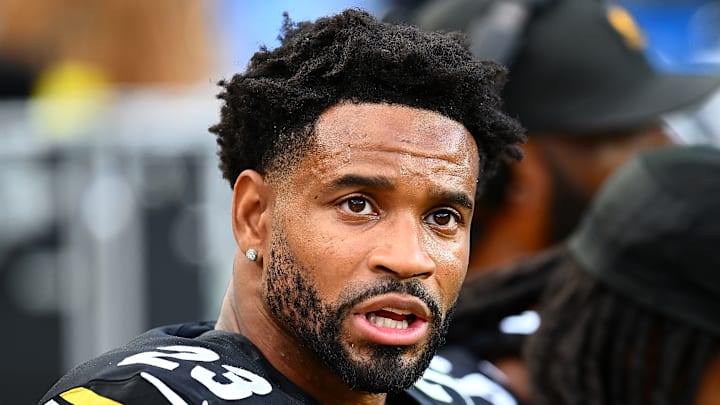
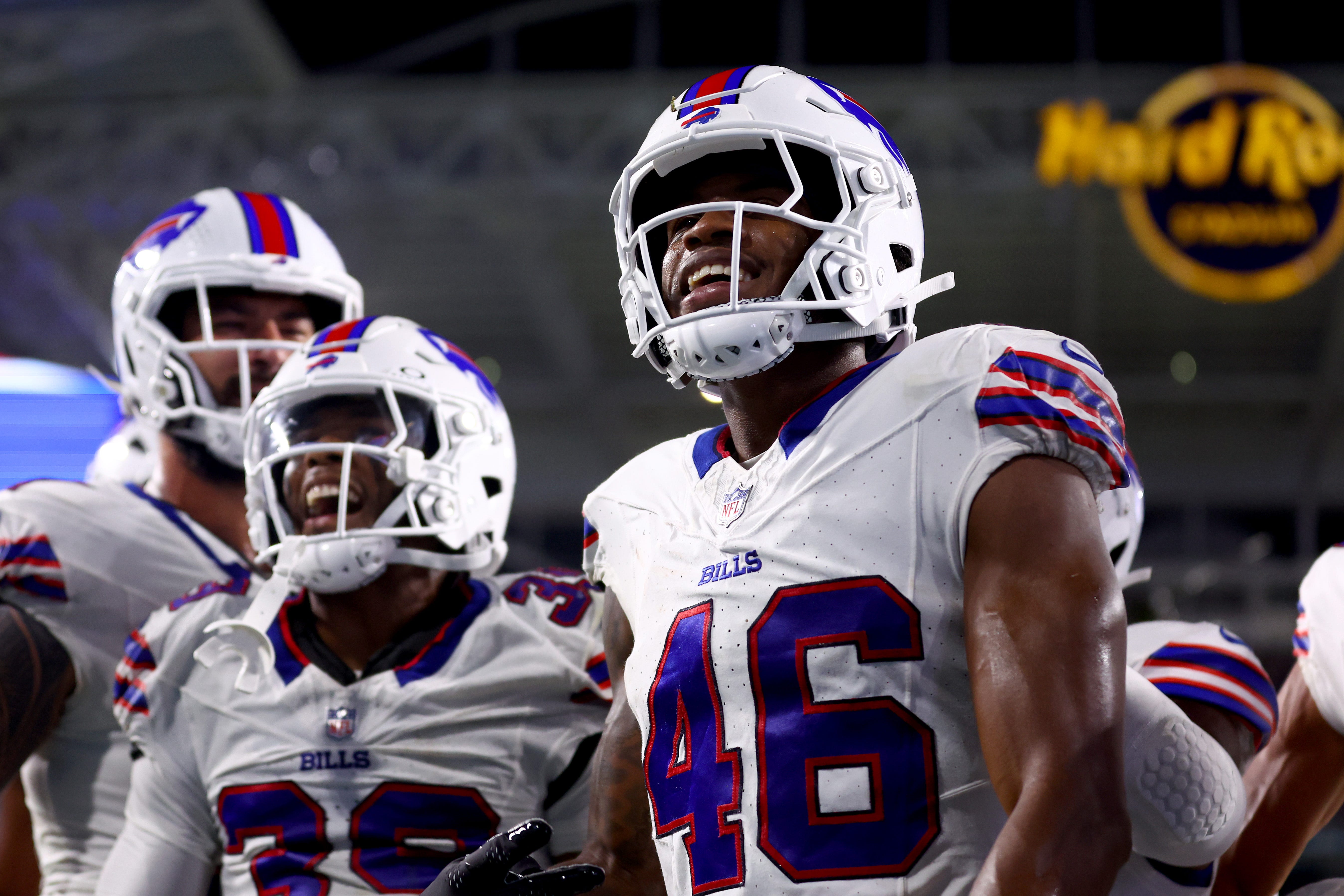
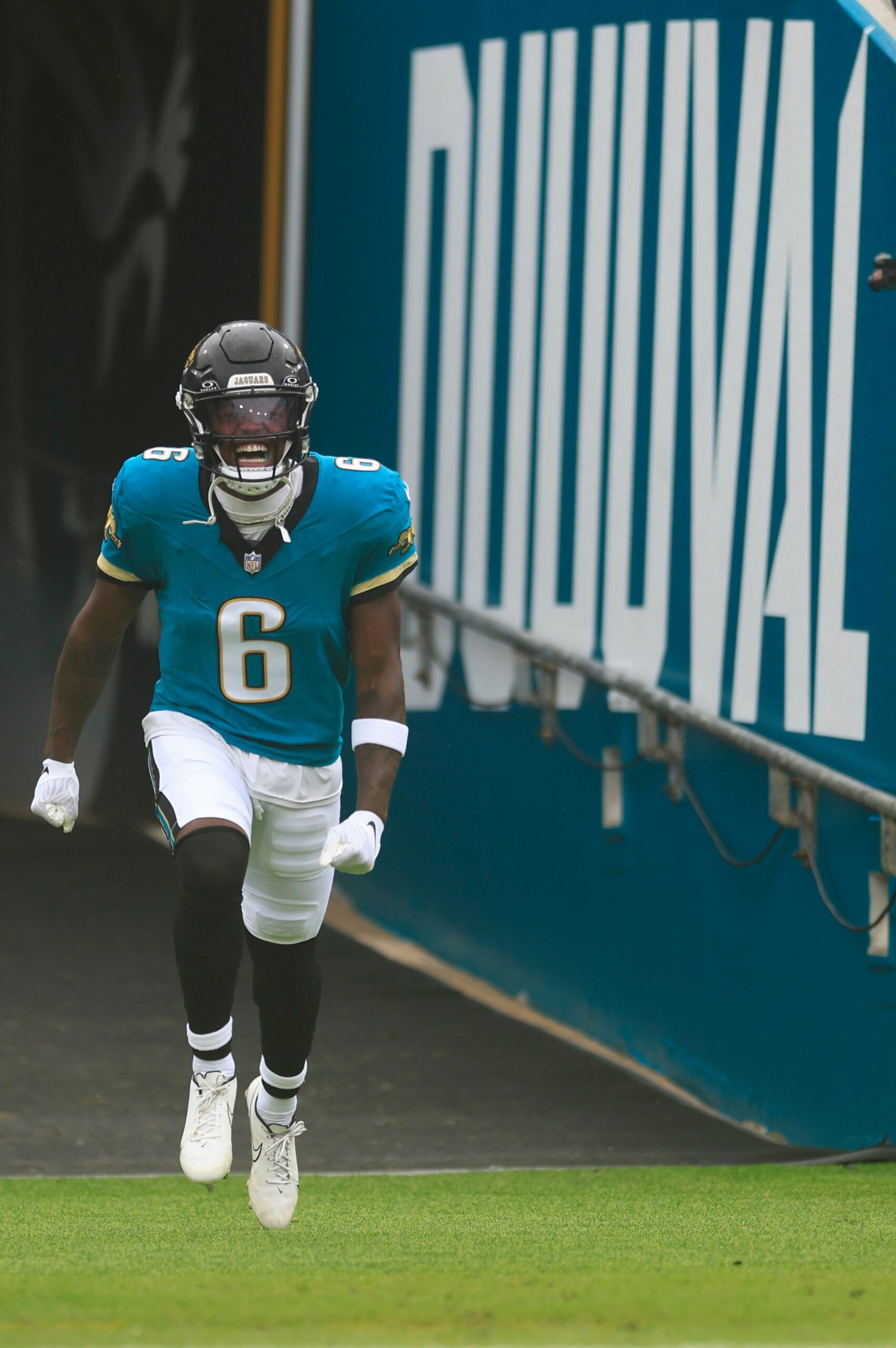
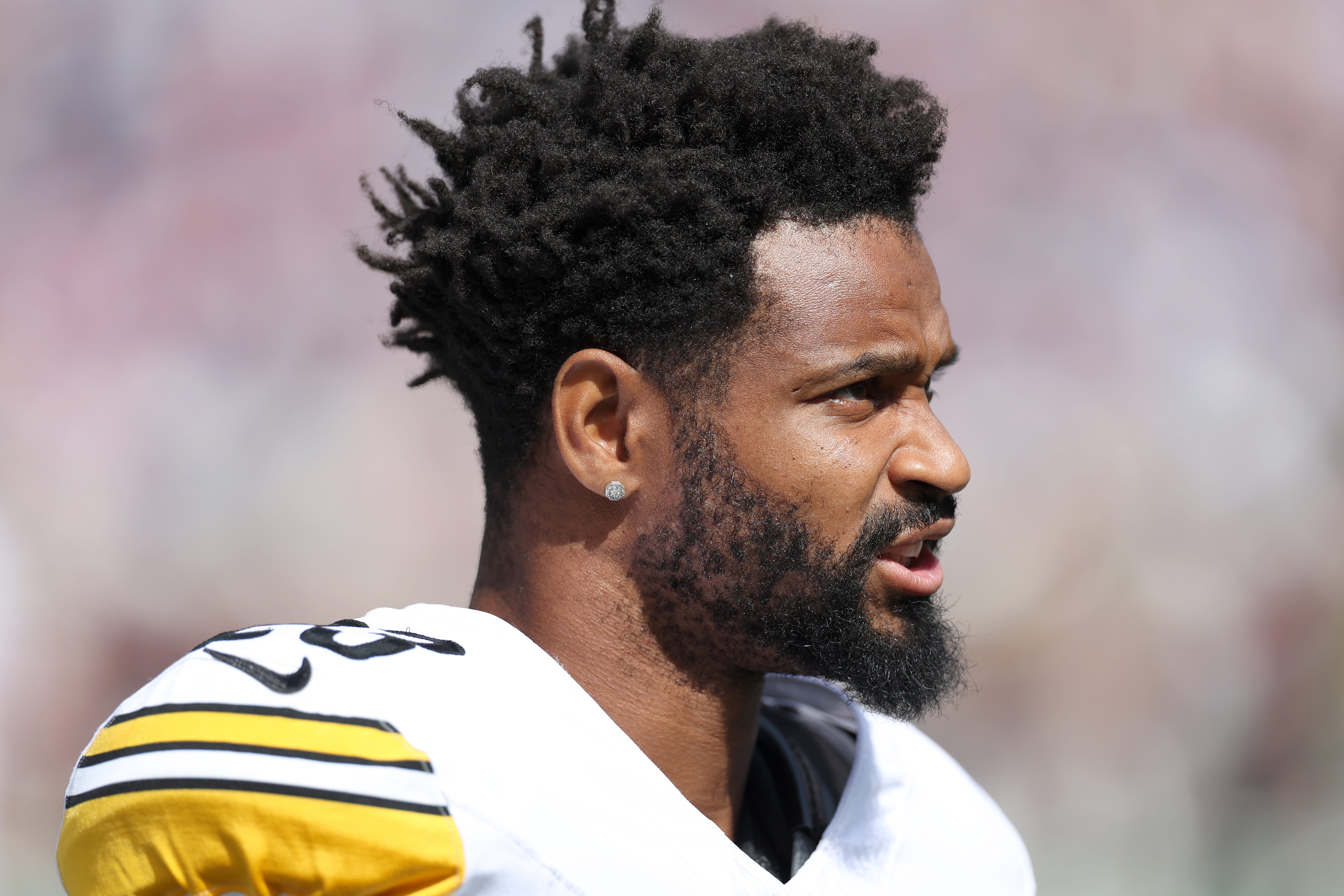
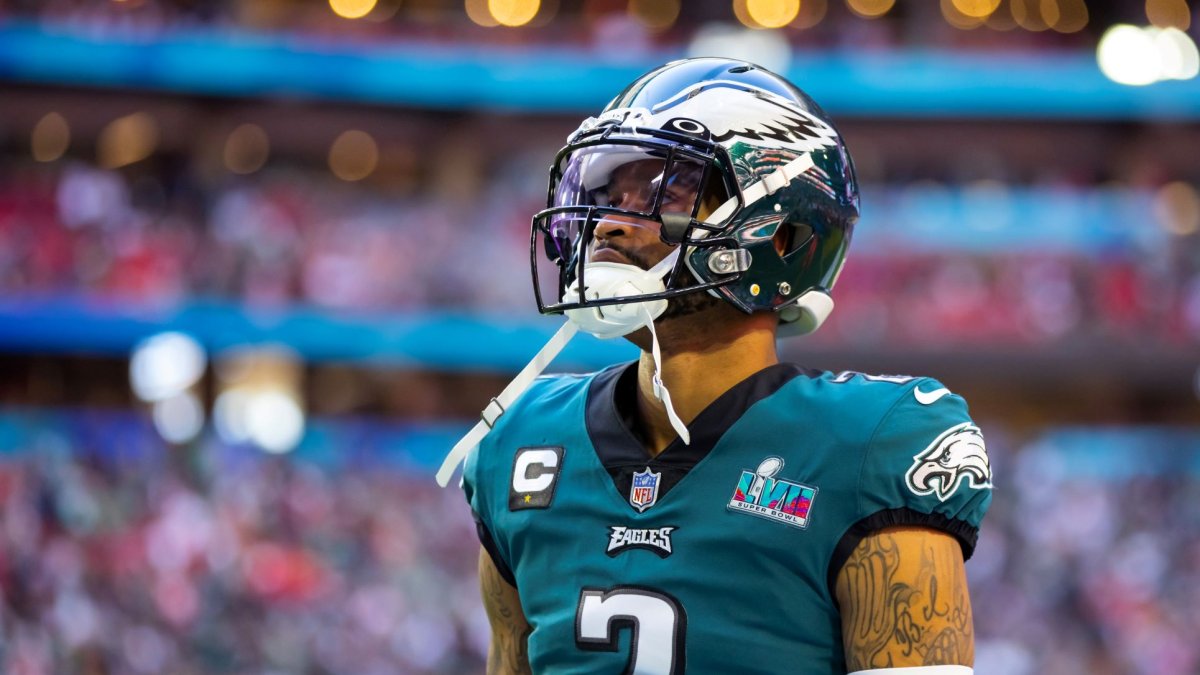
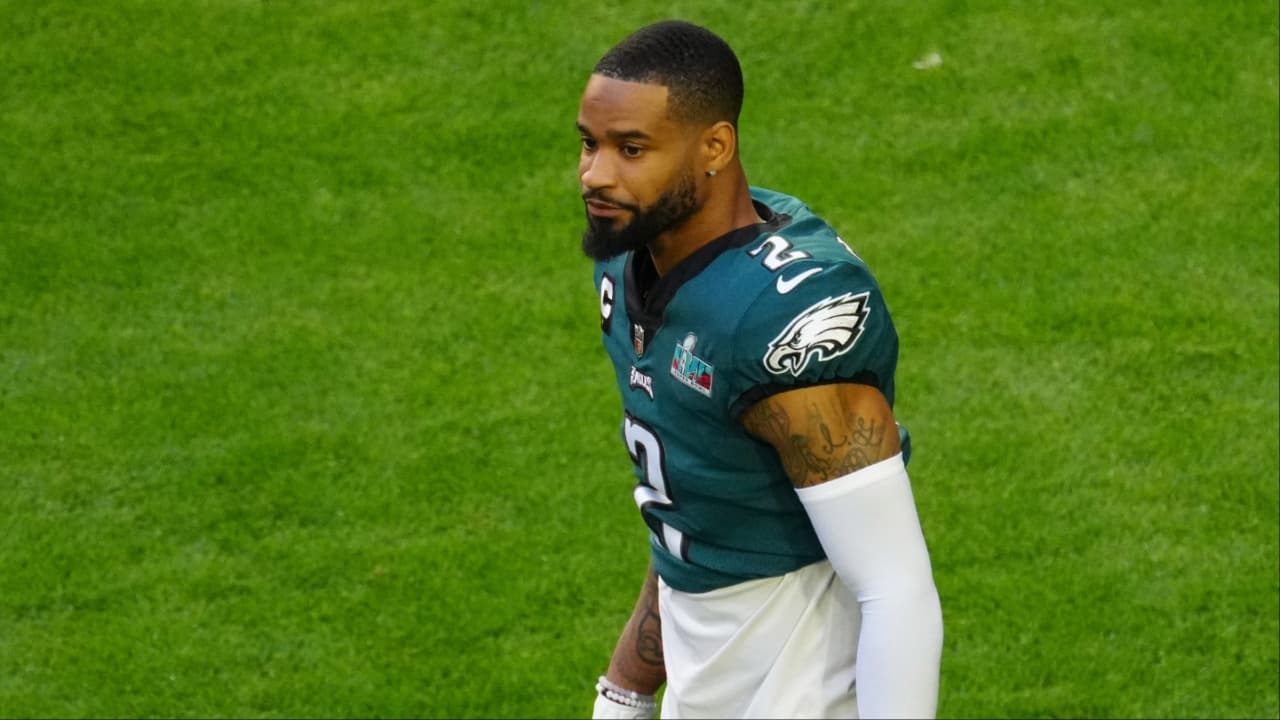
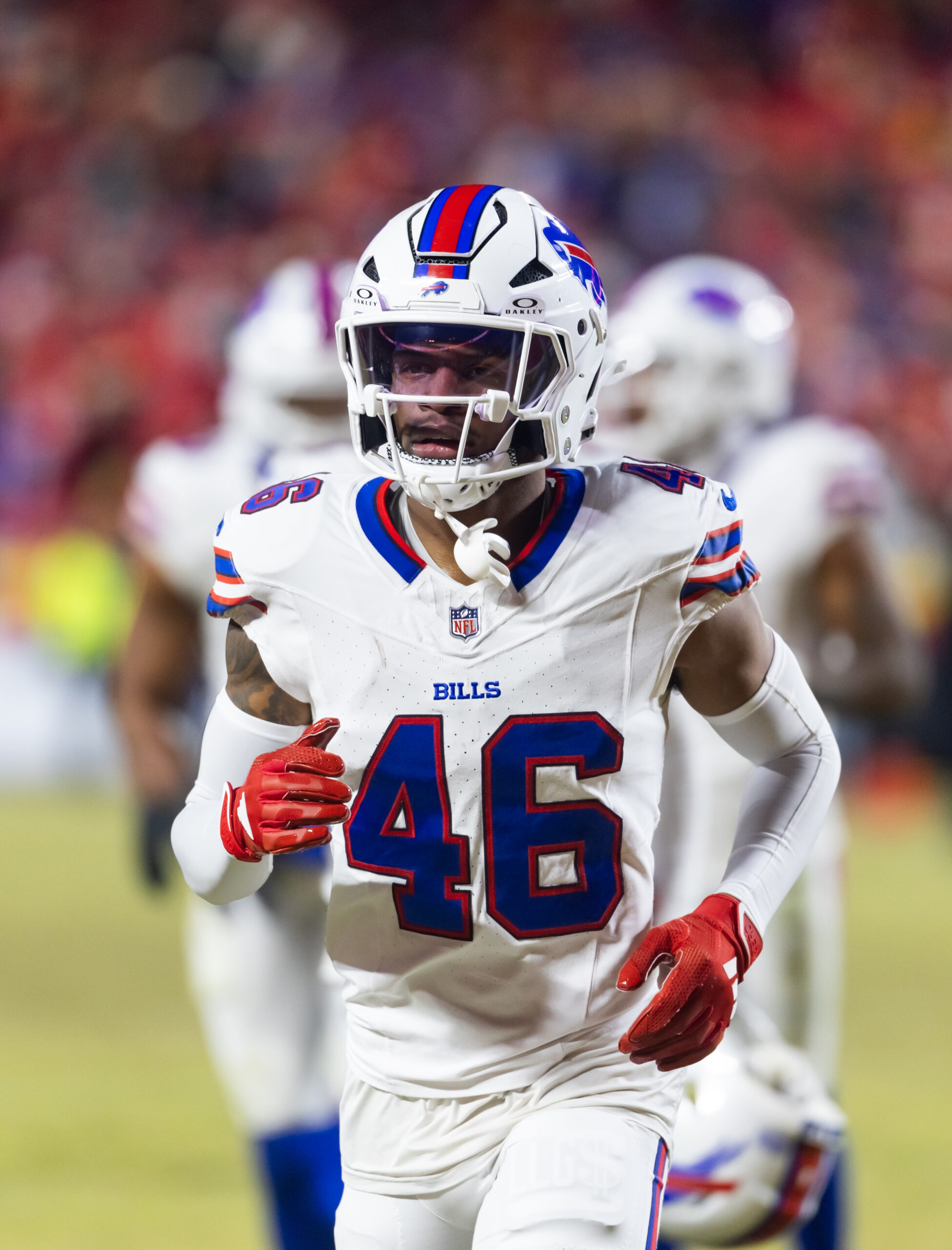
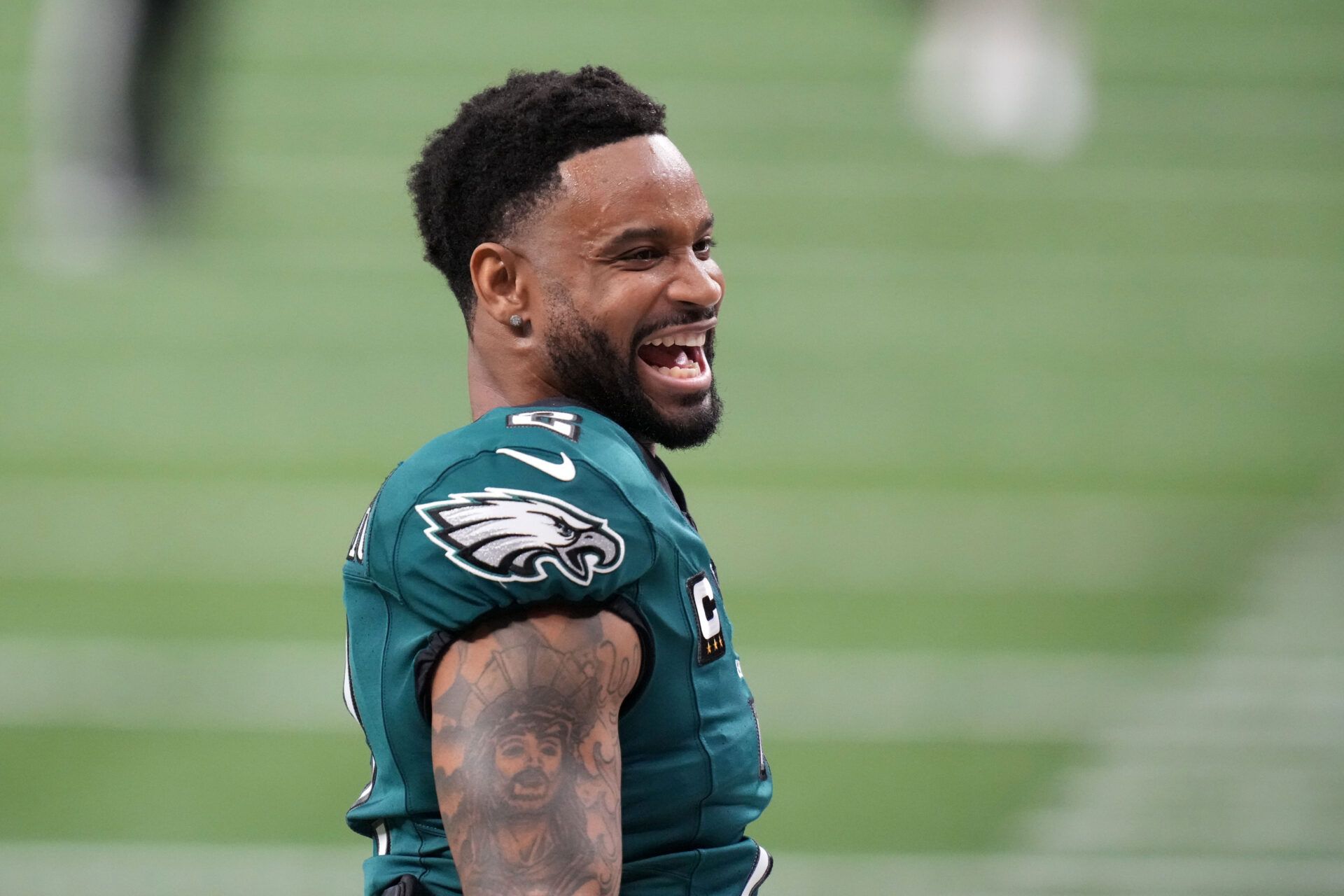
The Buffalo Bills are executing a calculated defensive strategy through precise personnel adjustments, as evidenced by their recent transaction involving Darius Slay and Darnell Savage. This move represents more than a simple roster swap—it's a nuanced approach to maintaining defensive flexibility and addressing potential vulnerabilities in the team's secondary.
Roster Dynamics in NFL Transactions reveal a critical insight: teams like the Bills use waiver claims and reserve lists not just as administrative procedures, but as strategic tools for immediate performance optimization. By placing Darius Slay on the reserve/did not return list and simultaneously claiming Darnell Savage from waivers, the Bills demonstrate a proactive management philosophy that prioritizes rapid adaptation.
The transaction highlights the NFL's dynamic player movement ecosystem, where roster construction is a continuous, fluid process. For the Bills, this means constantly evaluating defensive talent, managing player health, and maintaining competitive depth. Savage's acquisition suggests the team is seeking immediate defensive reinforcement, potentially addressing specific tactical needs or compensating for potential injury-related gaps.
Strategic implications extend beyond this single transaction. Such moves signal the Bills' commitment to maintaining a robust, adaptable defensive unit. In the high-stakes environment of professional football, these seemingly minor roster adjustments can be pivotal in determining team performance, playoff positioning, and long-term competitive strategy.
Questions 3
Why did the Buffalo Bills place Darius Slay on reserve/did not return?
While the specific medical details aren't provided, placing a player on reserve/did not return typically indicates a significant injury that prevents immediate return to play. This allows the team to manage roster flexibility while addressing player health concerns.
What strategic value does claiming Darnell Savage provide for the Bills?
Claiming Savage off waivers suggests the Bills are seeking immediate defensive depth and talent. It allows them to quickly bolster their secondary with an experienced player who can potentially fill immediate tactical needs or provide injury coverage.