



Bangladesh's BNP Landslide Victory Feb 2025 | Emerging Market Stability & Cross-Border Seller Opportunities
- 60% voter turnout signals political stabilization; constitutional reforms create regulatory clarity for e-commerce infrastructure; sellers gain predictability in 170M+ population market


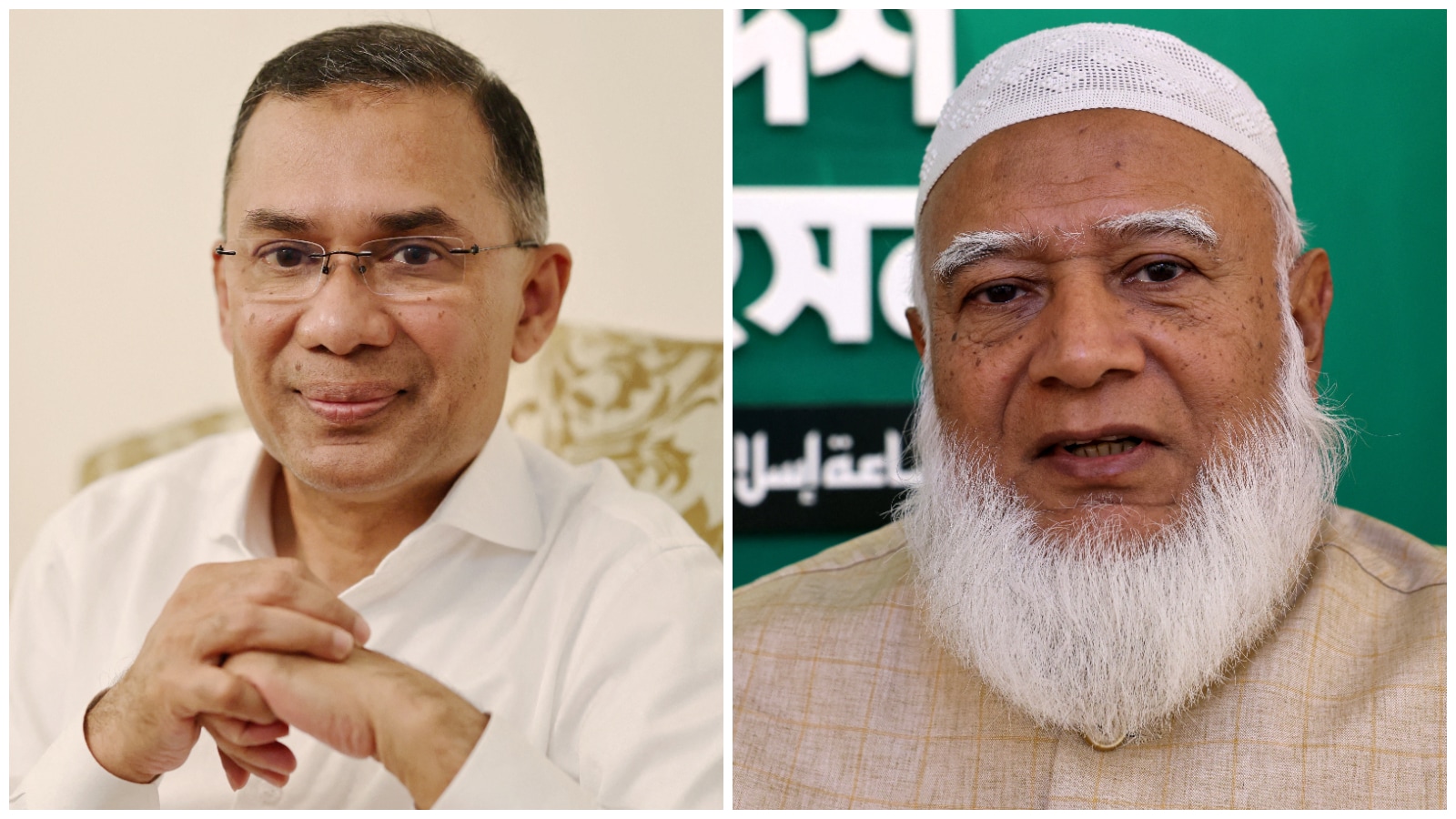
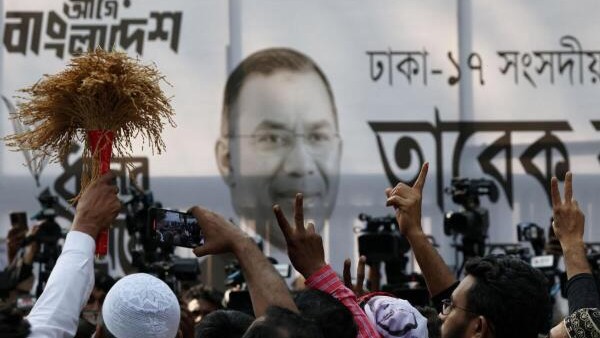



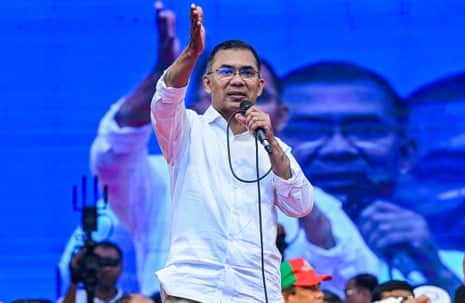


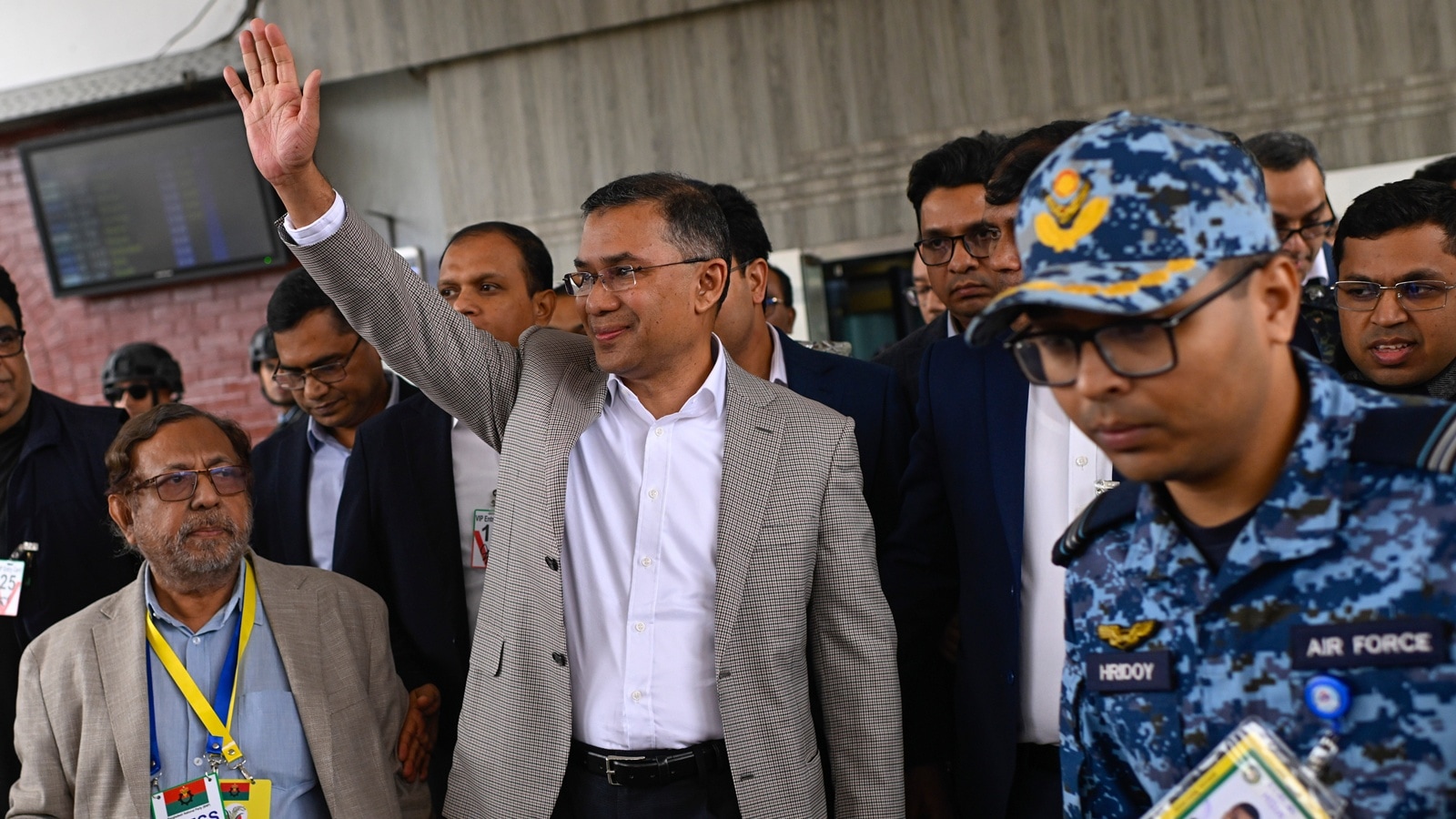

)

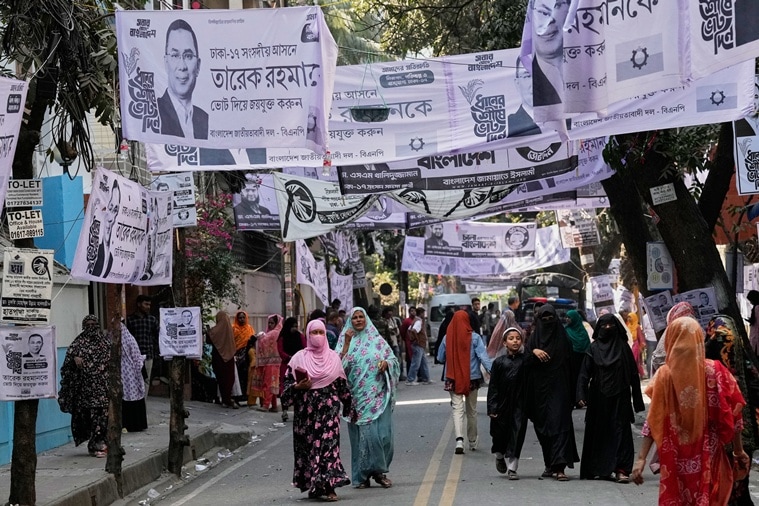


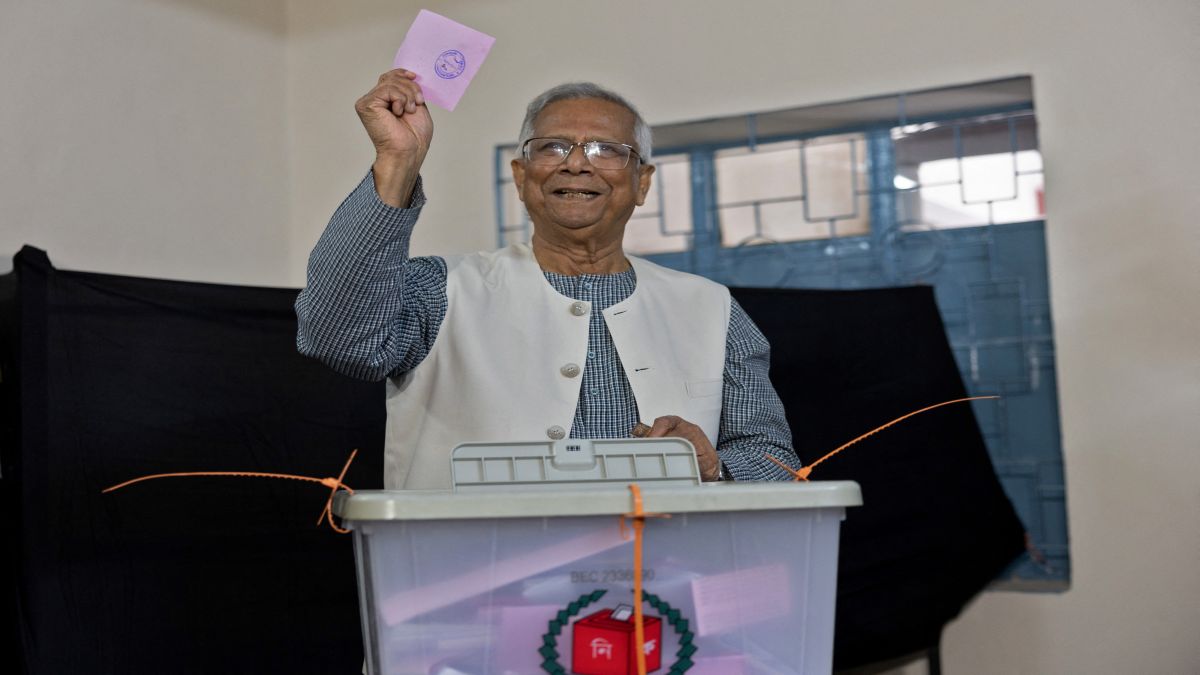)


Overview
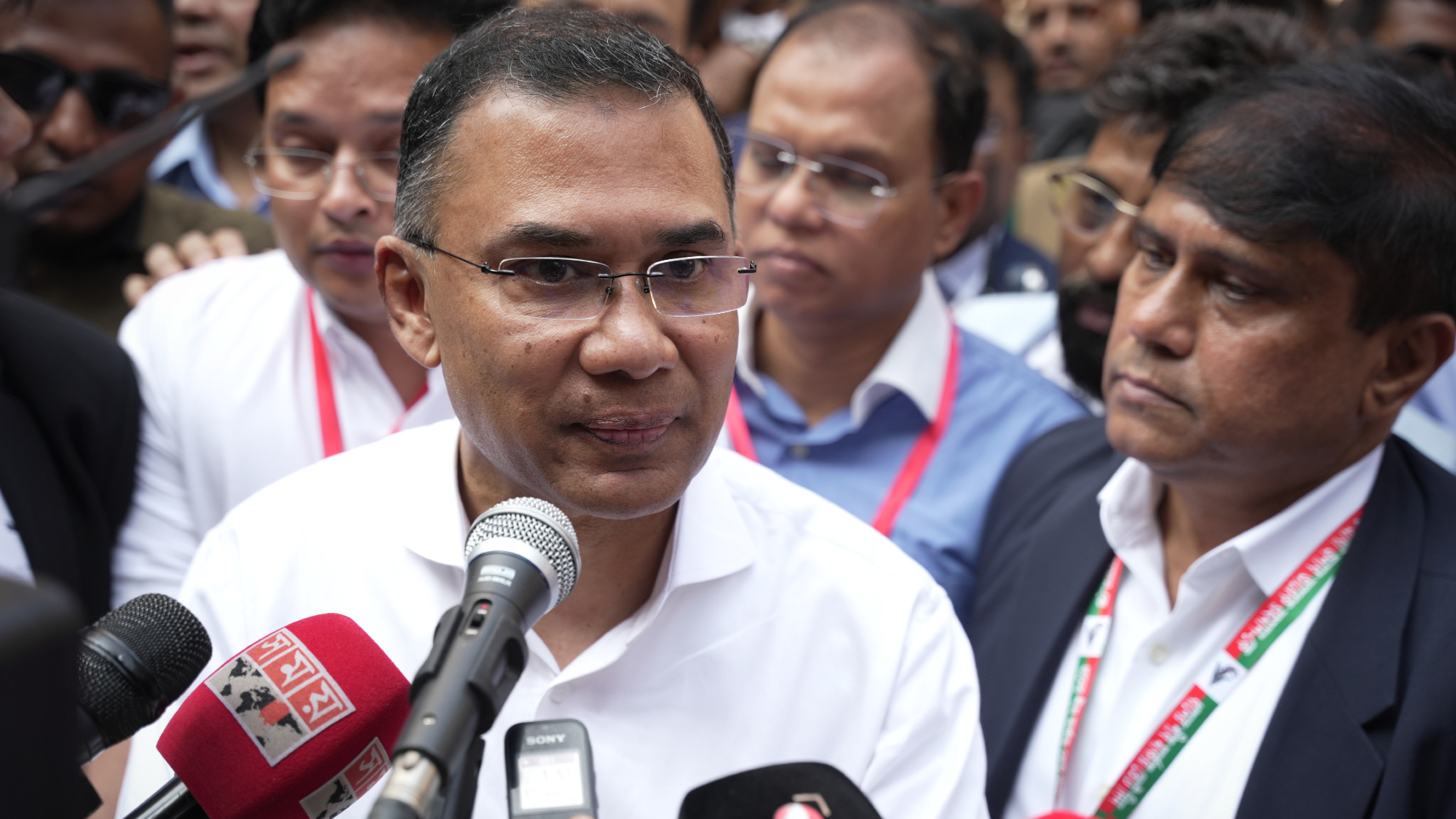
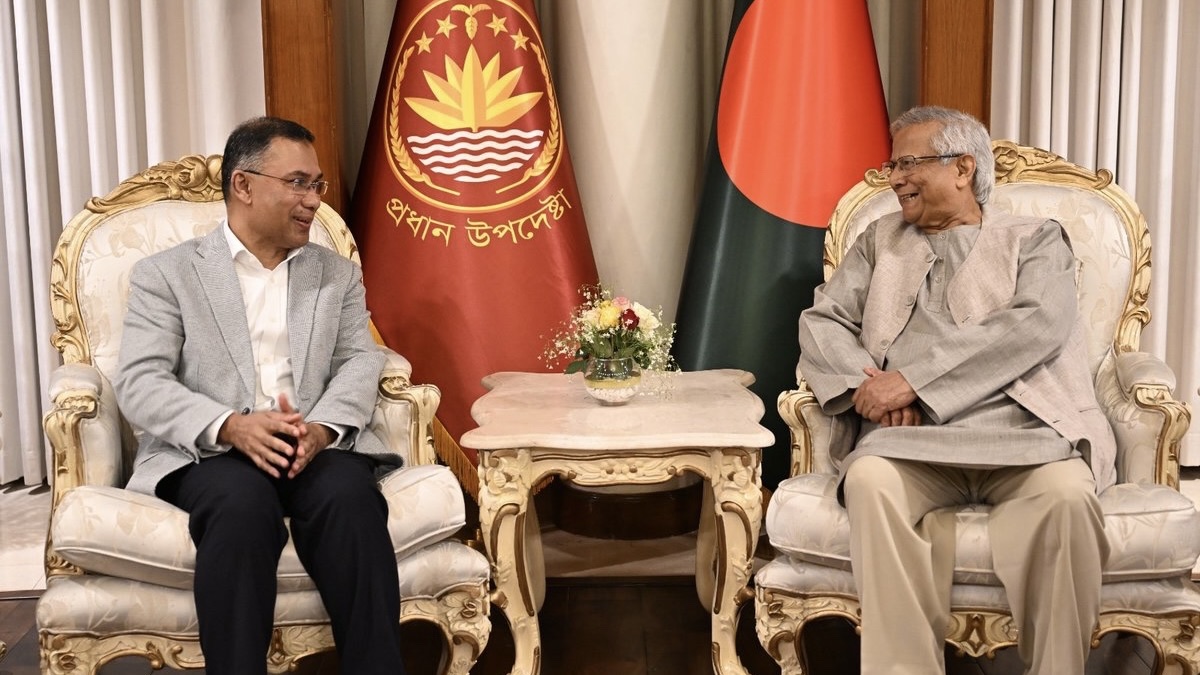
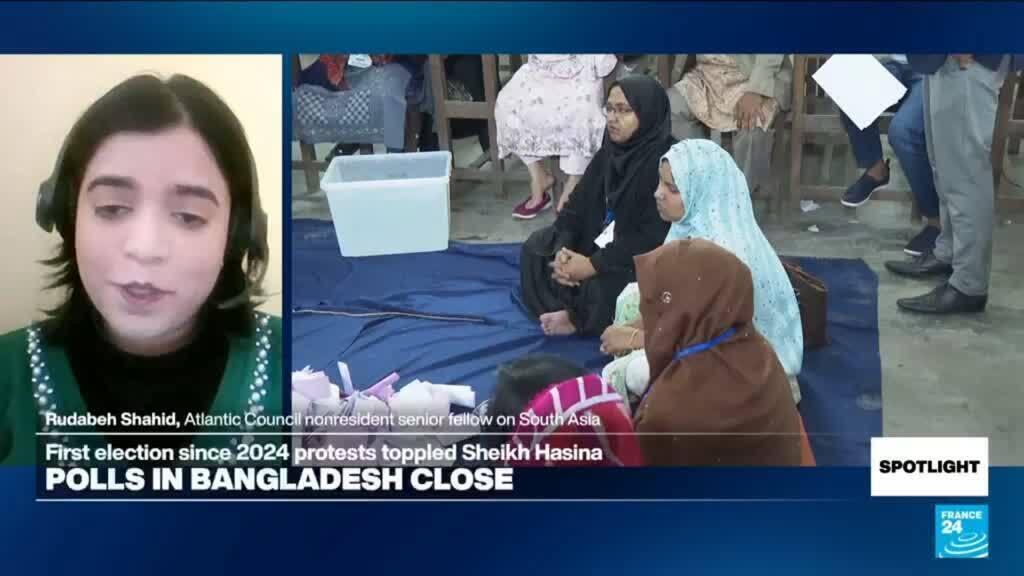
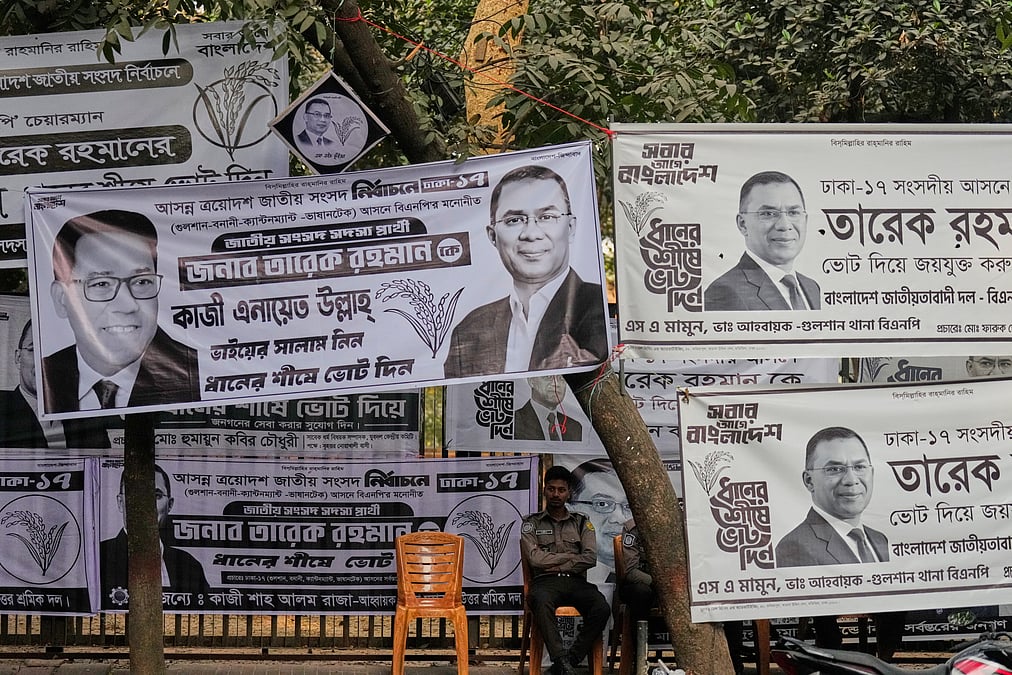
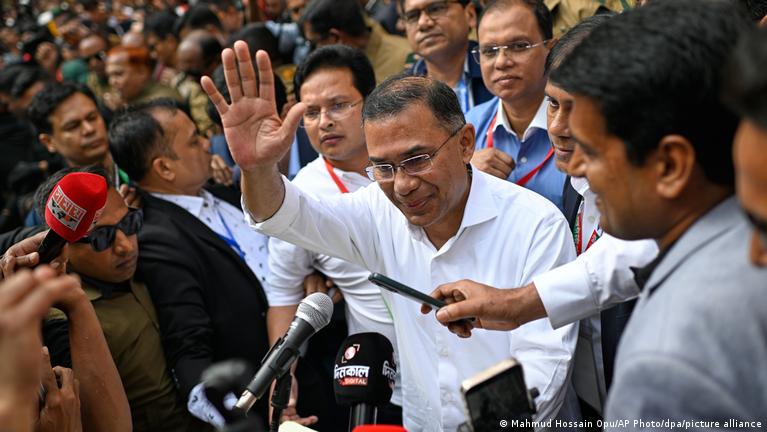
Bangladesh's February 12, 2025 election delivered a decisive political transition with the Bangladesh Nationalist Party (BNP) securing 209 of 297 parliamentary seats (70% majority), marking the first elected government since the July 2024 uprising. With 60% voter turnout across 299 contested seats and simultaneous 60% approval of the July National Charter constitutional reforms, Bangladesh is entering a period of institutional stabilization critical for cross-border e-commerce infrastructure development.
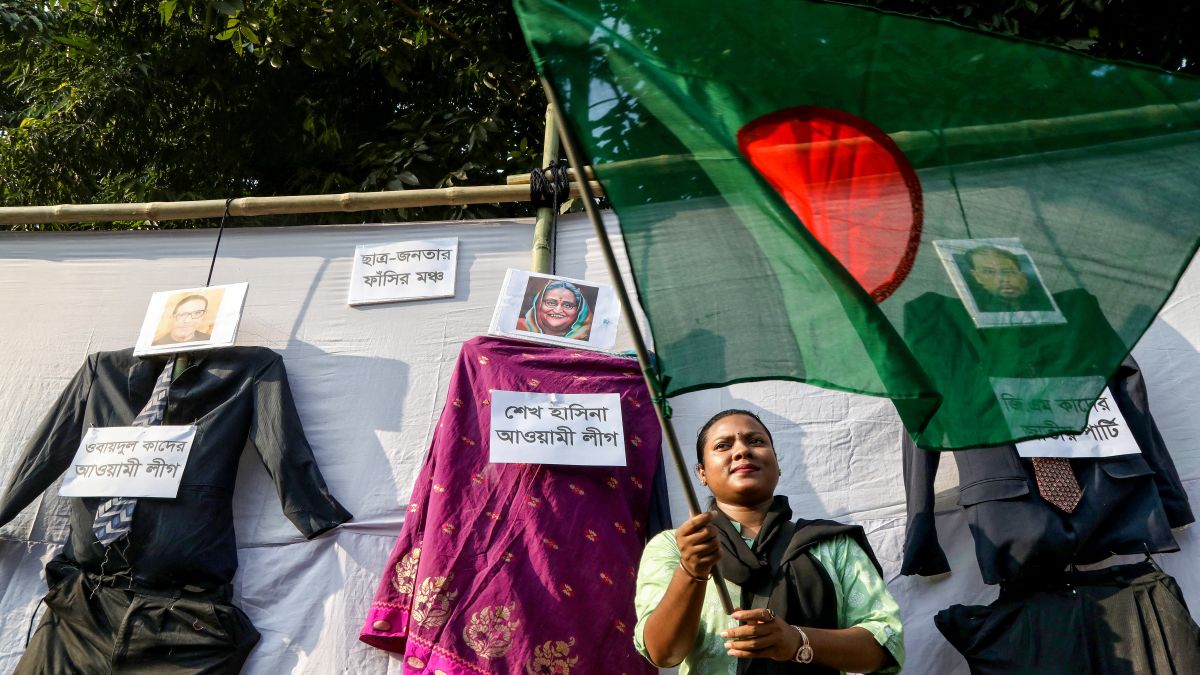
For sellers targeting Bangladesh's 170+ million population market, this political clarity represents a significant de-risking event. The BNP's overwhelming mandate—compared by analysts to the 2001 election surge—suggests voter preference for political familiarity and continuity during uncertain times, according to Dhaka University development studies professor Asif Mohammad Shahan. This stability directly impacts e-commerce logistics networks, payment gateway licensing, customs procedures, and regulatory frameworks that have been in flux since the July 2024 political upheaval that killed approximately 1,400 protesters and toppled Prime Minister Sheikh Hasina.
The constitutional reform mandate creates operational opportunities for sellers. The July National Charter, approved by 60% referendum vote, proposes structural governance changes including a two-chamber parliament and strengthened institutional checks designed to reduce executive dominance. While political analyst Dilara Choudhury notes the BNP's dominant majority could facilitate rapid policy implementation, the real seller benefit lies in predictable regulatory environments. Bangladesh's e-commerce sector—currently valued at $2-3B annually with 15-20% year-over-year growth—requires stable customs procedures, consistent tax treatment, and reliable payment infrastructure. The BNP's parliamentary supermajority enables swift legislative action on digital commerce frameworks, payment system licensing, and logistics regulations that have stalled during political transitions.
Risk factors require monitoring. Experts express concern about potential return to confrontational politics, particularly given Jamaat-e-Islami's refusal to concede defeat (68 seats) and questions about vote count integrity. The Awami League's absence from elections—banned following Hasina's crackdown—creates an asymmetrical political field dominated by a single major party, reducing parliamentary checks on executive power. For sellers, this means regulatory changes could accelerate without opposition scrutiny, potentially creating compliance surprises. Post-election stability depends on opposition parties accepting results and participating constructively, and whether the BNP pursues inclusive reforms rather than majoritarian consolidation of power.
Questions 8
When should sellers finalize Bangladesh market entry decisions?
The optimal decision window is March-April 2025 (4-6 weeks post-election). By then, the BNP will have announced initial policy priorities and the constitutional reform implementation timeline will become clearer. Key milestones to monitor: (1) BNP's first legislative session (typically within 2-3 weeks of election) will signal commerce/customs priorities; (2) Ministry of Commerce policy announcements on e-commerce regulations (expect within 60 days); (3) Payment gateway licensing updates from Bangladesh Bank (typically within 90 days of government formation). Sellers should avoid major inventory commitments until these announcements clarify customs procedures and payment infrastructure. However, begin logistics partner vetting and market research immediately—the 6-month window before Q3 2025 peak season is tight for establishing supply chains.
How does Bangladesh's constitutional reform impact seller compliance requirements?
The July National Charter, approved by 60% referendum vote, proposes institutional reforms including two-chamber parliament and strengthened checks on executive power. For sellers, this means: (1) Regulatory changes will require broader legislative consensus, reducing sudden policy reversals; (2) Institutional checks create predictable compliance timelines—sellers can plan 6-12 month compliance windows rather than reacting to executive orders; (3) Strengthened constitutional bodies (likely including commerce/customs oversight) may create clearer appeals processes for tariff disputes or licensing denials. However, political analyst Dilara Choudhury warns the BNP's dominant majority could reduce parliamentary accountability, so these protections depend on opposition parties engaging constructively. Sellers should document all compliance procedures and maintain relationships with customs brokers who can navigate potential regulatory changes. The constitutional framework suggests Bangladesh is moving toward more predictable governance, but monitor opposition party participation as the key indicator of institutional strength.