




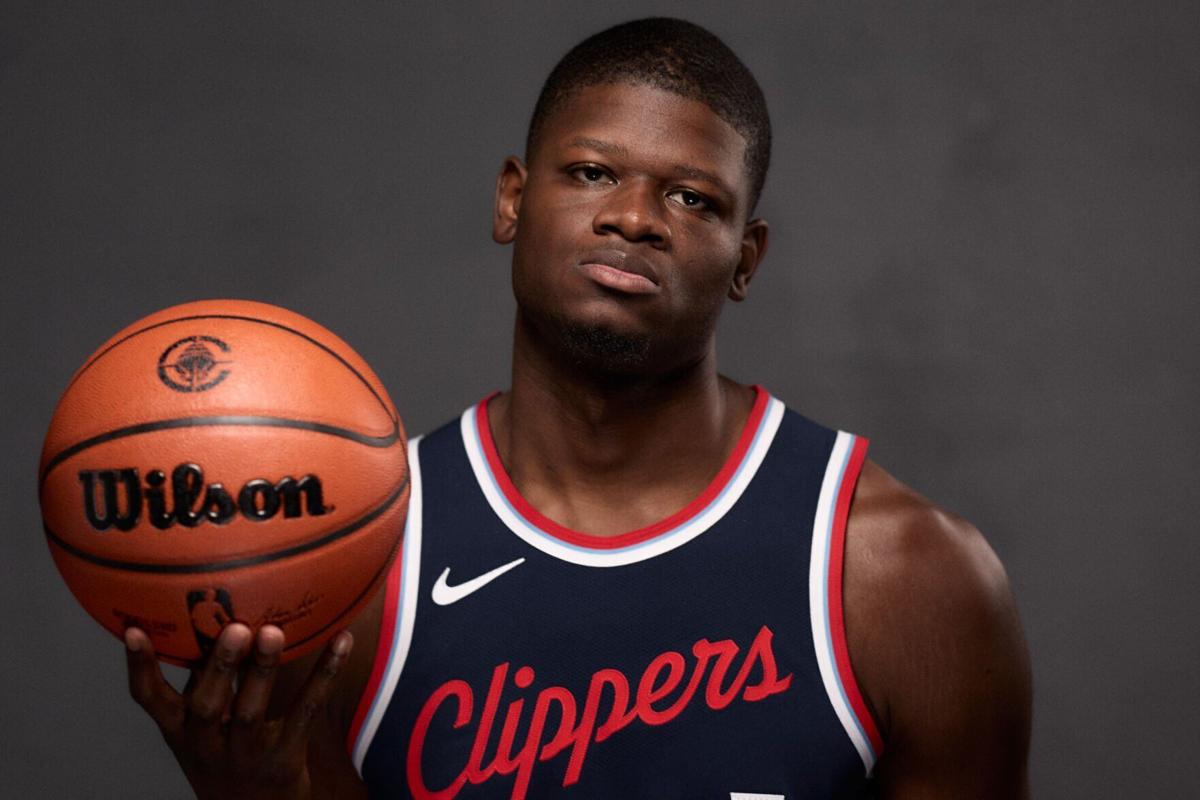
NBA's Low-Risk Talent Reclamation Strategy Emerges with Mo Bamba's Raptors Signing
- Strategic one-year deals reveal new pathways for rebuilding player value in professional basketball








Overview
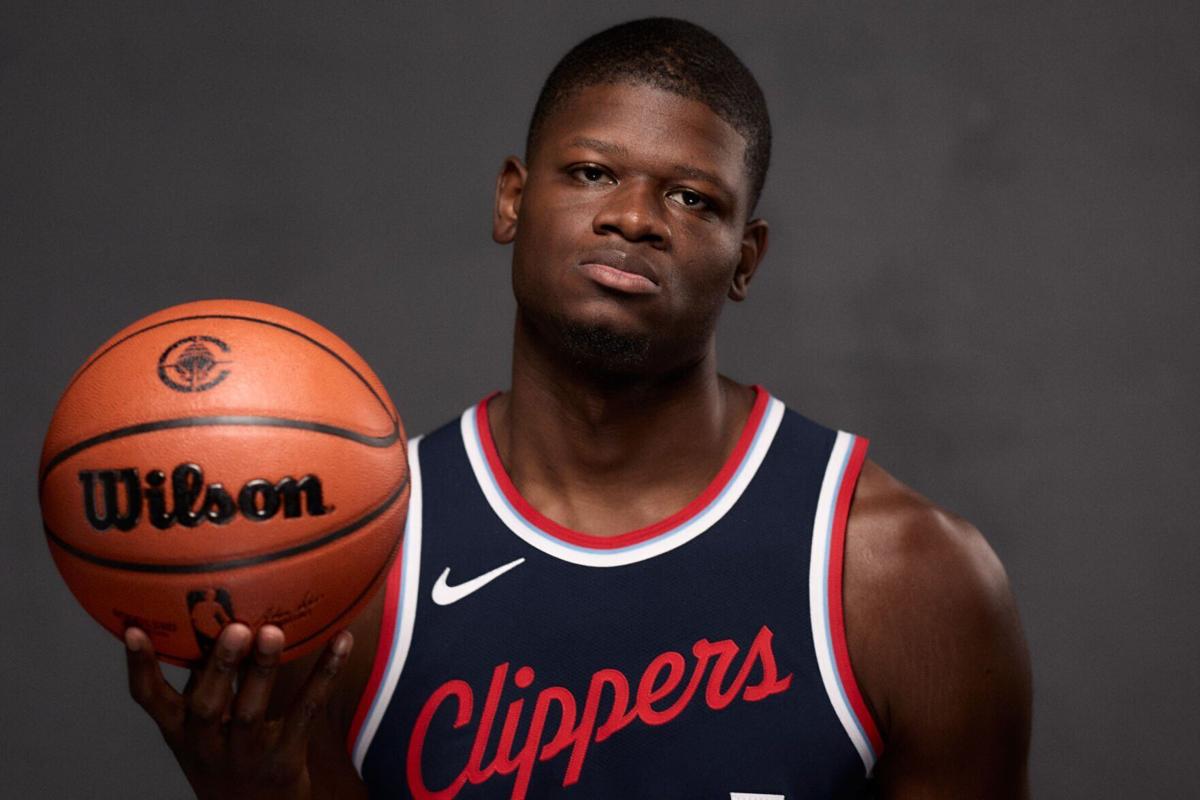
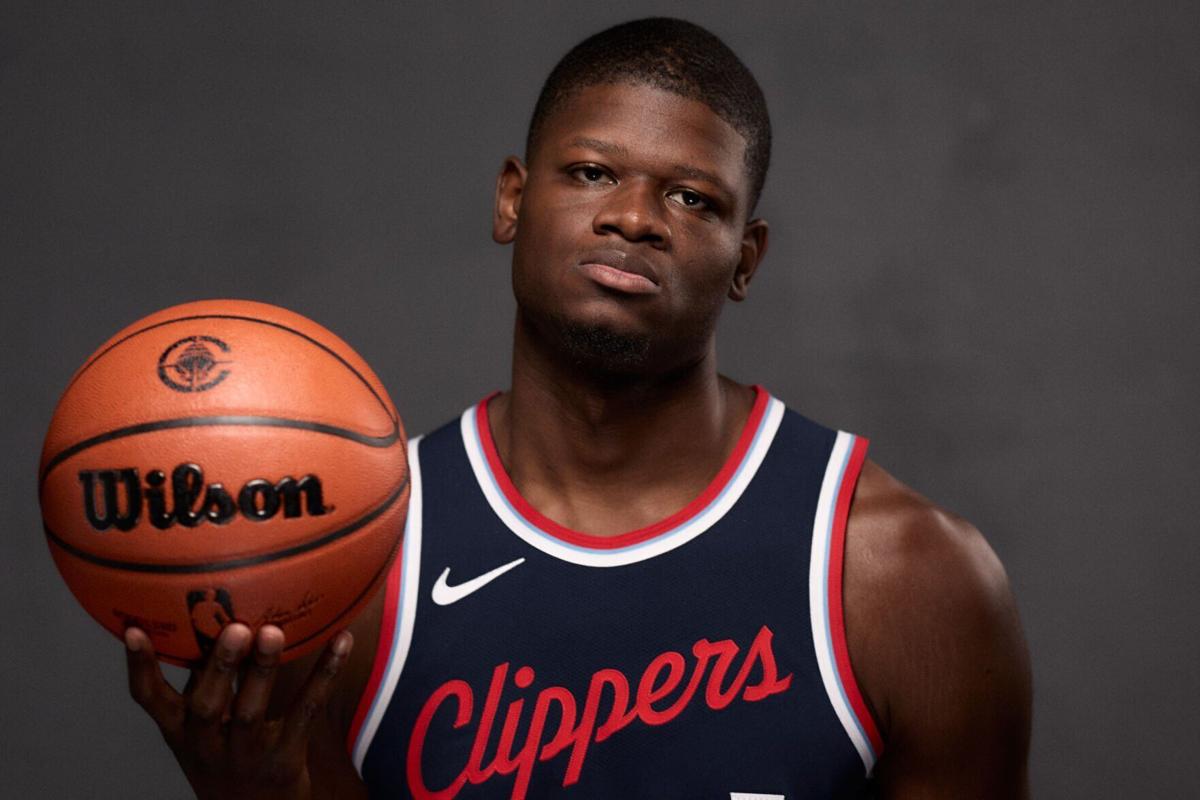
The Toronto Raptors' signing of Mo Bamba represents a sophisticated microcosm of modern NBA talent management—a low-risk, high-potential strategy that transforms career trajectories through strategic roster optimization. At 27, Bamba embodies the league's evolving approach to player development, where one-year contracts serve as critical inflection points for recalibrating professional potential.
Bamba's journey illuminates a broader NBA trend: transforming seemingly underperforming talents through targeted, flexible opportunities. His recent G League performance with the Salt Lake City Stars—averaging 16.5 points and 11.9 rebounds—demonstrates the critical role of alternative development pathways. The Raptors are essentially purchasing an option on potential, risking minimal financial commitment while gaining a 7-footer with demonstrated athletic capabilities.
The strategic calculus is nuanced. By signing Bamba to a one-year deal, the Raptors create a win-win scenario. For Bamba, it's a chance to rehabilitate his market value after being labeled a "disappointing draft pick." For the team, it's an opportunity to shore up frontcourt depth during injury challenges, with Jakob Poeltl's back injury creating immediate roster needs. The signing pushes the team just over $474,000 above the first apron, a calculated financial maneuver that balances immediate competitive needs with long-term roster flexibility.
This approach reflects a sophisticated understanding of player valuation in the modern NBA. Teams are increasingly viewing contracts not as fixed commitments, but as dynamic assets—with one-year deals serving as low-cost experiments in talent redevelopment. Bamba's trajectory from a top-6 draft pick struggling to meet expectations to a potential rotation player illustrates the league's commitment to nurturing talent through strategic, patient interventions.
The broader implication extends beyond individual player narratives. It signals a systemic shift in how professional sports organizations approach talent development: less about immediate performance, more about potential, adaptability, and creating environments where players can recalibrate their professional identities.
Questions 3
What financial implications does this signing have for the Raptors?
The one-year deal pushes the Raptors just over $474,000 above the first salary cap apron and approximately $2.1 million into the luxury tax. However, the low financial risk is balanced by the potential upside of acquiring a 7-footer with demonstrated athletic capabilities and room for development.
How does Bamba's signing reflect broader NBA talent development trends?
The signing demonstrates the NBA's evolving approach to player development, where teams use short-term, low-cost contracts to rehabilitate player value. It shows a shift from immediate performance metrics to potential and adaptability, giving players like Bamba opportunities to redefine their professional trajectories.