


Vaccine Advisory Panel Unravels: Independence Under Siege
- Regulatory capture threatens public health decision-making mechanisms





































Overview
The Advisory Committee on Immunization Practices (ACIP) is experiencing a profound crisis of institutional integrity that signals deeper systemic vulnerabilities in public health governance. Recent developments reveal a troubling pattern of regulatory capture and compromised independence, with key committee members explicitly expressing concerns about external manipulation.
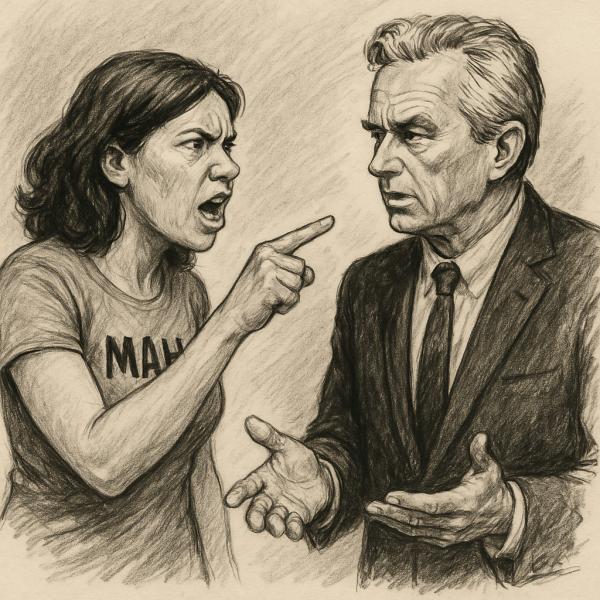
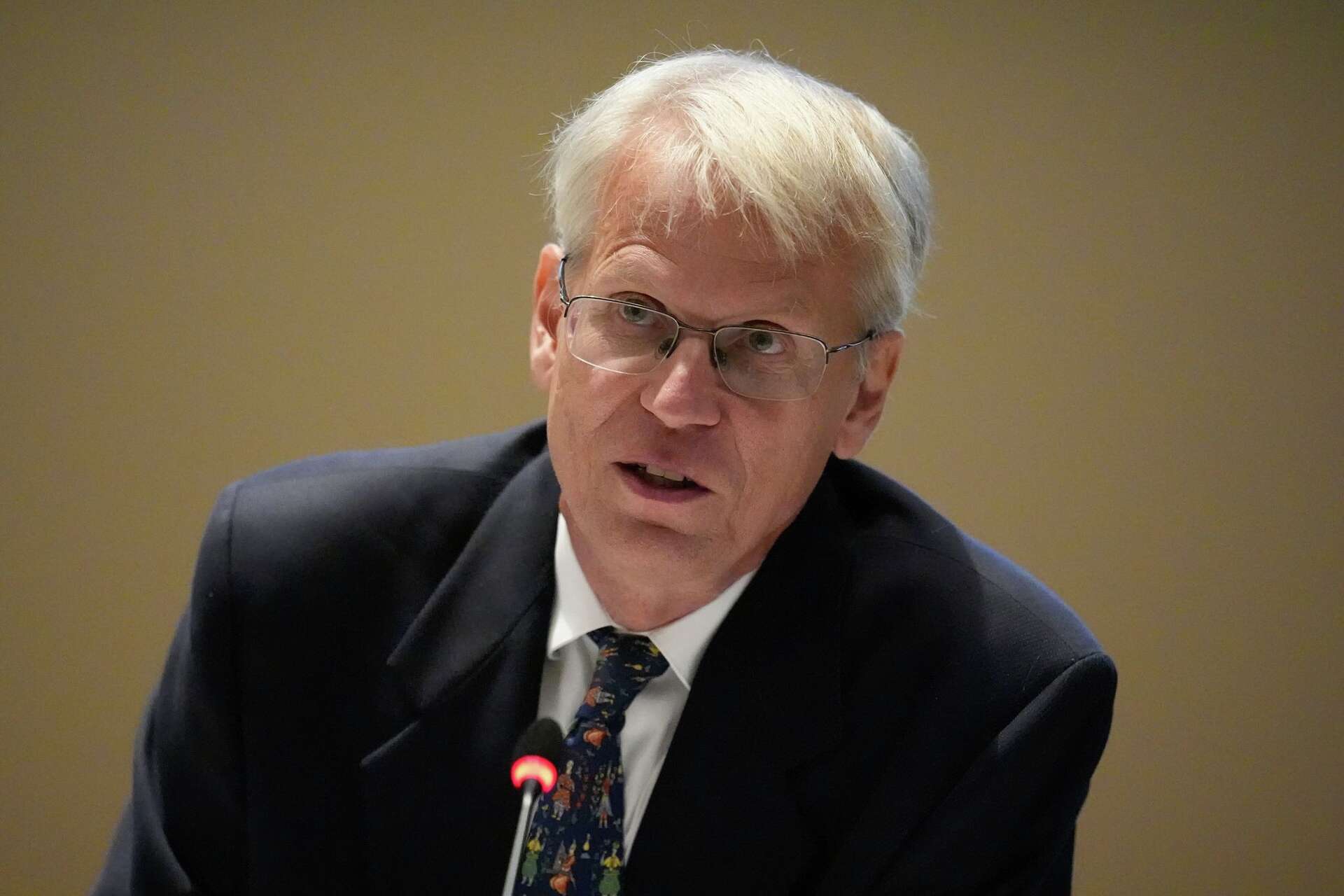
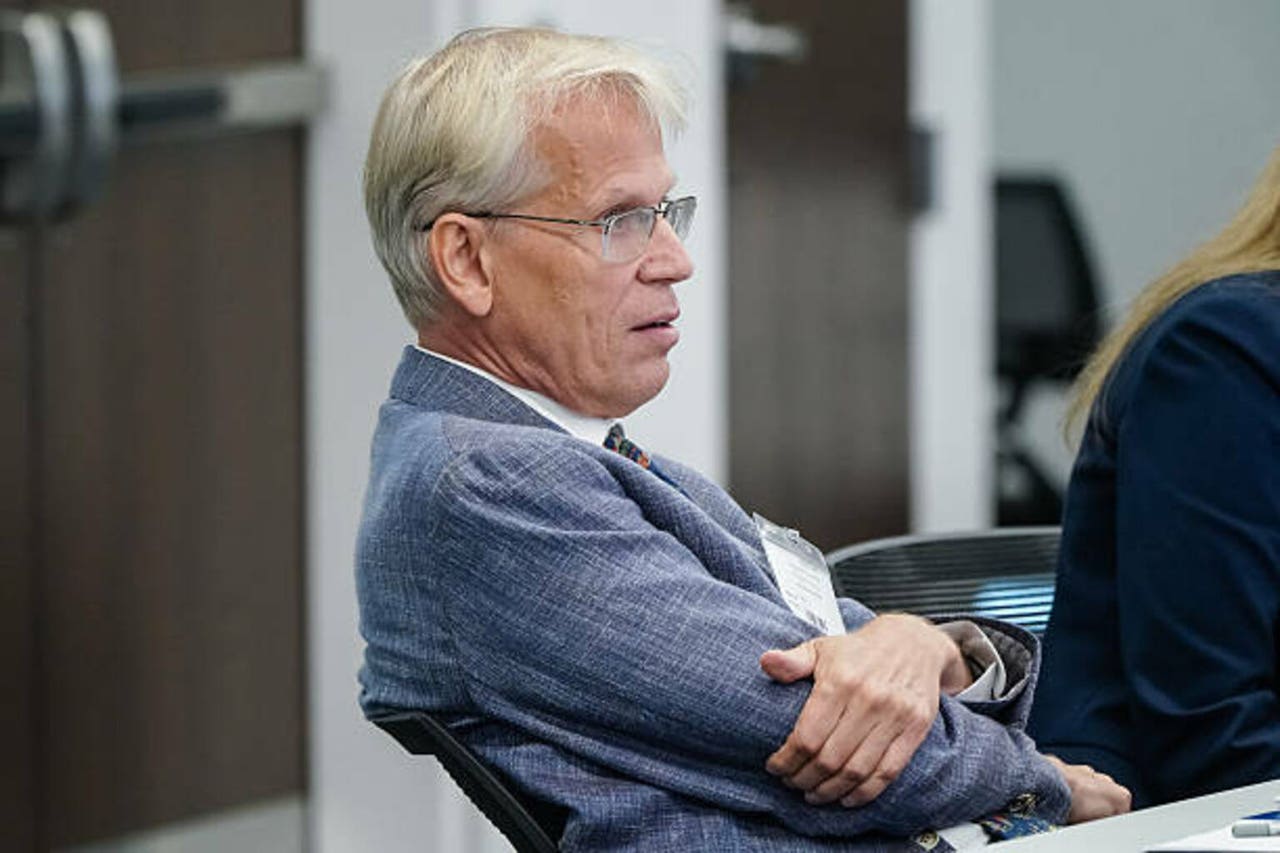
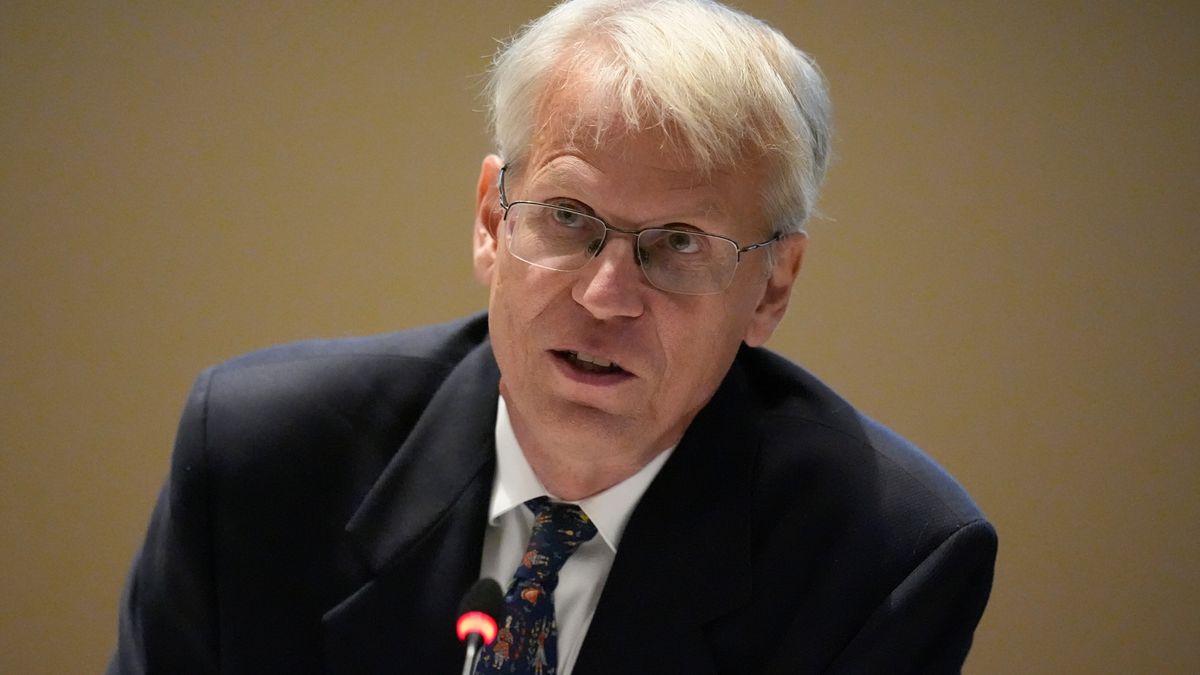
Strategic Restructuring with Ideological Implications: The appointment of Martin Kulldorff as chief science officer at HHS by Robert F. Kennedy Jr., coupled with the installation of Kirk Milhoan as ACIP chair, represents a calculated repositioning of vaccine policy leadership. Milhoan's candid "puppets on a string" comment during a private Zoom call exposes the underlying tension, suggesting that the committee's decision-making processes are increasingly susceptible to external pressures.
The hepatitis B vaccine recommendation shift—specifically ending universal birth dose recommendations—serves as a critical inflection point. This decision appears strategically aligned with vaccine skeptic priorities, indicating a potential transformation of a once-rigorous scientific advisory body into an ideologically driven platform. The transparency of this shift is remarkable: committee members themselves are vocally acknowledging the loss of institutional autonomy.
For regulatory compliance professionals and public health stakeholders, this represents a significant risk landscape. The erosion of independent scientific advisory mechanisms threatens evidence-based policymaking, potentially creating dangerous precedents for future vaccine and public health recommendations. Organizations must now carefully scrutinize the provenance and independence of scientific advisory committees, recognizing that institutional capture can occur through personnel changes and strategic repositioning.
The broader implication extends beyond vaccines: this case study demonstrates how targeted personnel interventions can fundamentally reshape institutional decision-making frameworks, with potentially far-reaching consequences for public policy and scientific integrity.
Questions 3
What specific concerns were raised about the ACIP's independence?
ACIP chair Kirk Milhoan explicitly stated feeling like 'puppets on a string' during a committee meeting, suggesting external pressures were influencing vaccine recommendation decisions. This indicates a potential compromise of the committee's scientific autonomy and decision-making processes.
How might these changes impact future vaccine recommendations?
The restructuring, including appointing known vaccine critics like Martin Kulldorff and Kirk Milhoan to key positions, suggests potential shifts towards more skeptical vaccine policies. The recent decision to end universal hepatitis B birth dose recommendations could be an early indicator of broader policy transformations.