




Reimagining Urban Landscapes The Architectural Revolution of Frank Gehry
- How One Architect Transformed Modern Design Through Radical Creativity and Unconventional Materials






















































































Overview
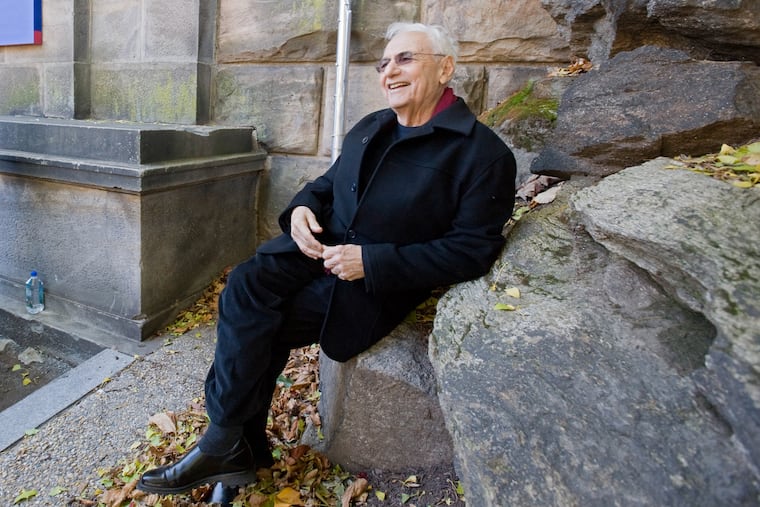
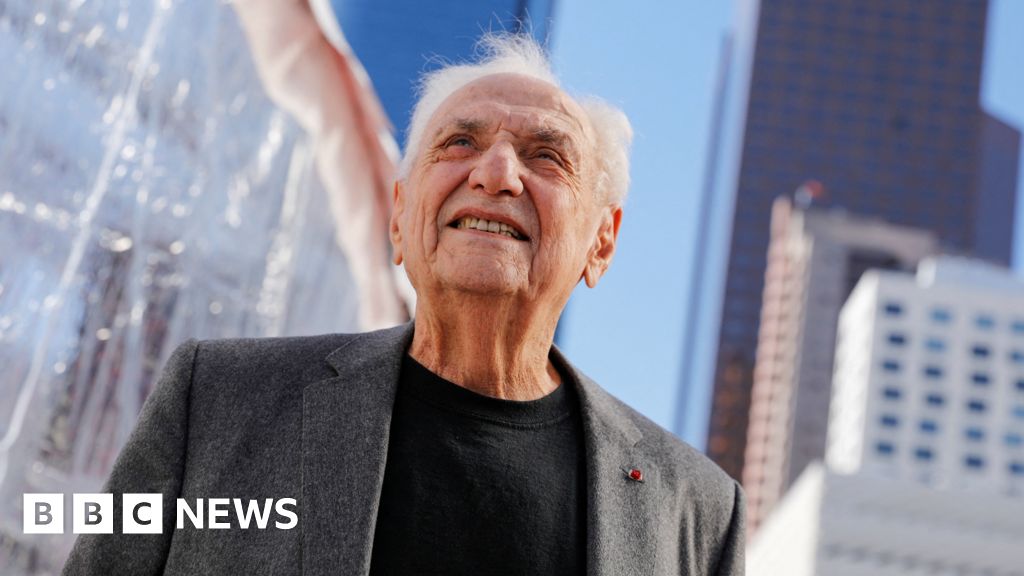
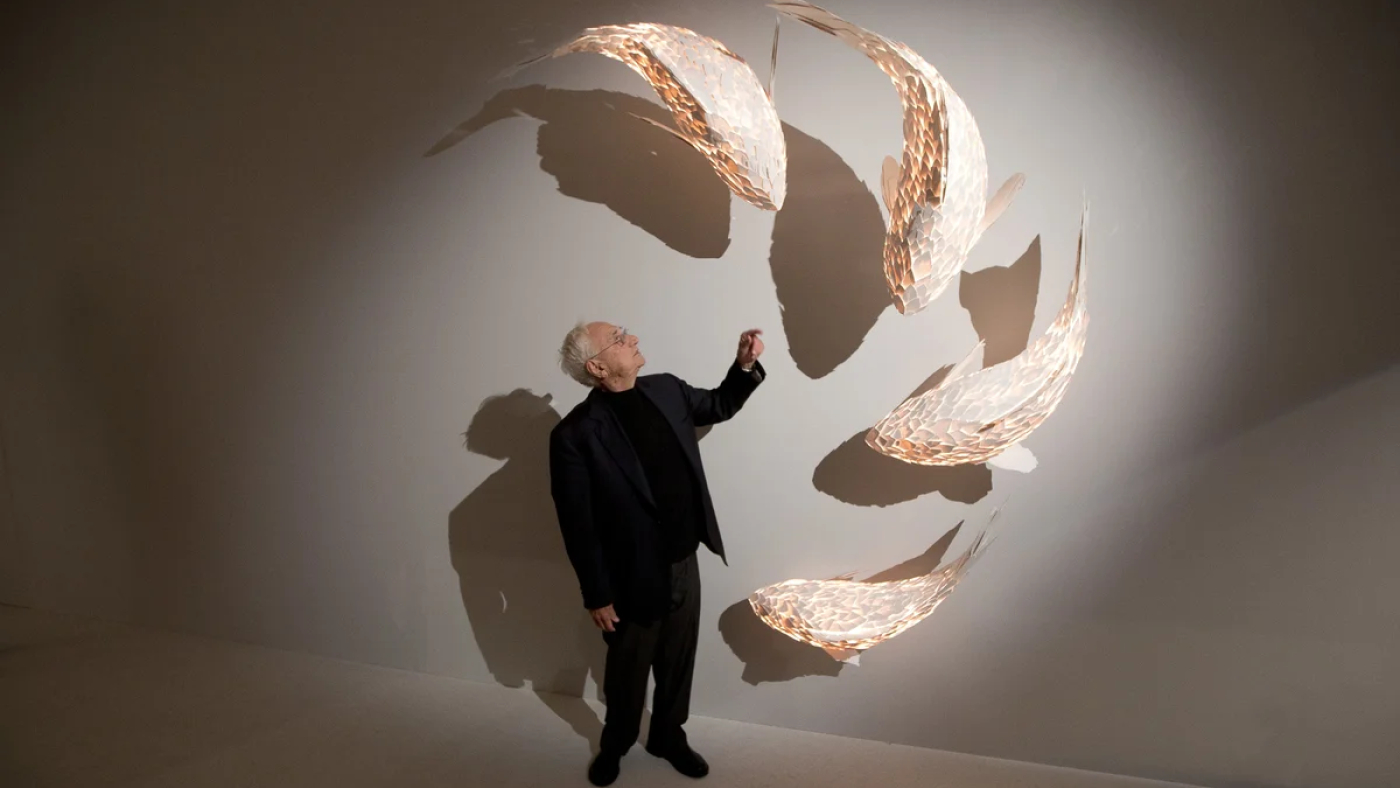
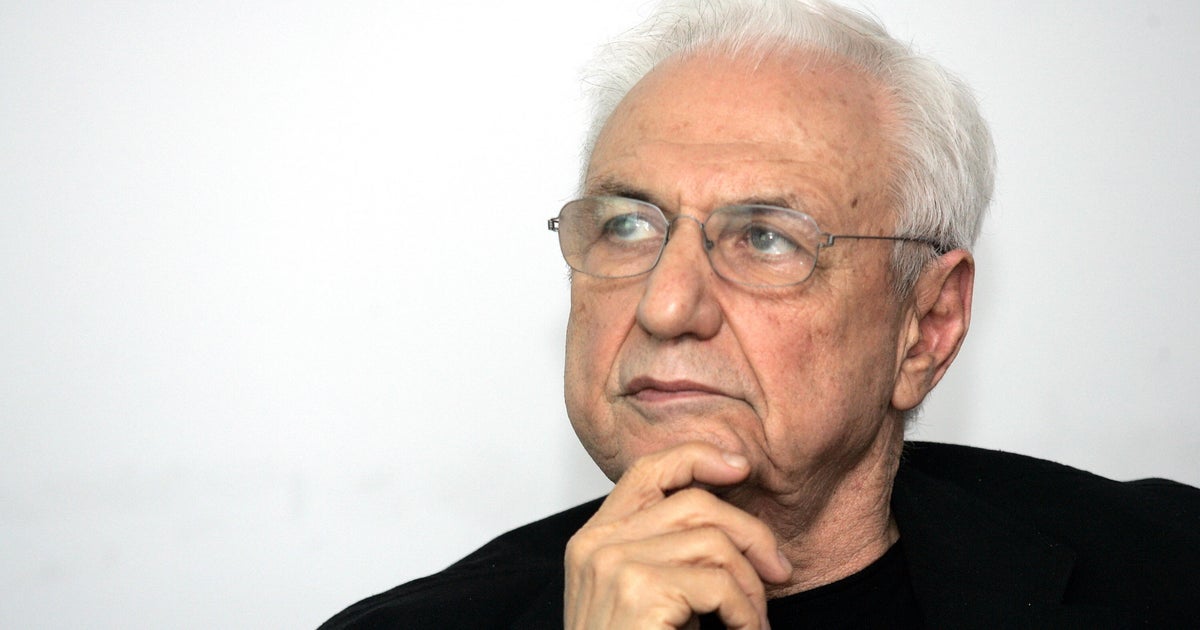
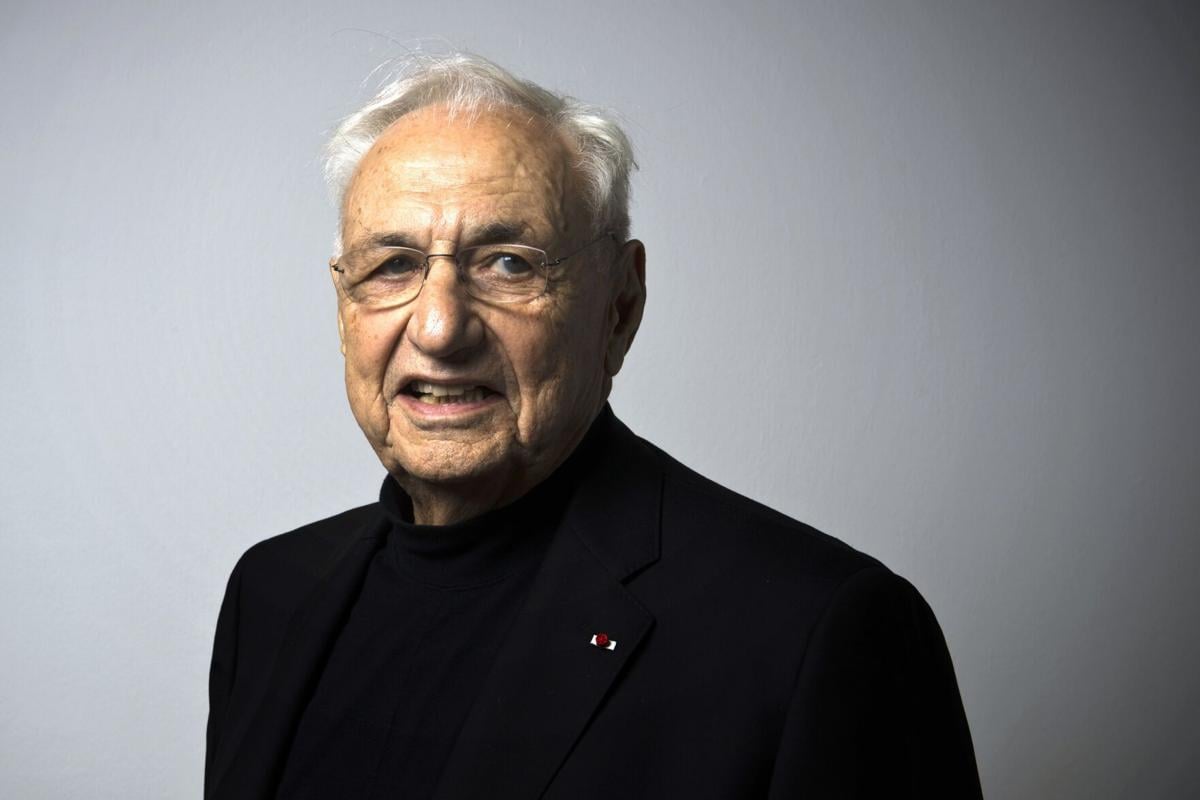
Frank Gehry's architectural legacy represents a profound transformation of urban design, challenging traditional architectural boundaries through radical innovation and sculptural imagination. Over a career spanning decades, Gehry emerged as a pivotal figure who redefined how cities conceptualize architectural spaces, particularly in Los Angeles, where his most iconic works dramatically reshaped the urban landscape.
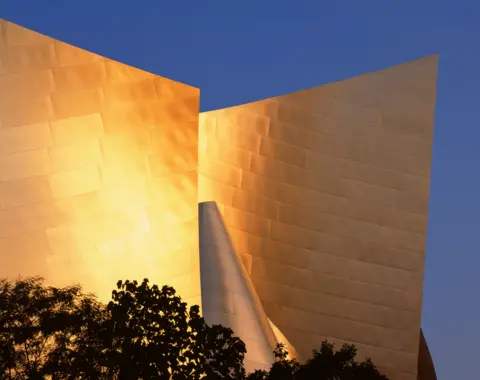
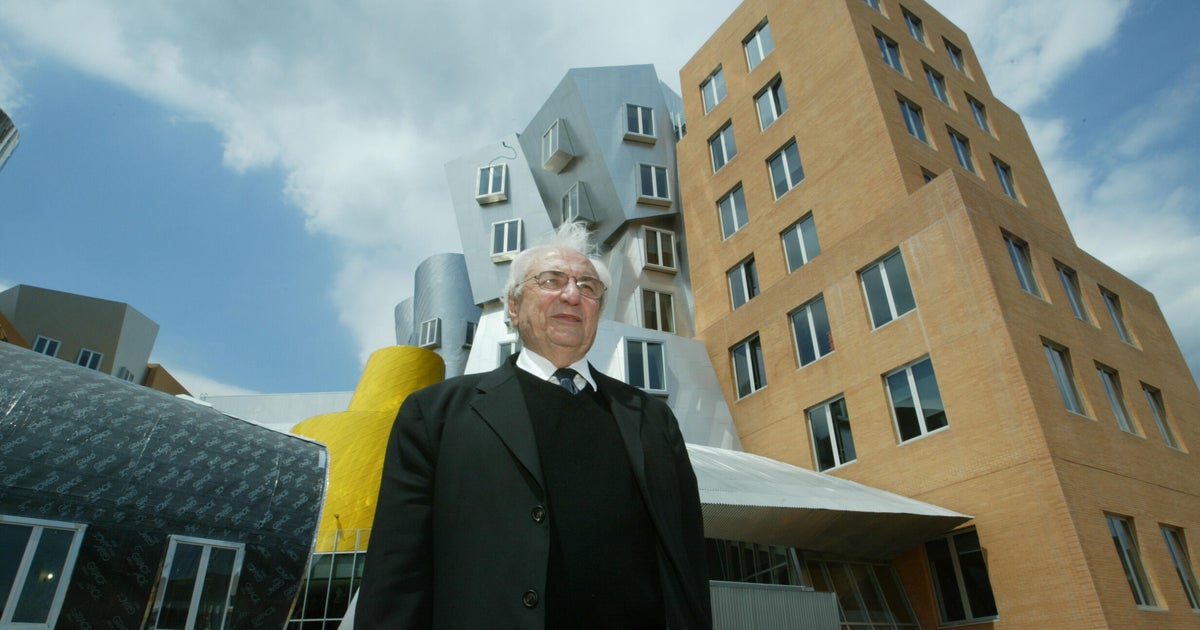
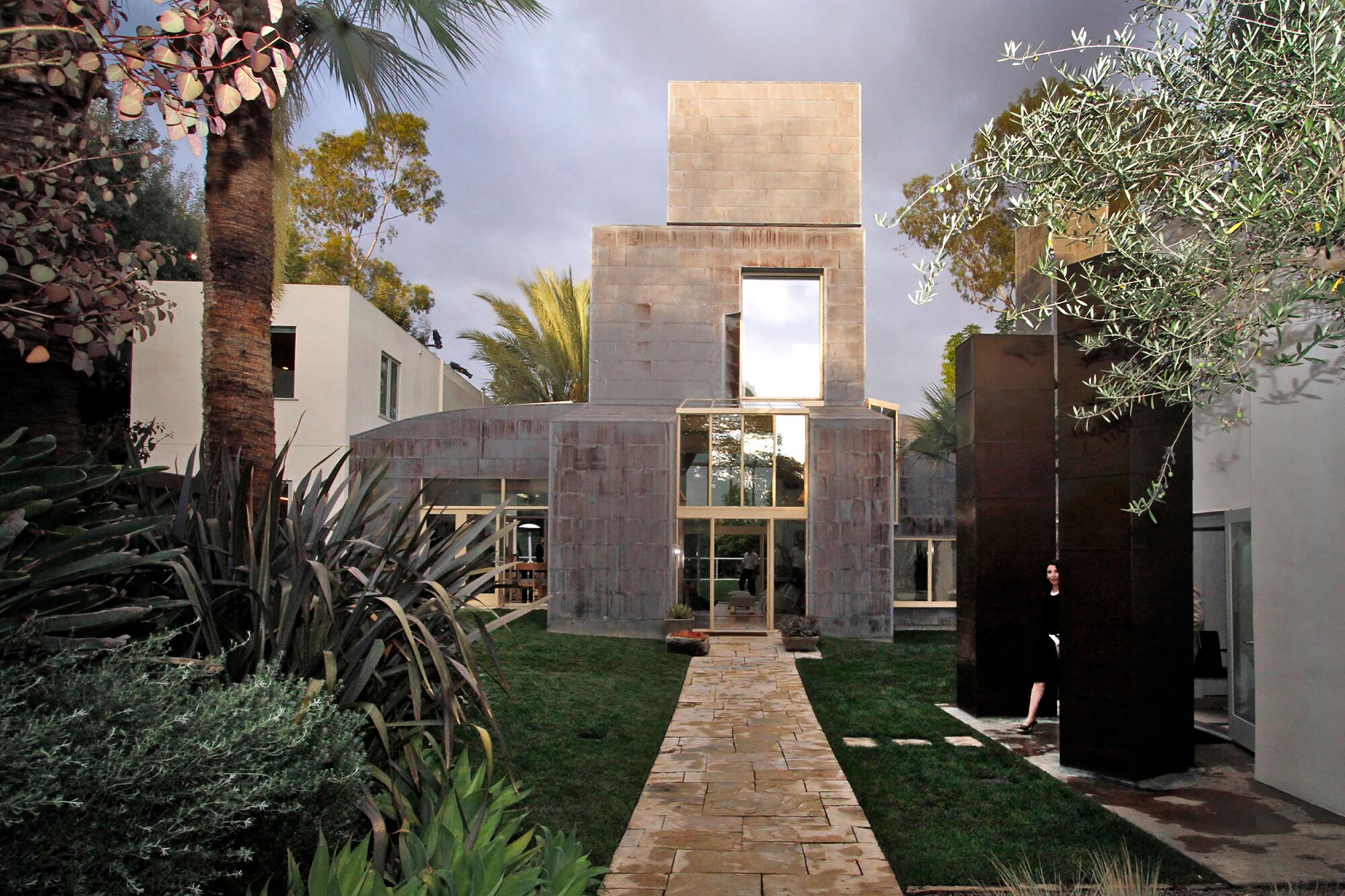
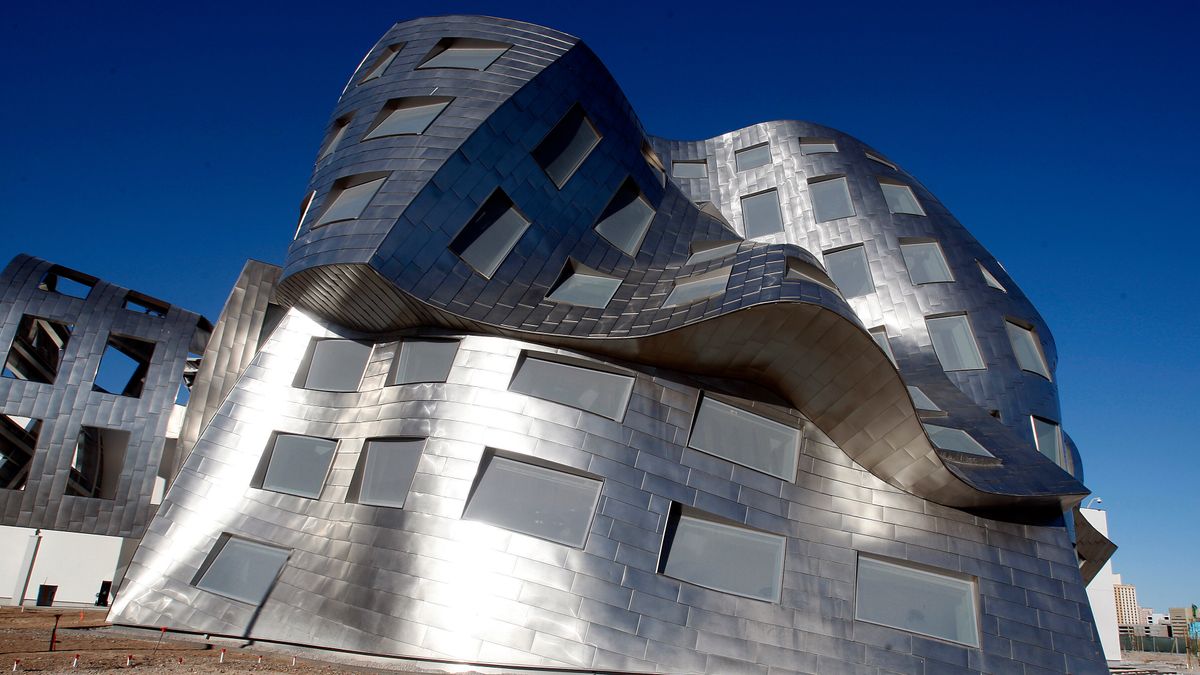
Architectural Innovation as a Disruptive Force characterized Gehry's approach, with his experimental use of materials like chain-link fencing, corrugated metal, and titanium becoming hallmarks of his distinctive style. From his own Santa Monica residence to the globally renowned Walt Disney Concert Hall, Gehry consistently demonstrated an ability to transform mundane materials into extraordinary architectural statements. His ChiatDay Building, featuring its distinctive binocular entrance, exemplifies how he viewed architecture not merely as functional space, but as a form of three-dimensional art that challenges perceptual boundaries.
Challenging Architectural Orthodoxy was Gehry's most significant contribution to modern design. By rejecting conventional architectural norms, he created buildings that were simultaneously functional structures and sculptural experiences. His work at the Loyola Law School complex and the Temporary Contemporary museum space showcased his unique ability to blend industrial aesthetics with creative expression. This approach wasn't just stylistic rebellion, but a fundamental reimagining of how built environments could interact with human experience.
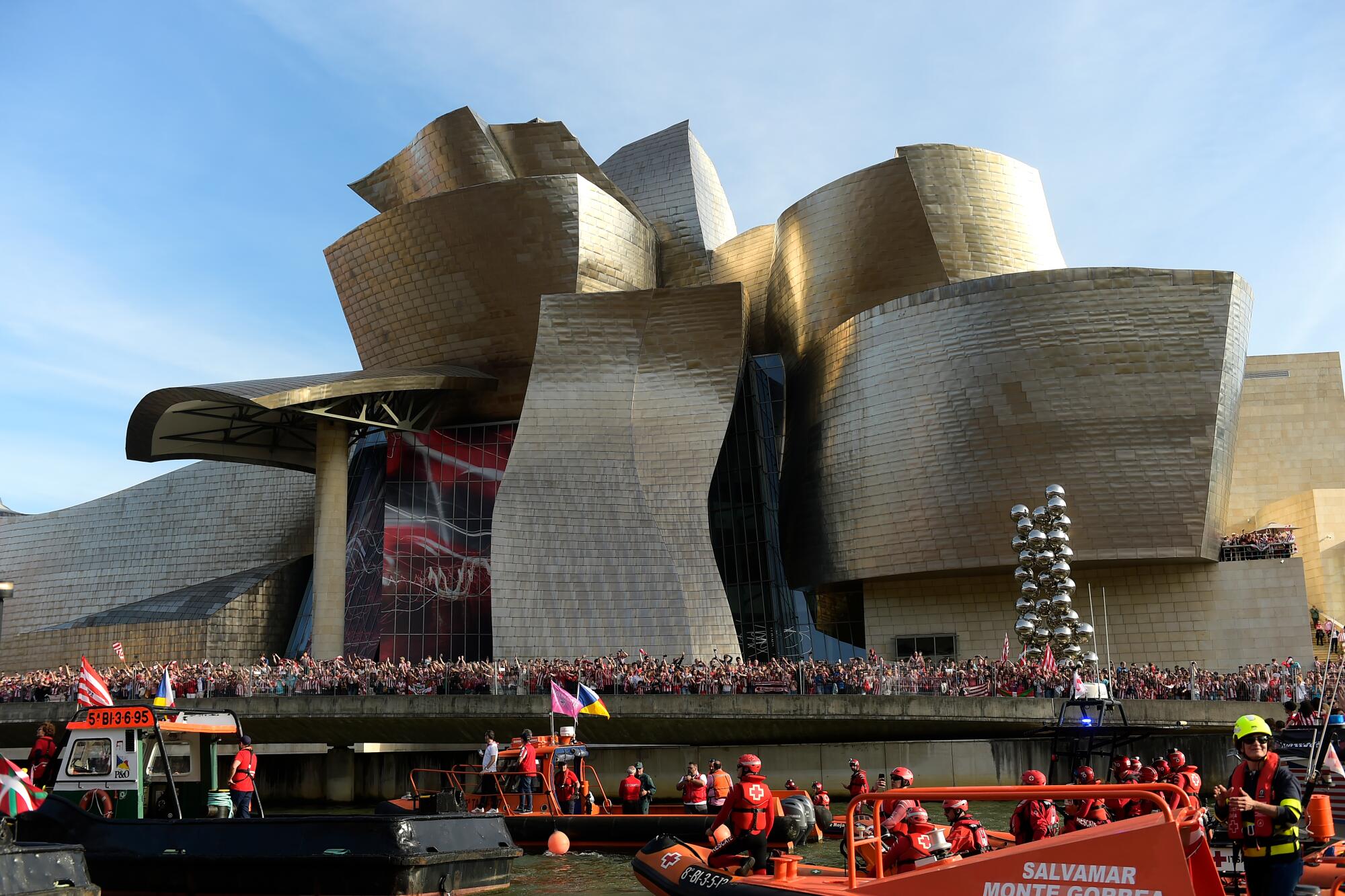
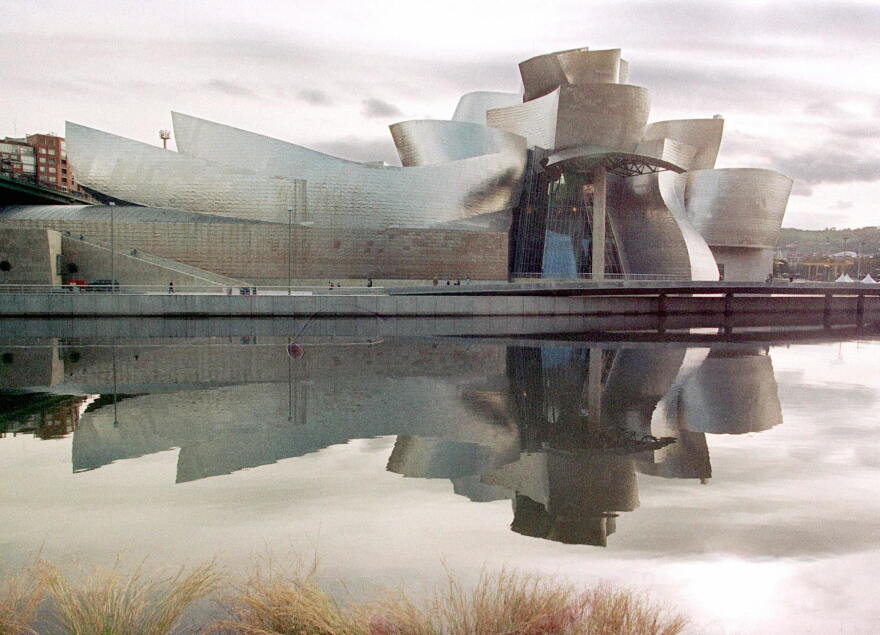
The global impact of Gehry's work extends far beyond Los Angeles, with landmark projects like the Guggenheim Museum in Bilbao, Spain demonstrating his ability to transform entire urban identities through architectural intervention. His passing at 96 marks the end of an era, but his legacy continues to inspire architects worldwide to view design as a dynamic, boundary-pushing discipline that can fundamentally reshape our understanding of space and form.
For emerging architects and urban designers, Gehry's trajectory offers a powerful lesson: true innovation emerges not from conforming to existing paradigms, but from having the courage to completely reimagine what's possible.
Questions 3
What is Gehry's most significant global architectural contribution?
The Guggenheim Museum in Bilbao, Spain, is often considered Gehry's most transformative global project. The building demonstrated architecture's potential to completely reinvent urban identity, attracting global attention and creating what became known as the 'Bilbao Effect' - where iconic architecture can drive economic and cultural revitalization.
What made Frank Gehry's architectural approach unique?
Gehry revolutionized architecture by using unconventional materials like chain-link fencing and titanium, transforming industrial elements into sculptural design. He viewed buildings as three-dimensional art forms that could challenge traditional perceptual boundaries, creating structures that were both functional and emotionally provocative.