



Japan-China Trade War Escalates | Rare-Earth Export Bans Threaten Electronics Sellers
- China restricts critical minerals to Japan; sellers face 15-25% cost increases and 3-6 week shipping delays on electronics, automotive components, and tech products




Overview
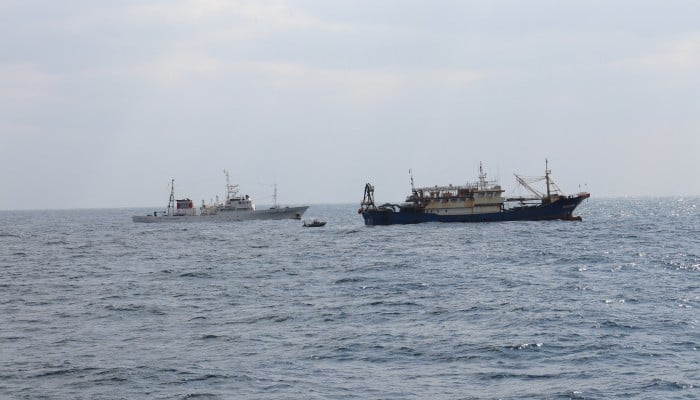
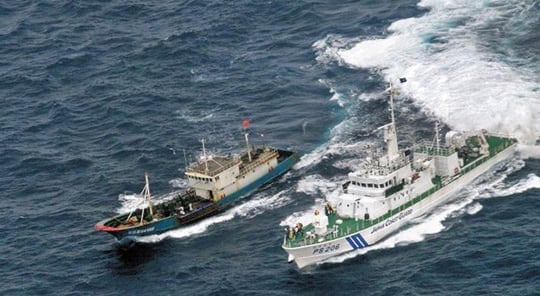
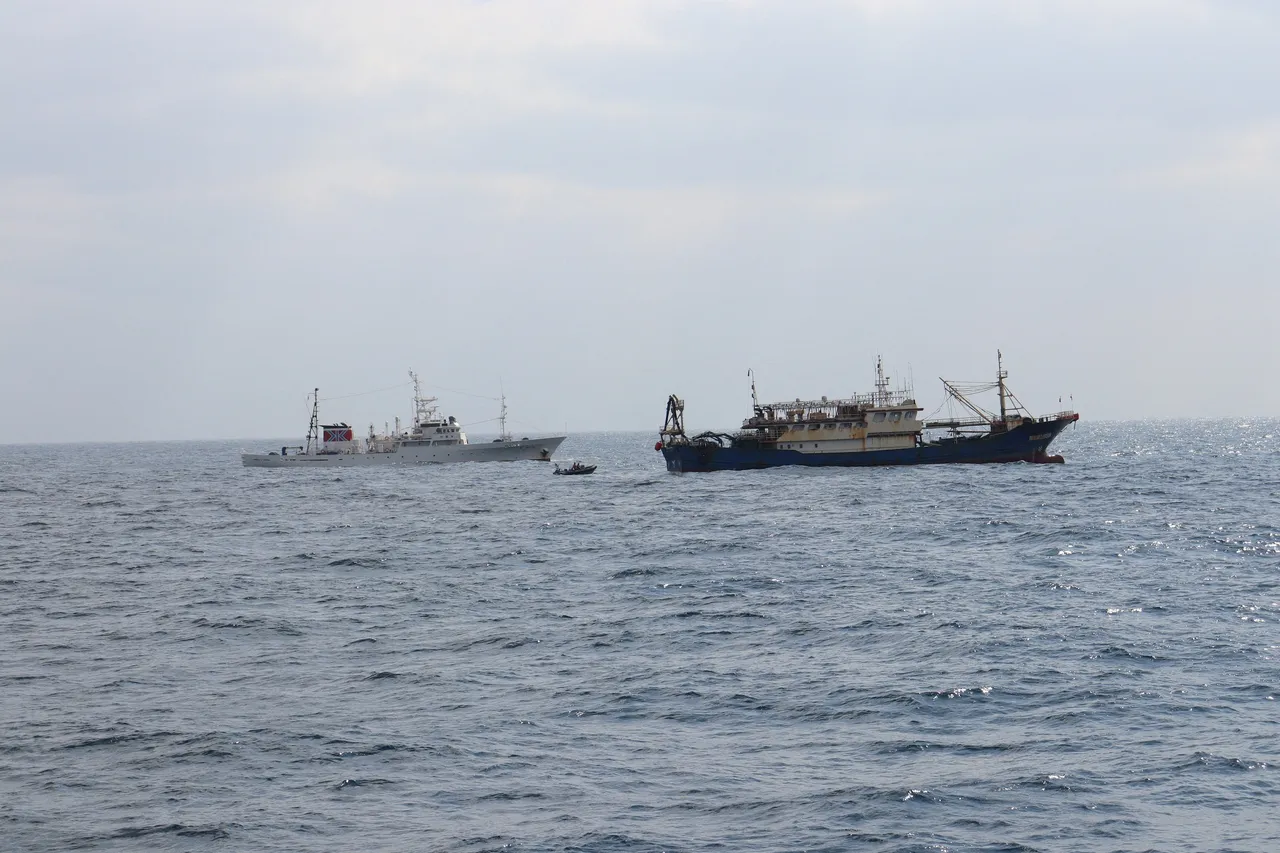
The February 2026 seizure of Chinese fishing vessel Qiong Dong Yu 11998 by Japanese authorities marks a critical escalation in Japan-China geopolitical tensions with direct implications for cross-border e-commerce supply chains. Captain Zheng Nianli's 30-hour detention near Japan's exclusive economic zone (89.4 nautical miles south-southwest of Meshima island) represents Japan's first fishing vessel confiscation since 2022, occurring amid Prime Minister Sanae Takaichi's controversial Taiwan intervention statements three months prior. In retaliation, China has implemented stricter export controls on items with potential military applications, specifically targeting rare-earth minerals vital to Japanese industries—a weaponization of critical supply chains that directly impacts cross-border sellers.
Supply Chain Vulnerability Assessment: For e-commerce sellers, this incident crystallizes three critical risk vectors. First, rare-earth mineral restrictions directly affect electronics, automotive components, and technology product categories (HS codes 8504-8542 covering semiconductors, displays, and magnetic materials). Sellers sourcing products from China or shipping through Japanese ports face potential cost increases of 15-25% as alternative suppliers (Vietnam, India, South Korea) command premium pricing due to sudden demand surges. Second, customs enforcement escalation is evident from Japan's Fisheries Agency's increased vigilance in maritime zones, signaling broader regulatory tightening that will extend to commercial shipping inspections, potentially adding 3-6 weeks to transit times and increasing compliance costs by $200-400 per shipment. Third, tariff structure uncertainty looms as geopolitical tensions historically precede formal trade restrictions—the 2010 Chinese fishing boat captain arrest triggered a major diplomatic crisis, establishing precedent for how routine maritime incidents escalate into broader trade disputes.
Competitive Dynamics and Sourcing Shifts: The rare-earth export restrictions create immediate arbitrage opportunities for sellers willing to diversify sourcing. Vietnam and India-based manufacturers now command 8-12% price premiums but offer supply security unavailable from China-dependent suppliers. Small and medium-sized sellers (annual revenue $500K-$5M) face disproportionate impact due to limited supplier relationships and inability to absorb cost increases, while large sellers with established Vietnam/India supply chains gain competitive advantages. The East China Sea shipping corridor—critical for regional e-commerce—faces increased insurance costs (estimated 5-8% premium) and potential route diversification to longer, more expensive pathways. Sellers with inventory in transit should anticipate 30-hour detention risks similar to the fishing vessel incident, requiring enhanced documentation and compliance protocols for EEZ navigation.
Questions 7
How will China's rare-earth export restrictions impact electronics sellers on Amazon and eBay?
China's stricter export controls on rare-earth minerals directly affect sellers of electronics, semiconductors, and automotive components (HS codes 8504-8542). Sellers sourcing from China will face 15-25% cost increases as supply tightens, with alternative suppliers in Vietnam and India commanding premium pricing. Amazon FBA sellers shipping electronics to Japan or Asia-Pacific regions should expect 3-6 week delays and higher fulfillment costs. The restriction particularly impacts sellers of smartphones, laptops, displays, and magnetic components. Immediate action: audit supplier locations and identify Vietnam/India alternatives within 30 days to lock in pricing before further escalation.
What are the shipping and logistics risks for sellers using East China Sea routes?
The February 2026 fishing vessel seizure demonstrates Japan's increased maritime enforcement in the East China Sea, a critical shipping corridor for cross-border e-commerce. Sellers face potential 30-hour detention risks, increased insurance costs (5-8% premium), and stricter customs inspections adding 3-6 weeks to transit times. The incident shows Japan's Fisheries Agency is actively monitoring foreign vessels in exclusive economic zones (EEZ), meaning commercial shipping must maintain perfect compliance documentation. Logistics providers report increased scrutiny of inspection protocols and authorization requirements. Sellers should: (1) verify all shipments have proper EEZ compliance documentation, (2) budget 5-8% additional insurance costs, (3) add 2-3 weeks buffer time to delivery estimates, (4) consider alternative routing through South China Sea or Pacific routes despite longer transit times.