
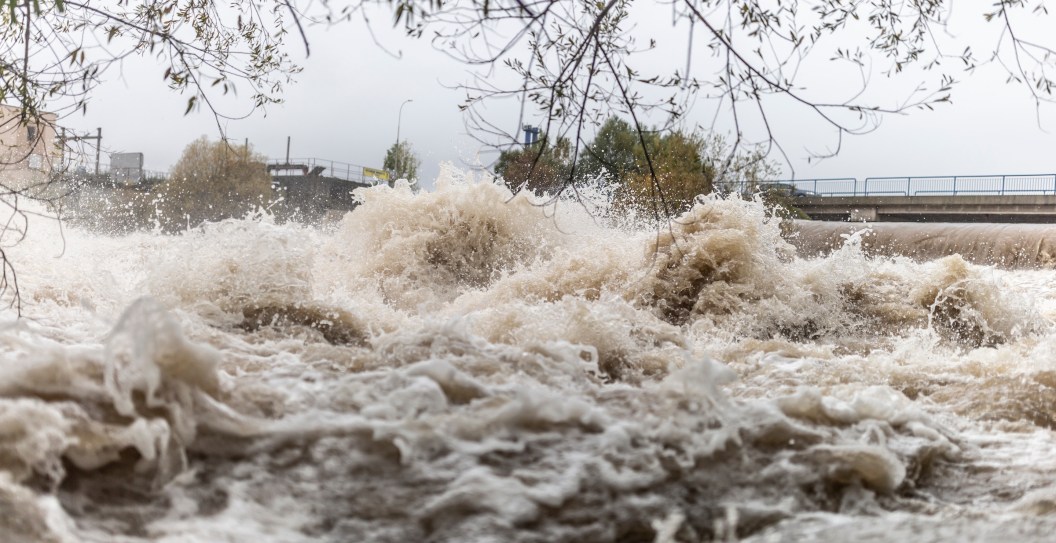

Climate Chaos Unleashes Unprecedented Humanitarian Crisis Across Southeast Asia
- Catastrophic Flooding Exposes Systemic Vulnerabilities in Regional Disaster Preparedness




)


















)




















































Overview
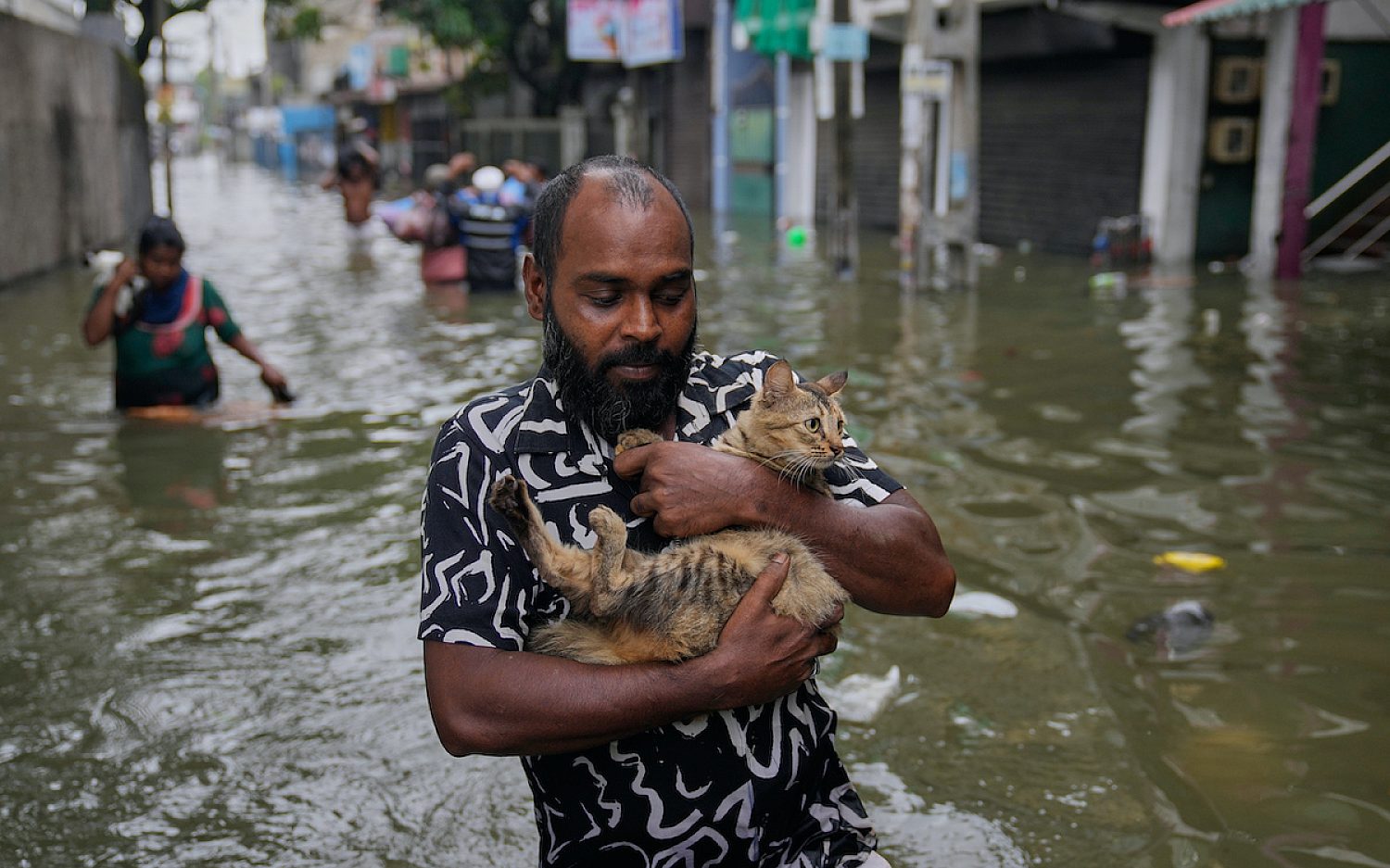
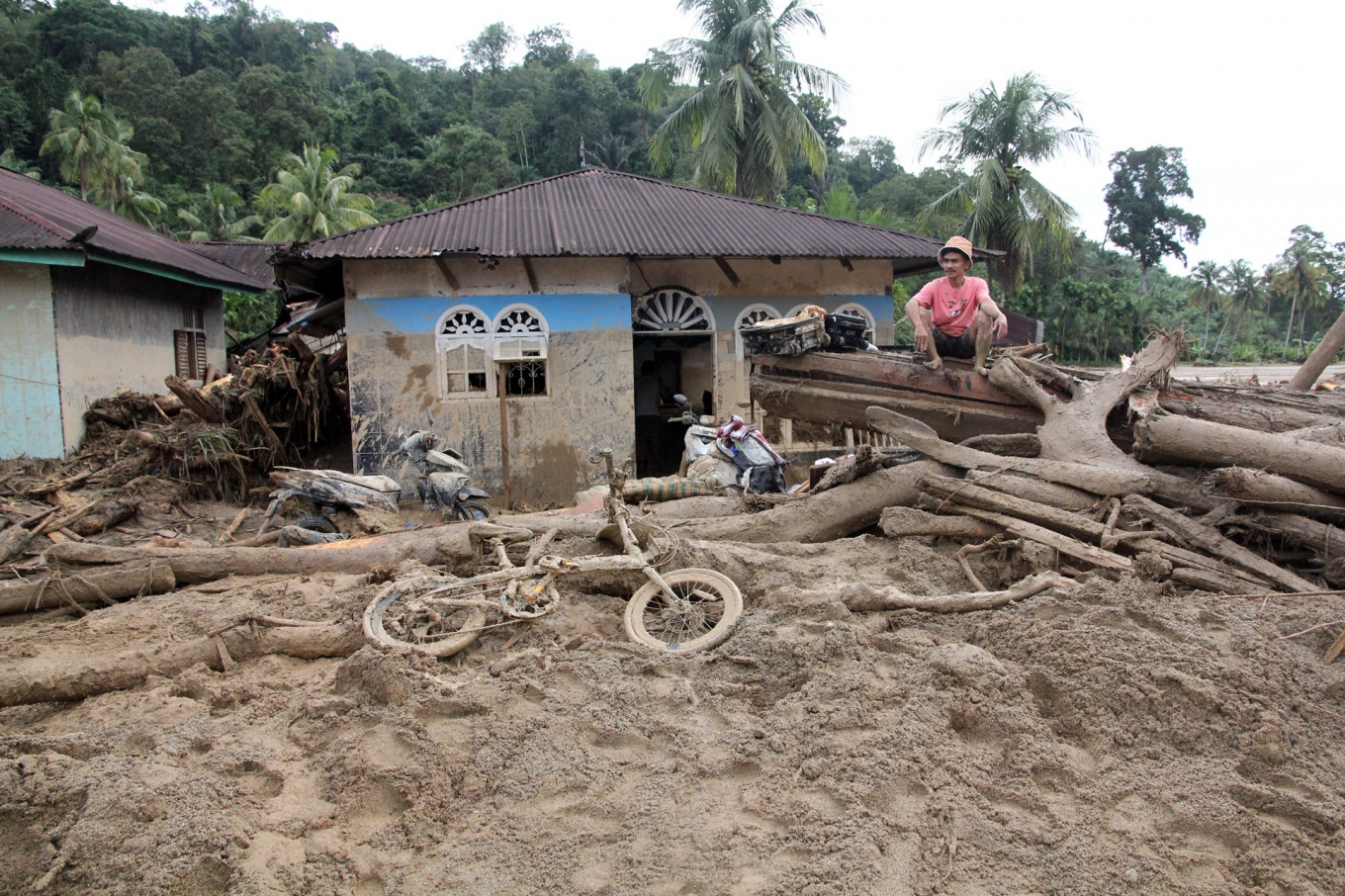
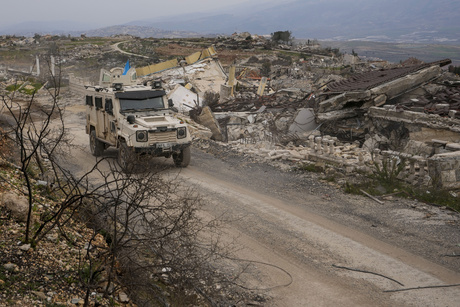
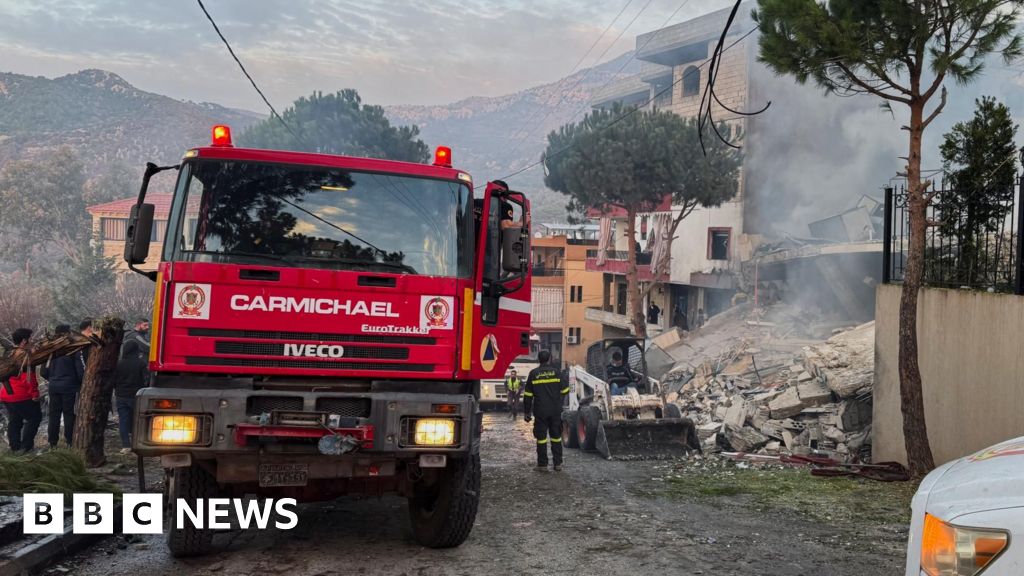
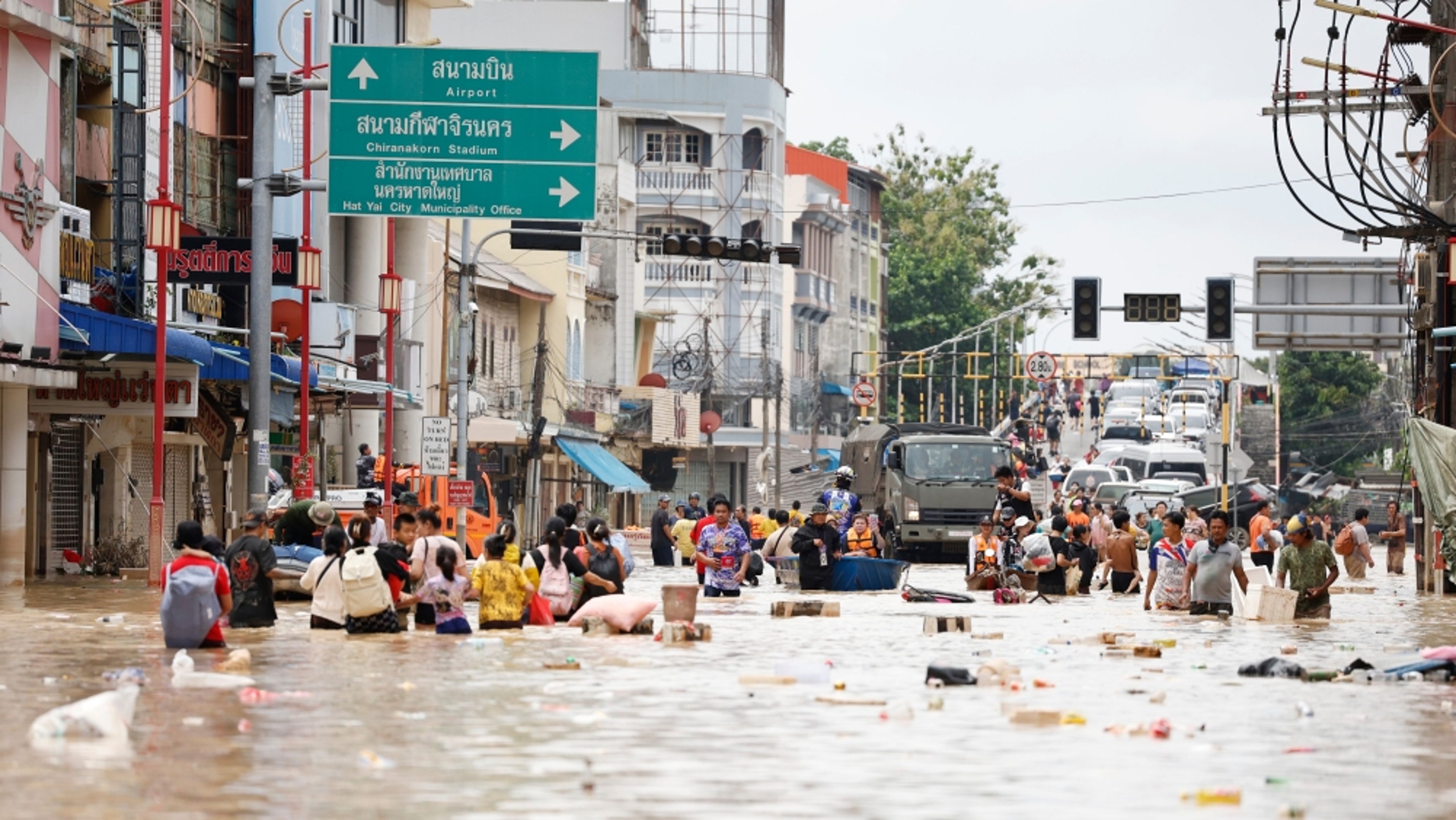
The convergence of climate change and extreme weather events has transformed Southeast Asia into a critical humanitarian battleground, revealing profound systemic vulnerabilities that demand immediate global attention. In late November, a catastrophic storm cluster unleashed unprecedented flooding across multiple countries, with Indonesia's Sumatra bearing the most devastating impact. The scale of destruction is staggering: over 1,700 people killed, with hundreds still missing, and entire infrastructure networks obliterated.
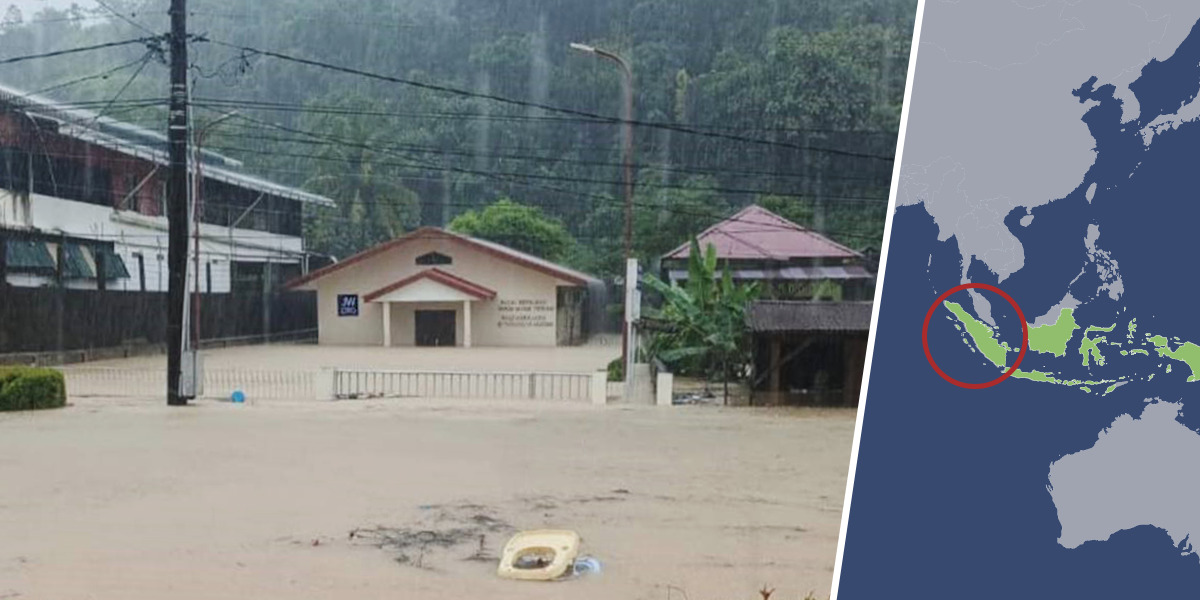
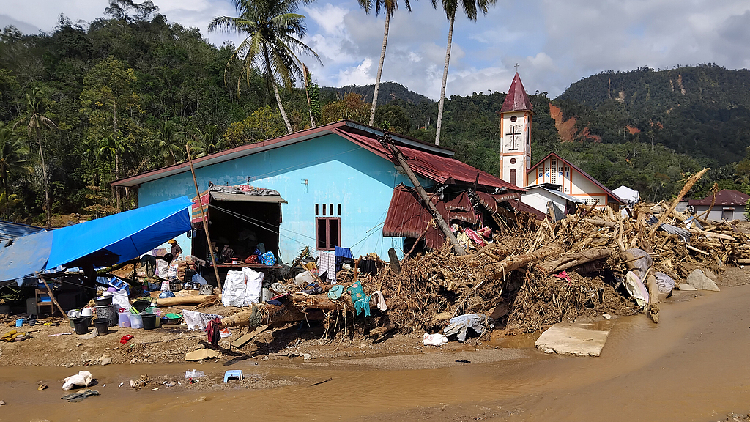
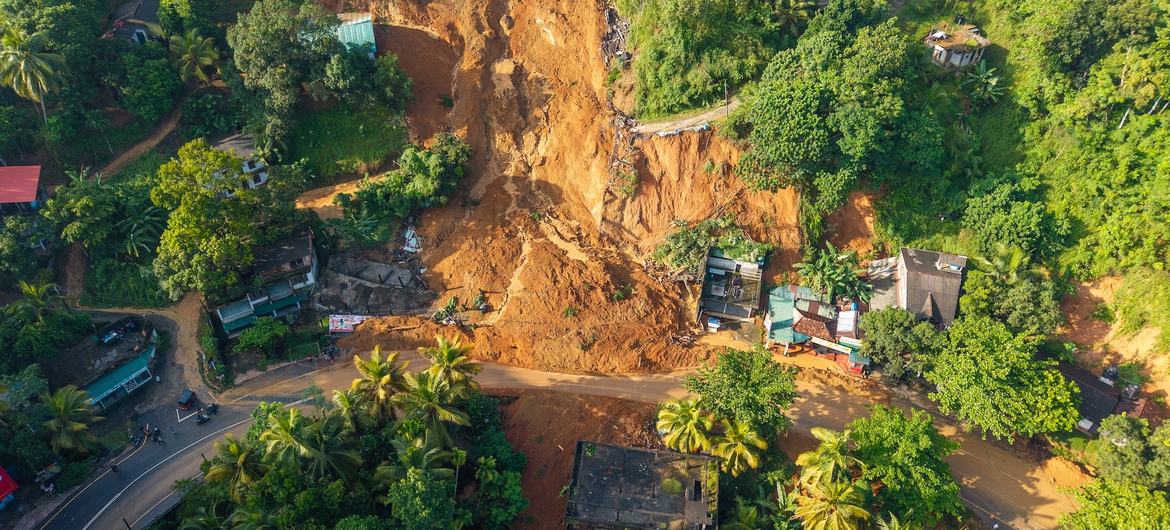
Tropical Cyclone Senyar's assault on Sumatra represents a watershed moment in climate-induced disasters. The Parlampungan River's catastrophic overflow submerged villages under two meters of water, triggering destructive landslides that displaced tens of thousands and decimated critical communication and electricity infrastructure. Official reports from Indonesia paint a grim picture: 867 confirmed deaths, with 460 individuals still unaccounted for—a human toll that exponentially exceeds typical regional disaster statistics.
The broader regional context is equally alarming. Multiple storms simultaneously formed in rare locations across Indonesia, Sri Lanka, Vietnam, Philippines, Malaysia, and Thailand, unleashing record-breaking rainfall. Climate experts emphasize this is not an anomaly but a harbinger of intensifying extreme weather patterns driven by global climate change. The simultaneous multi-country impact suggests a systemic vulnerability that traditional disaster response mechanisms are ill-equipped to handle.
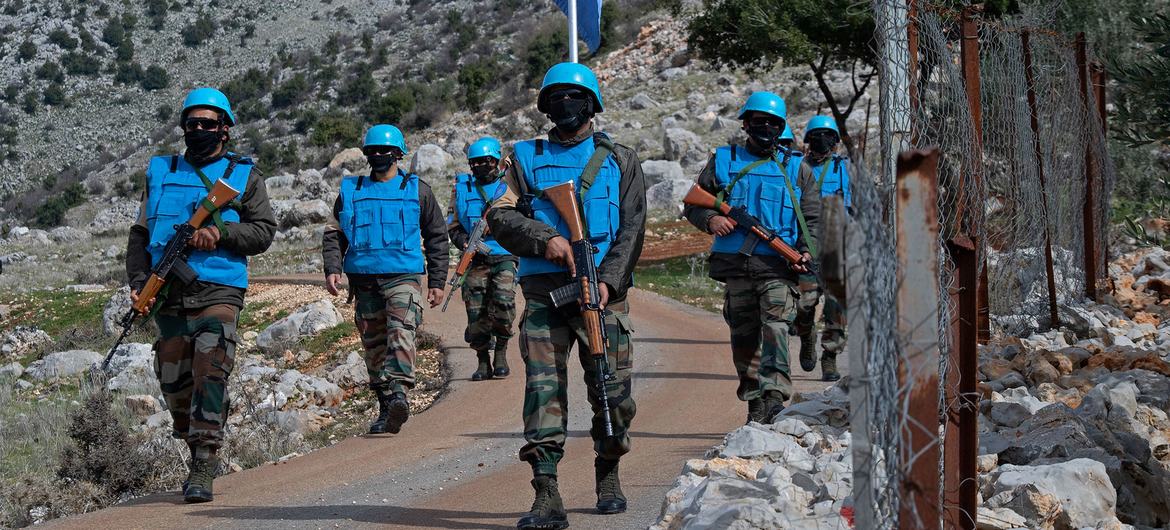
For policymakers and humanitarian organizations, these events signal a critical inflection point. The climate resilience infrastructure in Southeast Asia has been exposed as fundamentally inadequate. The military's relief operations in Sumatra—while heroic—represent a reactive approach that cannot match the scale of emerging environmental challenges. Strategic investments in predictive modeling, early warning systems, and adaptive infrastructure are no longer optional but existential imperatives.
The human and economic cost of these disasters transcends national boundaries, demanding a coordinated, proactive global response. As climate volatility becomes the new normal, Southeast Asia stands as a stark warning: our current disaster preparedness frameworks are critically outdated in the face of accelerating environmental transformation.
Questions 3
What makes the recent Southeast Asian flooding different from previous natural disasters?
Unlike previous events, these floods represent a simultaneous, multi-country catastrophe caused by rare storm formations. The unprecedented scale—over 1,700 deaths across multiple nations—indicates a systemic shift in climate-induced extreme weather patterns, suggesting traditional disaster response models are no longer sufficient.
How are climate changes specifically impacting Southeast Asian infrastructure?
The flooding in Sumatra demonstrates critical infrastructure vulnerabilities: entire communication networks were destroyed, electricity grids collapsed, and transportation routes were obliterated. This reveals that current infrastructure is not designed to withstand the intensity of emerging climate-driven environmental challenges.