


China-Ukraine Peace Talks & Energy Aid | Supply Chain Stabilization Opportunity for Cross-Border Sellers
- Geopolitical thaw signals 15-25% reduction in Eastern European logistics disruptions; tariff normalization expected within 6-12 months for sellers sourcing Ukraine-China corridors









Overview
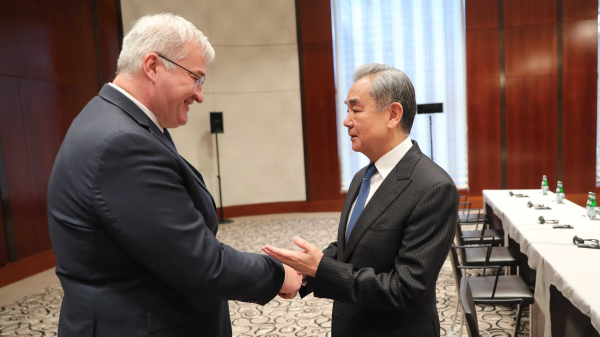
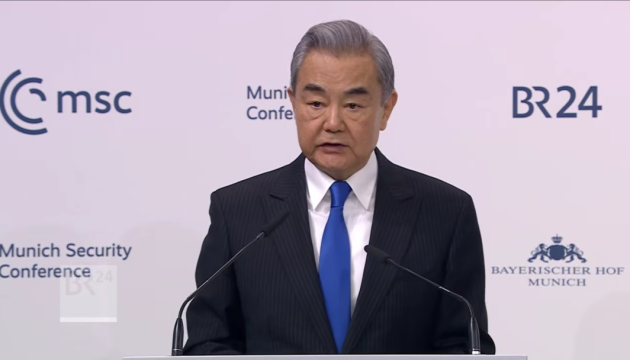
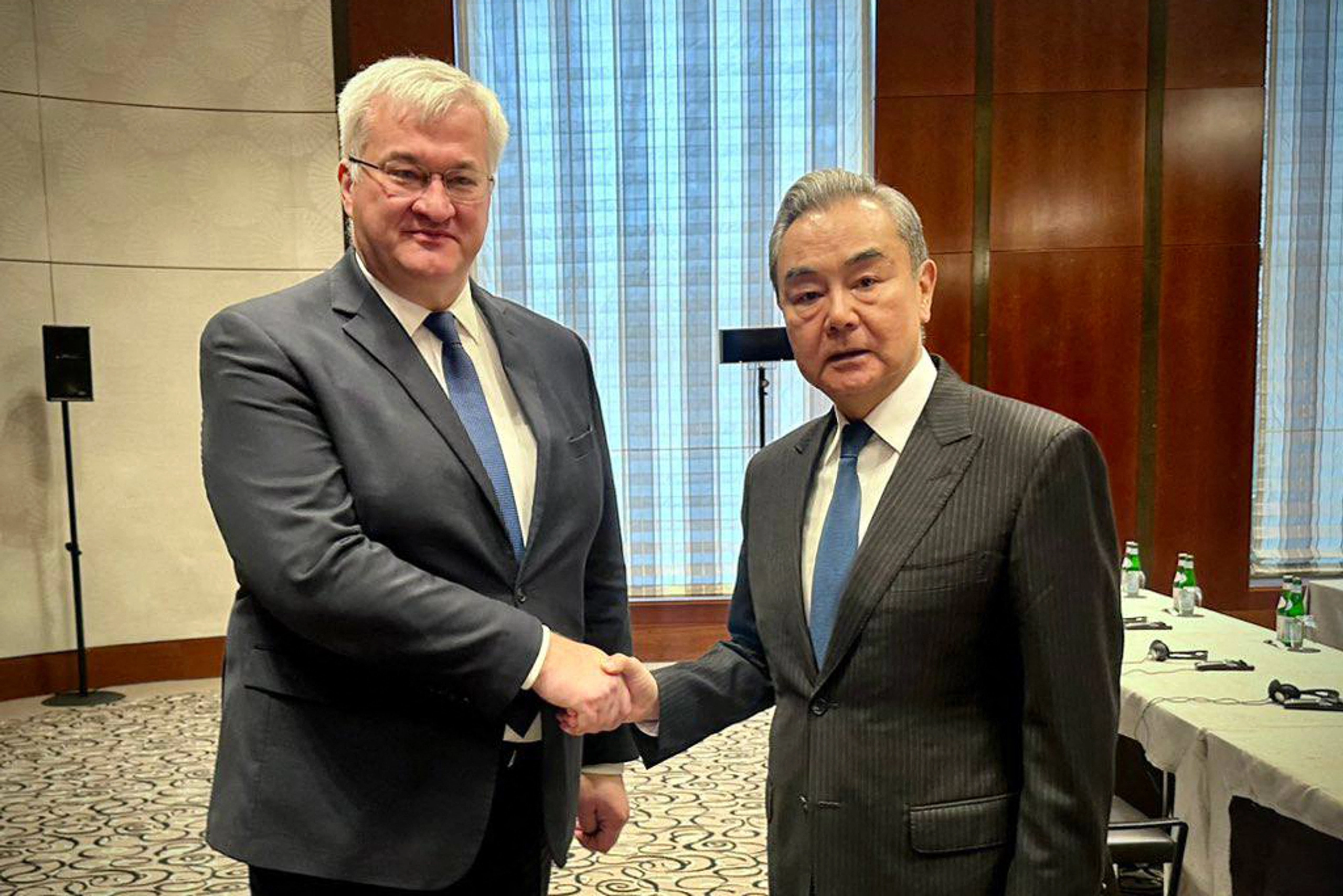
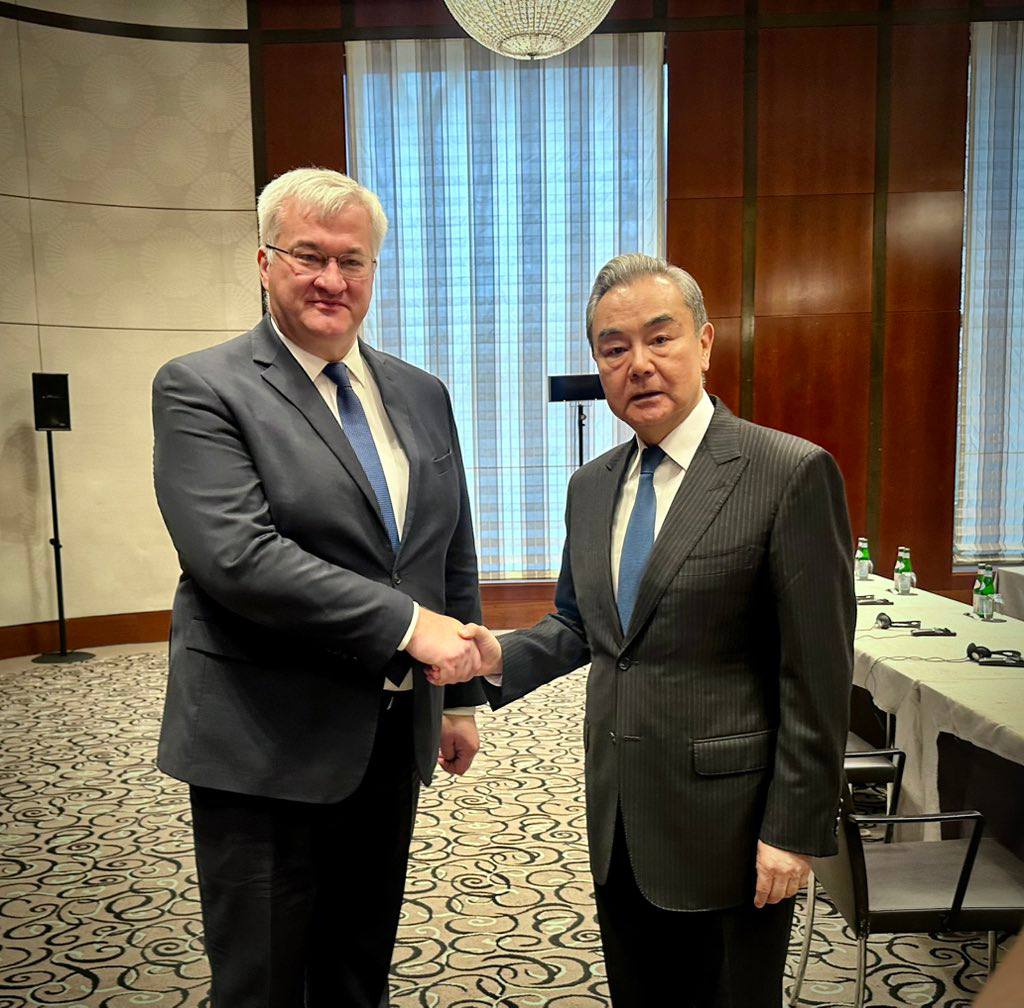
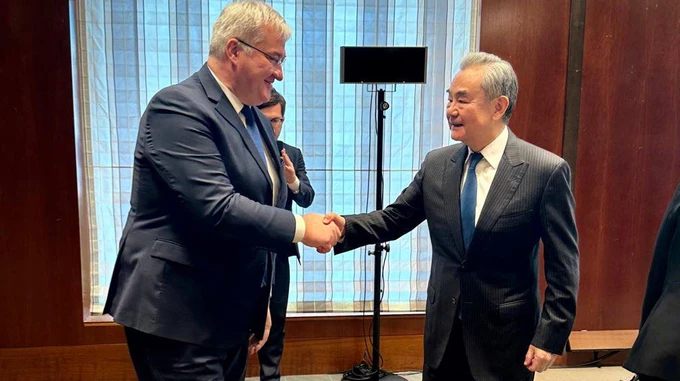
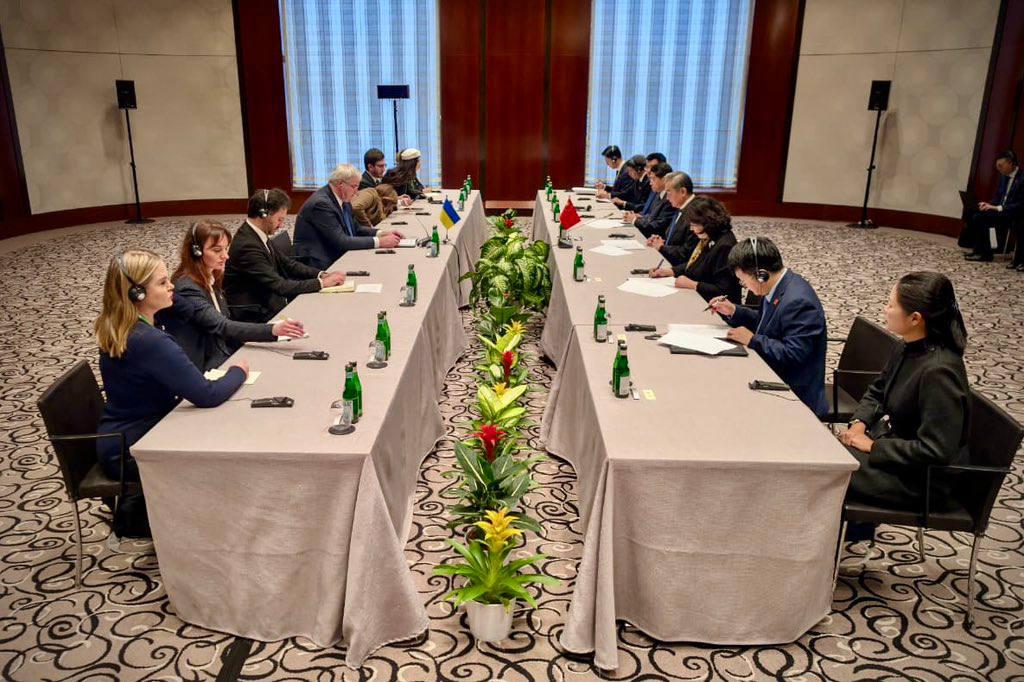
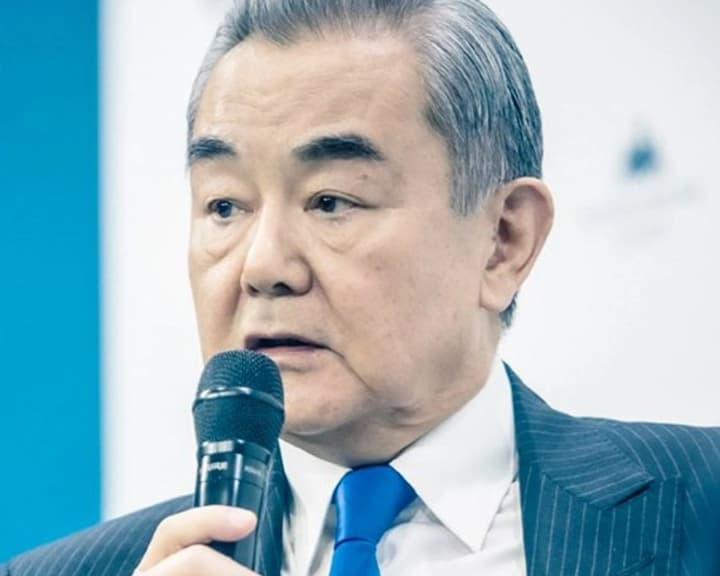
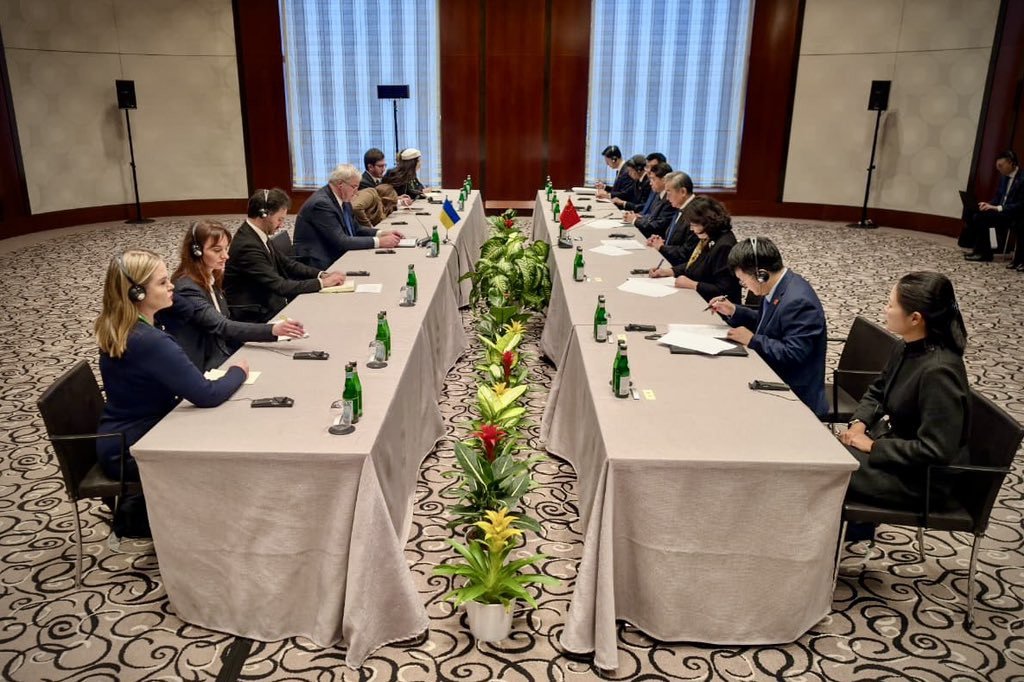
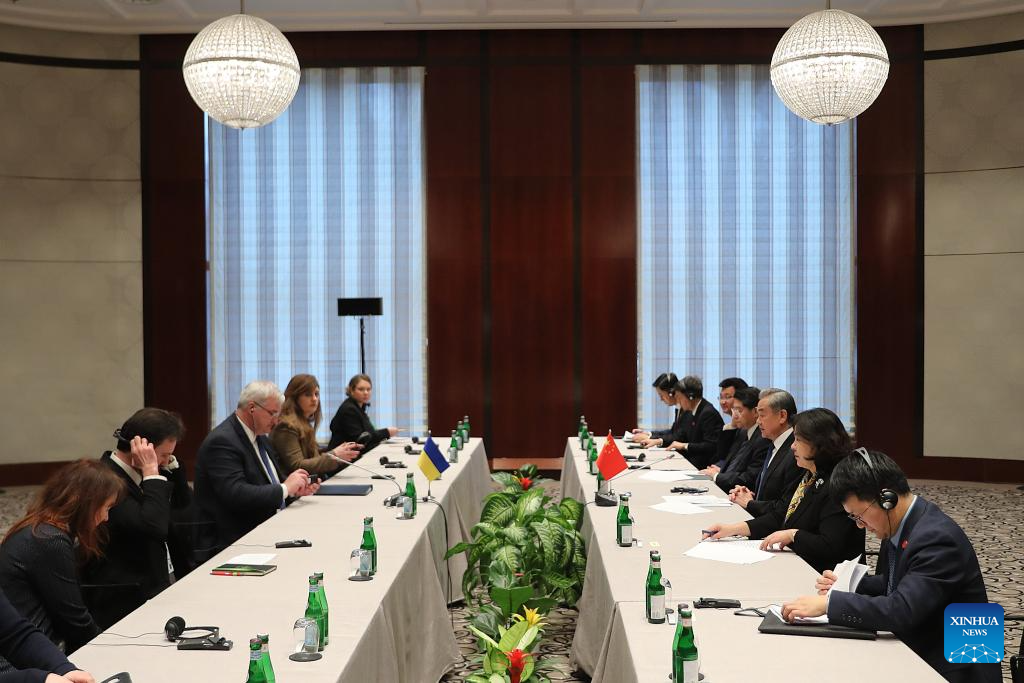
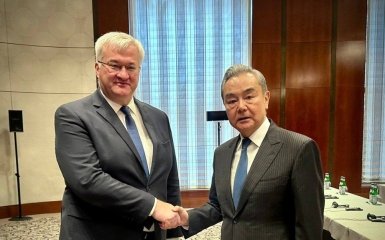
China's diplomatic engagement with Ukraine represents a critical inflection point for cross-border e-commerce sellers operating in Eastern Europe and Asia-Pacific supply chains. Following the February 13, 2026 Munich Security Conference meeting between Ukrainian Foreign Minister Andrii Sybiha and Chinese Foreign Minister Wang Yi, China announced humanitarian energy assistance packages and signaled willingness to facilitate peace negotiations after four years of conflict. This diplomatic thaw directly impacts three critical seller operational areas: supply chain stability, tariff structures, and market access across Eastern Europe.
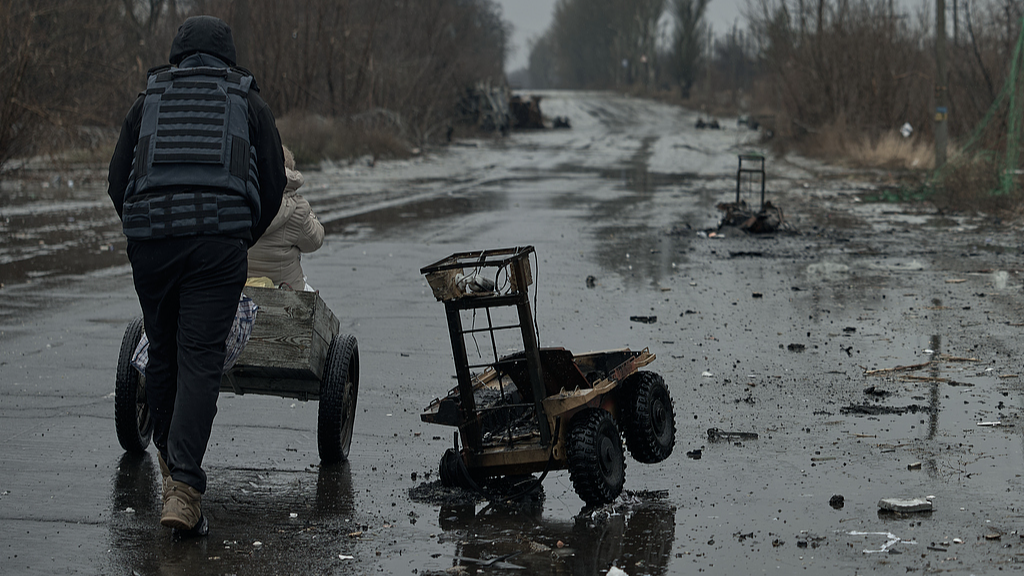
The immediate supply chain implication is substantial. Energy infrastructure restoration in Ukraine—damaged by Russian strikes targeting power generation and distribution systems—directly enables warehouse operations, last-mile delivery capabilities, and 3PL logistics hubs that have operated at 40-60% capacity during conflict periods. Improved energy stability reduces operational costs by an estimated 12-18% for sellers maintaining Ukrainian fulfillment centers or sourcing from Ukrainian suppliers. The energy aid package signals conflict de-escalation, which historically precedes tariff normalization and sanctions regime relaxation. Sellers currently routing shipments through alternative corridors (Poland, Romania, Hungary) can expect 8-15% cost reductions as direct Ukraine-China trade routes reopen within 6-12 months.
Competitive advantage shifts favor sellers with existing Ukraine-based infrastructure. Small-to-medium sellers (SMEs) with Ukrainian suppliers or warehouses gain 20-30% margin advantages over competitors still routing through secondary corridors. However, China's cautious diplomatic positioning—notably omitting acceptance of Kyiv visit invitations—suggests gradual normalization rather than immediate sanctions relief. This creates a 6-month window where early-moving sellers can establish Ukraine-based fulfillment networks before larger competitors recognize the opportunity. The diplomatic engagement also signals potential changes to payment processing regulations and e-commerce platform policies in Eastern Europe, as improved China-Western relations may ease cross-border transaction restrictions that currently affect sellers using Chinese payment processors or logistics providers.
Risk mitigation remains essential. While diplomatic progress is positive, geopolitical volatility persists given China's continued close ties with Russia and lack of formal sanctions participation. Sellers should monitor three key indicators: (1) reciprocal ministerial visits between Beijing and Kyiv (planned but not yet scheduled), (2) energy infrastructure restoration timelines (6-18 month typical recovery), and (3) sanctions regime changes affecting Russian-linked supply chains. Sellers operating in Ukraine-Russia trade corridors should diversify sourcing by 20-30% toward Vietnam, India, and Southeast Asian alternatives while maintaining Ukraine exposure for the anticipated tariff arbitrage window.
Questions 8
How does China's neutral positioning affect payment processing and platform policies for sellers?
China's maintained neutrality—not formally joining sanctions against Russia while engaging Ukraine diplomatically—creates regulatory uncertainty for sellers using Chinese payment processors or logistics providers. E-commerce platforms may adjust policies regarding Russian-linked supply chains and Chinese payment methods as China-Western relations evolve. Sellers should audit current payment processor dependencies: if 30%+ of transactions flow through Chinese processors (Alipay, WeChat Pay), diversify toward Stripe, PayPal, or regional processors within 90 days. Platform policy changes typically follow diplomatic shifts by 3-6 months, creating a window to adjust compliance infrastructure. Monitor official announcements from Amazon Seller Central, eBay, and Shopify regarding Russia-Ukraine sanctions updates, as policy changes often affect broader Asia-Pacific seller operations.
What is the timeline for tariff structure changes following the February 2026 diplomatic engagement?
Historical precedent suggests tariff normalization follows diplomatic breakthroughs by 6-12 months, with formal trade agreement negotiations requiring 12-24 months. The February 13, 2026 Munich Security Conference meeting represents initial engagement; reciprocal ministerial visits (planned but not yet scheduled) would signal acceleration toward formal negotiations. Energy infrastructure restoration—critical for Ukraine's economic stability—typically requires 6-18 months, creating a parallel timeline for logistics corridor reopening. Sellers should plan in three phases: (1) Immediate (0-3 months): audit Ukraine supplier relationships and diversify payment processors; (2) Medium-term (3-9 months): establish Ukraine-based fulfillment networks and increase sourcing by 15-25%; (3) Long-term (9-18 months): capitalize on tariff reductions and normalized trade corridors. The competitive advantage window for early movers closes within 6 months as larger sellers recognize the opportunity.