





Institutional Boundaries and Strategic Transformations in Global Institutions
- Exploring Institutional Adaptation and Structural Tensions in Religious and Military Domains




























)



)



















































Overview
The contemporary landscape of institutional evolution reveals profound tensions between traditional structures and emerging societal expectations, as exemplified by recent developments in the Catholic Church and German military strategy.
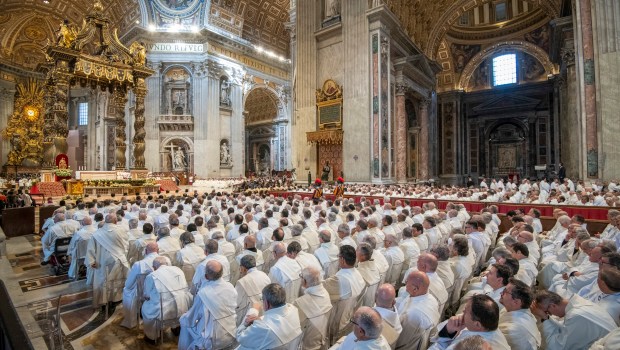
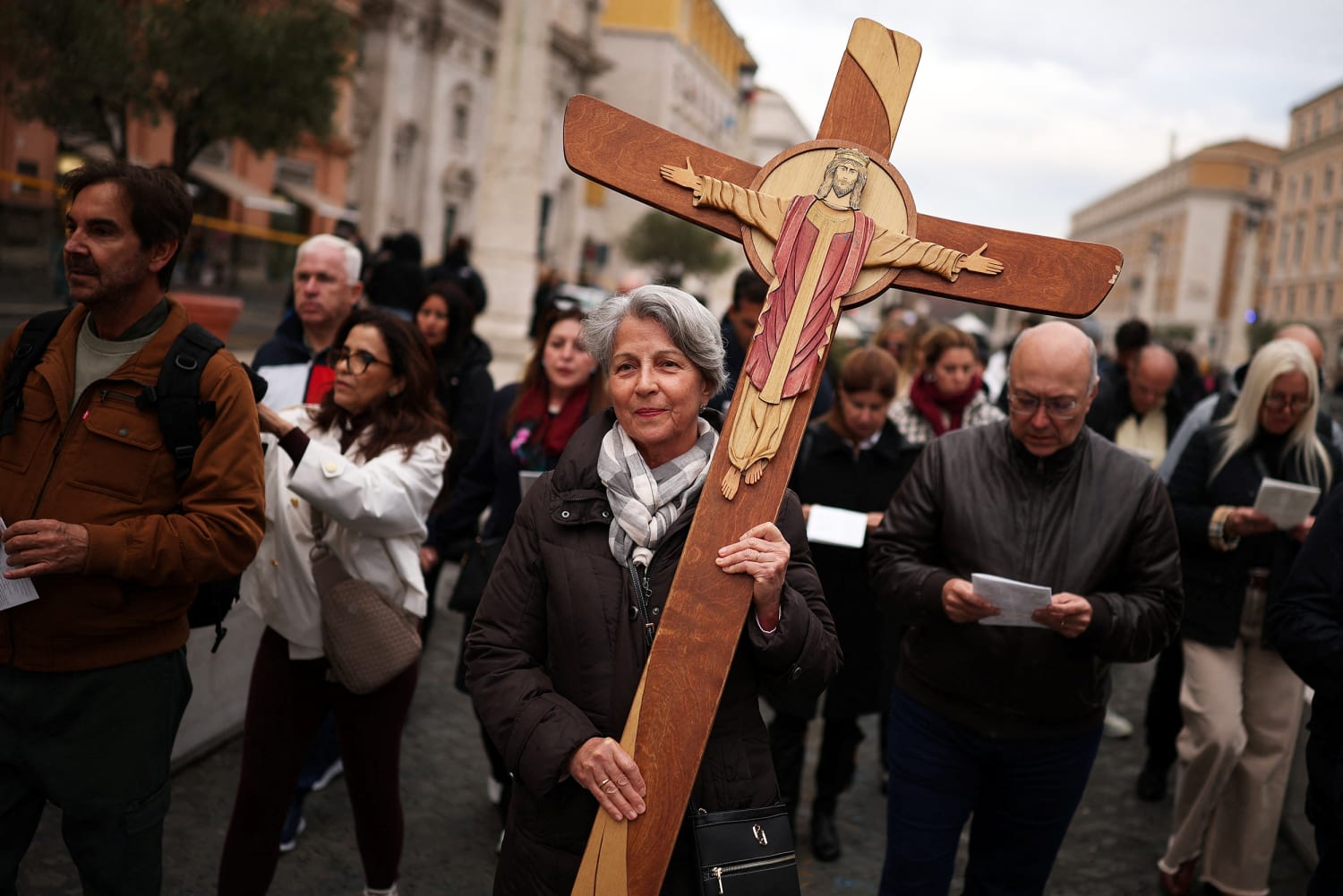
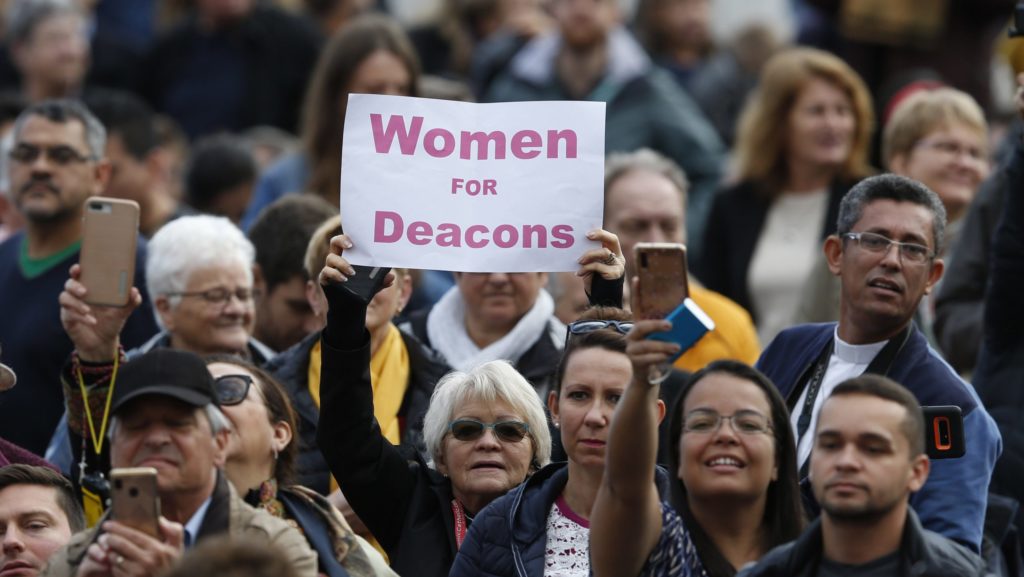
Institutional Boundaries Under Pressure emerge distinctly in two critical domains. The Vatican's Petrocchi Commission deliberations on female diaconate represent a nuanced exploration of gender roles within ecclesiastical hierarchies. While unanimously rejecting women's ordination as deacons, the commission simultaneously acknowledged historical recognition of women's ministerial contributions and recommended establishing new collaborative ministerial frameworks. This signals a complex negotiation between doctrinal preservation and progressive institutional adaptation.
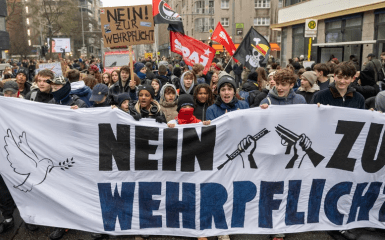
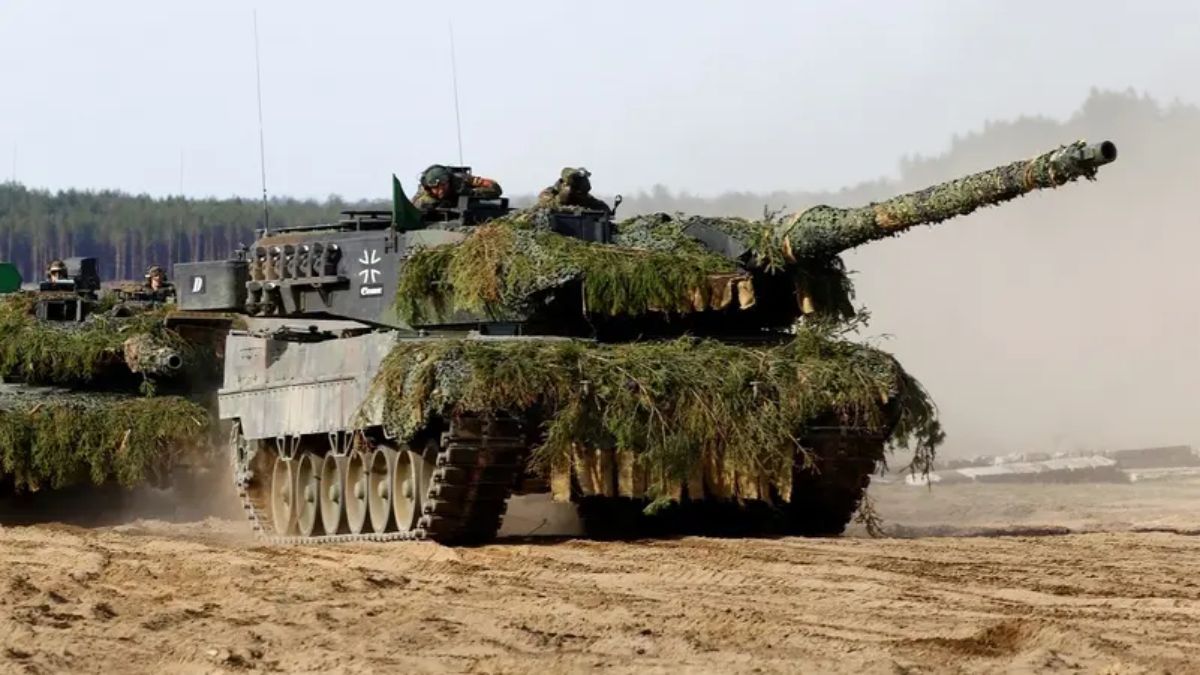
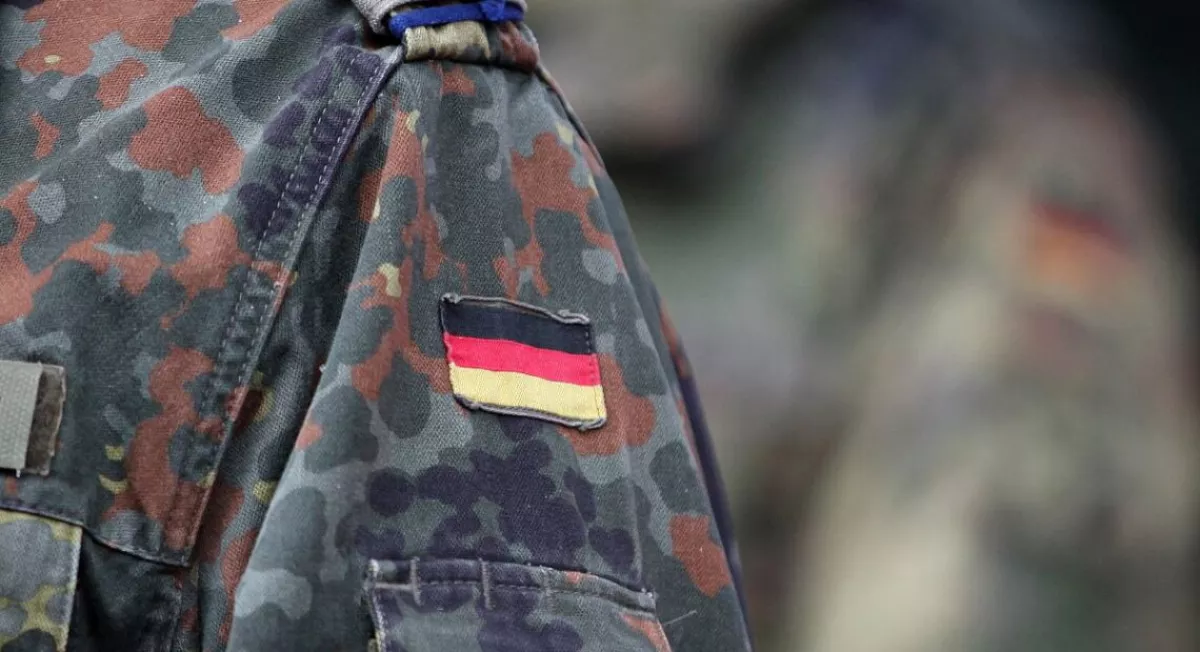
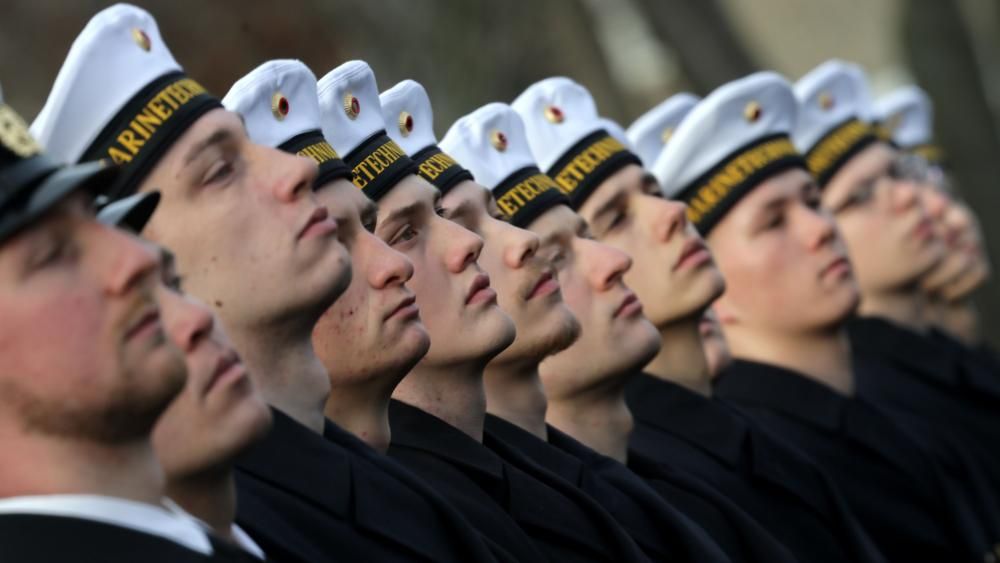
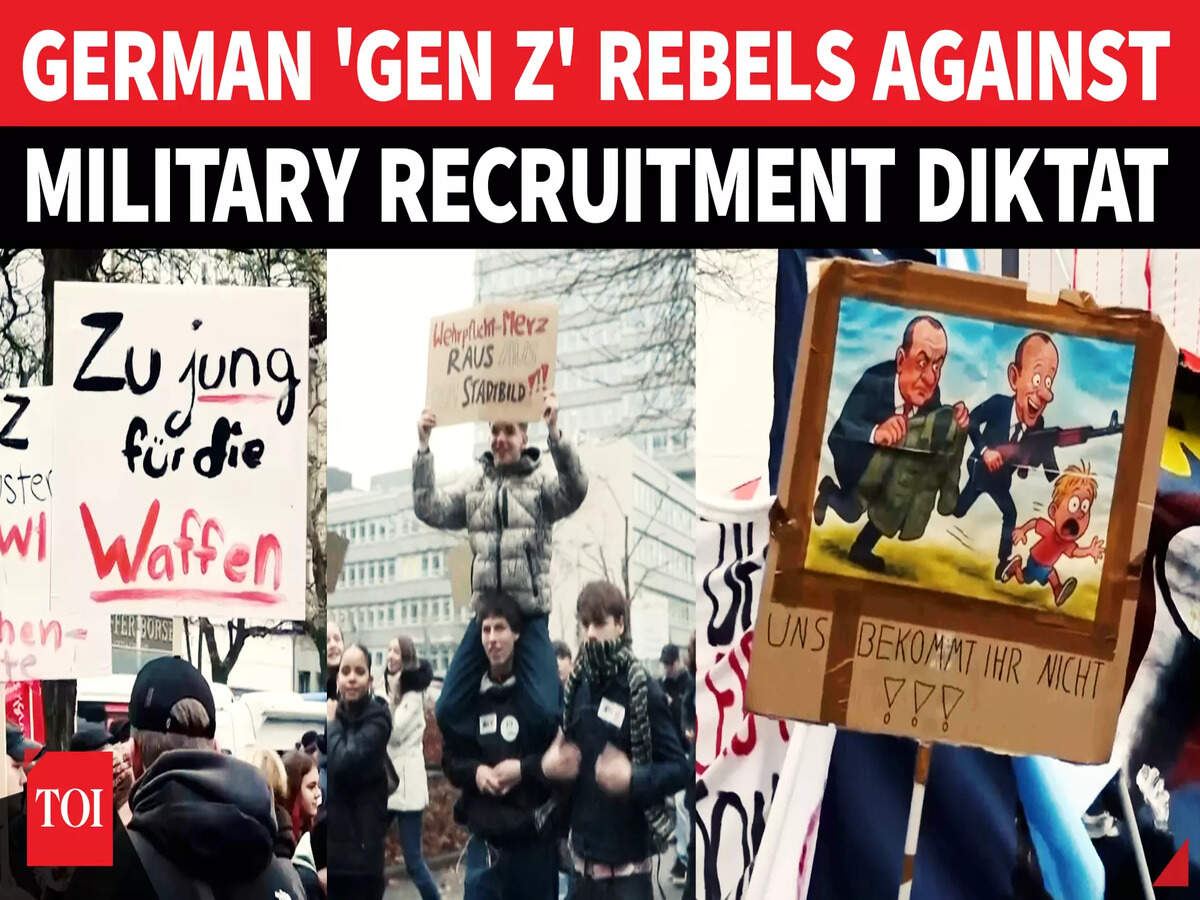
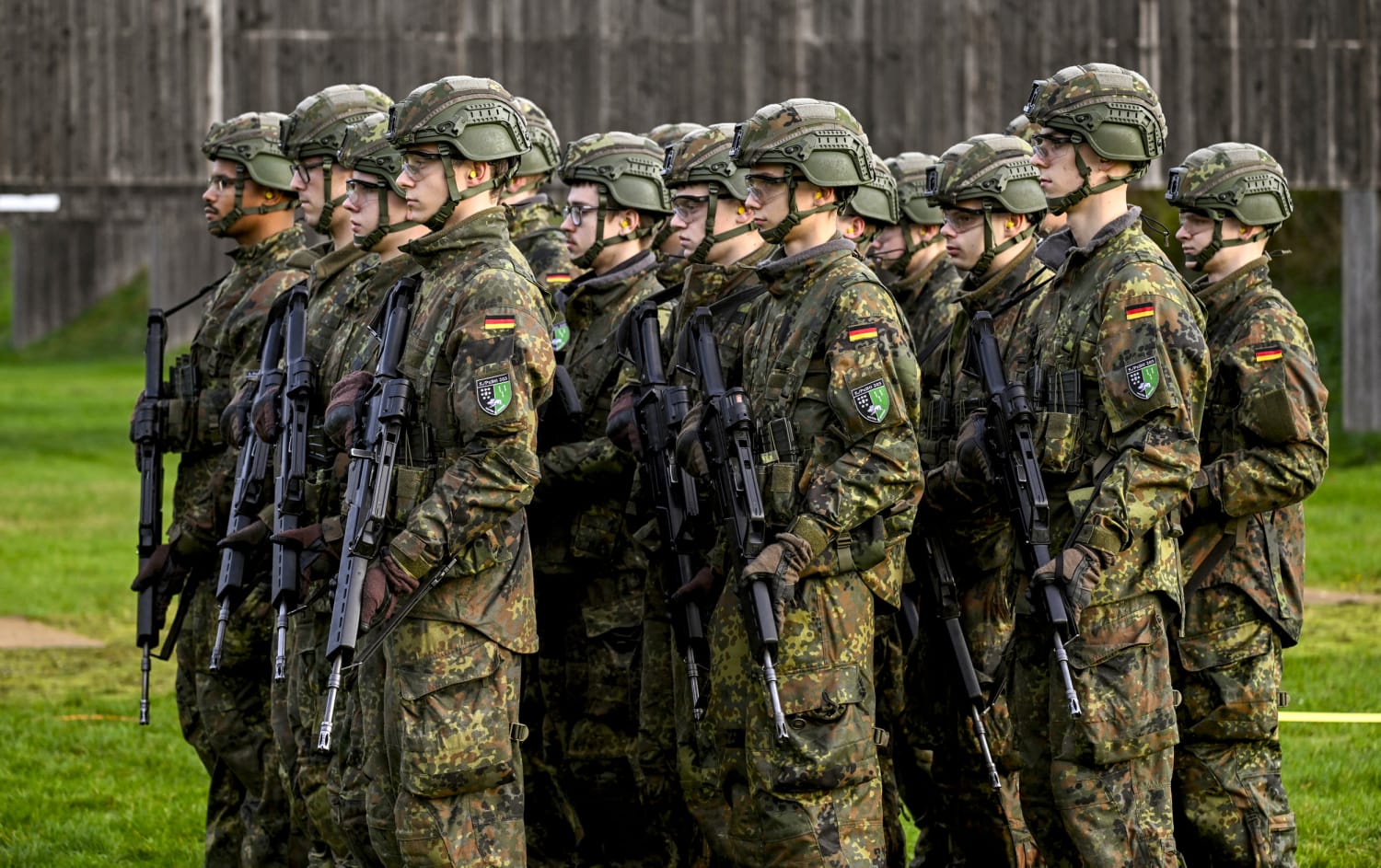
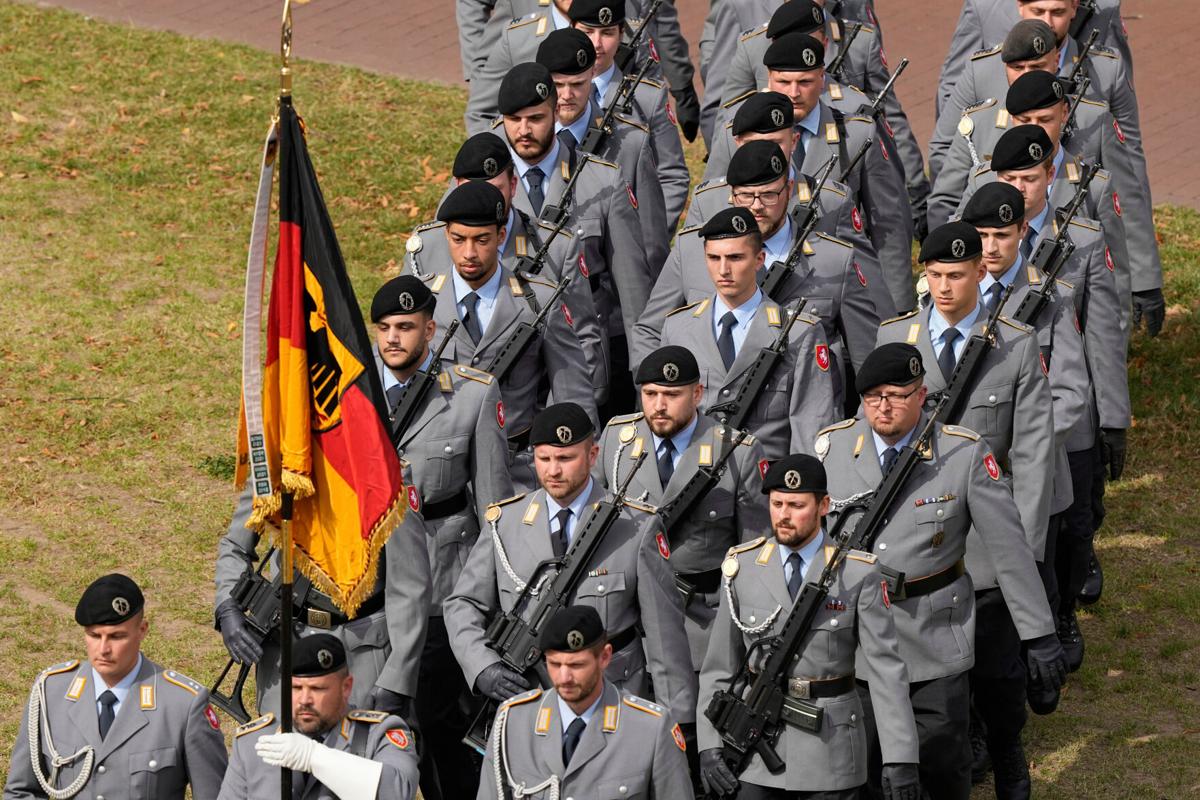
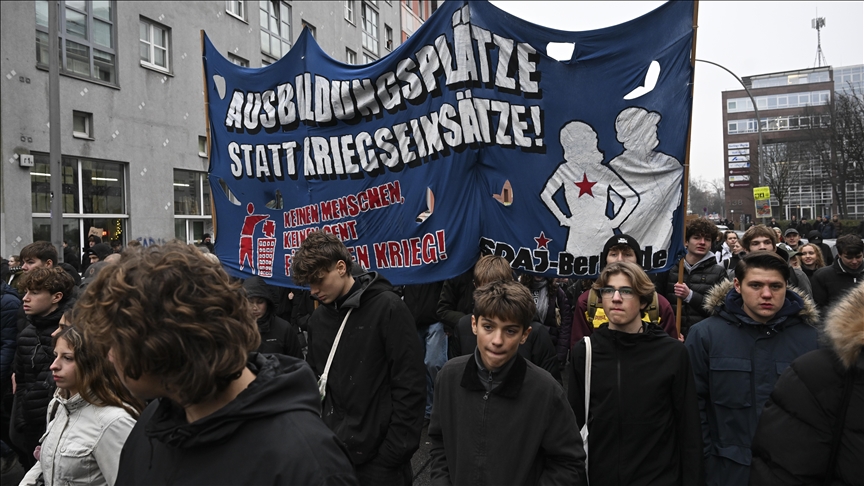
Paralleling this institutional recalibration, Germany's military restructuring demonstrates another profound strategic transformation. Defense Minister Boris Pistorius's ambitious plan to expand the military to 260,000 soldiers by 2035 represents a significant departure from post-World War II military constraints. The proposed legislation, which includes sophisticated recruitment incentives and potential conscription discussions, reflects a geopolitical response to heightened tensions with Russia. This strategic pivot reveals how institutional frameworks must dynamically respond to evolving geopolitical landscapes.
Both narratives underscore a critical contemporary phenomenon: institutional resilience through strategic flexibility. Whether in religious hierarchies or national defense structures, organizations are navigating complex pressures by simultaneously maintaining core identities while creating adaptive mechanisms. The Vatican's nuanced approach to women's ministerial roles and Germany's proactive military expansion both illustrate sophisticated institutional responses to contemporary challenges.
The emerging pattern suggests that successful institutions will be characterized not by rigid adherence to historical models, but by their capacity to create innovative frameworks that balance traditional principles with progressive adaptability. These developments signal a broader trend of institutional transformation driven by complex societal, geopolitical, and cultural dynamics.
Questions 3
How is the Vatican addressing gender roles within its institutional framework?
The Petrocchi Commission's report reveals a nuanced approach, rejecting women's ordination as deacons while simultaneously recommending new ministerial frameworks that enhance women's community service roles. This suggests an incremental strategy of institutional adaptation without fundamentally altering doctrinal structures.
What drives Germany's military expansion strategy?
Germany's military expansion is primarily motivated by geopolitical tensions with Russia, representing a significant shift from its post-World War II military constraints. The plan to increase military personnel to 260,000 by 2035 reflects a proactive response to potential regional security challenges.