

Trump's "Reciprocity" Demand Reshapes Trans-Atlantic Trade | Sellers Face Tariff Uncertainty
- Secretary Rubio signals stricter trade enforcement on February 14, 2026; EU sellers face potential tariff increases; "borderless commerce" model under pressure from Trump administration











Overview
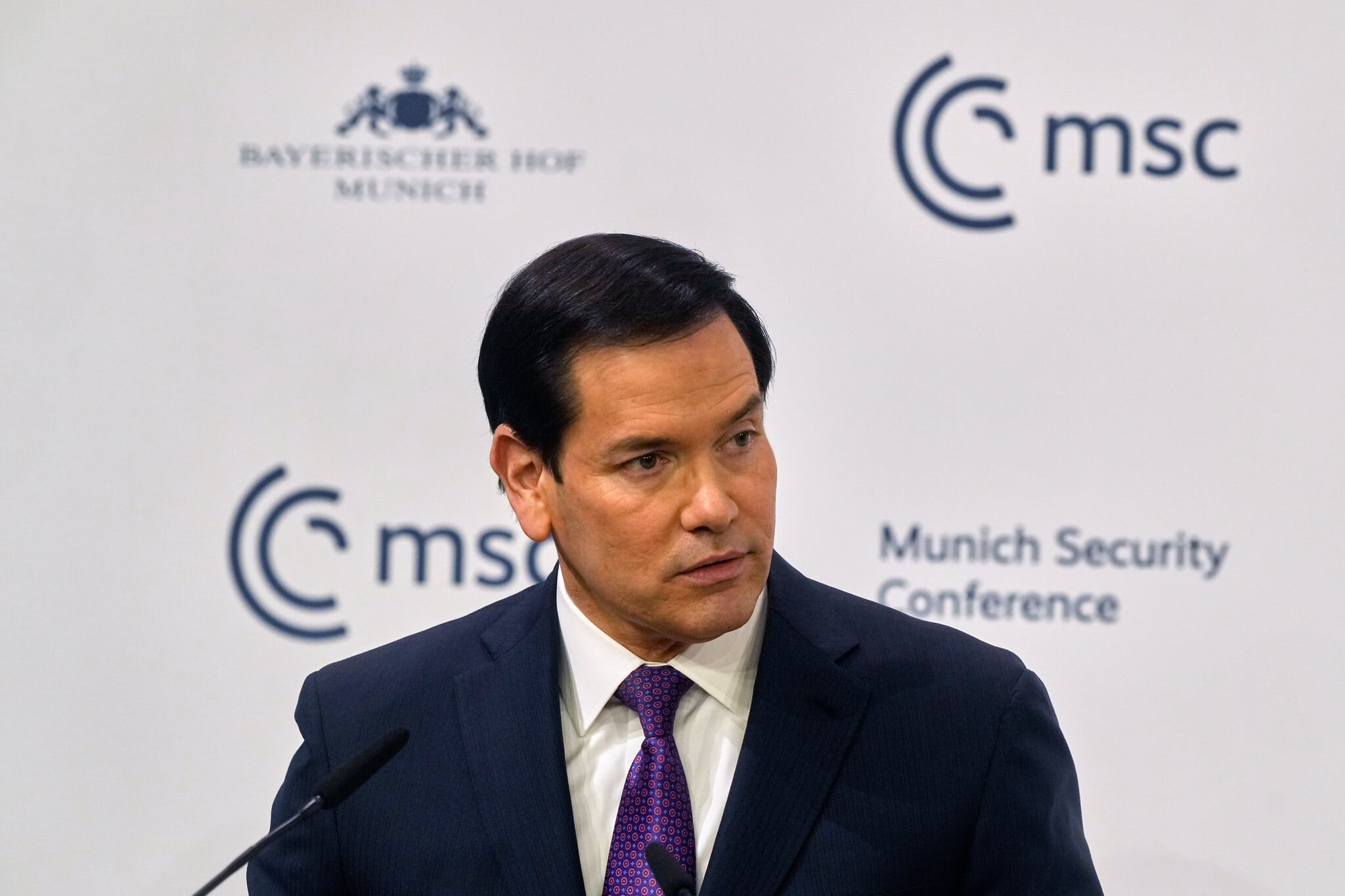
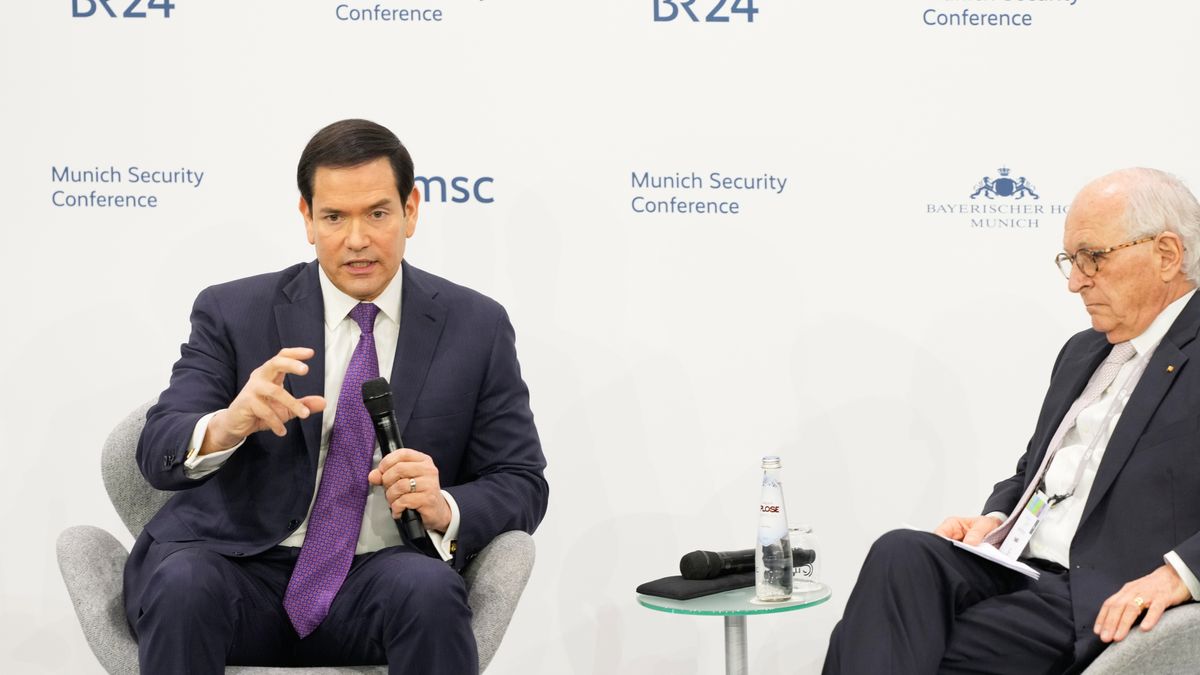
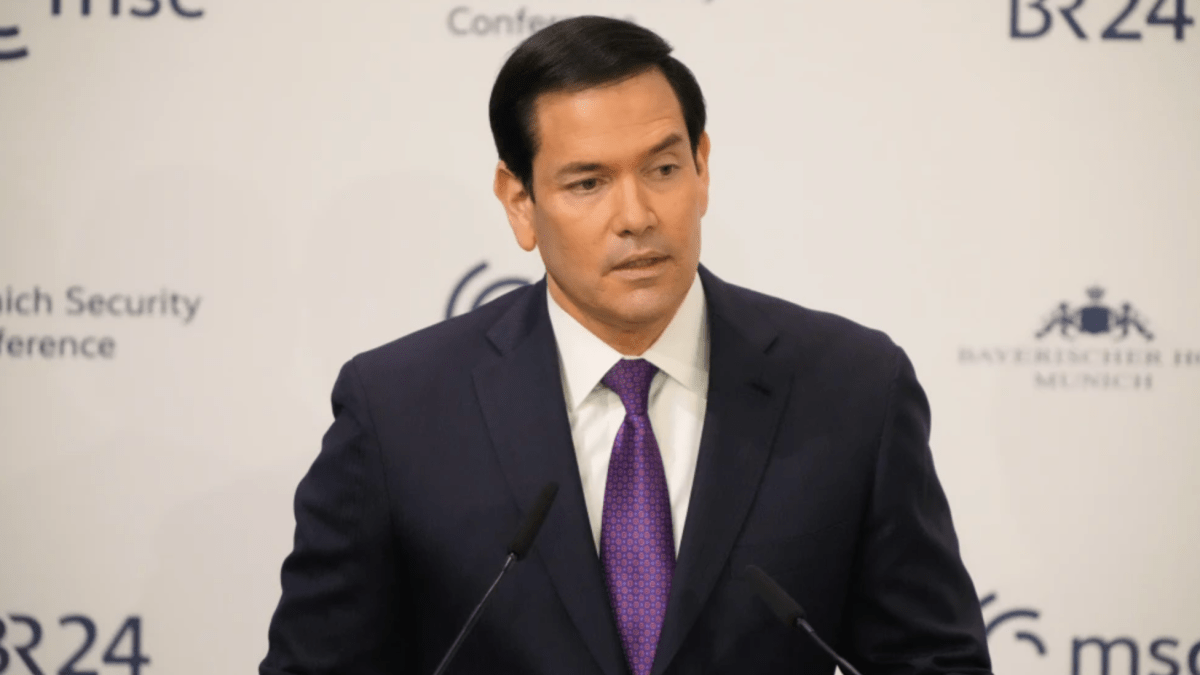
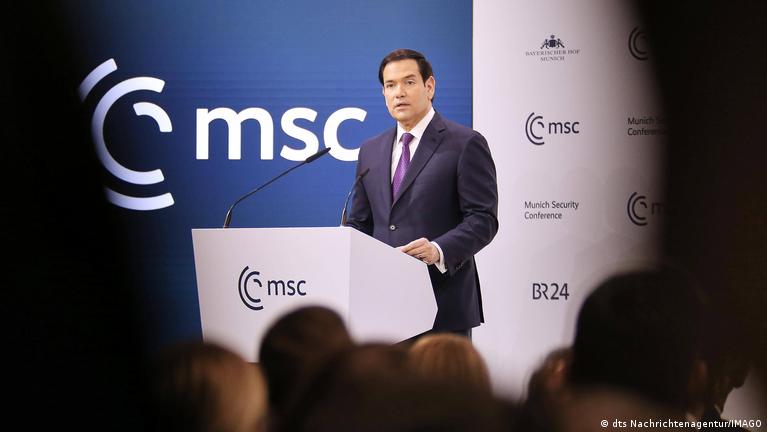
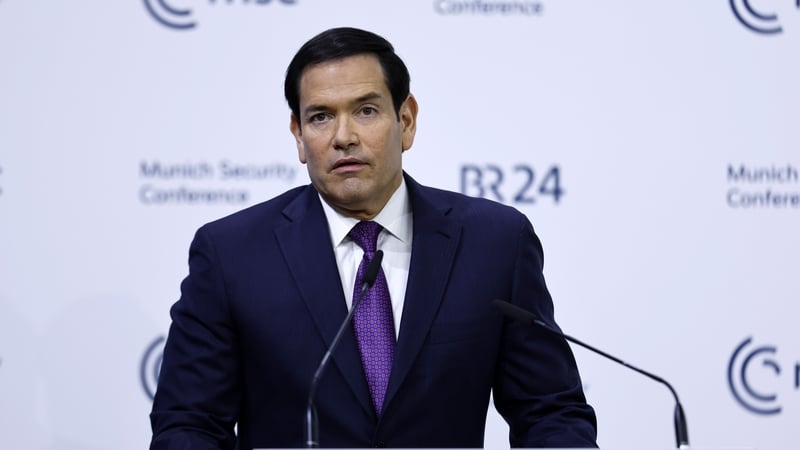
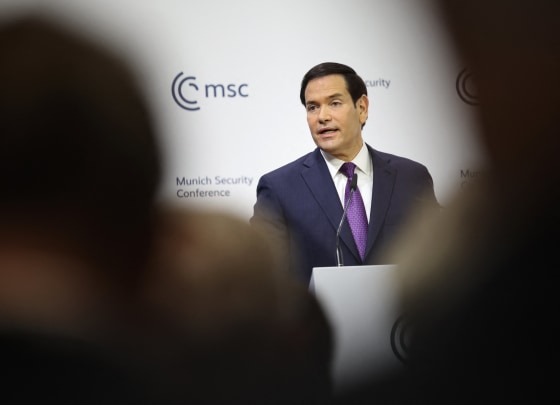
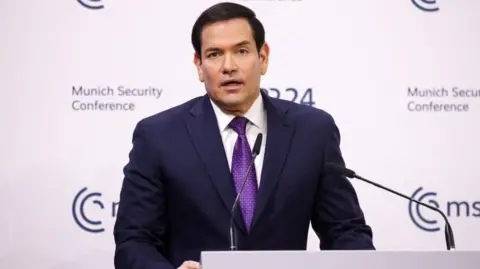
The Munich Security Conference on February 14, 2026, delivered a critical inflection point for cross-border e-commerce sellers operating in the US-EU trade corridor. Secretary of State Marco Rubio's address, while diplomatically softer than prior rhetoric, explicitly rejected "post-Cold War assumptions about liberal democracy and borderless commerce"—a direct signal that the Trump administration intends to fundamentally restructure transatlantic trade relationships through stricter reciprocity demands.
Immediate Tariff Arbitrage Implications: Rubio's emphasis on "seriousness and reciprocity" from European partners signals incoming tariff negotiations that will likely increase duties on EU-origin products entering the US market. For sellers currently sourcing from Germany, Italy, and other EU manufacturing hubs, this creates a 6-12 month window before new tariff schedules take effect. Categories most vulnerable include: machinery/electrical equipment (HS 84-85, currently 2-5% tariffs), apparel (HS 61-62, currently 12-16%), and consumer electronics (HS 85, currently 0-8%). Sellers should immediately audit their HS codes and tariff classifications—a 5-15% tariff increase would compress margins by $50-200 per unit depending on category.
Strategic Sourcing Shifts: The conference's emphasis on "unprecedented wave of mass migration" and climate policy rejection suggests the administration will pursue protectionist policies favoring domestic US manufacturing and potentially allied nations outside the EU. Sellers should evaluate sourcing diversification toward Vietnam, India, and Mexico—countries with lower tariff exposure under existing trade agreements. Vietnam-origin apparel currently faces 16-20% tariffs but benefits from CPTPP preferential rates; India electronics face similar dynamics under potential trade agreements. This represents a 6-18 month window to restructure supply chains before tariff changes crystallize.
Market Access Compression: German Chancellor Merz's opening statement about freedom "no longer being a given" and the cautious European response indicate EU leaders are preparing defensive trade measures. Expect potential EU retaliatory tariffs on US agricultural products, spirits, and technology—which will increase input costs for sellers sourcing US components for EU-destined products. The technical talks on Greenland Arctic security suggest the administration is also pursuing resource access strategies that could affect shipping routes and logistics costs for transatlantic commerce.
Compliance and Regulatory Uncertainty: The divergence between Rubio's softer diplomatic tone and the underlying policy firmness creates compliance ambiguity. Sellers should prepare for: (1) tariff rate changes effective Q3-Q4 2026, (2) potential new rules of origin requirements, (3) increased customs documentation scrutiny, and (4) possible restrictions on EU-origin components in products claiming US origin. The 6-month window before policy crystallization is critical for supply chain repositioning.
Questions 8
What compliance risks should sellers prepare for regarding customs documentation?
Rubio's emphasis on 'seriousness and reciprocity' signals increased customs scrutiny on EU-origin products entering the US. Expect stricter enforcement of rules of origin, HS code classification, and country-of-origin labeling. Sellers should prepare for: (1) Increased customs audits and potential penalties ($500-5,000 per shipment for misclassification), (2) New documentation requirements for EU components, (3) Possible restrictions on products claiming US origin if they contain EU components above threshold levels. Review your product documentation now—ensure HS codes are accurate, country-of-origin is clearly stated, and rules of origin compliance is documented. Misclassification penalties could reach $50,000+ annually for high-volume sellers. Consider hiring customs brokers to audit your compliance posture by March 2026.
When should sellers lock in pricing with EU suppliers to avoid tariff exposure?
The critical window is February-May 2026 (immediately after Rubio's speech). Tariff negotiations typically take 6-12 months to finalize, with implementation following 30-90 days after announcement. Sellers should negotiate long-term supply agreements (12-24 months) with EU suppliers NOW to lock in pre-tariff pricing before negotiations conclude. Typical tariff increases of 5-15% translate to $50-200 per unit cost increases—locking in current pricing protects margins. Request supplier commitments by April 2026 for Q3-Q4 2026 delivery. If suppliers refuse, accelerate sourcing diversification to Vietnam/Mexico. This is a time-sensitive arbitrage opportunity—sellers who lock in pricing gain 6-12 months of margin protection versus competitors.