




Reputational Crisis Forces $4B+ Talent Agency Sale | Seller Risk Management Lessons for 2026
- Entertainment industry upheaval reveals vulnerability of relationship-based business models; 4,000+ employees affected; high-profile client exodus signals broader accountability pressures in creator economy



















Overview
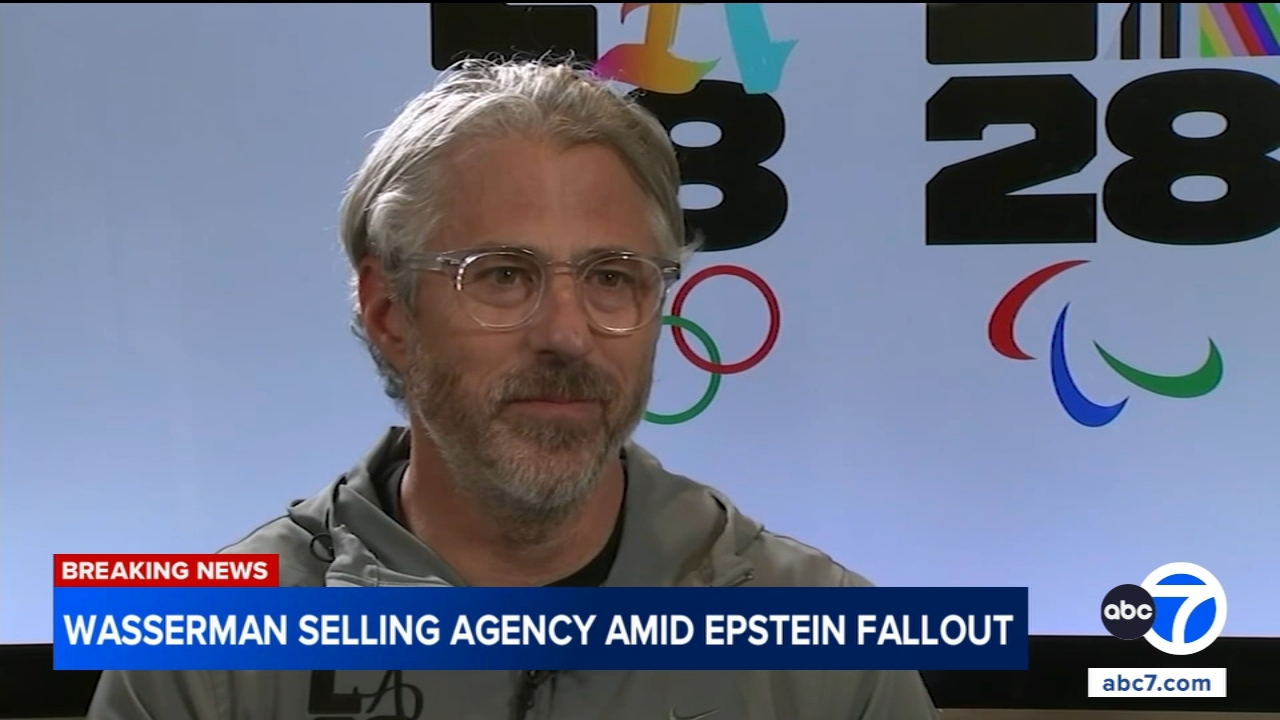
The forced sale of Wasserman Media Group—a powerhouse talent and sports marketing agency managing thousands of high-profile clients including Coldplay, Ed Sheeran, Kendrick Lamar, and Olympic athletes—represents a critical case study in how reputational crises cascade through relationship-dependent business models. Following the January 2026 release of the Epstein files by the US Justice Department, Casey Wasserman (51, agency founder since 2002) announced via internal memo on February 13-14, 2026, that he would divest from the company after facing mounting pressure over historical email exchanges with Ghislaine Maxwell dating back 20+ years. Despite no criminal charges filed against Wasserman and his consistent denials of personal or business relationships with Jeffrey Epstein, the revelations triggered immediate client departures—Grammy winner Chappell Roan exited via Instagram story on February 9, citing moral values misalignment, while artists including Orville Peck and Weyes Blood followed suit. Industry observers note this reflects broader accountability pressures where artists increasingly demand representation alignment with personal ethical standards.
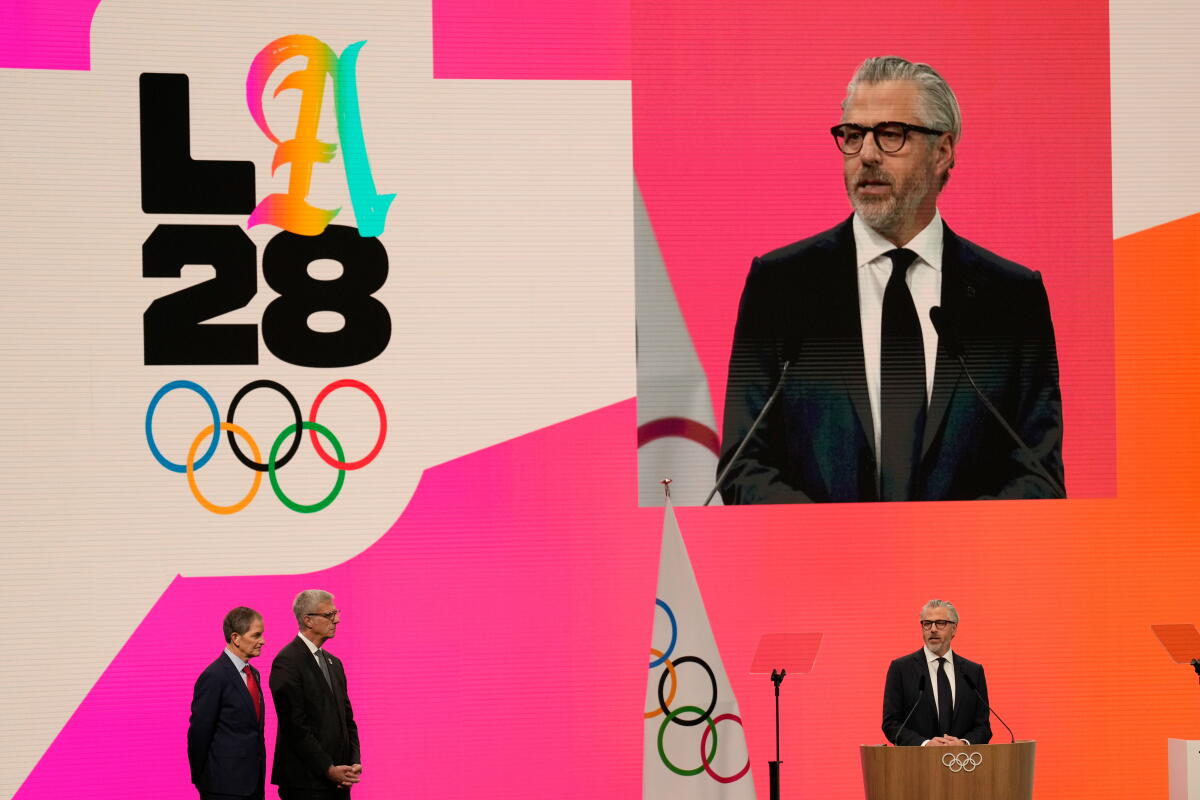
The operational impact demonstrates how peripheral associations create material business consequences. The agency's 4,000 employees and thousands of client relationships faced immediate disruption as high-profile talent departed, forcing investors to push for the sale. Wasserman's statement—"I've become a distraction to the firm's operations"—reflects the vulnerability of talent representation models where personal trust forms the foundation of client relationships. The Friday evening announcement timing suggests strategic media management, yet failed to prevent cascading client losses. The LA28 Olympic organizing committee retained Wasserman as chairman after conducting a review, determining his relationships with Maxwell and Epstein "did not extend beyond previously documented public information," yet this institutional support proved insufficient to stem client exodus.
For cross-border sellers and e-commerce operators, this case illuminates critical risk management principles applicable to brand partnerships, influencer collaborations, and creator economy investments. The Wasserman situation demonstrates that indirect associations—even those predating criminal conduct becoming public—can trigger immediate valuation compression and stakeholder confidence collapse. Sellers relying on celebrity endorsements, influencer partnerships, or talent-based marketing must implement rigorous due diligence protocols and contractual exit clauses. The 2026 Epstein files release, combined with social media's amplification of moral accountability demands, signals that consumer expectations around brand-partner alignment have fundamentally shifted. Sellers in entertainment merchandise, sports collectibles, and creator-adjacent categories face heightened reputational risk when partners face public scrutiny. The sale process will likely attract private equity and competing talent agencies seeking to acquire established client rosters at distressed valuations—a pattern that historically creates 20-40% valuation haircuts for forced asset sales in reputation-sensitive industries.
Questions 8
What seller actions should be taken immediately following this announcement?
Sellers with entertainment partnerships should conduct immediate due diligence on all talent and endorsement relationships: (1) Review all contracts for change-of-control provisions and morals clauses, (2) Identify any partnerships with Wasserman-managed clients and assess transition risk, (3) Monitor social media for partner controversies and implement 24-hour response protocols, (4) Diversify entertainment partnerships across minimum 3-5 agencies to reduce concentration risk, (5) Establish contingency marketing budgets (10-15% of endorsement spend) for rapid pivot strategies. The Wasserman case shows that reputational crises spread within 24-48 hours via social media, requiring sellers to maintain pre-approved alternative marketing campaigns. Sellers should also review insurance coverage for endorsement partnerships, as many policies now include reputational risk provisions. Timeline: Complete contract reviews by March 15, 2026; implement monitoring systems by April 1, 2026; establish contingency budgets by April 30, 2026.
How does this case apply to cross-border seller partnerships with entertainment brands?
The Wasserman situation demonstrates that entertainment industry consolidation and leadership crises can disrupt cross-border supply chains and licensing agreements. The agency's sale process will likely attract private equity firms seeking to acquire client rosters at distressed valuations—a pattern that historically creates operational uncertainty for 12-24 months. Sellers with licensing agreements, distribution rights, or partnership arrangements with Wasserman-managed clients should review contract terms for change-of-control provisions. The case shows that reputational crises in talent representation can trigger rapid client departures (Chappell Roan exited within 5 days of revelations), potentially affecting merchandise licensing timelines. Sellers should maintain contingency inventory strategies and diversify entertainment partnerships across multiple agencies to reduce concentration risk. The 2026 Epstein files release demonstrates that historical document disclosures can create sudden industry disruptions, requiring sellers to monitor regulatory and legal developments affecting partner organizations.