


Ukraine Peace Negotiations Reach Critical Exhaustion Point
- Geopolitical Stalemate Signals Potential Diplomatic Recalibration in 2026





Overview
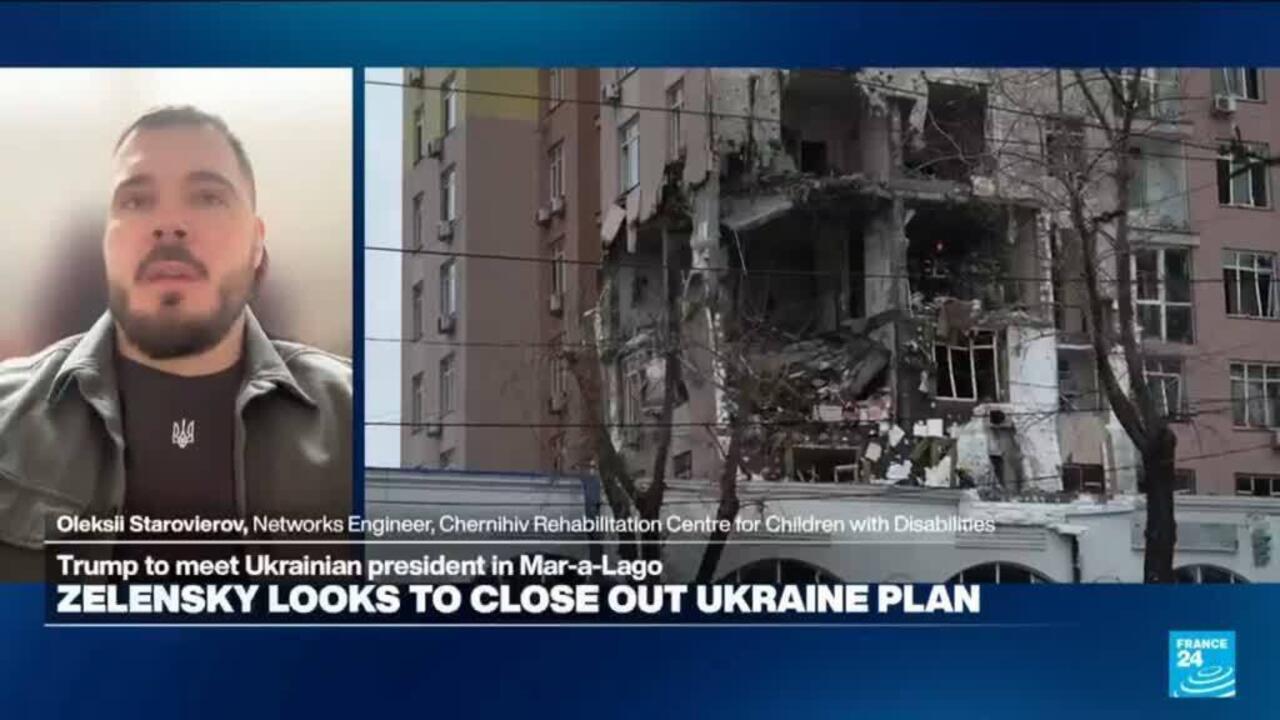
The Ukraine-Russia conflict is approaching a pivotal moment of strategic exhaustion, where diplomatic maneuvering and military realities are converging to potentially reshape the geopolitical landscape. With Russia currently occupying 19.2% of Ukrainian territory, the conflict has transformed from an aggressive invasion to a complex negotiation challenge that threatens to drain both nations' economic and military capacities.
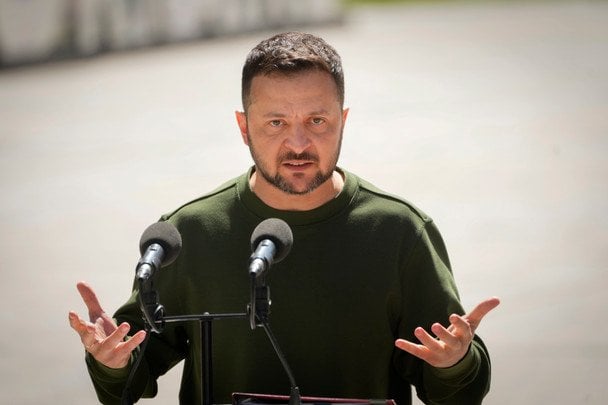
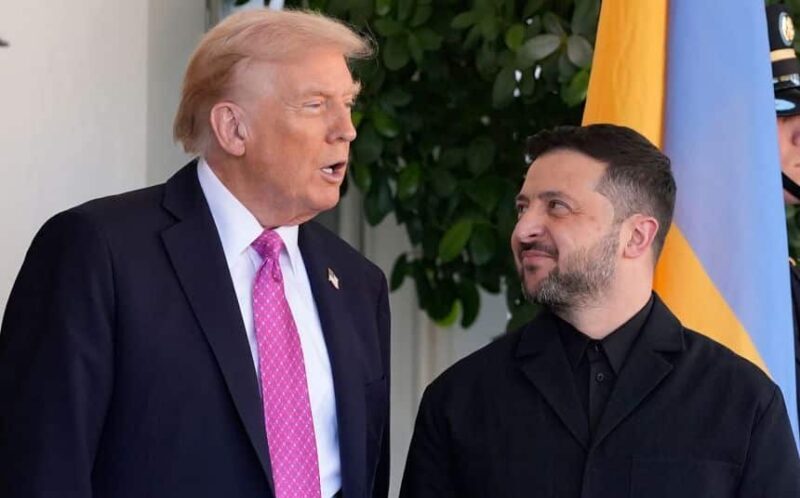
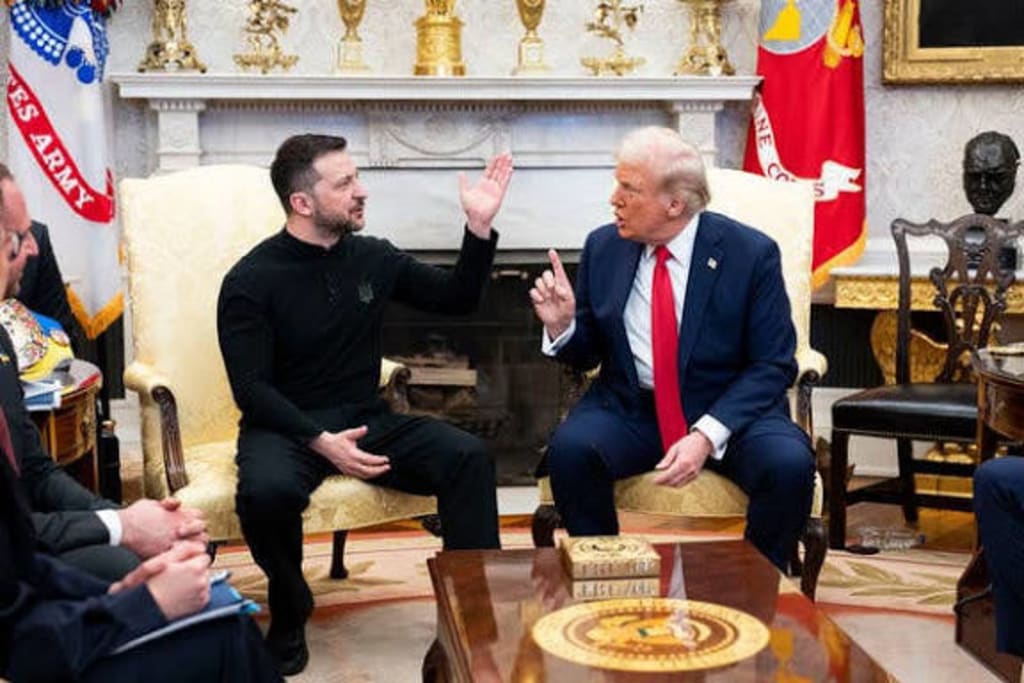
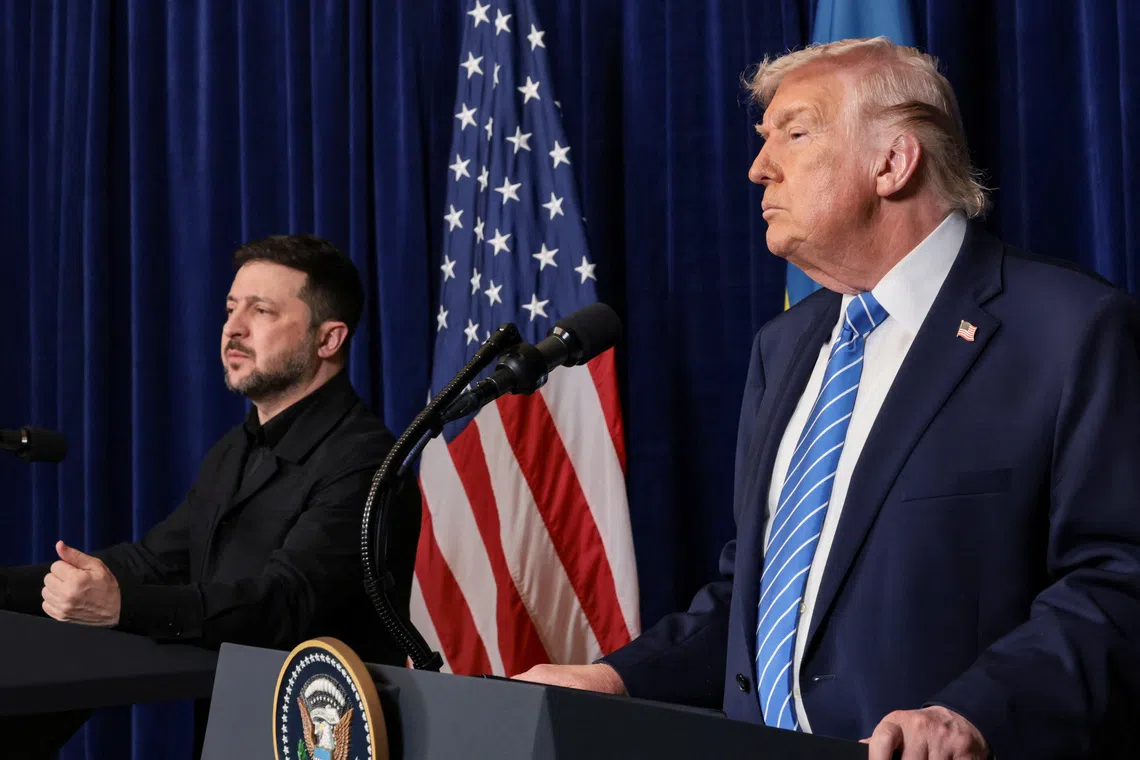
Diplomatic efforts led by U.S. President Donald Trump and Ukrainian President Volodymyr Zelenskiy reveal a nuanced negotiation landscape. Ukraine's proposed 15-20 year security guarantee framework represents a sophisticated approach to long-term stability, seeking robust protections similar to NATO's Article 5. The European Union's substantial €90 billion financial commitment underscores the international community's continued engagement, while simultaneously highlighting the conflict's economic dimensions.
Both sides are experiencing critical operational pressures. Ukraine faces significant recruitment challenges, with over 160,000 criminal cases related to military service desertion, indicating declining public morale and military capacity. Simultaneously, Russia's economic strain becomes increasingly apparent, with war production masking an underlying economic recession. Monthly volunteer recruitment has dramatically dropped from 30,000 to potentially unsustainable levels, suggesting a fundamental shift in the conflict's dynamics.
The most compelling insight emerges not from potential military breakthrough, but from mutual exhaustion. Western support is showing signs of fatigue, with inconsistent diplomatic approaches and reduced direct involvement. The United States, particularly under potential future leadership, demonstrates unpredictable engagement that could fundamentally alter negotiation strategies.
International legal principles add another layer of complexity. The conflict is not merely about territorial control, but about maintaining global legal norms. Any peace resolution must navigate intricate challenges of accountability, rejecting unlawful territorial annexations while preventing the normalization of aggressive expansion.
Strategic implications are profound: this conflict represents more than a regional dispute, but a potential inflection point in global geopolitical interactions. Multinational corporations and investors must recalibrate risk assessments, anticipating potential shifts in Eastern European market dynamics and international trade configurations.
Questions 4
What might ultimately end the Ukraine-Russia conflict?
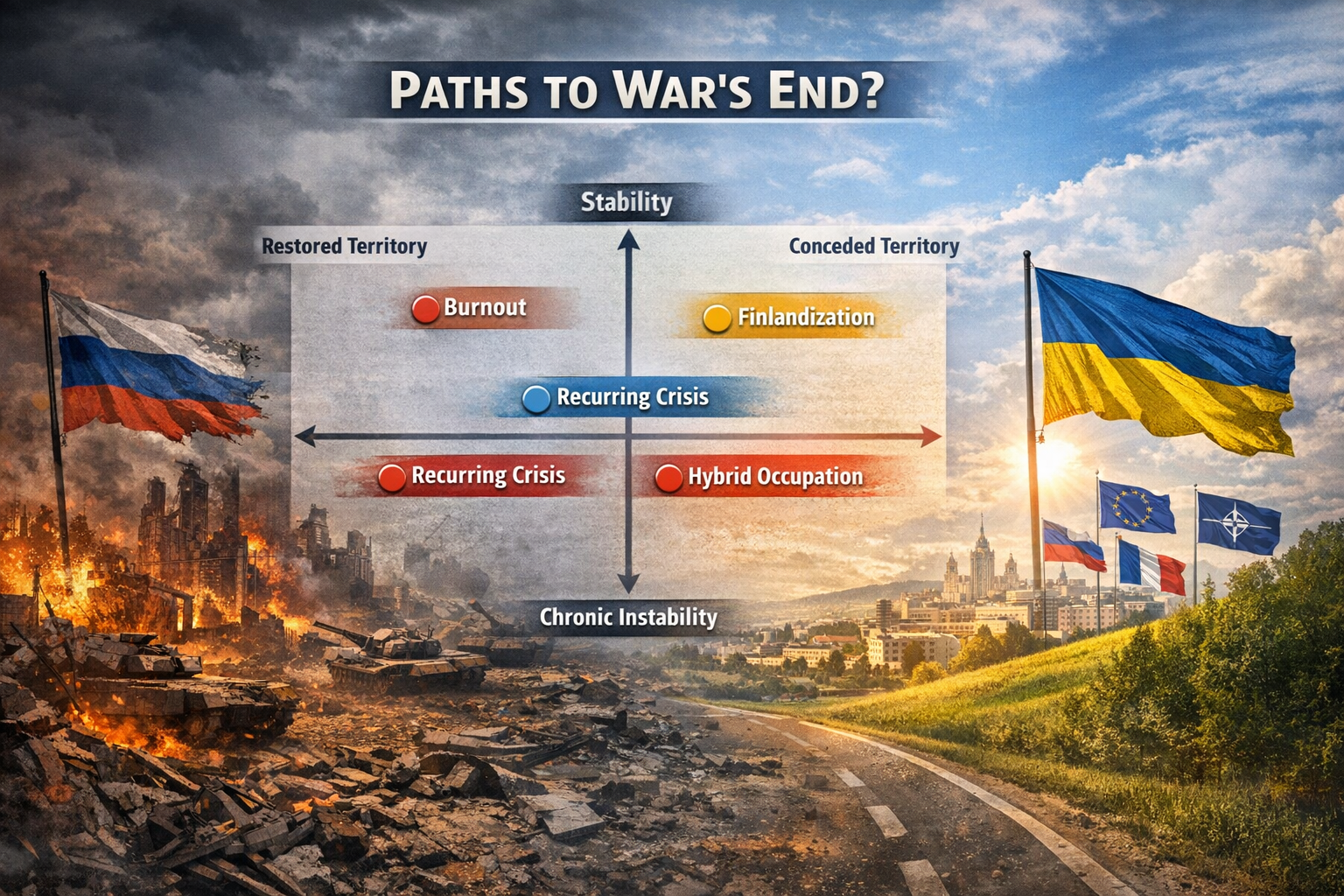
Current indicators suggest 'exhaustion' could be the most likely resolution mechanism. Declining military recruitment, economic strain, and inconsistent international support are creating conditions where both sides might be compelled to seek a negotiated settlement.
What role is the international community playing in the conflict?
The European Union has committed €90 billion to support Ukraine, demonstrating continued financial backing. International legal perspectives emphasize maintaining global norms, with a focus on rejecting unlawful territorial annexations and ensuring accountability for potential war crimes.