



Geopolitical Chess: Trump and Netanyahu's Strategic Realignment in Middle East Diplomacy
- Diplomatic Recalibration Signals Potential Shift in Regional Power Dynamics for International Traders












Overview
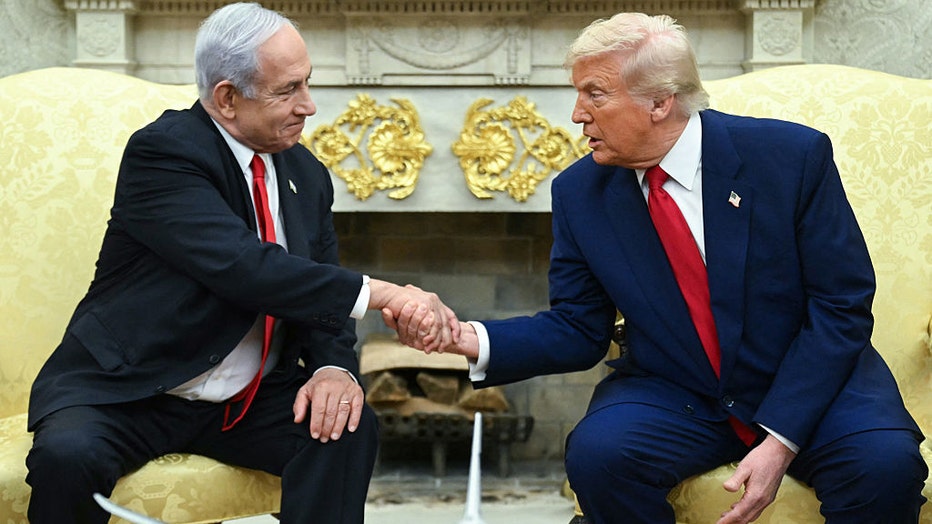
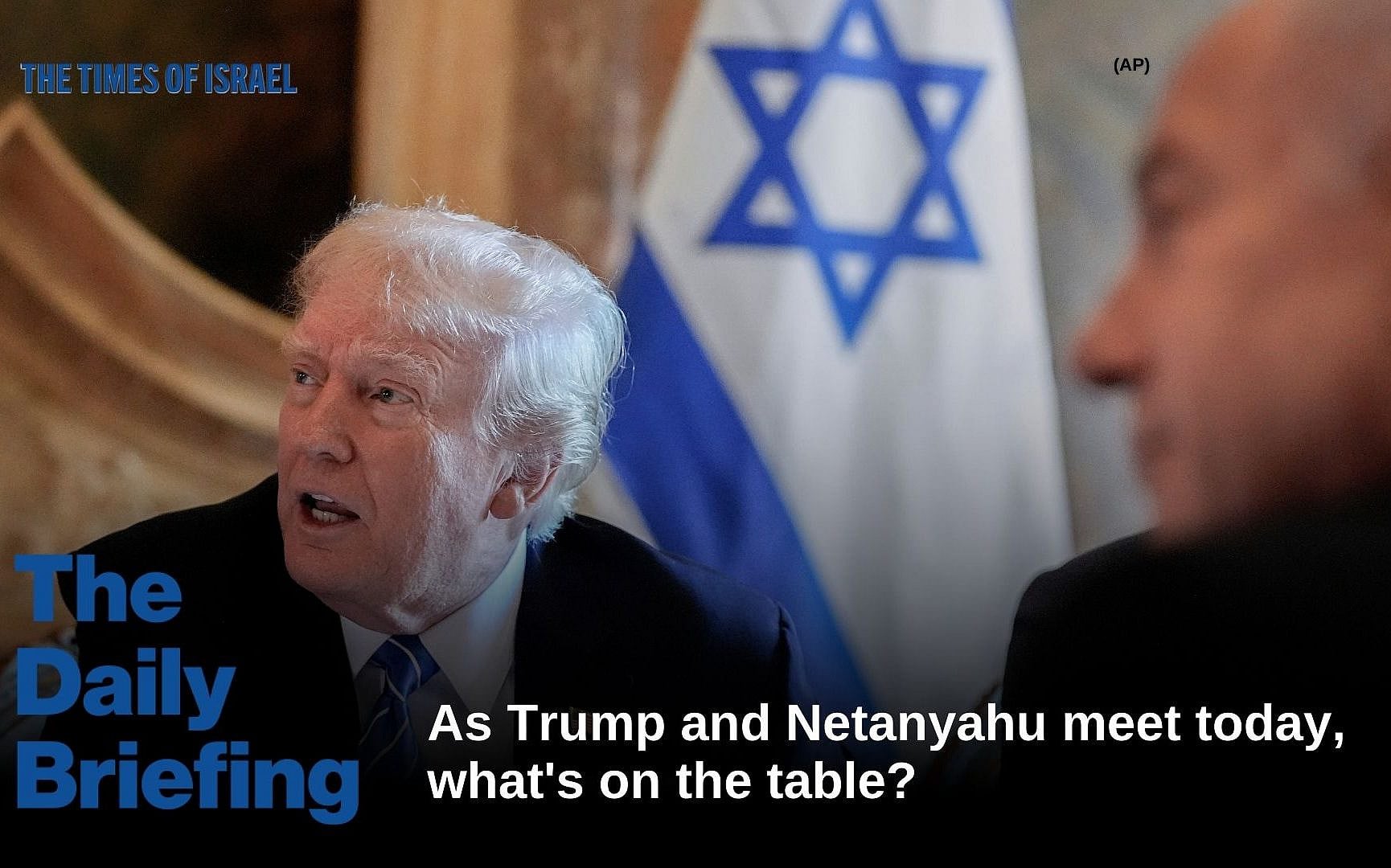
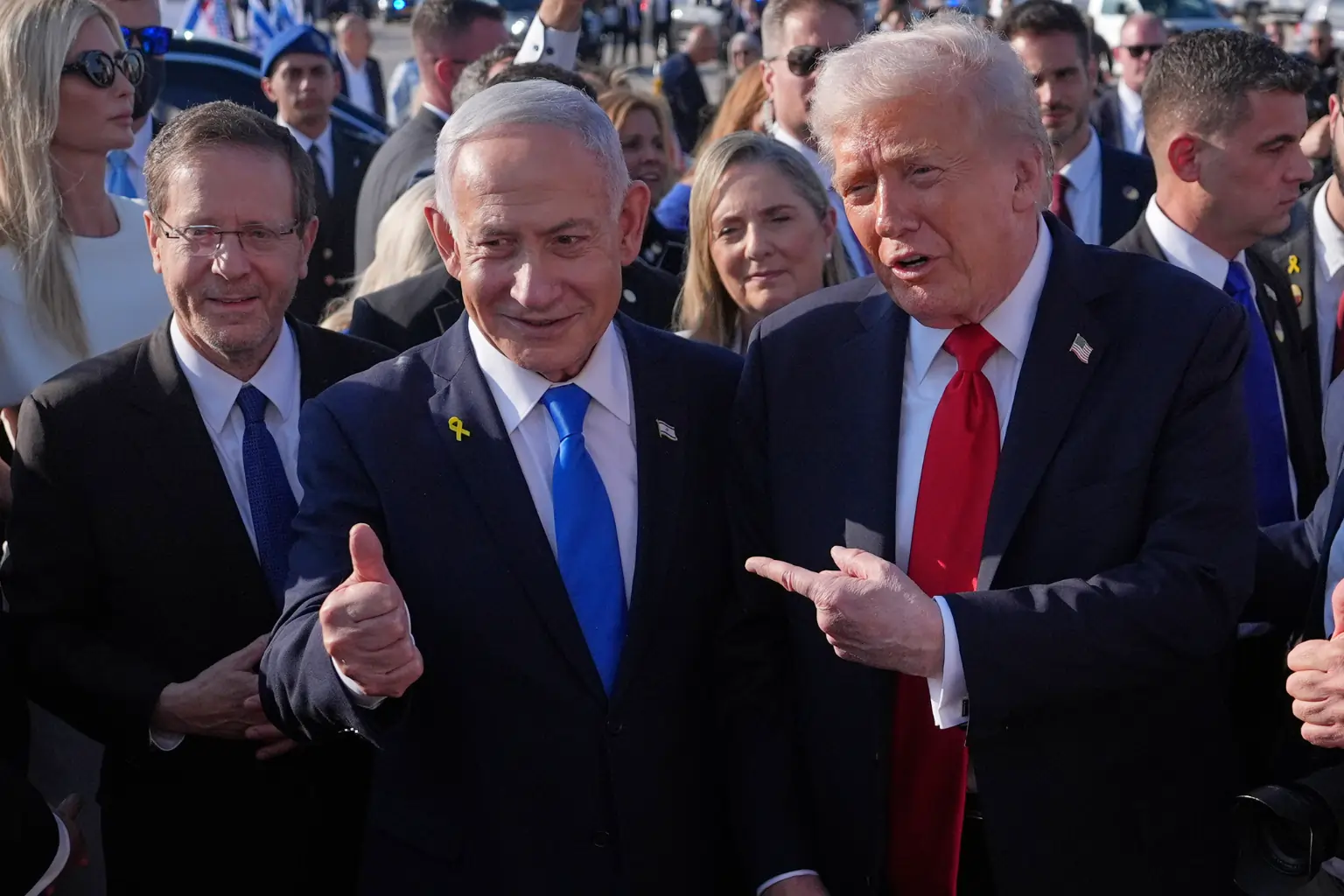
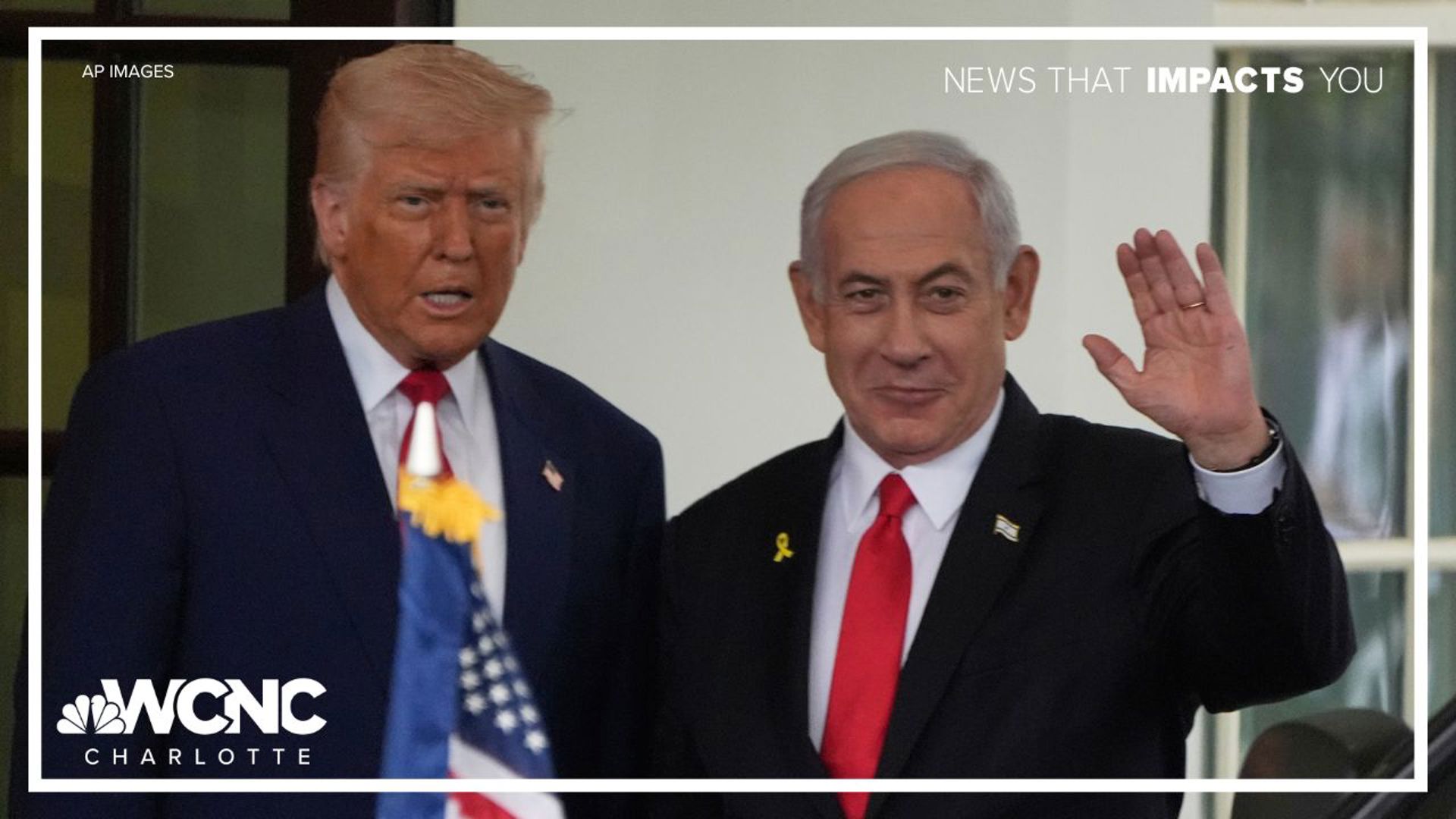
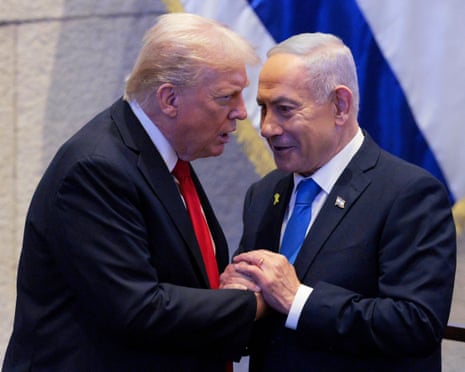
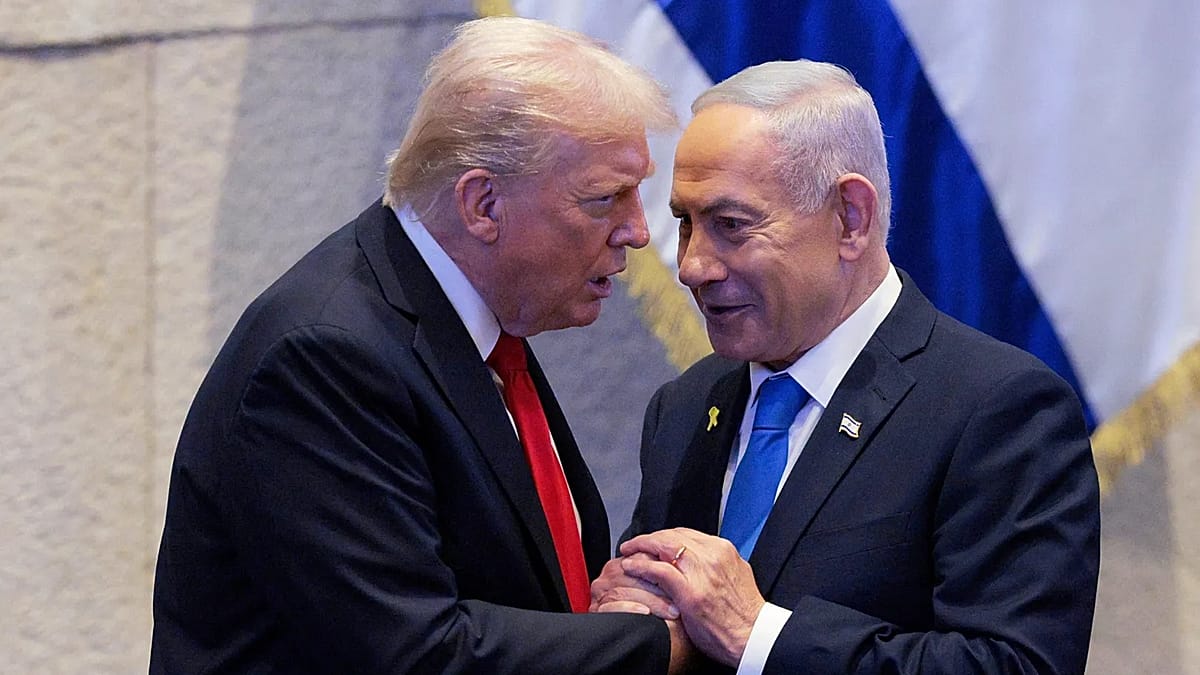
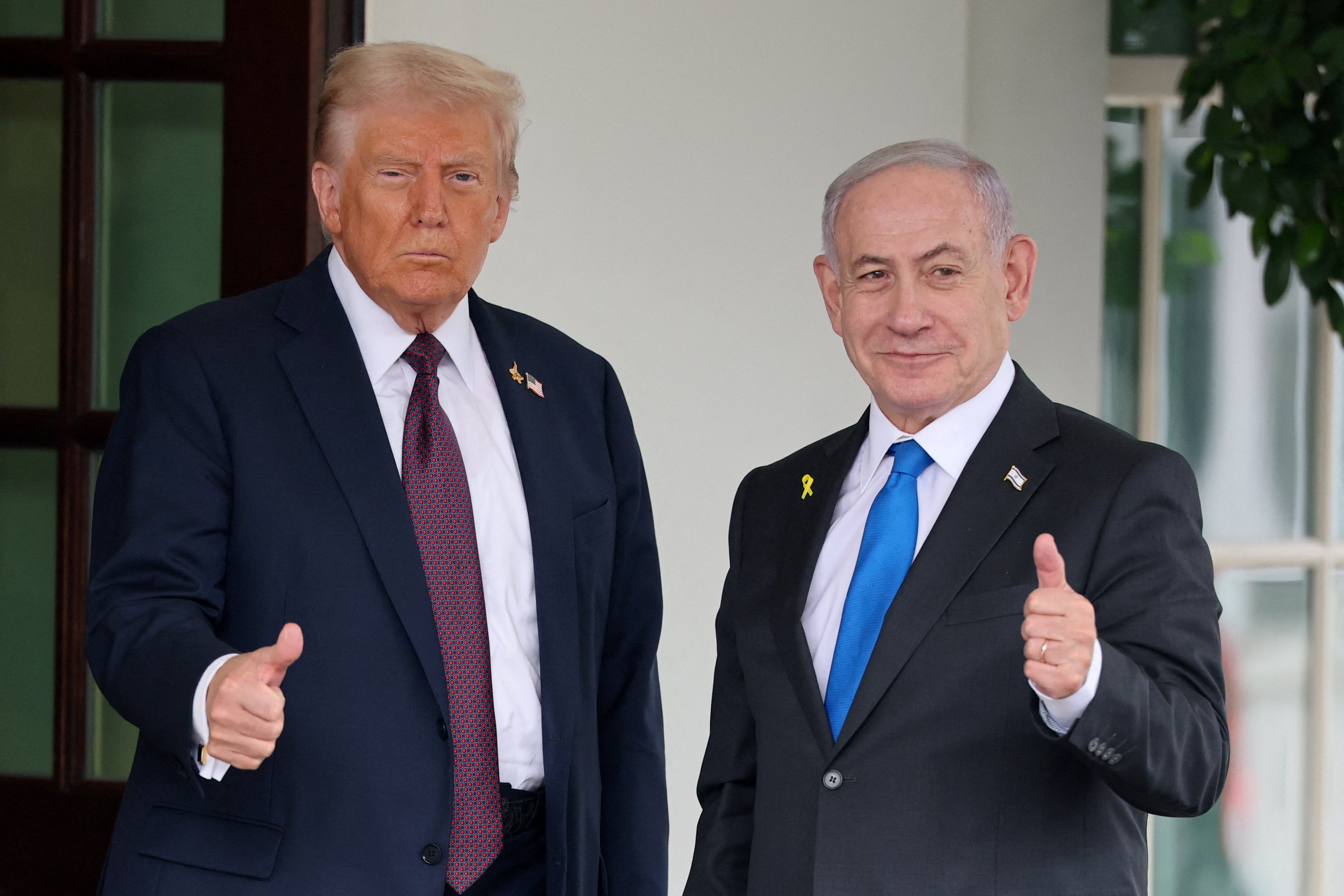
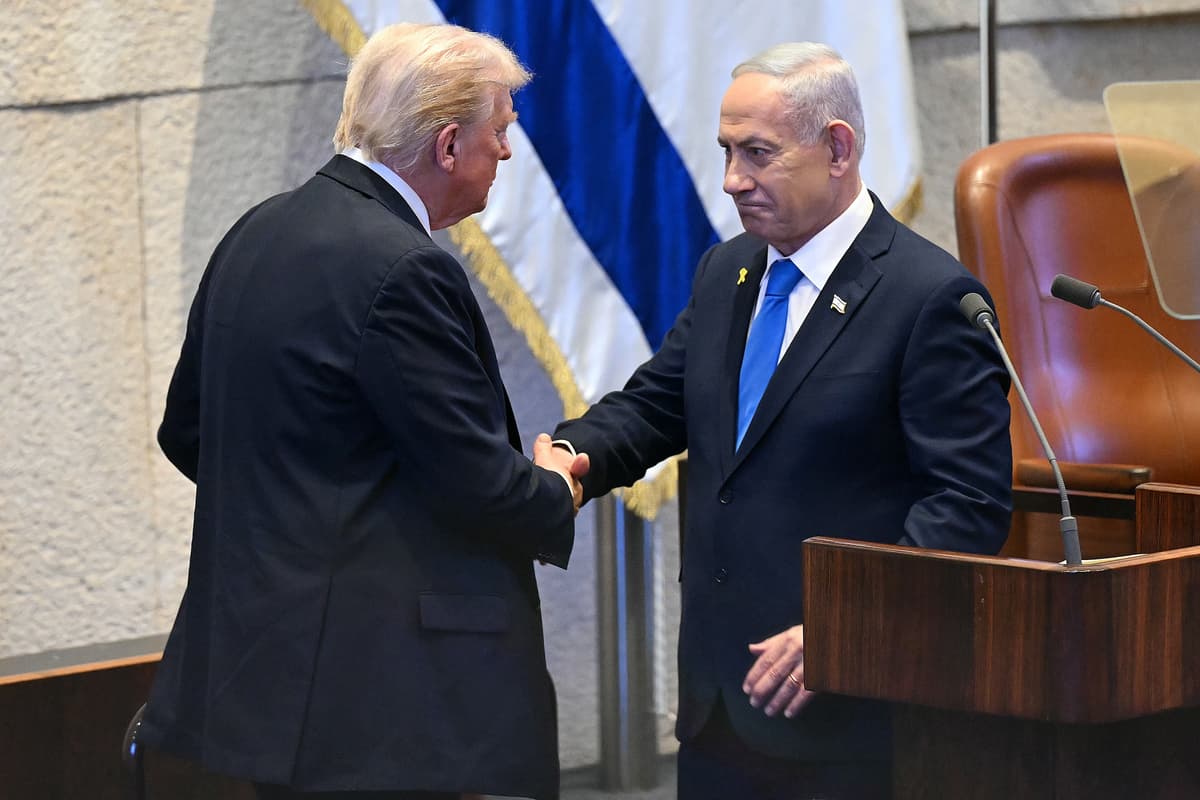
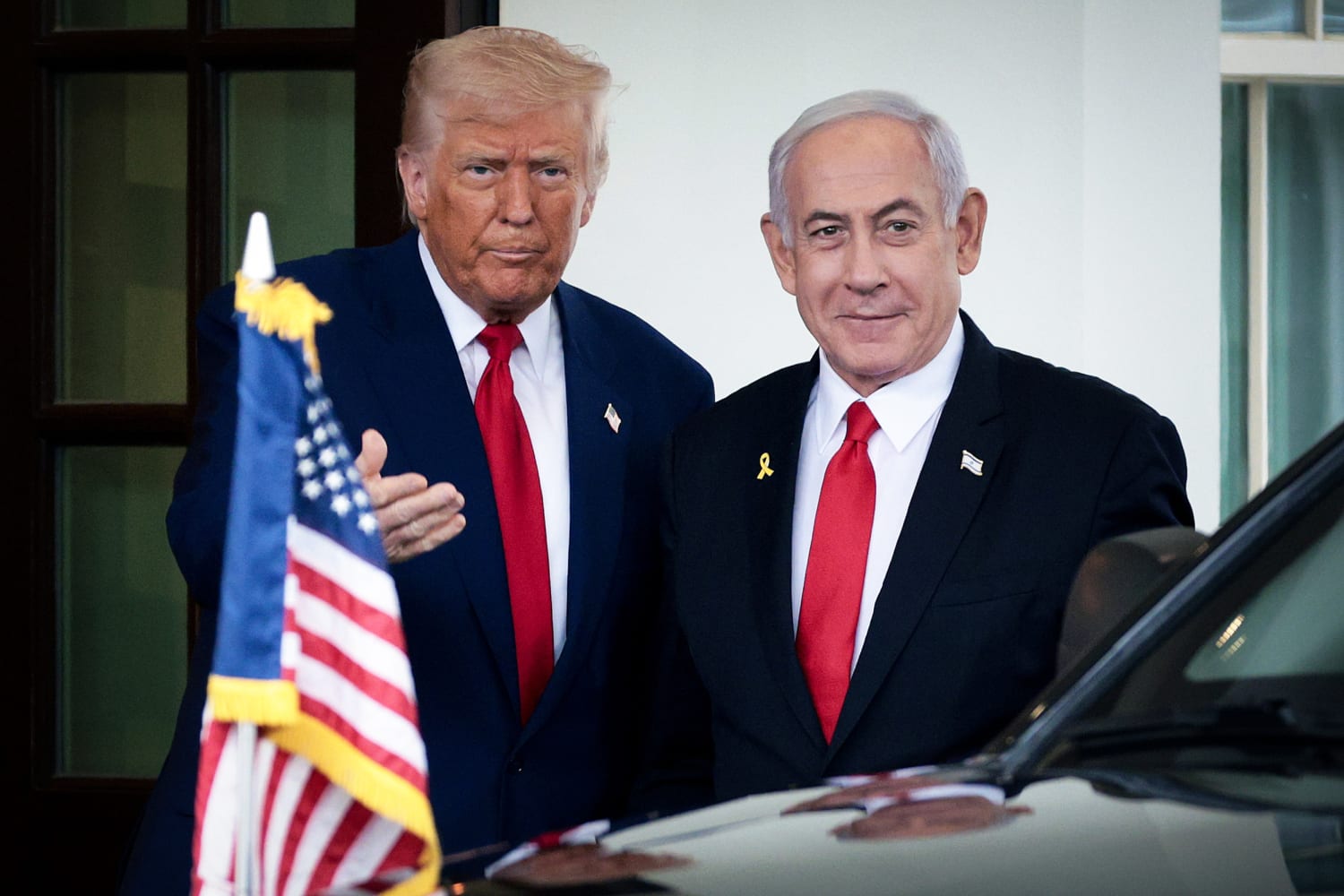
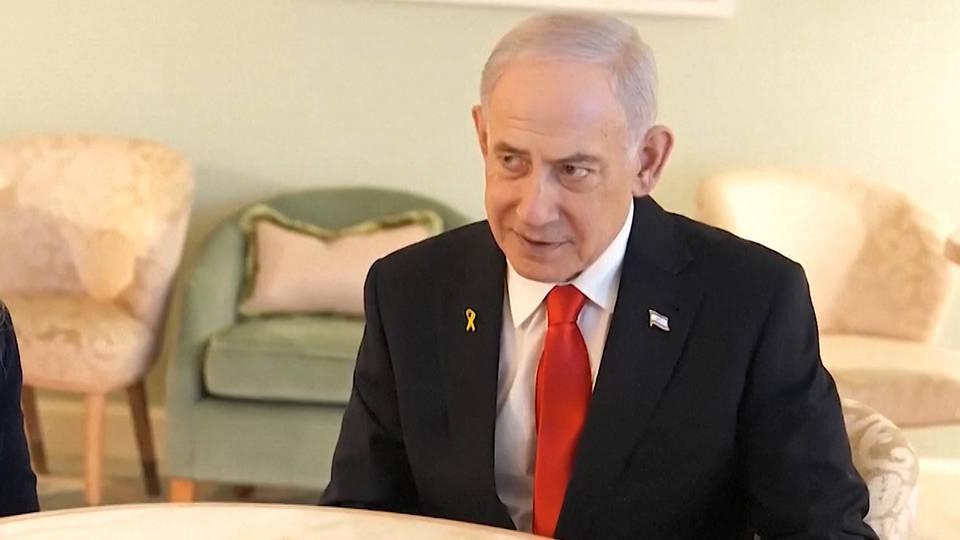
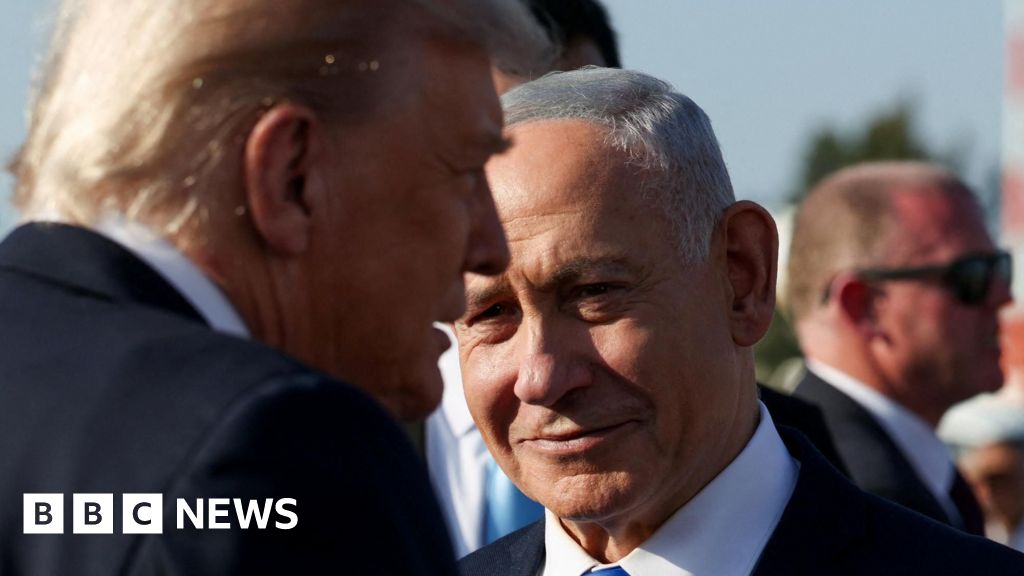
The high-stakes diplomatic meeting between Donald Trump and Benjamin Netanyahu at Mar-a-Lago represents a critical inflection point in Middle Eastern geopolitical strategy, with profound implications for cross-border trade and international market dynamics. This one-on-one engagement, occurring in January 2024, transcends traditional diplomatic protocols and reveals a nuanced recalibration of regional power relationships.
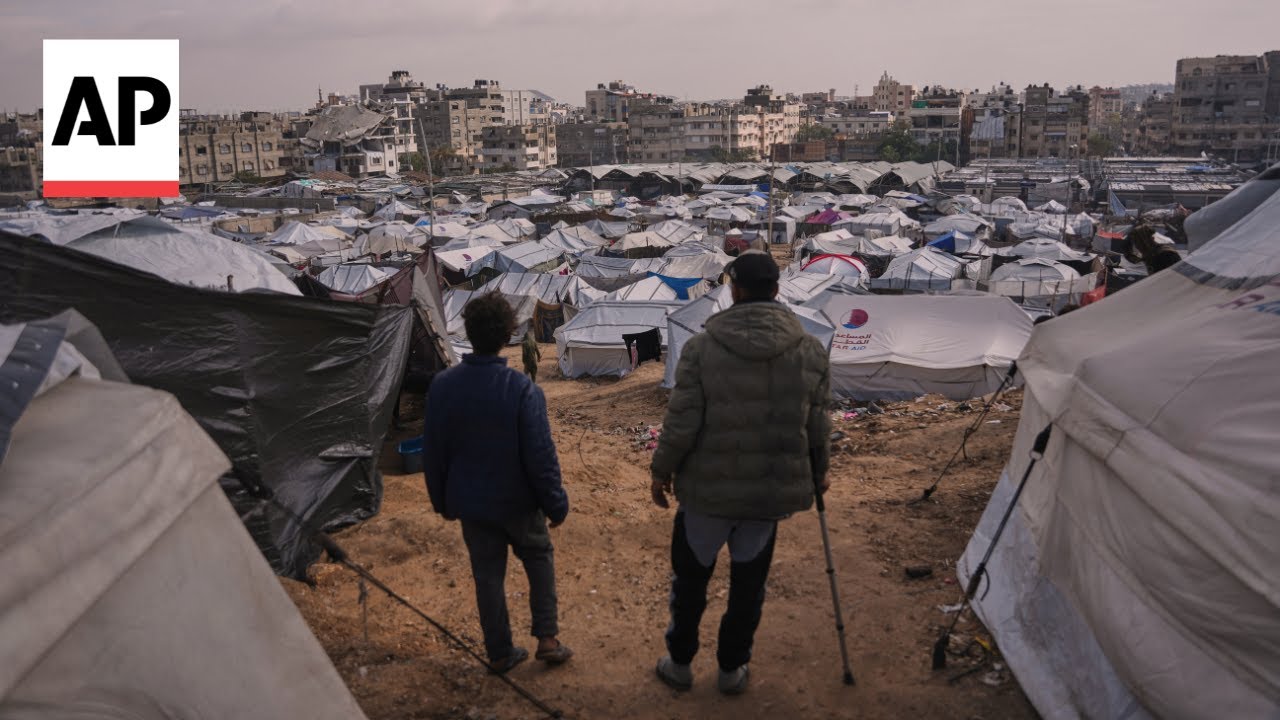
Geopolitical Tension as Market Catalyst: The meeting unfolds against a complex backdrop of Gaza ceasefire negotiations, where traditional diplomatic channels appear increasingly fragmented. Tucker Carlson's critical commentary suggests growing tensions between established political narratives and emerging strategic imperatives. For international traders, this signals a potential market uncertainty zone in the Middle East, characterized by heightened risks including shipping disruptions, potential trade restrictions, and currency volatility.
Strategic Diplomatic Repositioning: Trump's approach demonstrates a sophisticated, multi-dimensional diplomatic strategy. By maintaining communication channels with diverse global leaders—including Vladimir Putin and Ukrainian leadership—he is constructing a complex negotiation framework. This suggests a pragmatic approach to conflict resolution that could create unexpected market opportunities. The nuanced stance toward Netanyahu, balancing support with cautious engagement, indicates a strategic recalibration that could reshape regional economic interactions.
Cross-Border Trade Implications: For international business observers, this diplomatic interaction underscores the rapid geopolitical shifts that directly impact trade and investment strategies. The interconnected nature of these discussions reveals that political negotiations are no longer siloed events but dynamic ecosystems with immediate economic consequences. Traders and investors must develop adaptive strategies that can quickly respond to these complex, multilayered diplomatic developments.
The long-term significance extends beyond immediate political maneuvering. Prepare for market volatility, develop flexible supply chain strategies, and maintain robust intelligence networks that can interpret these nuanced geopolitical signals. The Middle East remains a critical economic corridor where diplomatic relationships can instantaneously transform market access and operational risks.
Questions 3
How does the current diplomatic approach differ from previous Middle East engagement strategies?
The current strategy emphasizes multi-channel communication and nuanced engagement, moving away from traditional binary support models. By maintaining dialogue with multiple stakeholders, leaders like Trump are creating more complex, potentially more flexible negotiation frameworks.
What strategic considerations should international businesses have regarding Middle Eastern markets?
Businesses must maintain flexible supply chains, develop robust intelligence networks, and create scenario-based contingency plans. The diplomatic interactions demonstrate that political relationships can instantaneously transform market access and operational risks.