


Global Conflict Tsunami: How 2025's Geopolitical Tremors Reshape International Business Strategies
- Unprecedented Geopolitical Volatility Demands Radical Business Adaptation for Survival












Overview
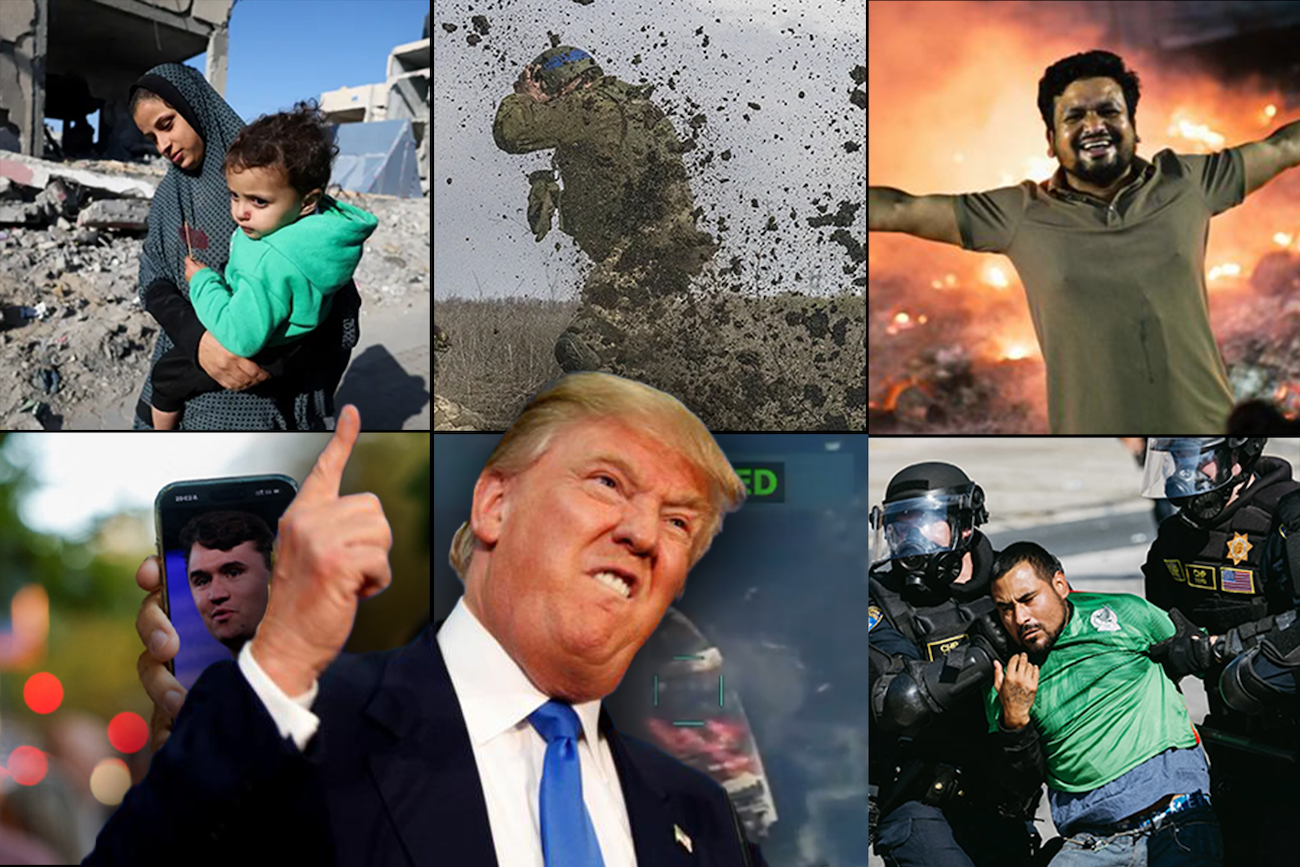
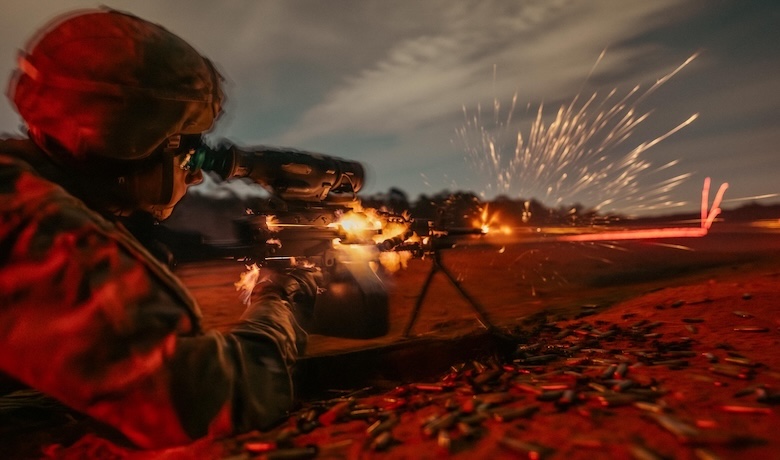
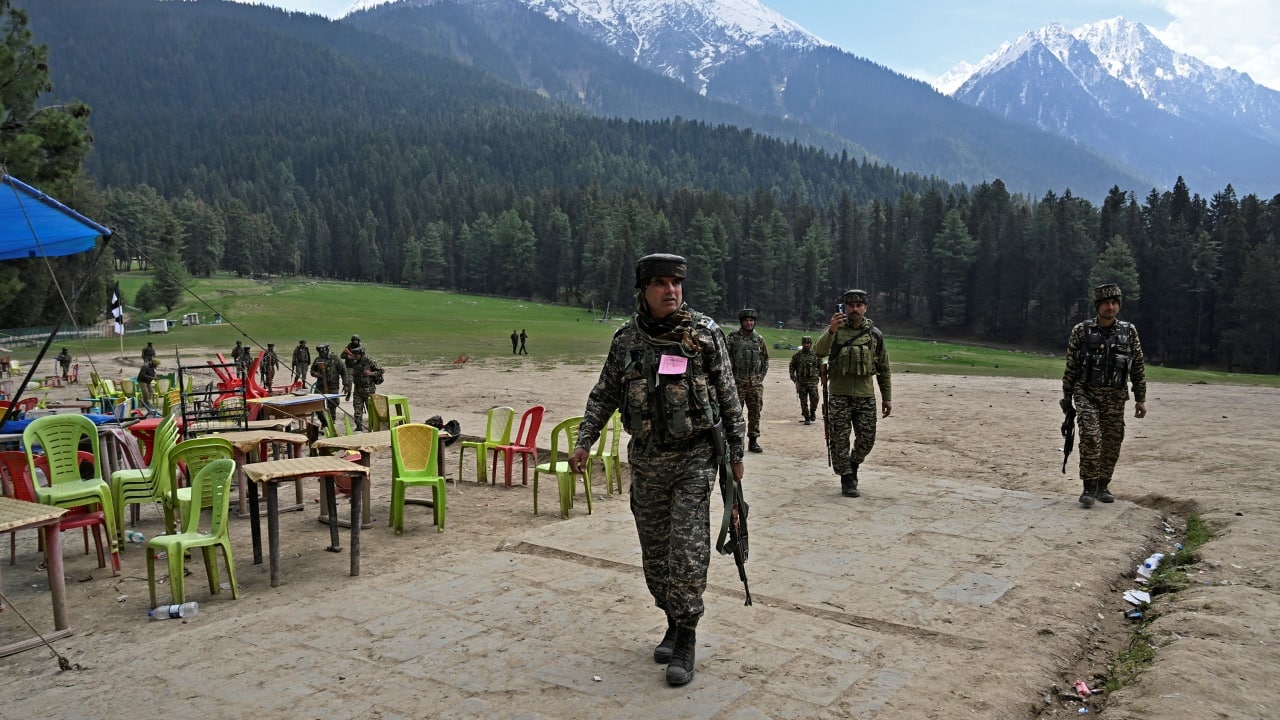
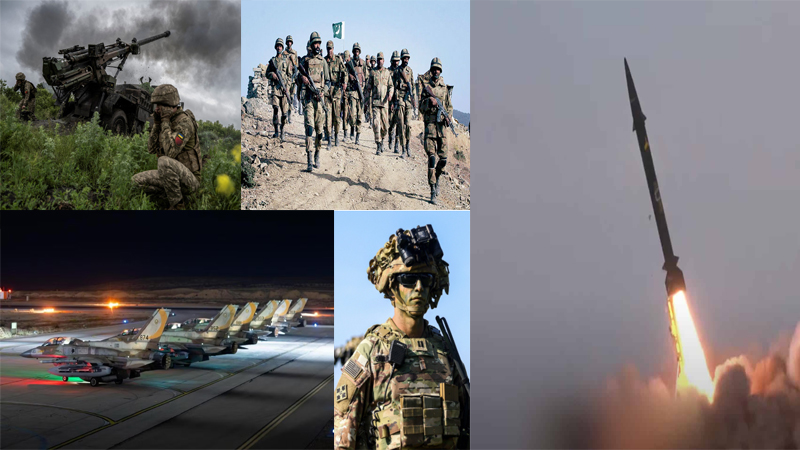
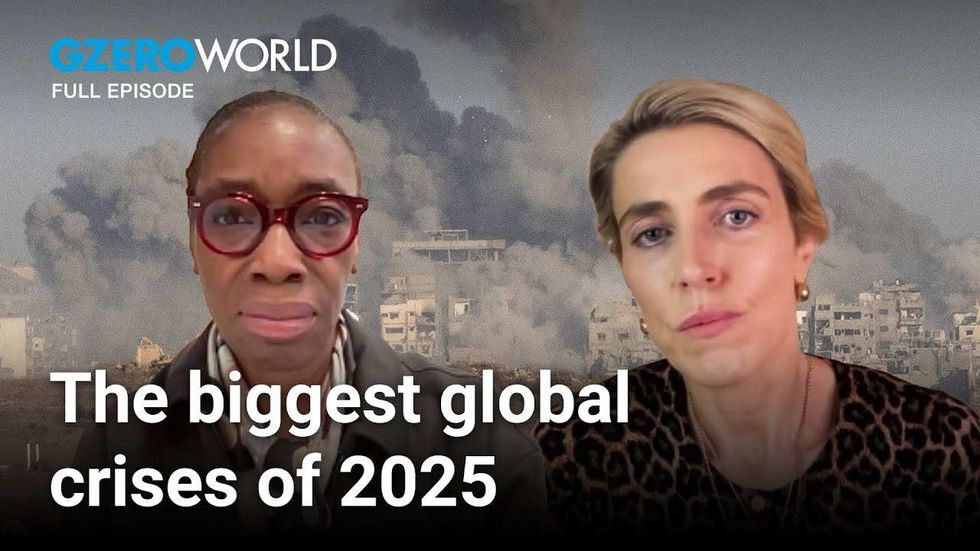
The global geopolitical landscape of 2025 represents a seismic shift that demands unprecedented strategic recalibration for international businesses. With nearly 60 active wars worldwide—the highest number since World War II—the traditional paradigms of international trade and risk management are being fundamentally dismantled.
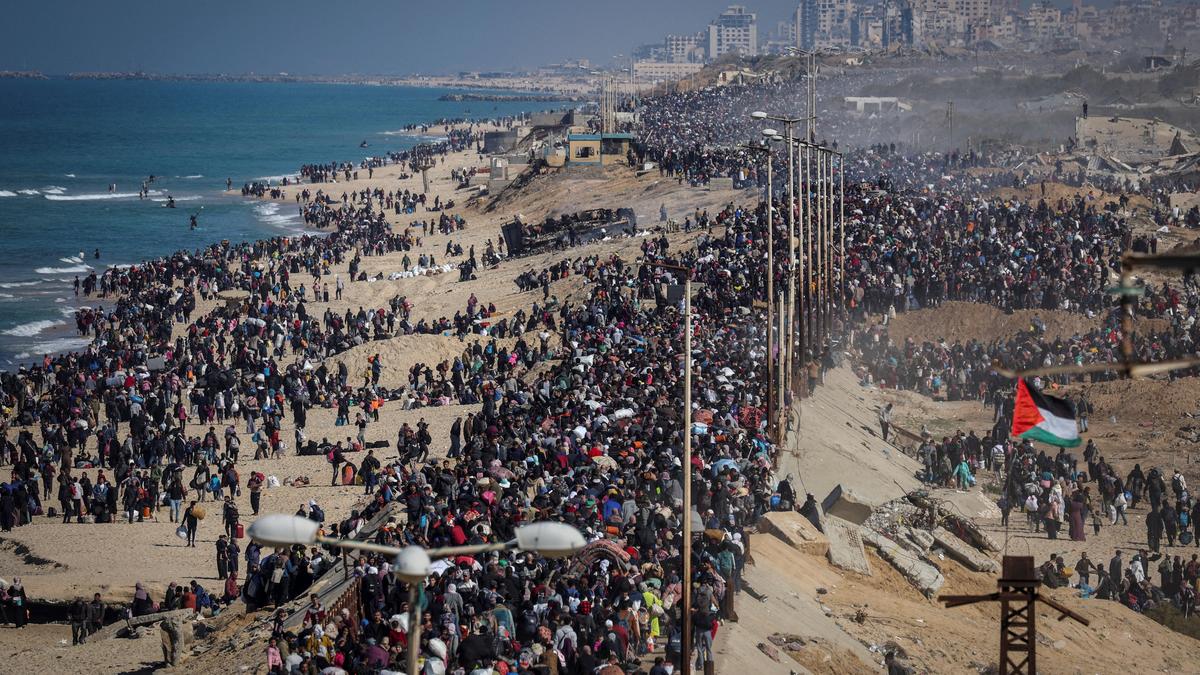
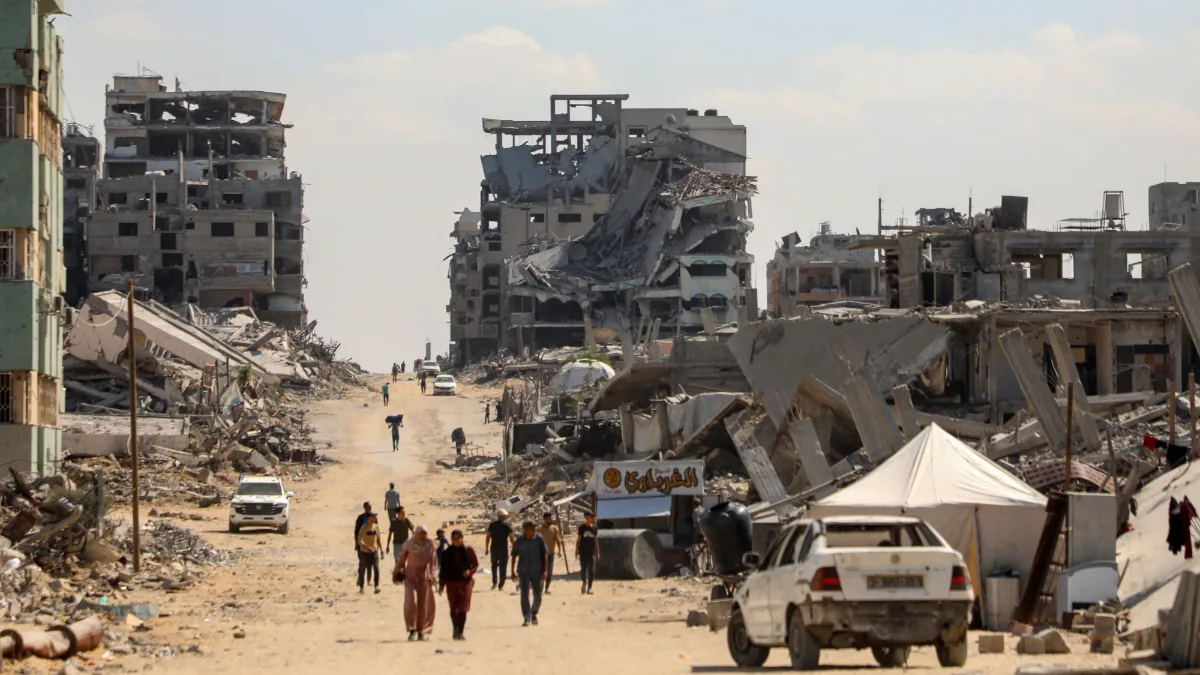
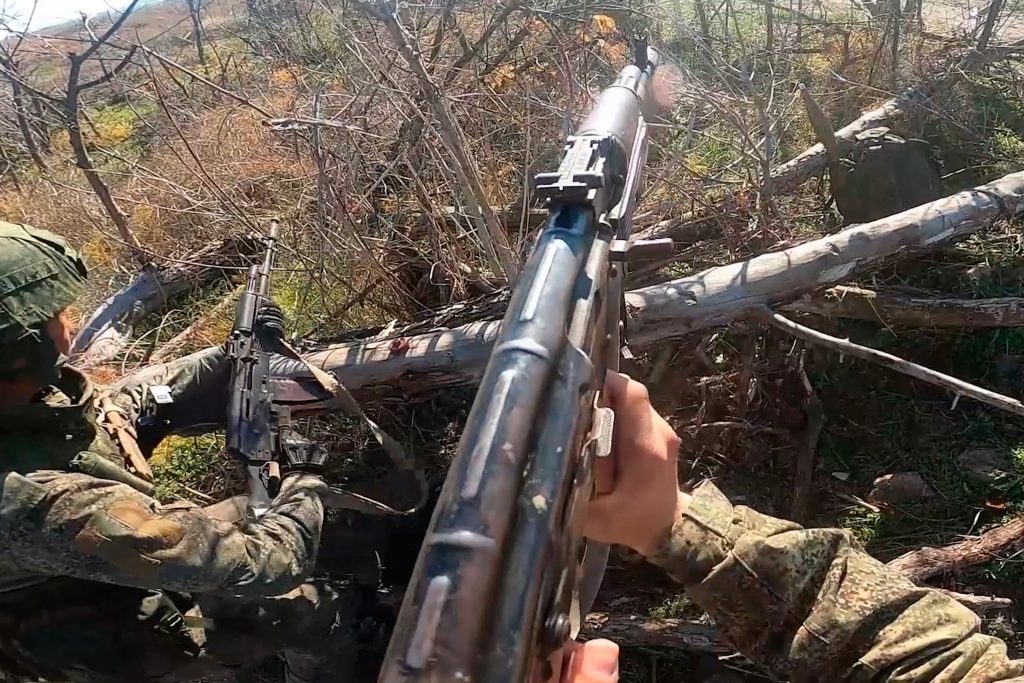
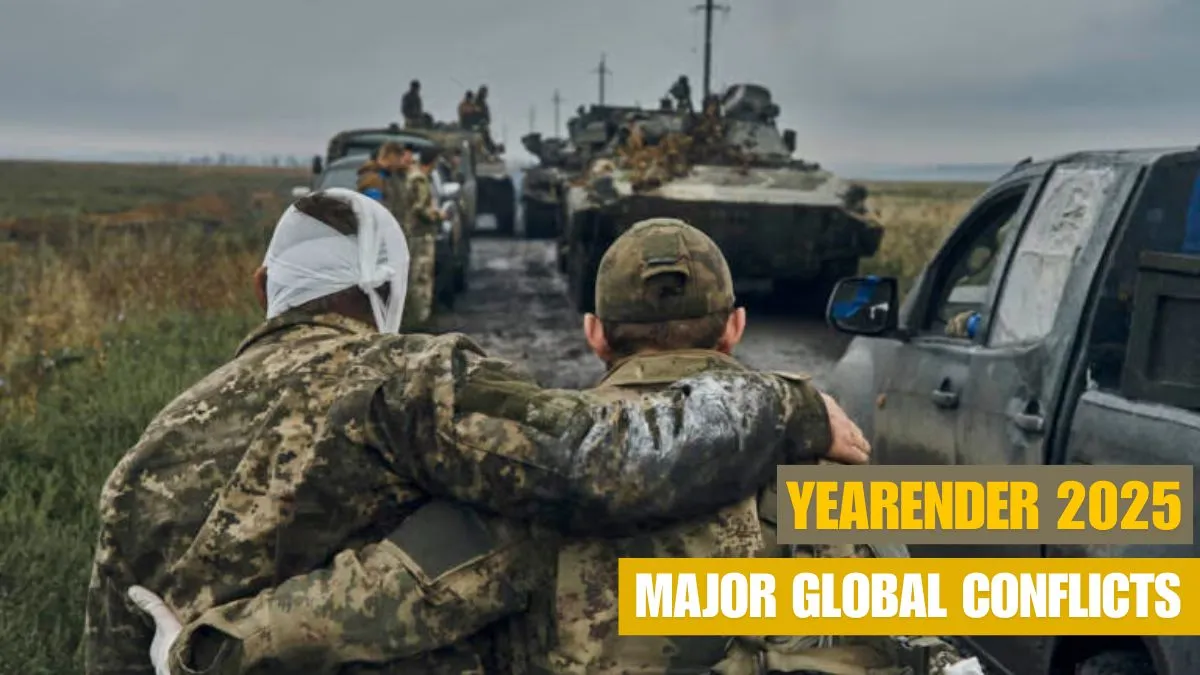
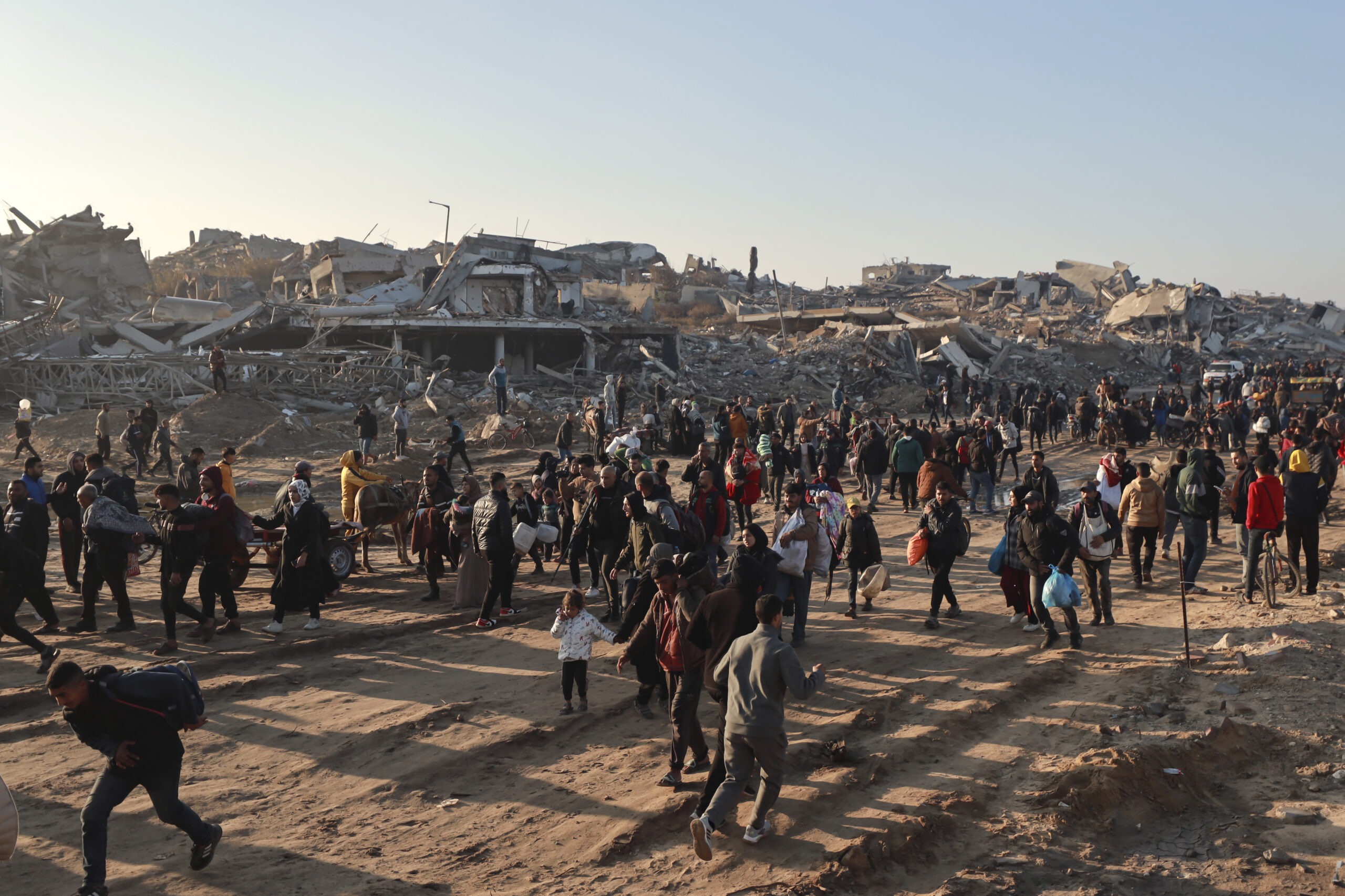
Conflict Epicenters like Ukraine and Gaza are not just humanitarian crises, but transformative geopolitical pressure points that are redrawing economic maps in real-time. The Ukraine-Russia conflict has already generated approximately 78,000 casualties in 2025, while the Gaza crisis has seen over 70,000 Palestinians killed, creating massive disruptions in regional and global supply chains.
The most critical insight is the emerging multi-dimensional conflict environment that challenges conventional risk assessment models. Traditional strategies of geographic diversification are becoming obsolete as conflicts demonstrate unprecedented complexity and interconnectedness. The US under President Trump's reduced commitment to European defense further complicates this landscape, signaling a potential retreat from established geopolitical stabilization mechanisms.
For cross-border businesses, this environment demands radical adaptation. Supply chain resilience is no longer about efficiency, but survival. Companies must develop hyper-flexible logistics frameworks that can rapidly reconfigure in response to geopolitical tremors. This means:
- Developing multiple, geographically dispersed supply chain alternatives
- Implementing real-time geopolitical risk monitoring systems
- Creating financial buffers to absorb sudden market disruptions
- Developing scenario-based contingency planning that goes beyond traditional risk matrices
The International Criminal Court's arrest warrant for Russian President Putin symbolizes a broader trend: traditional diplomatic and economic boundaries are becoming increasingly fluid and unpredictable. Businesses that can navigate this complexity with agility will not just survive, but potentially find unprecedented opportunities in these turbulent markets.
Questions 3
What strategic adaptations are crucial for businesses in this volatile environment?
Critical adaptations include developing geographically dispersed supply chains, creating financial resilience buffers, implementing advanced geopolitical risk monitoring systems, and building organizational agility to rapidly reconfigure operations in response to emerging conflicts.
What are the key regions of geopolitical tension in 2025?
The primary conflict zones include Ukraine, Gaza, Sudan, Myanmar, Haiti, DR Congo, and emerging tensions in the South China Sea. These regions represent significant disruption risks for international businesses, with potential for rapid escalation and unpredictable economic consequences.