



Intelligence Warfare Evolves: The Shifting Landscape of Geopolitical Espionage
- Emerging Proxy Strategies Redefine State-Sponsored Intelligence Operations






)
















)













































Overview
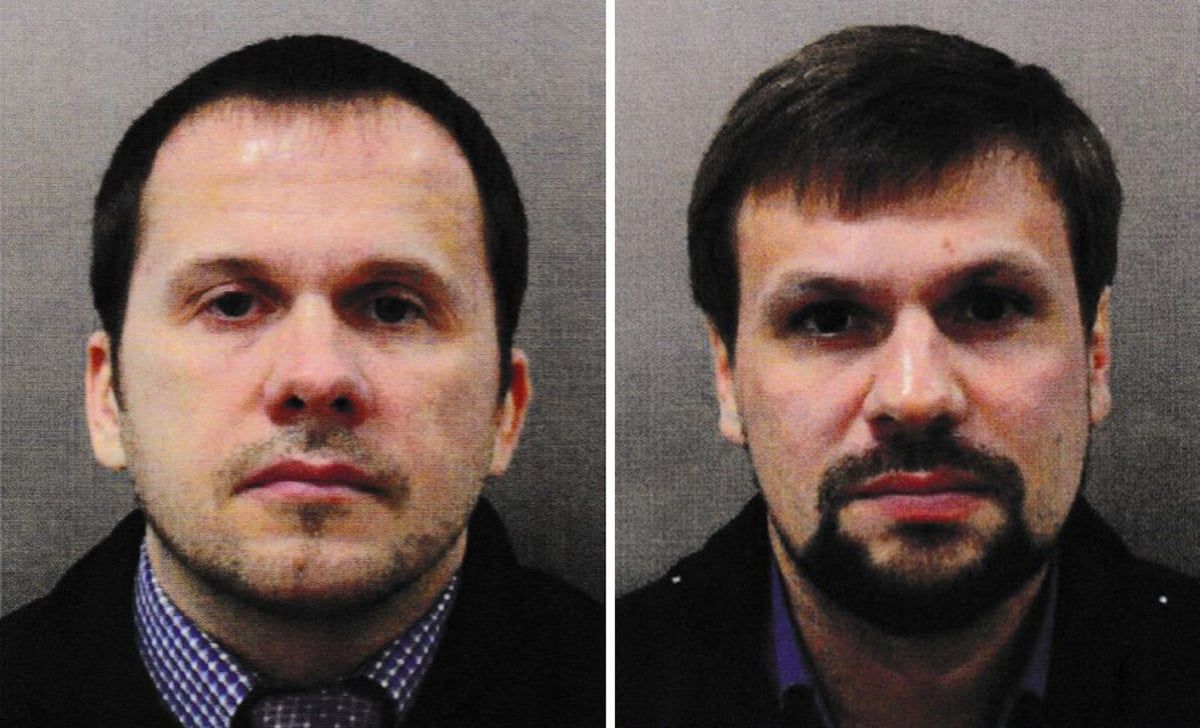
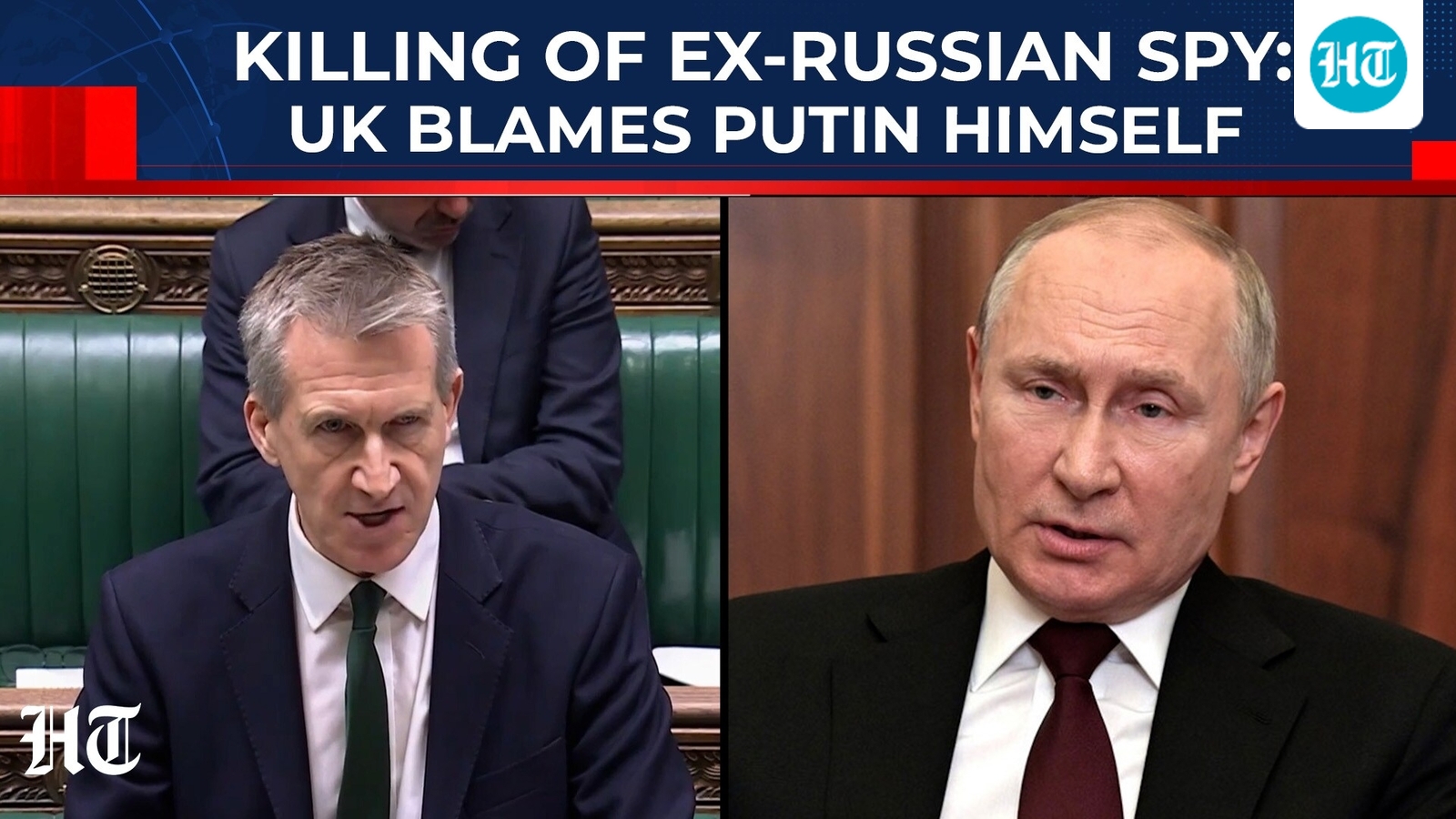
The contemporary intelligence landscape is undergoing a profound transformation, characterized by increasingly sophisticated and decentralized operational strategies. The Skripal poisoning incident serves as a critical case study in how state intelligence services are adapting to heightened global scrutiny and technological surveillance.
Russian intelligence operations have demonstrably shifted from direct confrontational approaches to more nuanced, proxy-driven methodologies. The GRU's use of the Novichok nerve agent in the Salisbury attack represented more than a targeted assassination—it was a calculated geopolitical message about the consequences of betrayal. However, the subsequent international response has forced a strategic recalibration. Counter-intelligence agencies have responded by significantly enhancing monitoring capabilities, with British authorities reporting a five-fold increase in hostile state threat investigations.
The emerging paradigm of intelligence warfare is defined by three key characteristics: proxy utilization, operational obfuscation, and strategic signaling. Instead of direct state-sponsored actions, intelligence services are increasingly employing intermediaries like Bulgarian surveillance groups and low-level criminal networks. This approach provides plausible deniability while maintaining strategic influence. The landscape now prioritizes adaptability over traditional direct intervention.
The long-term implications are profound. Traditional notions of state-sponsored intelligence are being fundamentally reimagined. Defectors, diplomatic personnel, and international operatives now exist in a more complex threat environment where risks are more distributed and less predictable. Intelligence agencies must now develop more sophisticated risk assessment and protection protocols that go beyond conventional defensive strategies.
Critically, this evolution signals a broader geopolitical trend: the increasing importance of information warfare and strategic ambiguity. Physical confrontations are being replaced by more nuanced forms of international pressure and influence, where the lines between intelligence operations, cyber activities, and diplomatic maneuvering become increasingly blurred.
Questions 3
What makes the Skripal poisoning a significant case study in modern intelligence warfare?
The Skripal incident demonstrates how state intelligence services are adapting to global surveillance. It revealed the strategic use of nerve agents as a form of geopolitical messaging, while also exposing vulnerabilities in traditional protection protocols for defectors.
What are the key characteristics of emerging intelligence operational strategies?
The new intelligence landscape is defined by proxy utilization, operational obfuscation, and strategic signaling. This approach allows state actors to exert influence while minimizing direct attribution and maintaining diplomatic flexibility.