



Silver's Dramatic Price Surge Signals Volatile Commodity Trading Landscape
- Unprecedented Market Movements Create Strategic Challenges for E-Commerce and Commodity Traders







Overview
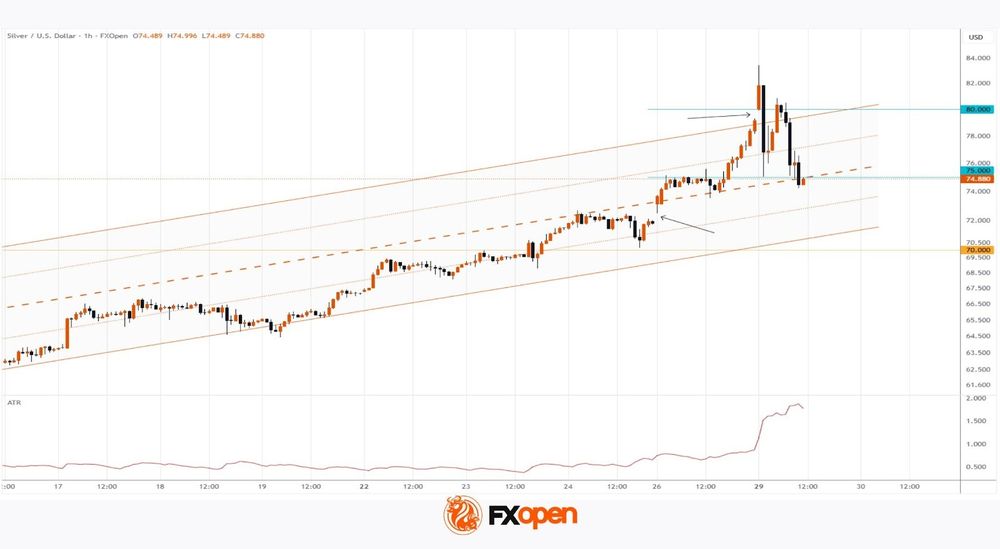
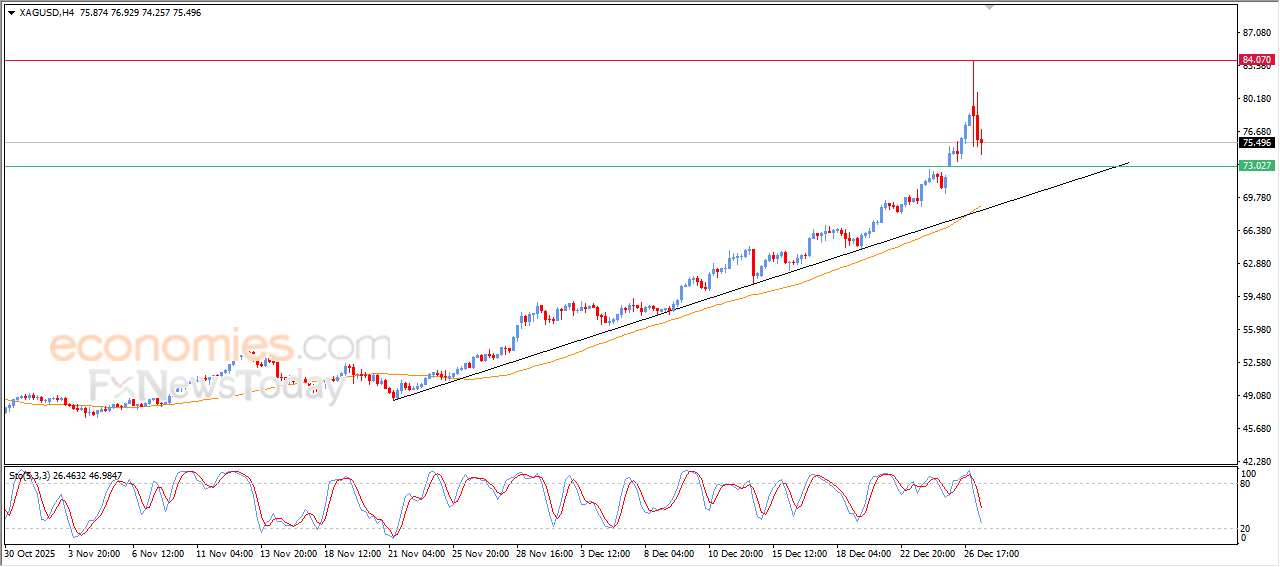
The silver market has entered a period of extraordinary volatility, with prices experiencing a remarkable surge that breached the $80 mark before pulling back, signaling deeper shifts in global commodity trading dynamics. This unprecedented movement reveals critical insights for cross-border e-commerce sellers and financial strategists navigating increasingly complex market conditions.
Pricing Dynamics and Market Sensitivity emerge as the core narrative. The sudden price rally above $80 represents more than a simple market fluctuation—it's a potential harbinger of broader economic uncertainties. For e-commerce sellers involved in metals trading, this volatility demands immediate strategic recalibration. The rapid price movements underscore the need for agile pricing strategies, sophisticated inventory management, and robust risk mitigation approaches.
Financial Optimization Opportunities are particularly pronounced in this environment. Sellers must now consider multiple dimensions of risk: currency fluctuations, commodity price volatility, and supply chain disruptions. The silver market's sensitivity to global economic conditions means that traders must develop more nuanced hedging strategies. Specifically, this involves:
- Implementing real-time pricing adjustment mechanisms
- Developing flexible inventory valuation models
- Creating dynamic risk management protocols
- Establishing multiple sourcing and trading corridors to minimize exposure
The broader context suggests that commodity markets are experiencing fundamental transformations. Traditional trading models are being challenged by increased market volatility, geopolitical uncertainties, and rapid technological disruptions. E-commerce sellers must view these price movements not as isolated incidents, but as structural shifts requiring comprehensive strategic responses.
Strategic recommendations center on building adaptive trading infrastructure. Companies must invest in advanced analytics, real-time market monitoring tools, and flexible financial instruments that can quickly respond to sudden market changes. The ability to pivot rapidly will separate successful traders from those caught unprepared in this volatile landscape.
Questions 3
What financial tools can help manage commodity trading risks?
Key risk management tools include futures contracts, options trading, diversified portfolio strategies, advanced analytics platforms, and real-time market intelligence systems. These tools help traders create more resilient and adaptive trading approaches in volatile market conditions.
What does the recent silver price surge indicate about global commodity markets?
The price movement suggests increased market uncertainty, potential shifts in global economic conditions, and growing complexity in commodity trading. It signals that traditional trading strategies may need significant adaptation to handle rapid and unpredictable market changes.