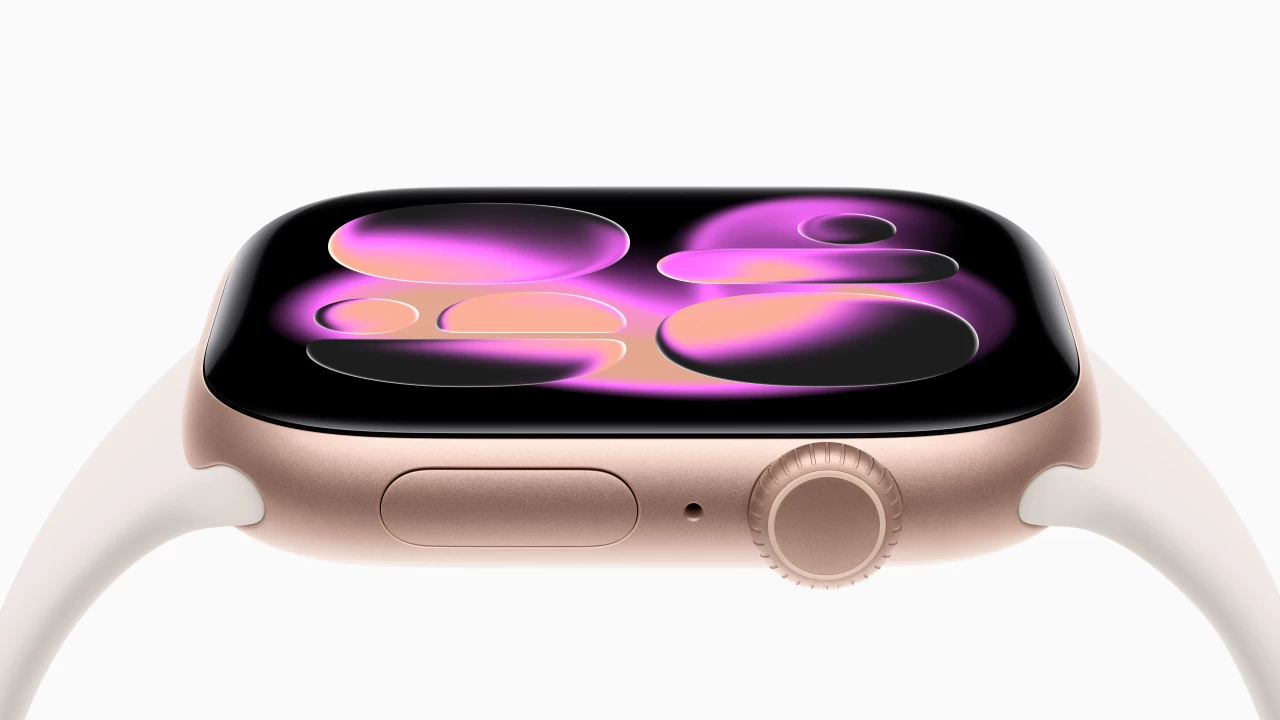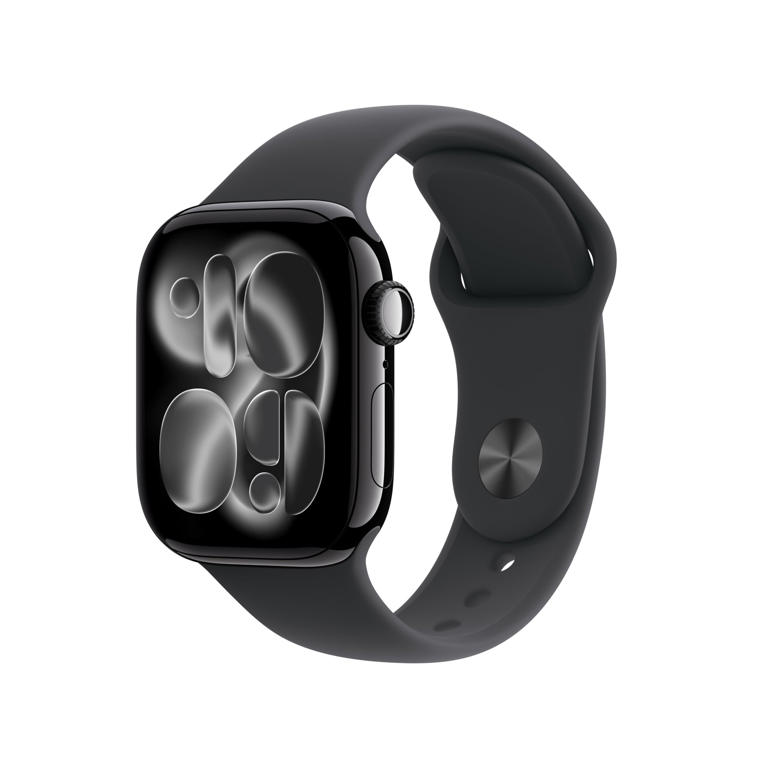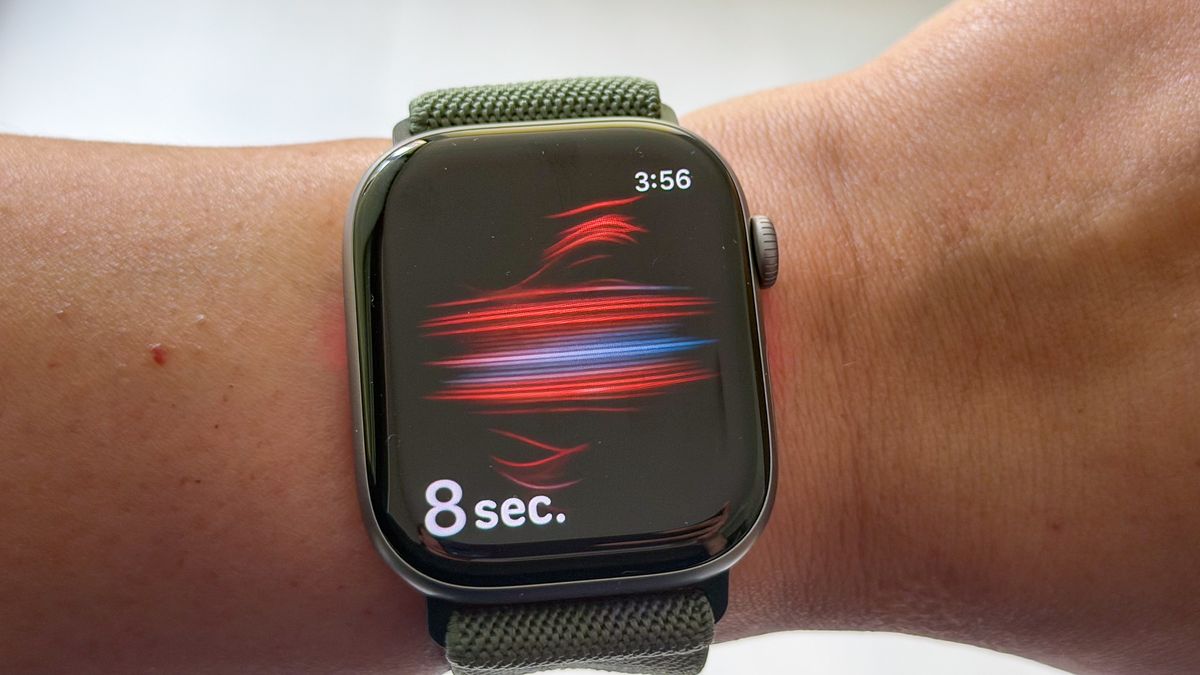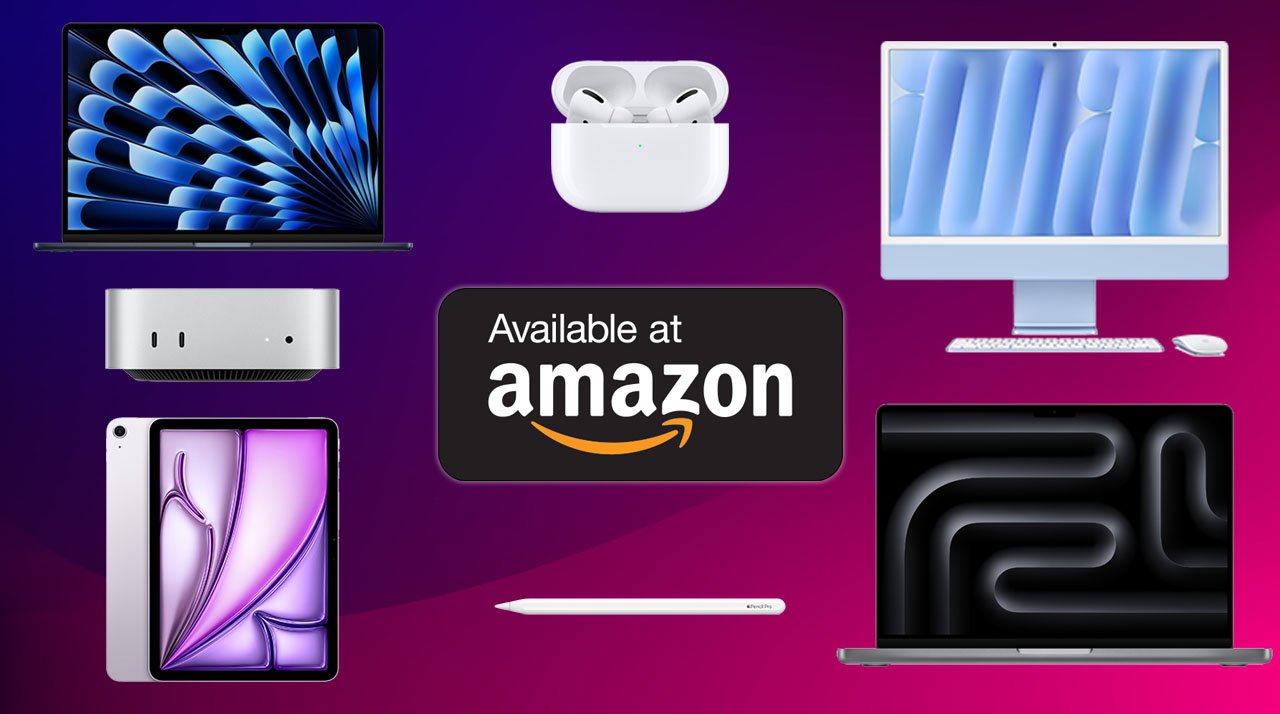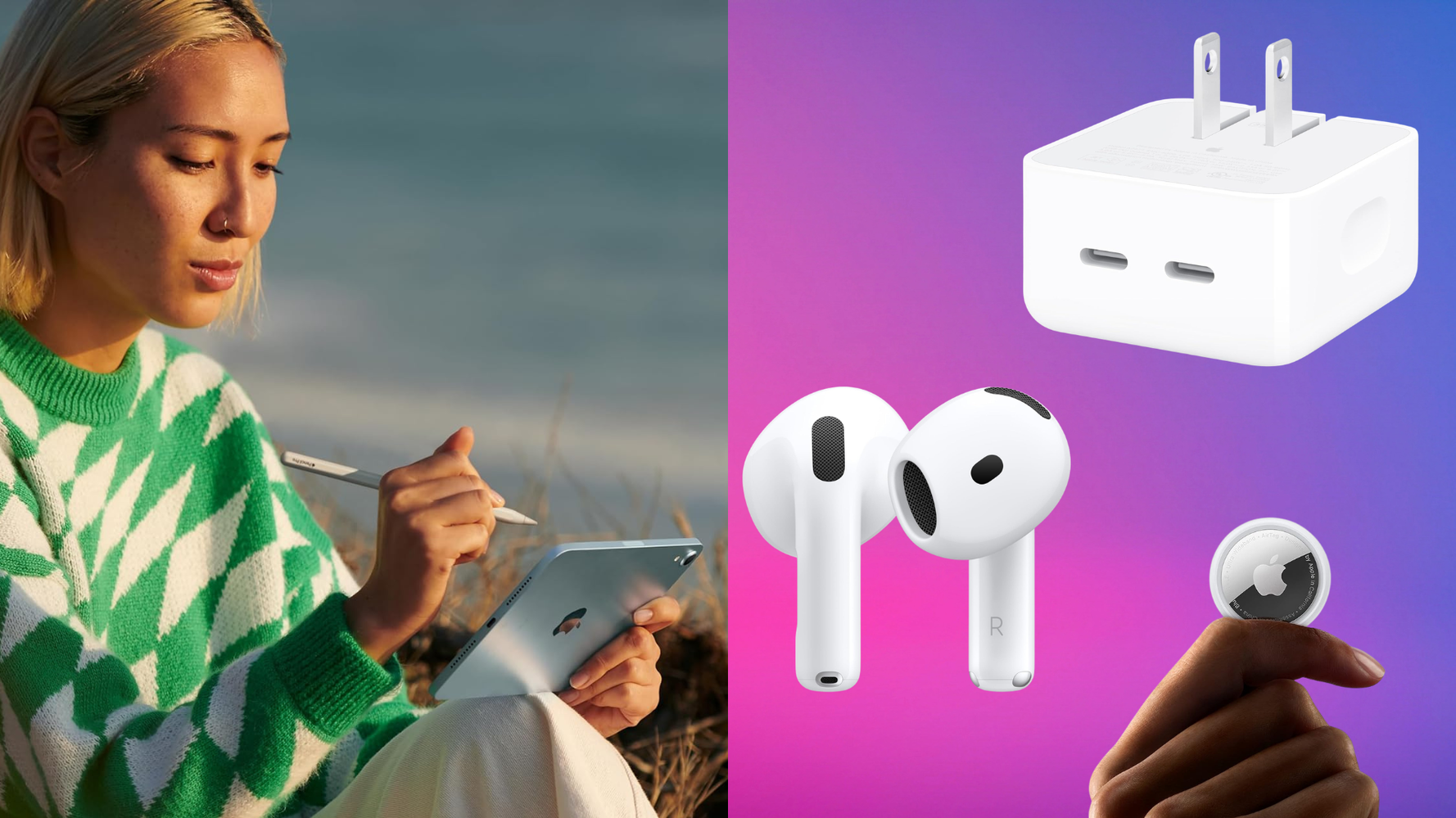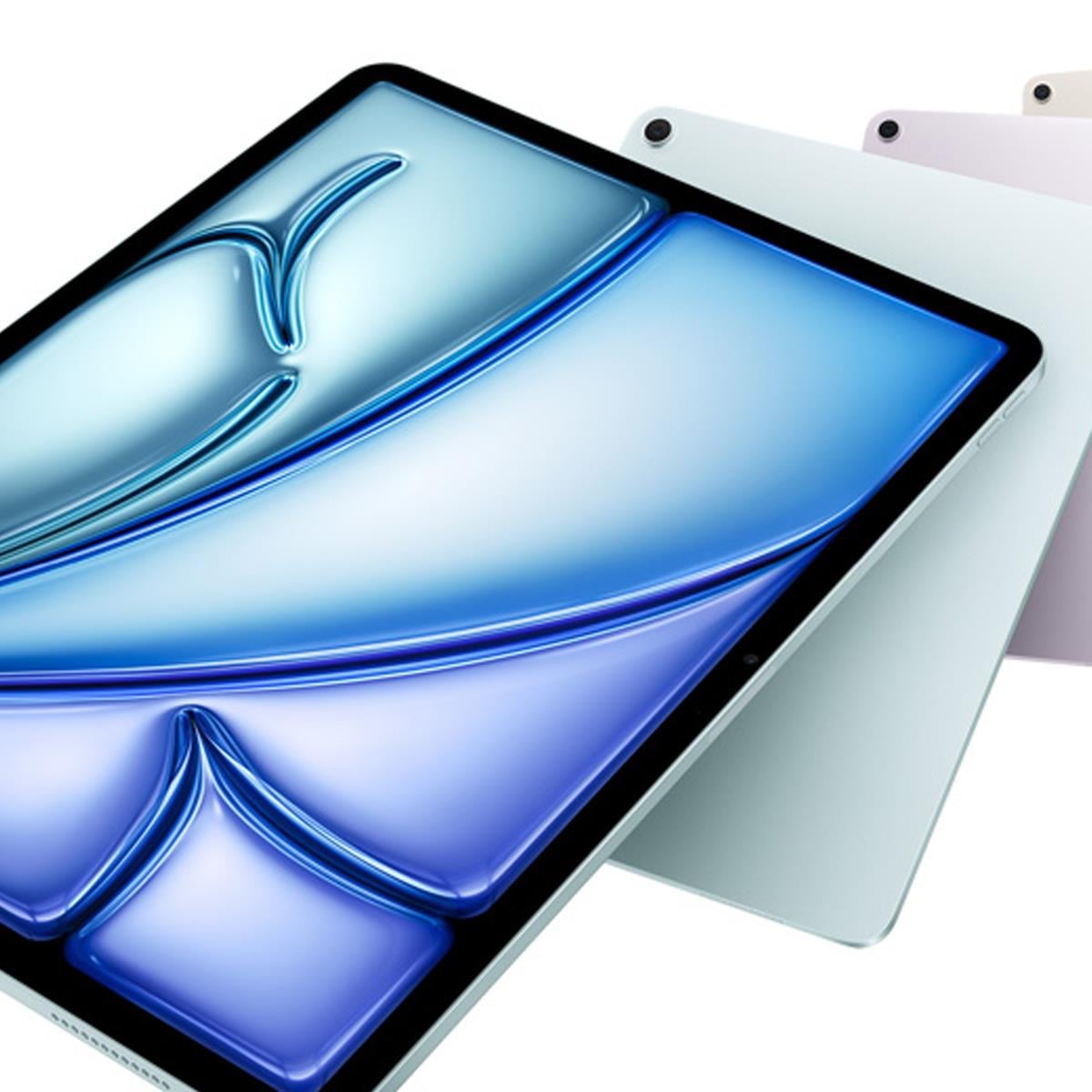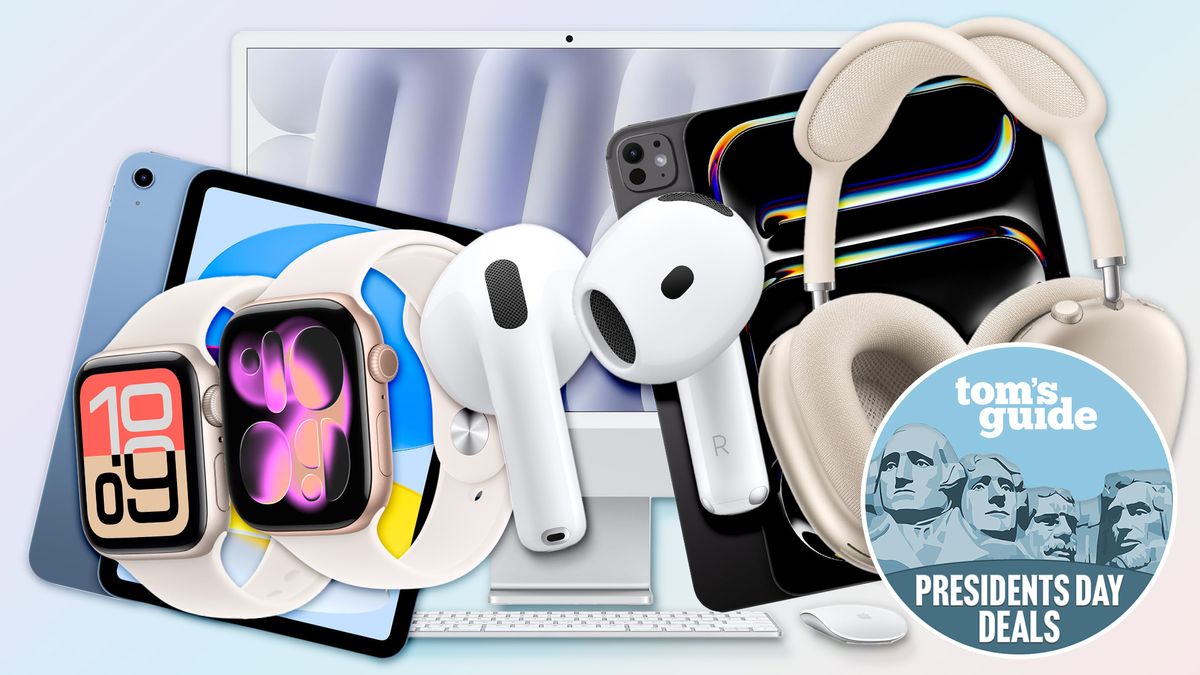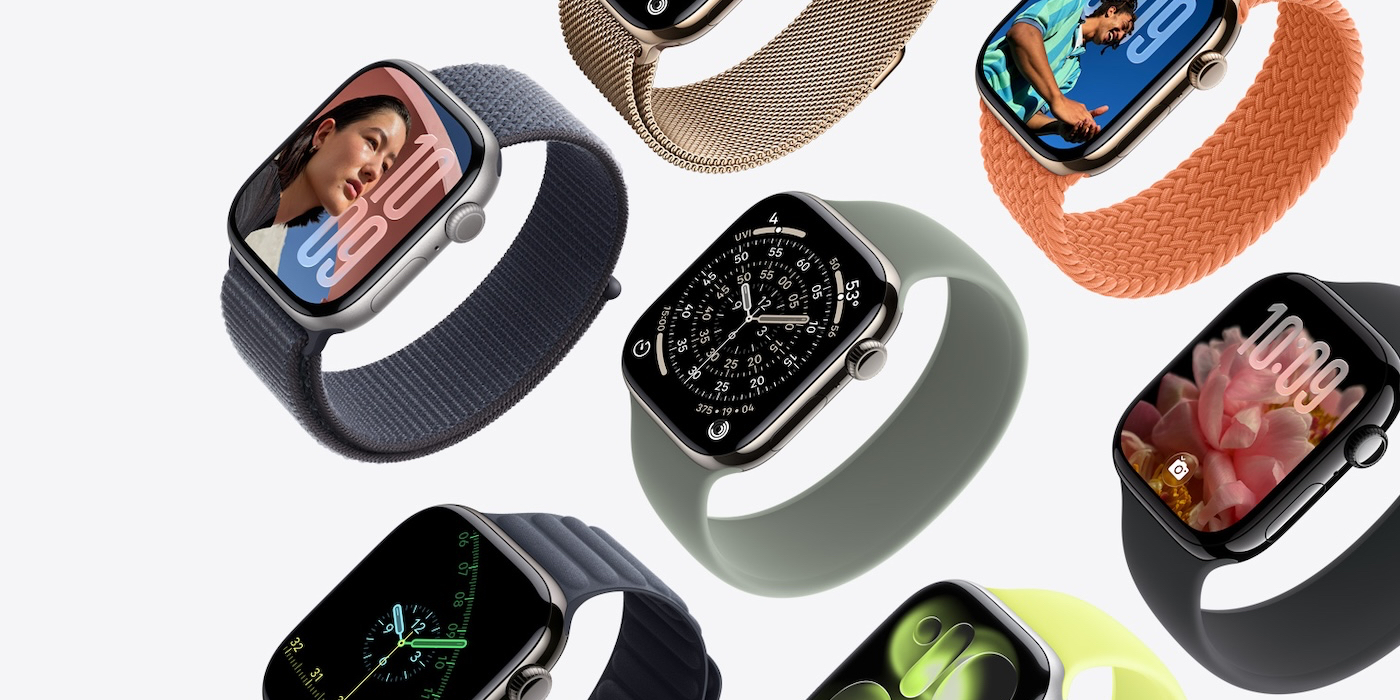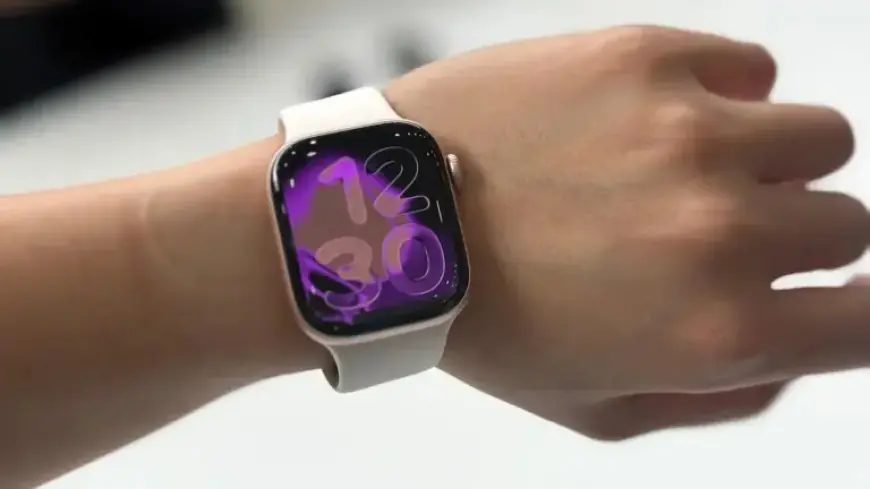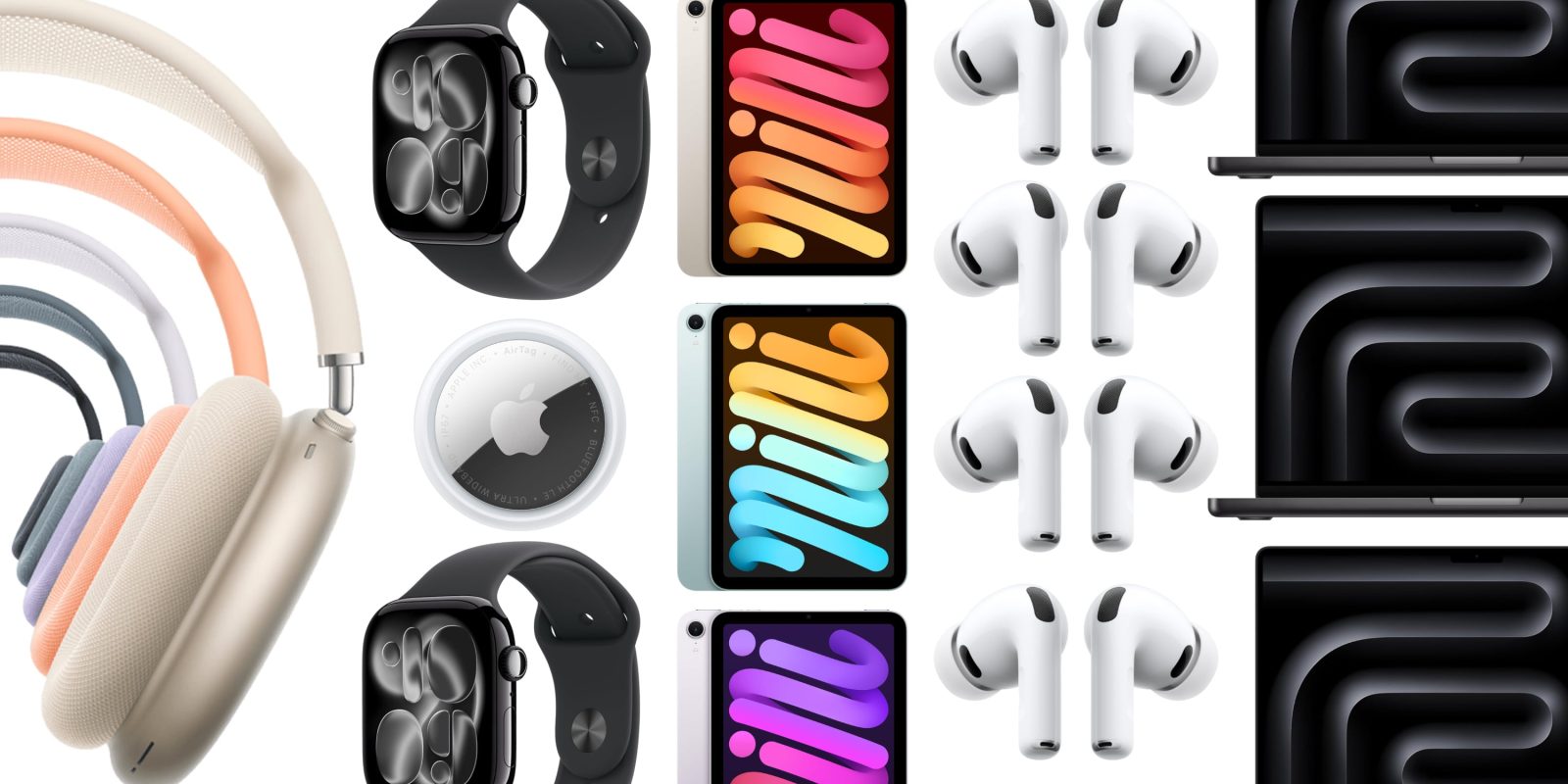

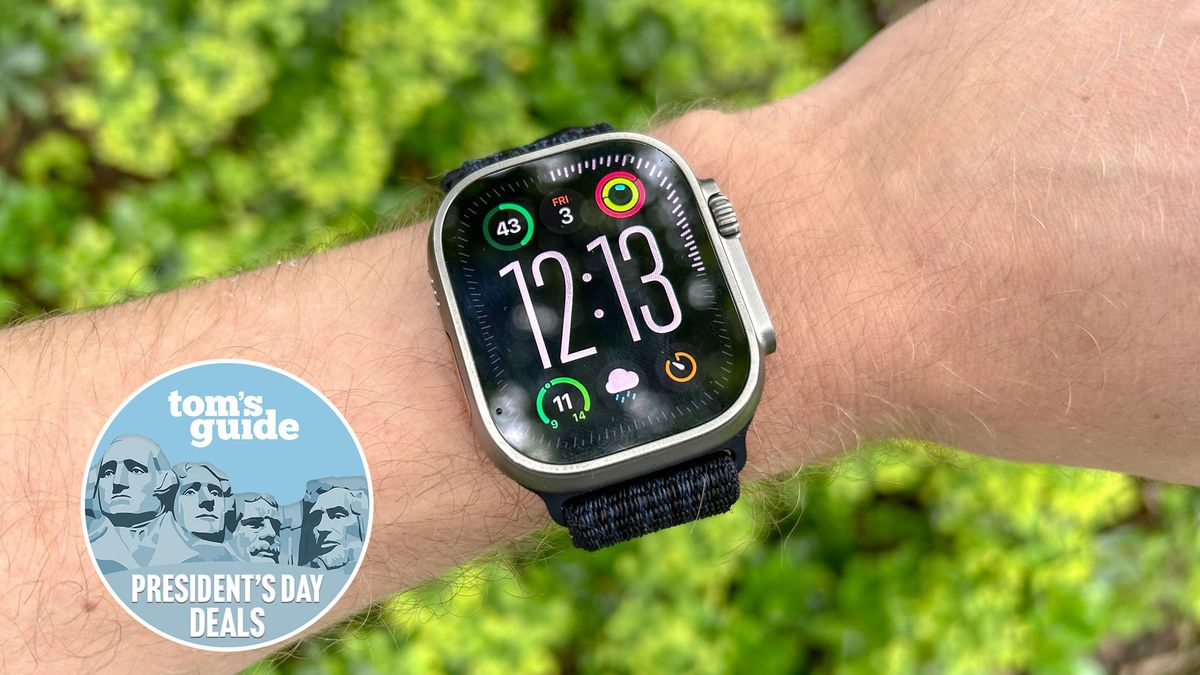
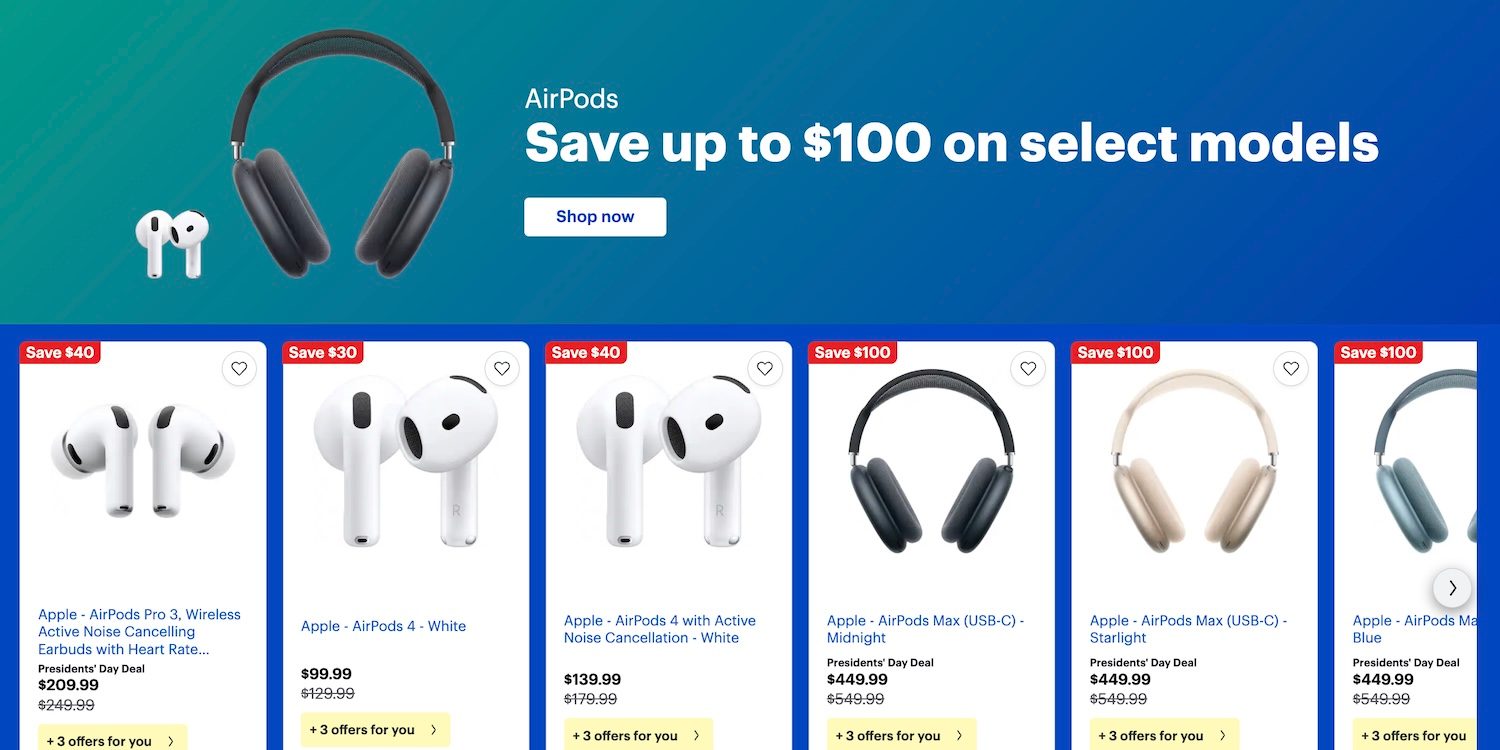


Apple's Presidents Day promotional blitz across Amazon and direct channels represents a critical pricing benchmark event for electronics sellers. The campaign features unprecedented discounts: Apple Watch Series 11 at $299 (25% off), MacBook Air M4 at $849.99 ($150 reduction), iPad Pro models down $150-$500, and AirPods Max at $449 ($100 off). Amazon's aggressive positioning through February 2026 signals sustained pressure on consumer electronics margins, with price reductions spanning wearables, laptops, tablets, and accessories. This promotional intensity—matching or exceeding Black Friday pricing—creates immediate competitive pressure for sellers offering Apple products or competing electronics categories.
For Amazon FBA sellers, this event directly impacts Buy Box pricing algorithms and conversion rate expectations. Amazon's deep discounts on premium models (iPad Pro 13-inch down $500 to $1,699, MacBook Pro M5 14-inch down $150-$200) establish new price floors that third-party sellers must monitor closely. Sellers holding inventory of competing smartwatches, tablets, or laptop accessories face margin compression of 8-15% as consumers benchmark against these official prices. The limited colorway availability (Jet Black, Space Gray, Rose Gold, Silver) on Apple Watch Series 11 creates scarcity-driven demand for alternative colors and third-party bands—a white space opportunity for sellers offering complementary accessories like sport bands, protective cases, and charging solutions.
Regional demand patterns show strongest impact in North American markets (US/Canada), where Amazon's promotional reach is highest. The Presidents Day timing (mid-February) targets post-New Year's fitness resolution buyers and Q1 device upgrade cycles, creating a secondary shopping surge after holiday sales. Sellers in EU and Asia Pacific markets face less direct pressure from Amazon's US-centric promotions but should monitor currency fluctuations and cross-border arbitrage opportunities. The promotional window extends through Presidents Day weekend, creating a 72-96 hour window for sellers to adjust pricing strategies before consumer expectations reset. Historical data shows similar Apple promotional events drive 30-40% volume spikes in related accessory categories (cases, chargers, screen protectors) as buyers complete their ecosystem purchases.
Use Amazon's Seller Central dashboard and third-party repricing tools (Keepa, CamelCamelCamel, Jungle Scout) to track official Apple pricing in real-time, setting alerts for price changes exceeding 5%. The news reports specific prices ($299 for Apple Watch Series 11, $849.99 for MacBook Air M4)—create price monitoring rules that automatically adjust your listings within 2-3% of these benchmarks to maintain Buy Box eligibility. Monitor competitor pricing across the top 10 sellers in each category, as Amazon's algorithm weighs competitive offers heavily during high-volume promotional periods. Set daily price review schedules during the 72-96 hour promotional window rather than weekly reviews, as pricing can shift multiple times daily. After Presidents Day, gradually increase prices back to normal levels over 7-10 days rather than immediately, as this reduces algorithmic detection of artificial pricing and maintains customer trust.
Sellers should reduce inventory of directly competing Apple products (watches, laptops, tablets) by 20-30% in the 2 weeks before Presidents Day, as demand will shift to official channels offering deeper discounts. Simultaneously, increase inventory of complementary accessories by 40-60%, as these categories see demand spikes when buyers purchase discounted primary products. The news indicates Apple Watch Series 11 is the flagship deal—sellers should clear existing smartwatch inventory (Garmin, Fitbit, Samsung) at 10-15% discounts to avoid being stuck with obsolete stock when Apple's pricing resets consumer expectations. For sellers with high inventory carrying costs, consider using Amazon's Liquidation program to clear slow-moving electronics 1-2 weeks before major promotional events, rather than holding through the promotional period when margins compress significantly.
Apple Watch accessories (bands, cases, screen protectors) see 30-40% demand spikes during major Apple promotions, as buyers completing smartwatch purchases immediately seek protective gear. The news specifically mentions new crossbody straps for iPhones, indicating Apple's own accessory expansion—third-party sellers should stock compatible alternatives at 20-30% lower price points. MacBook and iPad cases, chargers, and stands also experience 25-35% volume increases. AirPods accessories (cases, ear tips, charging cables) benefit from the $99 AirPods entry-level pricing, as budget-conscious buyers seek protection for lower-cost models. Sellers should pre-position inventory in these categories 1-2 weeks before major promotional events to capture the 72-96 hour demand surge.
Sellers must monitor Amazon's official Apple pricing within 24-48 hours and adjust their own listings to remain competitive for Buy Box eligibility. The Apple Watch Series 11 at $299 and MacBook Air M4 at $849.99 establish new price benchmarks that algorithms use to evaluate competing offers. Sellers should use repricing tools to track these official prices and maintain 5-10% margins above cost while staying within 2-3% of Amazon's lowest offer. Avoid aggressive undercutting below $5 margins, as this triggers Amazon's pricing anomaly detection and can result in listing suppression. For sellers with higher inventory costs, consider shifting focus to complementary accessories (watch bands, cases, chargers) where margins remain 25-40% despite promotional pressure.
The promotional window extends through Presidents Day weekend (mid-February), but pricing pressure typically persists for 2-3 weeks as consumer expectations reset to the new lower price points. Historical data from similar Apple events shows that 40-50% of buyers who see promotional pricing expect to find similar discounts for 14-21 days afterward. Sellers should expect elevated price competition through early March, particularly in wearables and accessories categories. By late March, pricing typically normalizes as inventory clears and new product launches shift consumer focus. Sellers should plan inventory purchases accordingly, avoiding large restocks of heavily discounted categories until April when margins stabilize.
Sellers offering direct Apple product resale (watches, laptops, tablets) face 8-15% margin compression as Amazon's official pricing becomes the Buy Box reference point. Small sellers (under $50K annual revenue) with limited inventory flexibility are most vulnerable, as they cannot absorb price reductions across large stock. Sellers in the US market face greater pressure than EU/Asia Pacific sellers due to Amazon's promotional concentration in North America. However, sellers offering refurbished or open-box Apple products can maintain 15-25% margins by positioning as alternatives to new inventory. Sellers with existing inventory purchased at pre-promotional wholesale costs should consider liquidating through bulk channels rather than competing on Amazon during the promotional window.
Apple's direct sales emphasize limited colorway availability and exclusive configurations (GPS-only models, specific band combinations) to drive traffic to Apple.com, while Amazon offers broader inventory selection and faster delivery through Prime. Amazon's aggressive discounting ($400 maximum reductions on iPad Pro) signals willingness to sacrifice per-unit margins for market share, whereas Apple maintains brand positioning through selective discounting. For sellers, this means Amazon's platform offers better price competitiveness for bulk buyers and price-sensitive segments, while Apple's direct channel attracts premium buyers seeking exclusive colors and configurations. Sellers should monitor both channels' inventory levels—when Apple.com stock depletes on popular colors, Amazon becomes the default option, allowing sellers to maintain slightly higher prices on those specific SKUs.
The news highlights limited colorway availability (Jet Black, Space Gray, Rose Gold, Silver) on Apple Watch Series 11, creating scarcity for alternative colors like Midnight, Starlight, and custom band combinations. Sellers can source third-party bands in trending colors (neon, metallic, leather) and position them as premium alternatives to Apple's limited options, maintaining 35-50% margins. The mention of new iPhone crossbody straps indicates emerging demand for wearable phone accessories—sellers can source compatible straps from manufacturers and capture 40-60% margins before Apple's official versions saturate the market. Sellers should also focus on bundle opportunities: watch + band + case combinations priced 5-10% below buying items separately, which can drive 20-30% higher conversion rates than individual product listings.
Use Amazon's Seller Central dashboard and third-party repricing tools (Keepa, CamelCamelCamel, Jungle Scout) to track official Apple pricing in real-time, setting alerts for price changes exceeding 5%. The news reports specific prices ($299 for Apple Watch Series 11, $849.99 for MacBook Air M4)—create price monitoring rules that automatically adjust your listings within 2-3% of these benchmarks to maintain Buy Box eligibility. Monitor competitor pricing across the top 10 sellers in each category, as Amazon's algorithm weighs competitive offers heavily during high-volume promotional periods. Set daily price review schedules during the 72-96 hour promotional window rather than weekly reviews, as pricing can shift multiple times daily. After Presidents Day, gradually increase prices back to normal levels over 7-10 days rather than immediately, as this reduces algorithmic detection of artificial pricing and maintains customer trust.
Sellers should reduce inventory of directly competing Apple products (watches, laptops, tablets) by 20-30% in the 2 weeks before Presidents Day, as demand will shift to official channels offering deeper discounts. Simultaneously, increase inventory of complementary accessories by 40-60%, as these categories see demand spikes when buyers purchase discounted primary products. The news indicates Apple Watch Series 11 is the flagship deal—sellers should clear existing smartwatch inventory (Garmin, Fitbit, Samsung) at 10-15% discounts to avoid being stuck with obsolete stock when Apple's pricing resets consumer expectations. For sellers with high inventory carrying costs, consider using Amazon's Liquidation program to clear slow-moving electronics 1-2 weeks before major promotional events, rather than holding through the promotional period when margins compress significantly.
Apple Watch accessories (bands, cases, screen protectors) see 30-40% demand spikes during major Apple promotions, as buyers completing smartwatch purchases immediately seek protective gear. The news specifically mentions new crossbody straps for iPhones, indicating Apple's own accessory expansion—third-party sellers should stock compatible alternatives at 20-30% lower price points. MacBook and iPad cases, chargers, and stands also experience 25-35% volume increases. AirPods accessories (cases, ear tips, charging cables) benefit from the $99 AirPods entry-level pricing, as budget-conscious buyers seek protection for lower-cost models. Sellers should pre-position inventory in these categories 1-2 weeks before major promotional events to capture the 72-96 hour demand surge.
Sellers must monitor Amazon's official Apple pricing within 24-48 hours and adjust their own listings to remain competitive for Buy Box eligibility. The Apple Watch Series 11 at $299 and MacBook Air M4 at $849.99 establish new price benchmarks that algorithms use to evaluate competing offers. Sellers should use repricing tools to track these official prices and maintain 5-10% margins above cost while staying within 2-3% of Amazon's lowest offer. Avoid aggressive undercutting below $5 margins, as this triggers Amazon's pricing anomaly detection and can result in listing suppression. For sellers with higher inventory costs, consider shifting focus to complementary accessories (watch bands, cases, chargers) where margins remain 25-40% despite promotional pressure.
The promotional window extends through Presidents Day weekend (mid-February), but pricing pressure typically persists for 2-3 weeks as consumer expectations reset to the new lower price points. Historical data from similar Apple events shows that 40-50% of buyers who see promotional pricing expect to find similar discounts for 14-21 days afterward. Sellers should expect elevated price competition through early March, particularly in wearables and accessories categories. By late March, pricing typically normalizes as inventory clears and new product launches shift consumer focus. Sellers should plan inventory purchases accordingly, avoiding large restocks of heavily discounted categories until April when margins stabilize.
Sellers offering direct Apple product resale (watches, laptops, tablets) face 8-15% margin compression as Amazon's official pricing becomes the Buy Box reference point. Small sellers (under $50K annual revenue) with limited inventory flexibility are most vulnerable, as they cannot absorb price reductions across large stock. Sellers in the US market face greater pressure than EU/Asia Pacific sellers due to Amazon's promotional concentration in North America. However, sellers offering refurbished or open-box Apple products can maintain 15-25% margins by positioning as alternatives to new inventory. Sellers with existing inventory purchased at pre-promotional wholesale costs should consider liquidating through bulk channels rather than competing on Amazon during the promotional window.
Apple's direct sales emphasize limited colorway availability and exclusive configurations (GPS-only models, specific band combinations) to drive traffic to Apple.com, while Amazon offers broader inventory selection and faster delivery through Prime. Amazon's aggressive discounting ($400 maximum reductions on iPad Pro) signals willingness to sacrifice per-unit margins for market share, whereas Apple maintains brand positioning through selective discounting. For sellers, this means Amazon's platform offers better price competitiveness for bulk buyers and price-sensitive segments, while Apple's direct channel attracts premium buyers seeking exclusive colors and configurations. Sellers should monitor both channels' inventory levels—when Apple.com stock depletes on popular colors, Amazon becomes the default option, allowing sellers to maintain slightly higher prices on those specific SKUs.
The news highlights limited colorway availability (Jet Black, Space Gray, Rose Gold, Silver) on Apple Watch Series 11, creating scarcity for alternative colors like Midnight, Starlight, and custom band combinations. Sellers can source third-party bands in trending colors (neon, metallic, leather) and position them as premium alternatives to Apple's limited options, maintaining 35-50% margins. The mention of new iPhone crossbody straps indicates emerging demand for wearable phone accessories—sellers can source compatible straps from manufacturers and capture 40-60% margins before Apple's official versions saturate the market. Sellers should also focus on bundle opportunities: watch + band + case combinations priced 5-10% below buying items separately, which can drive 20-30% higher conversion rates than individual product listings.
Use Amazon's Seller Central dashboard and third-party repricing tools (Keepa, CamelCamelCamel, Jungle Scout) to track official Apple pricing in real-time, setting alerts for price changes exceeding 5%. The news reports specific prices ($299 for Apple Watch Series 11, $849.99 for MacBook Air M4)—create price monitoring rules that automatically adjust your listings within 2-3% of these benchmarks to maintain Buy Box eligibility. Monitor competitor pricing across the top 10 sellers in each category, as Amazon's algorithm weighs competitive offers heavily during high-volume promotional periods. Set daily price review schedules during the 72-96 hour promotional window rather than weekly reviews, as pricing can shift multiple times daily. After Presidents Day, gradually increase prices back to normal levels over 7-10 days rather than immediately, as this reduces algorithmic detection of artificial pricing and maintains customer trust.
Sellers should reduce inventory of directly competing Apple products (watches, laptops, tablets) by 20-30% in the 2 weeks before Presidents Day, as demand will shift to official channels offering deeper discounts. Simultaneously, increase inventory of complementary accessories by 40-60%, as these categories see demand spikes when buyers purchase discounted primary products. The news indicates Apple Watch Series 11 is the flagship deal—sellers should clear existing smartwatch inventory (Garmin, Fitbit, Samsung) at 10-15% discounts to avoid being stuck with obsolete stock when Apple's pricing resets consumer expectations. For sellers with high inventory carrying costs, consider using Amazon's Liquidation program to clear slow-moving electronics 1-2 weeks before major promotional events, rather than holding through the promotional period when margins compress significantly.