





Amazon's Nuclear Fuel Compliance Breakthrough | Data Center Power Independence Creates Supply Chain Opportunities
- NRC approves first HALEU fuel production license in 50 years; Amazon's $500M investment signals massive infrastructure shift affecting e-commerce logistics, data center costs, and seller fulfillment reliability through 2030s deployment



Overview
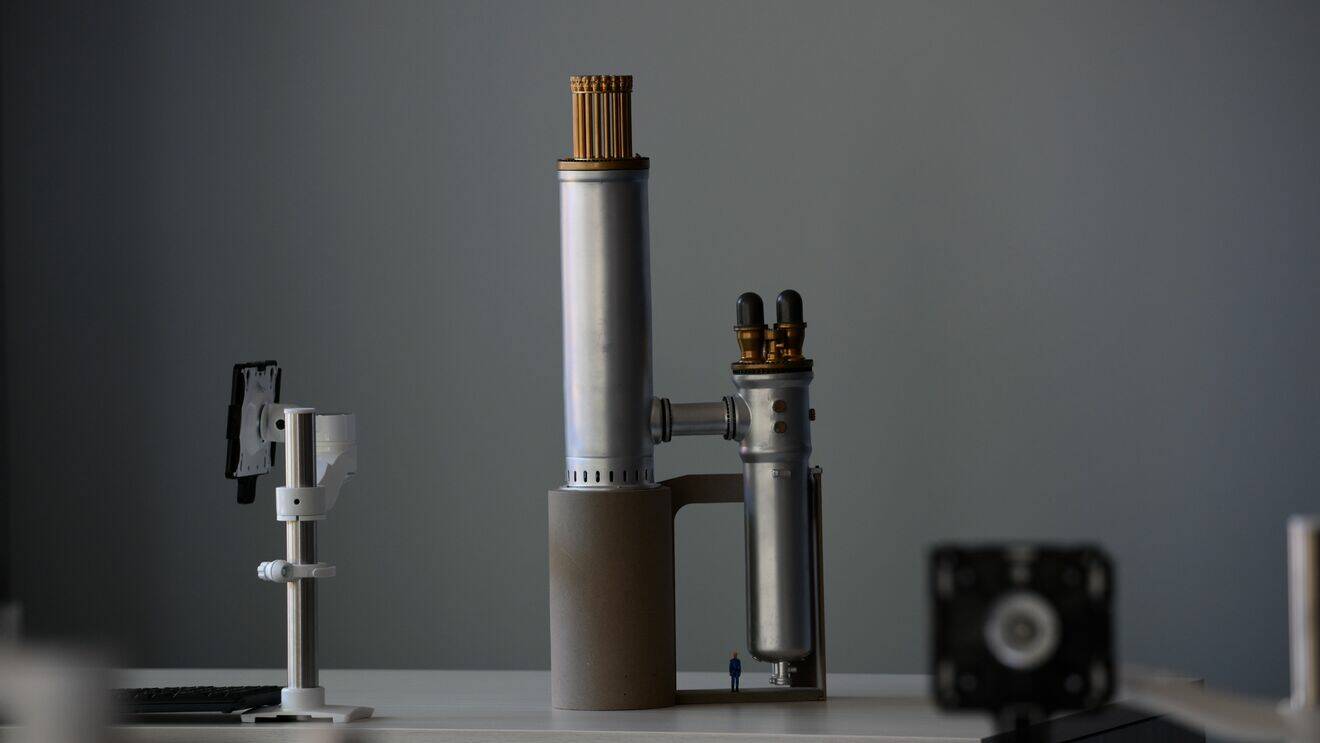
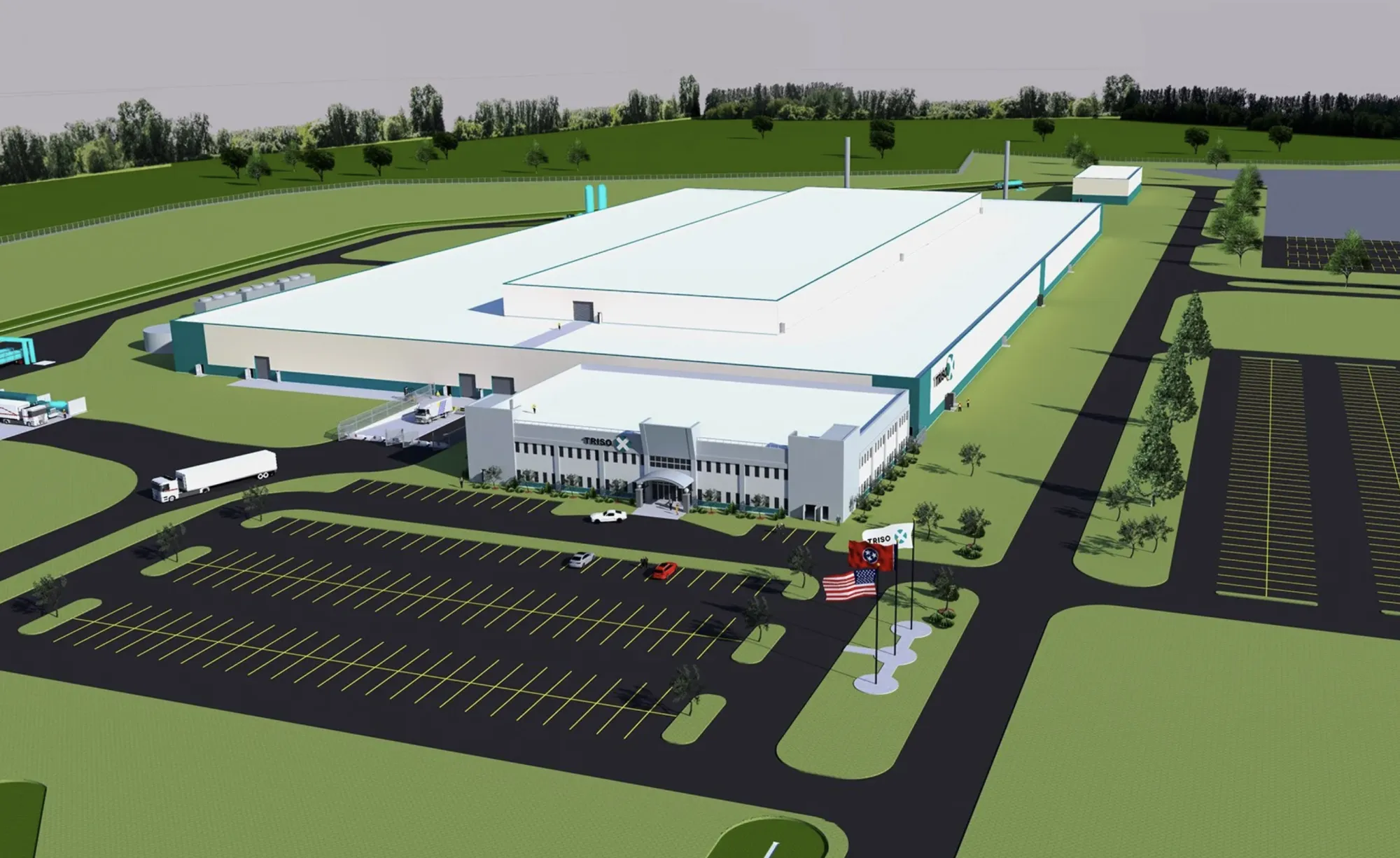
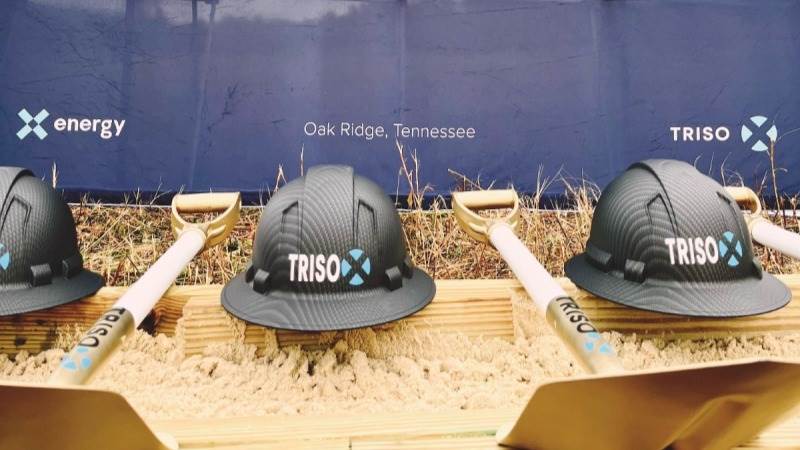
REGULATORY COMPLIANCE BREAKTHROUGH WITH LONG-TERM E-COMMERCE IMPLICATIONS: The Nuclear Regulatory Commission's February 14, 2026 approval of TRISO-X (Amazon-backed X-Energy's subsidiary) to manufacture HALEU fuel represents the first new nuclear fuel production license issued in approximately 50 years. This historic regulatory clearance removes a 50-year compliance barrier that had effectively prevented domestic advanced reactor fuel production, creating a high-entry-barrier moat for compliant manufacturers. The license was issued under 10 CFR Part 70 (special nuclear material regulations) and permits TRISO-X to operate two commercial facilities—TX-1 and TX-2—for an initial 40-year period. TX-1 construction in Oak Ridge, Tennessee is expected to complete in 2026, with commercial production commencing in 2028 following final NRC on-site inspection approval.
COMPLIANCE COST AND TIMELINE ANALYSIS FOR COMPETING MANUFACTURERS: The approval was completed three months ahead of schedule, demonstrating that streamlined regulatory pathways exist for technically qualified applicants. However, the comprehensive safety review and environmental impact assessment required for this license typically spans 5-10 years for new applicants—creating a significant competitive moat. The TX-1 facility will produce approximately 700,000 TRISO pebbles annually, sufficient for roughly 11 Xe-100 reactors (each producing 80 megawatts continuously for 60 years). Amazon's contracted 5-gigawatt power delivery commitment by 2039 (equivalent to approximately 144 Xe-100 reactors) indicates massive production scaling ahead. For e-commerce sellers, this matters because Amazon's energy independence strategy directly impacts data center operational costs, fulfillment network efficiency, and platform fee structures. AI-focused data centers require up to 50 times more power than traditional AWS campuses—a constraint that has driven Amazon's $500 million investment in nuclear solutions.
MARKET ELIMINATION AND ALTERNATIVE COMPLIANCE PATHWAYS: The regulatory approval effectively eliminates foreign uranium enrichment dependency for advanced reactor fuel, signaling U.S. government commitment to domestic nuclear supply chains under Trump administration policies supporting expedited nuclear reviews. This creates a compliance moat: any competing manufacturer seeking to produce HALEU fuel domestically must now navigate the same 10 CFR Part 70 regulatory framework, requiring 5-10 year timelines and substantial capital investment. The TX-2 facility (currently in design phase) will dramatically expand production capacity, but competing manufacturers face the same regulatory bottleneck. For sellers, the strategic implication is clear: Amazon's energy cost reduction through nuclear power could translate to lower fulfillment fees, improved data center reliability, and enhanced logistics efficiency starting in the early 2030s when initial reactors come online. The 50-year licensing gap indicates this is a once-in-a-generation infrastructure shift that will reshape cloud computing economics.
Questions 7
What is the compliance timeline for competing manufacturers seeking HALEU fuel production licenses?
The NRC approval completed three months ahead of schedule, but the comprehensive safety review and environmental impact assessment typically require 5-10 years for new applicants. TRISO-X's accelerated timeline reflects years of pilot facility development at Oak Ridge National Laboratory (beginning 2016) and technical leadership. Competing manufacturers must navigate 10 CFR Part 70 (special nuclear material regulations) and demonstrate federal safety, safeguards, and security compliance before receiving final approval. The 50-year gap since the last fuel production license indicates this is an extremely high-barrier compliance process. For sellers, this creates a competitive moat: Amazon's first-mover advantage in domestic HALEU production means competitors cannot quickly replicate this energy cost advantage, protecting Amazon's fulfillment network efficiency through the 2030s.
How does Amazon's nuclear fuel license approval affect e-commerce seller fees and fulfillment costs?
Amazon's NRC-approved HALEU fuel production facility directly impacts seller economics through reduced data center operational costs. The TX-1 facility (producing 700,000 pebbles annually by 2028) will power approximately 11 Xe-100 reactors, each generating 80 megawatts continuously for 60 years. As Amazon's contracted 5-gigawatt power delivery materializes by 2039, the company's fulfillment network energy costs will decline significantly. Industry analysis suggests nuclear power can reduce data center electricity costs by 30-40% compared to grid power, potentially translating to 2-5% reductions in FBA fulfillment fees within 3-5 years of reactor deployment. Sellers should monitor Amazon's quarterly earnings calls for guidance on cost structure improvements beginning in 2030-2031 when initial reactors come online.