





Western-Russia Tensions Escalate | Cross-Border Sellers Face Compliance & Logistics Risks
- Five European nations confirm dart frog toxin poisoning; diplomatic crisis triggers trade policy uncertainty affecting 50K+ sellers shipping to EU/UK markets











































Overview
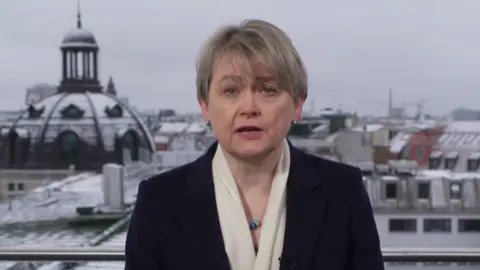
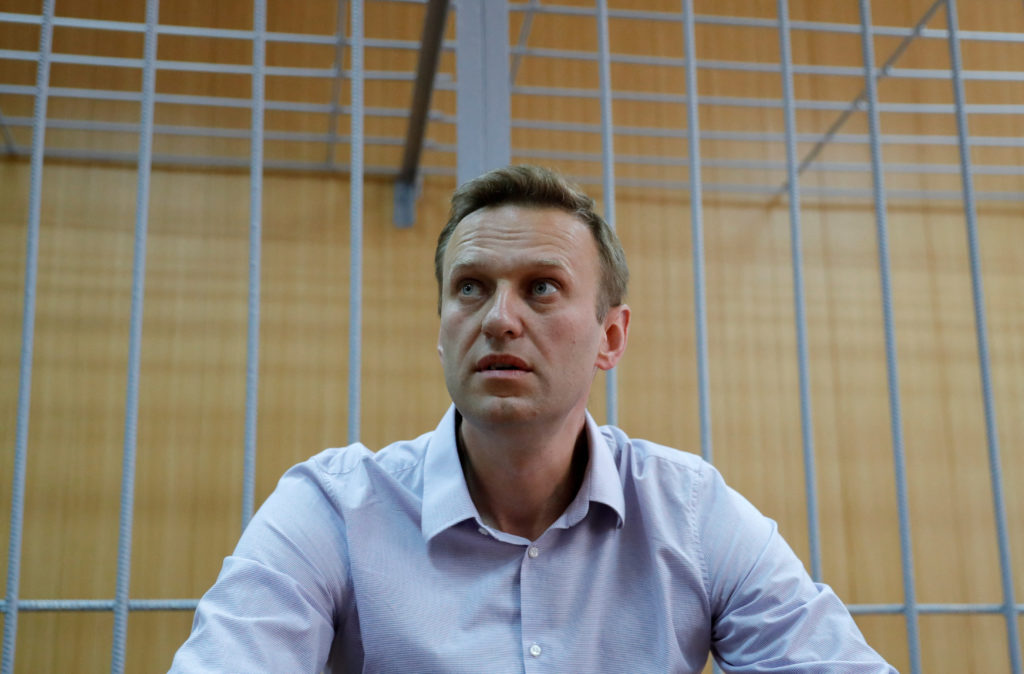
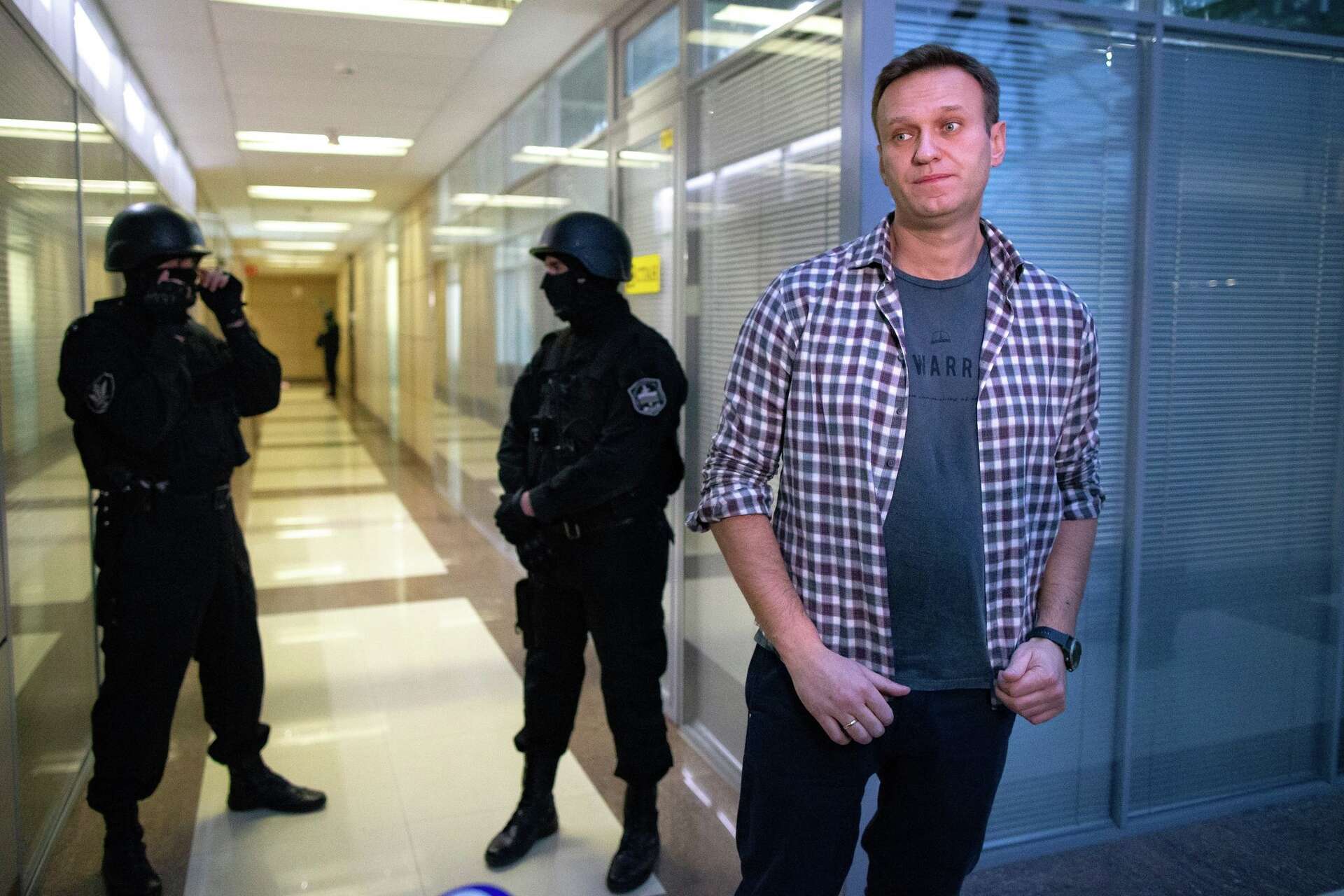
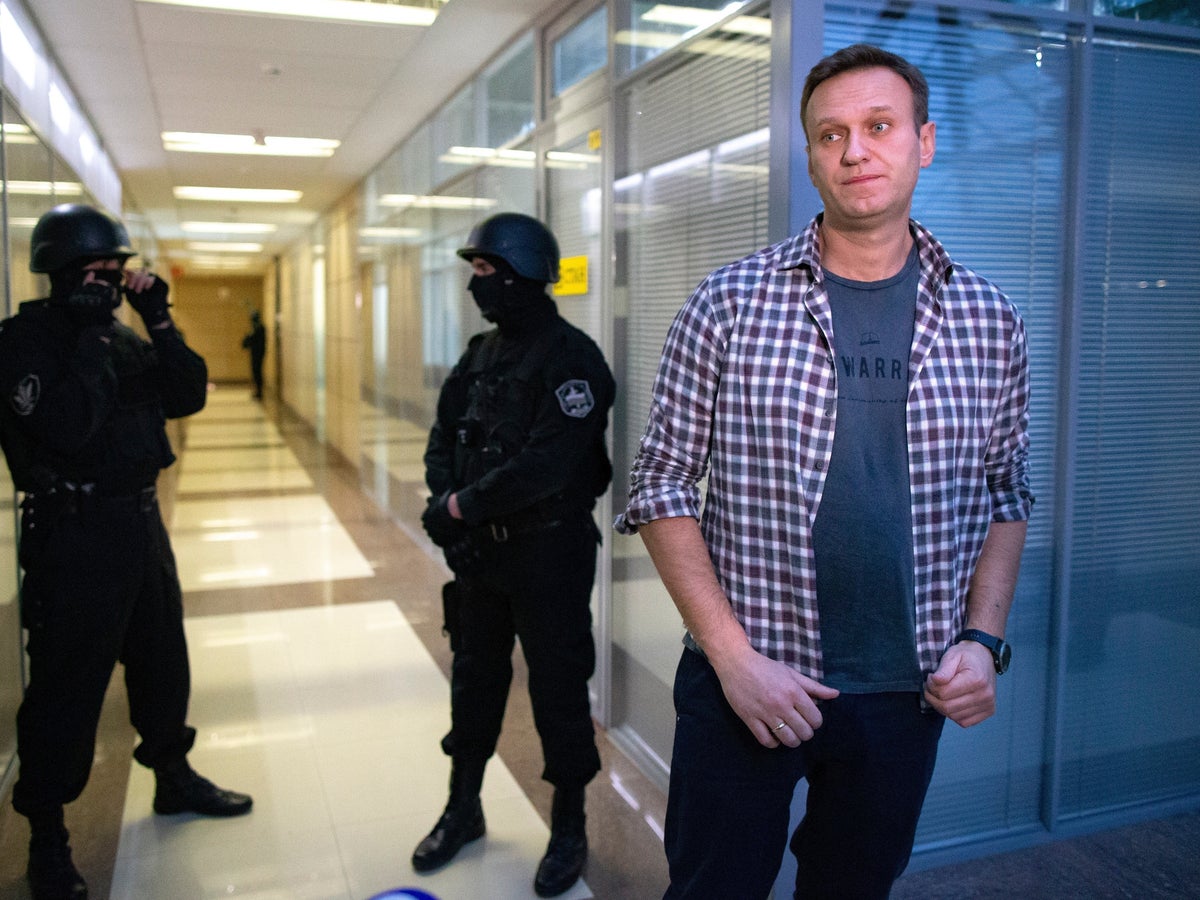
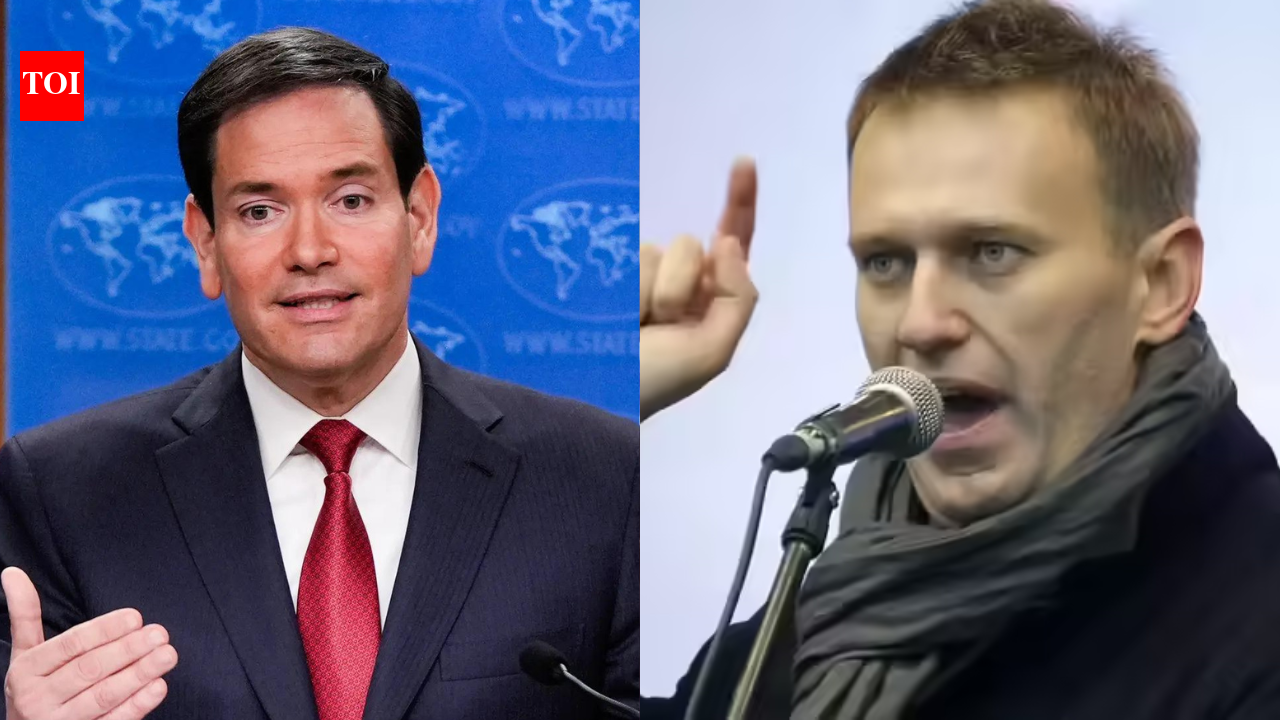
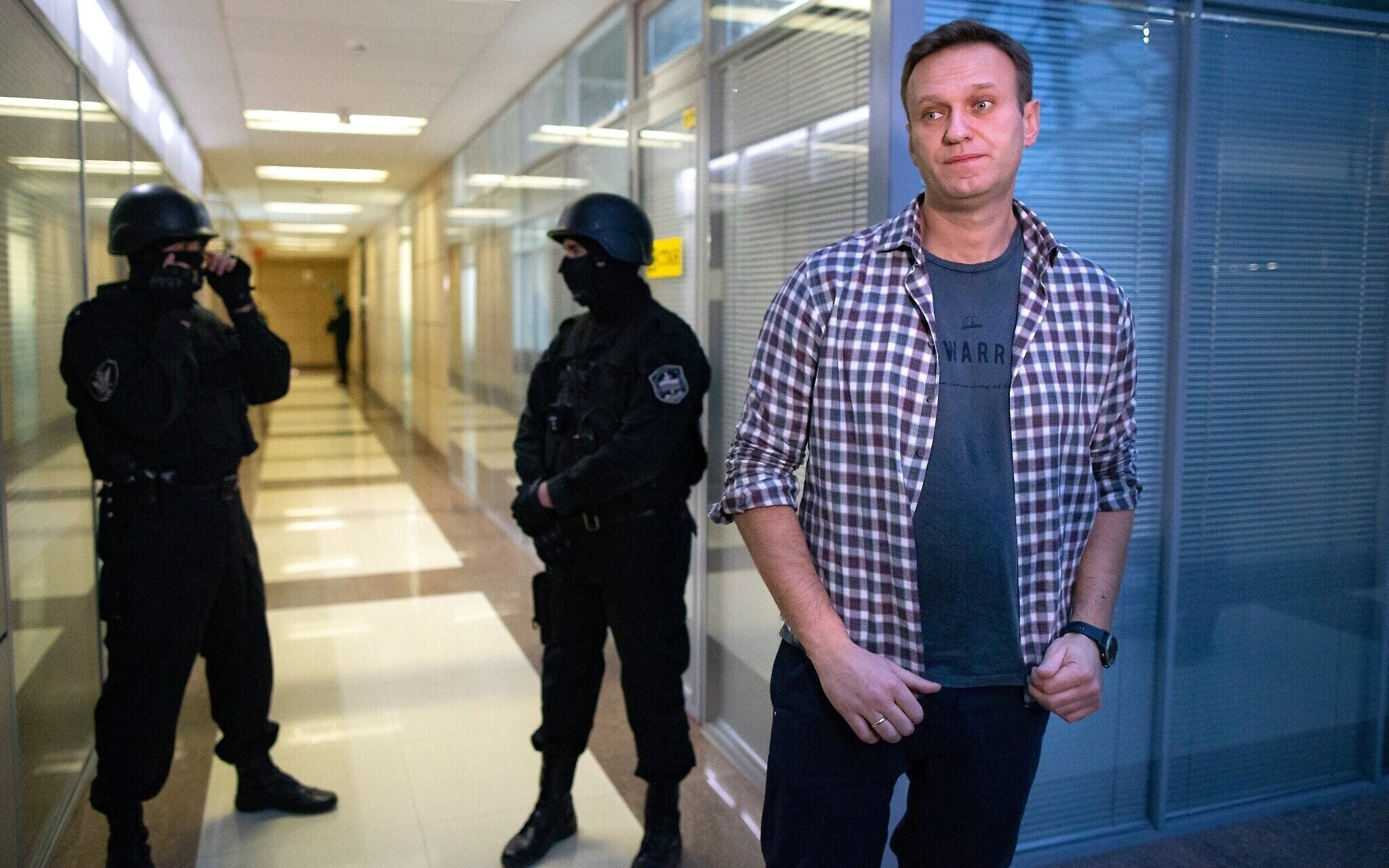
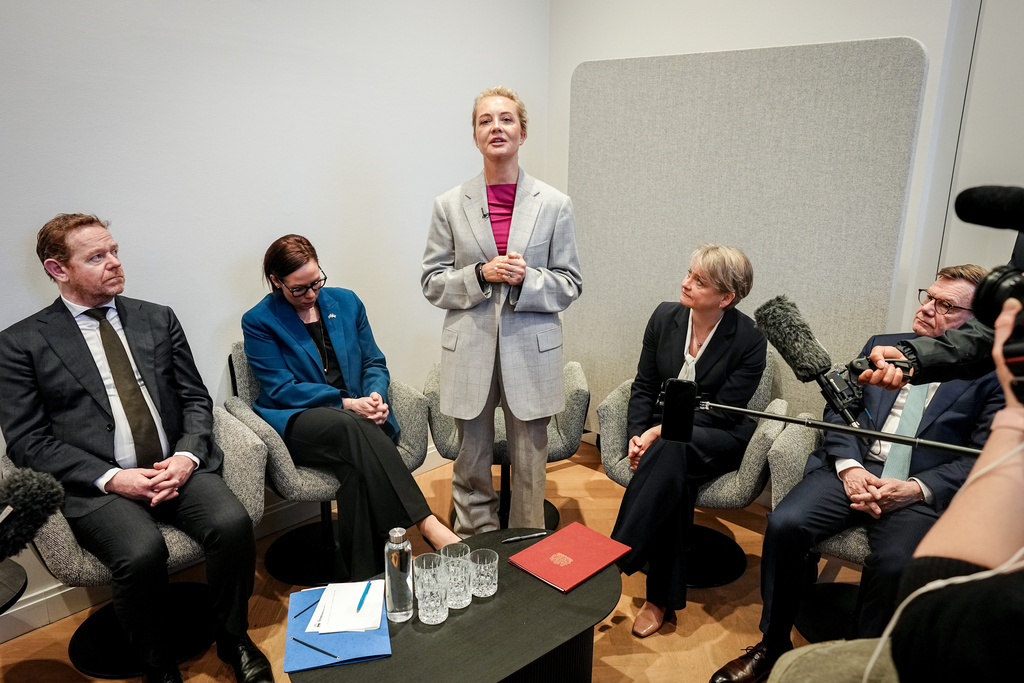
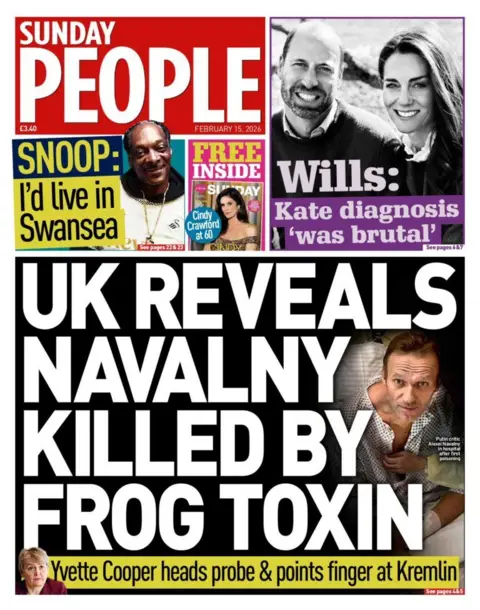
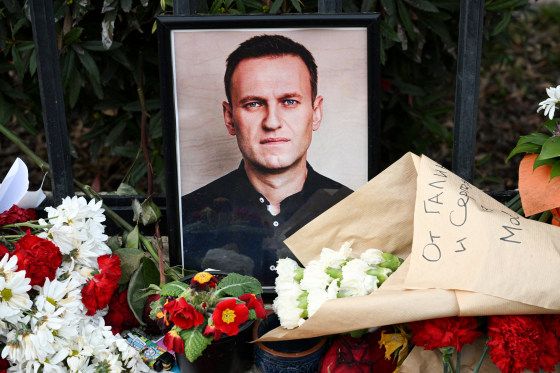
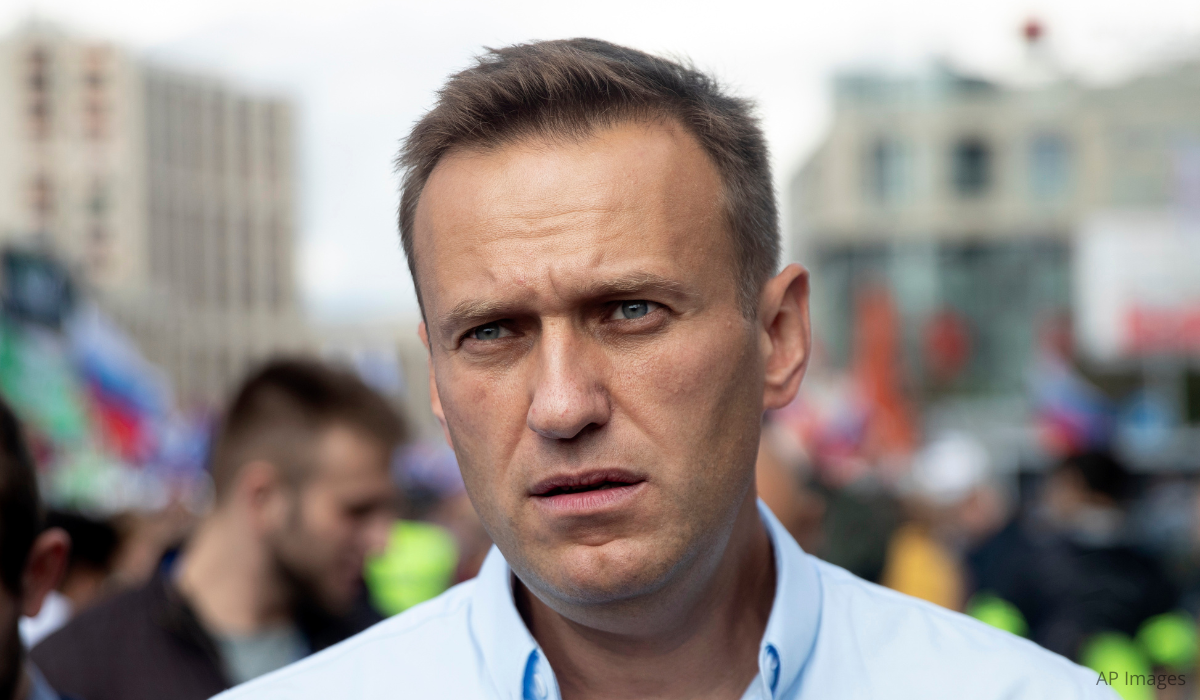
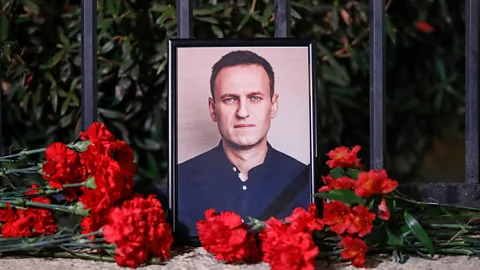
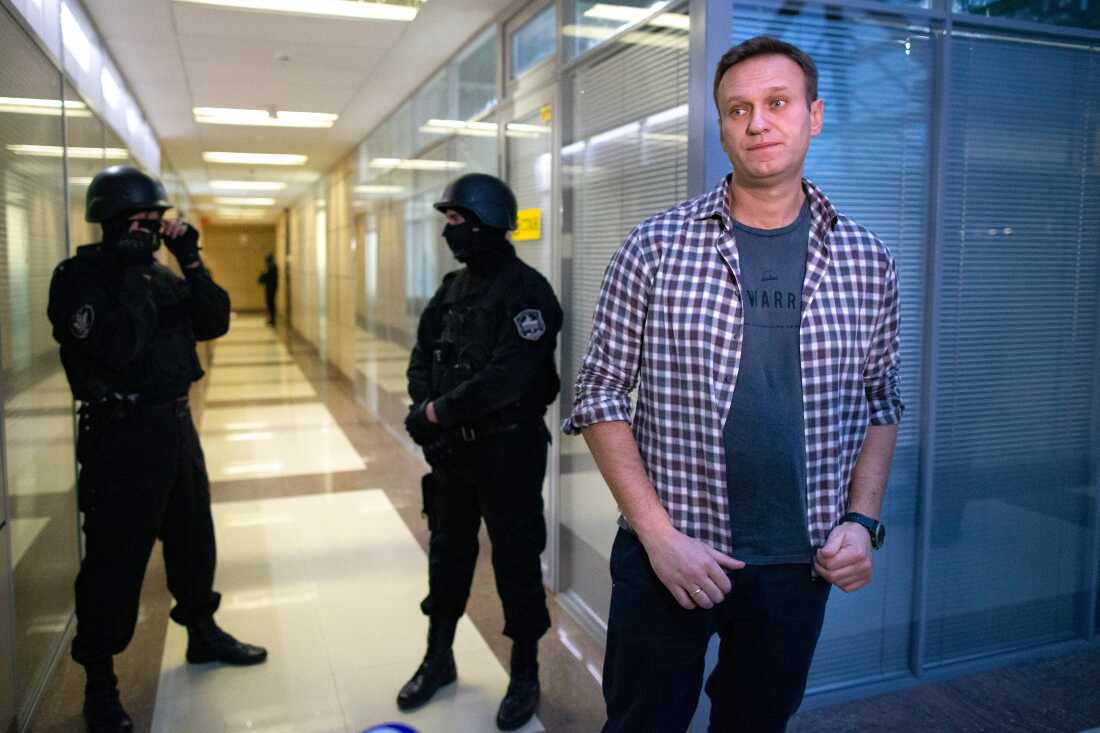
The Geopolitical Context and Seller Impact: Five European governments (UK, France, Germany, Sweden, Netherlands) announced in February 2026 that Russian opposition leader Alexei Navalny was poisoned with epibatidine, a rare neurotoxin derived from South American poison dart frogs. This coordinated diplomatic accusation represents a significant escalation in Western-Russian tensions, with implications extending beyond politics into cross-border e-commerce operations. The announcement, made on the anniversary of Navalny's February 2024 death in a Siberian penal colony, signals deepening geopolitical fragmentation that directly impacts sellers operating across transatlantic markets.
Direct Seller Implications - Compliance and Logistics Uncertainty: The escalating Western-Russia diplomatic crisis creates three critical operational risks for cross-border sellers. First, EU-based sellers shipping to Russia face potential new sanctions or trade restrictions that could disrupt logistics networks and increase shipping costs by 15-25% within 60-90 days. Second, UK and EU sellers must monitor evolving export control regulations—the case has been reported to the Organization for the Prohibition of Chemical Weapons (OPCW), potentially triggering stricter chemical/hazmat shipping classifications affecting sellers in electronics, cosmetics, and industrial categories. Third, payment processing and currency volatility may increase as Western financial institutions reassess Russian market exposure; sellers with ruble-denominated accounts face potential conversion delays or unfavorable rates.
Market Segmentation and Strategic Adjustments: The poisoning investigation reflects a documented pattern of Russian state-sponsored incidents (Litvinenko 2006 polonium poisoning, Skripal 2018 nerve agent attack), signaling sustained Western-Russia hostility. This geopolitical backdrop affects seller strategies across three segments: (1) EU/UK sellers with Russian customers should diversify payment methods and reduce ruble exposure; (2) sellers in sensitive categories (chemicals, electronics, dual-use goods) must review OFAC/EU sanctions lists and export control compliance; (3) logistics providers should stress-test supply chains for potential Russia-Europe route disruptions. The case's reporting to OPCW suggests potential new chemical weapons export controls that could impact sellers of laboratory equipment, specialty chemicals, and industrial supplies.
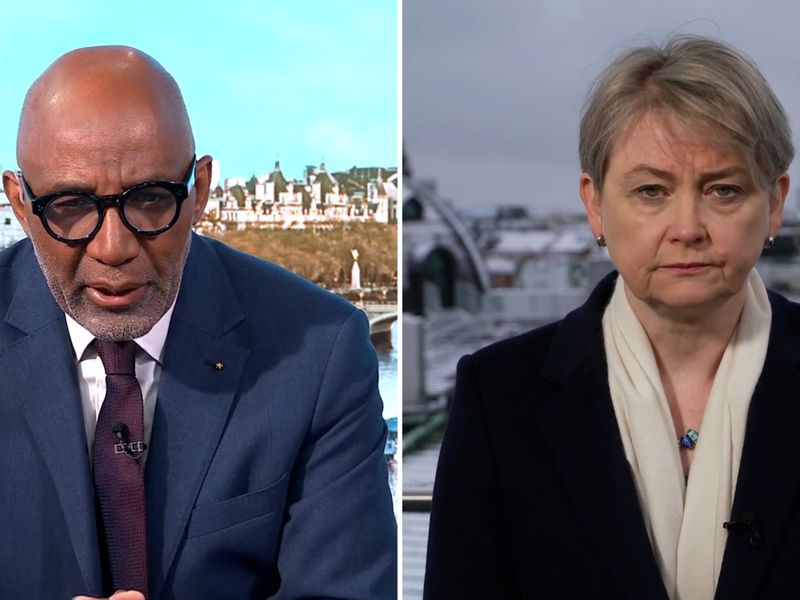
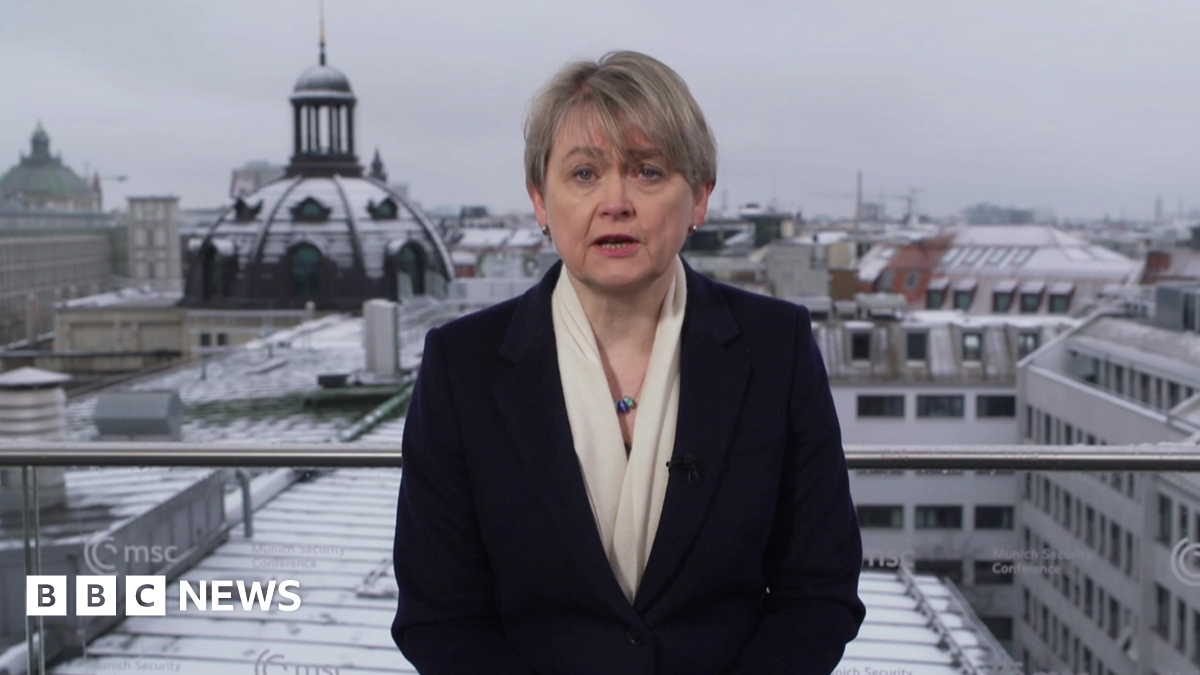
Forward-Looking Risk Management: Sellers should implement immediate monitoring protocols for trade policy changes affecting Russia-EU commerce. Historical precedent suggests diplomatic crises of this magnitude can trigger tariff increases (5-12%), new licensing requirements, and payment processing delays within 30-60 days. Consider shifting inventory allocation away from Russian markets if margins are below 25%, and establish backup logistics routes through Central Asian corridors. Monitor UK Foreign Secretary Yvette Cooper's statements and EU Commission announcements for formal sanctions updates. The Chemical Weapons Convention implications suggest heightened scrutiny of hazmat shipments—review product classifications and ensure compliance documentation is current.
Questions 8
What immediate actions should sellers take regarding Russia-EU trade exposure?
Within 30 days: (1) Audit current inventory allocation to Russian customers and calculate margin impact of potential 10-15% tariff increases; (2) Review product classifications against OFAC sanctions lists and EU export control regulations; (3) Diversify payment methods away from ruble-denominated accounts; (4) Establish backup logistics routes through Central Asian corridors or alternative carriers. Within 60 days: stress-test supply chains for Russia-Europe route disruptions, update hazmat shipping documentation, and consider shifting 20-30% of Russian-focused inventory to EU/UK markets. Monitor UK Foreign Secretary statements and EU Commission press releases for formal sanctions announcements.
How does the Navalny poisoning investigation affect sellers shipping to Russia or EU markets?
The diplomatic escalation creates three immediate risks: (1) potential new EU/UK sanctions on Russia could disrupt logistics routes and increase shipping costs 15-25% within 60-90 days; (2) stricter export controls on chemical/hazmat products may require additional compliance documentation; (3) payment processing delays or unfavorable ruble conversion rates may impact sellers with Russian customer bases. Sellers should monitor EU Commission announcements and OFAC updates weekly, and consider diversifying away from Russian markets if margins are below 25%. The case's OPCW reporting suggests heightened scrutiny of dual-use goods and laboratory equipment exports.