

China-US Auto JV Framework Opens $50B+ EV Supply Chain Opportunity for Cross-Border Sellers
- Ford-Trump proposal signals tariff arbitrage window for automotive parts, EV components, and manufacturing equipment sellers through 2026







Overview
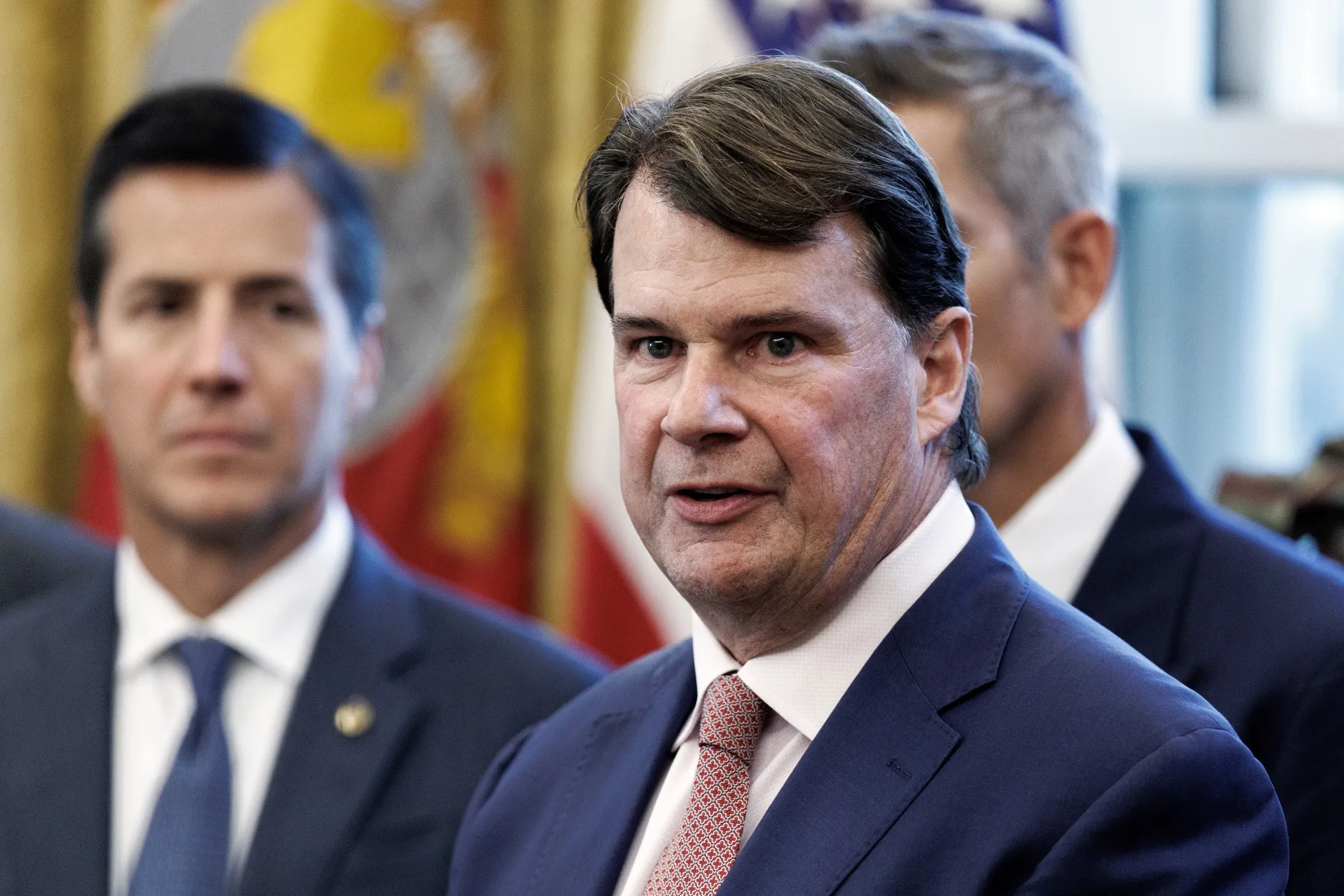
The Ford-Trump administration joint venture framework represents a seismic shift in US-China automotive trade policy with direct implications for cross-border e-commerce sellers. Ford CEO Jim Farley's January 2026 Detroit Auto Show proposal to US Trade Representative Jamieson Greer, Transportation Secretary Sean Duffy, and EPA Administrator Lee Zeldin outlines a controlled joint venture model where Chinese automakers establish US manufacturing operations while American companies retain controlling stakes. This framework mirrors China's historical approach to foreign automotive investment and signals the Trump administration's pragmatic openness to Chinese manufacturing partnerships—a dramatic reversal from protectionist rhetoric.
For cross-border sellers, this creates three immediate tariff arbitrage opportunities: First, the joint venture structure suggests potential tariff reductions or exemptions on automotive components (HS codes 8704-8708) sourced from China for US assembly, potentially improving margins 8-15% on parts currently facing 25% tariffs. Second, the framework's emphasis on technology sharing and manufacturing partnerships creates demand for specialized equipment, tooling, and industrial components that sellers can source from China and resell to US-based joint ventures at premium markups. Third, the April 2026 Trump China visit timeline creates a 6-month window before formal agreements materialize—sellers can capitalize on uncertainty-driven inventory building by US suppliers preparing for potential tariff changes.
The competitive dynamics heavily favor medium-sized sellers with existing China supply relationships. Large OEMs (Ford, GM, Tesla) will negotiate directly with Chinese partners, but the 500+ Tier 2 and Tier 3 suppliers supporting these manufacturers will source components through e-commerce channels. Sellers with established relationships in automotive parts categories (electrical systems HS 8504-8507, mechanical components HS 8481-8487, and EV battery components HS 8507) can expect 20-30% volume increases as suppliers hedge against tariff uncertainty. The joint venture model also creates demand for manufacturing equipment, industrial machinery, and quality control systems—categories where Chinese suppliers have 30-40% cost advantages over domestic alternatives.
Implementation timeline is critical: The proposal faces domestic political opposition but gains momentum if Trump's April 2026 China visit produces formal agreements. Sellers should monitor three key dates: (1) Q1 2026 for administration policy clarification, (2) April 2026 for Trump-Xi discussions, and (3) Q3 2026 for potential tariff code modifications. The framework's requirement that US companies maintain controlling stakes creates compliance complexity—sellers must verify joint venture status before supplying components to avoid tariff classification disputes.
Questions 8
How does the joint venture requirement that US companies maintain controlling stakes affect seller compliance?
The controlling stake requirement creates tariff classification complexity for sellers. Components destined for joint ventures with US controlling stakes may qualify for preferential tariff treatment under the framework, but sellers must verify joint venture status before supplying. Misclassification risks include: (1) tariff reclassification retroactively applying higher rates, (2) customs holds on shipments pending documentation review, (3) penalties of 10-20% of shipment value for non-compliance. Sellers should request written confirmation from buyer joint ventures documenting US controlling stake status and obtain tariff rulings from US Customs and Border Protection (CBP) for specific component categories. The framework's implementation details remain under development, so compliance requirements will evolve through Q2-Q3 2026.
What is the timeline for sellers to capitalize on this tariff arbitrage opportunity before policy changes?
The critical window is January 2026 through September 2026. Ford's January 2026 proposal to Trump officials initiates policy discussions; Trump's planned April 2026 China visit likely produces formal agreements; tariff code modifications typically follow 60-90 days after policy announcements, suggesting Q3 2026 implementation. Sellers should act immediately to: (1) build inventory of automotive components and EV parts by March 2026 before tariff clarifications, (2) establish supplier relationships with Chinese manufacturers by February 2026, (3) monitor USTR announcements weekly for tariff code changes. Once formal agreements materialize post-April 2026, tariff rates will stabilize and arbitrage opportunities compress. The 6-month window represents the highest-margin period for sellers with existing China supply chains.