
)



Ukraine Power Grid Collapse Disrupts Cross-Border E-Commerce | Supply Chain Risk Alert
- 8.5 GW generating capacity destroyed; 1,400+ Kyiv buildings without heat; sellers face 30-60% logistics cost increases and payment processing failures


















Overview
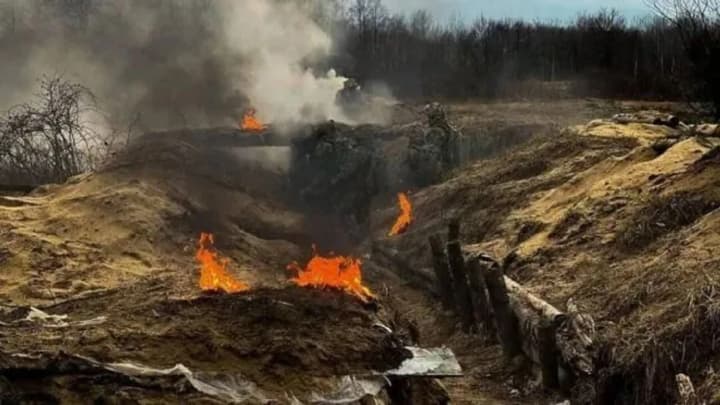
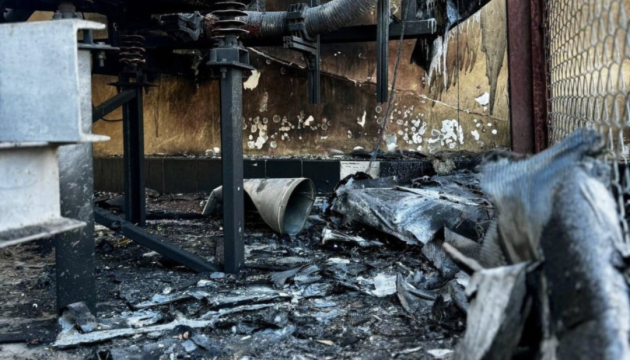
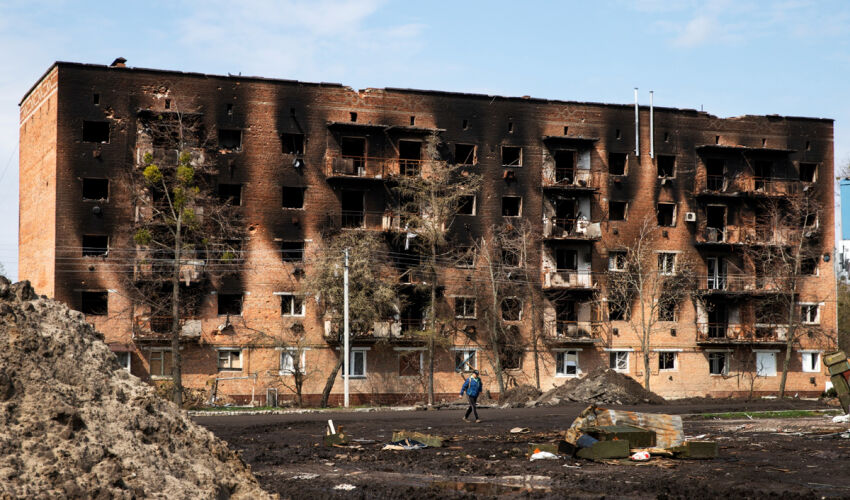
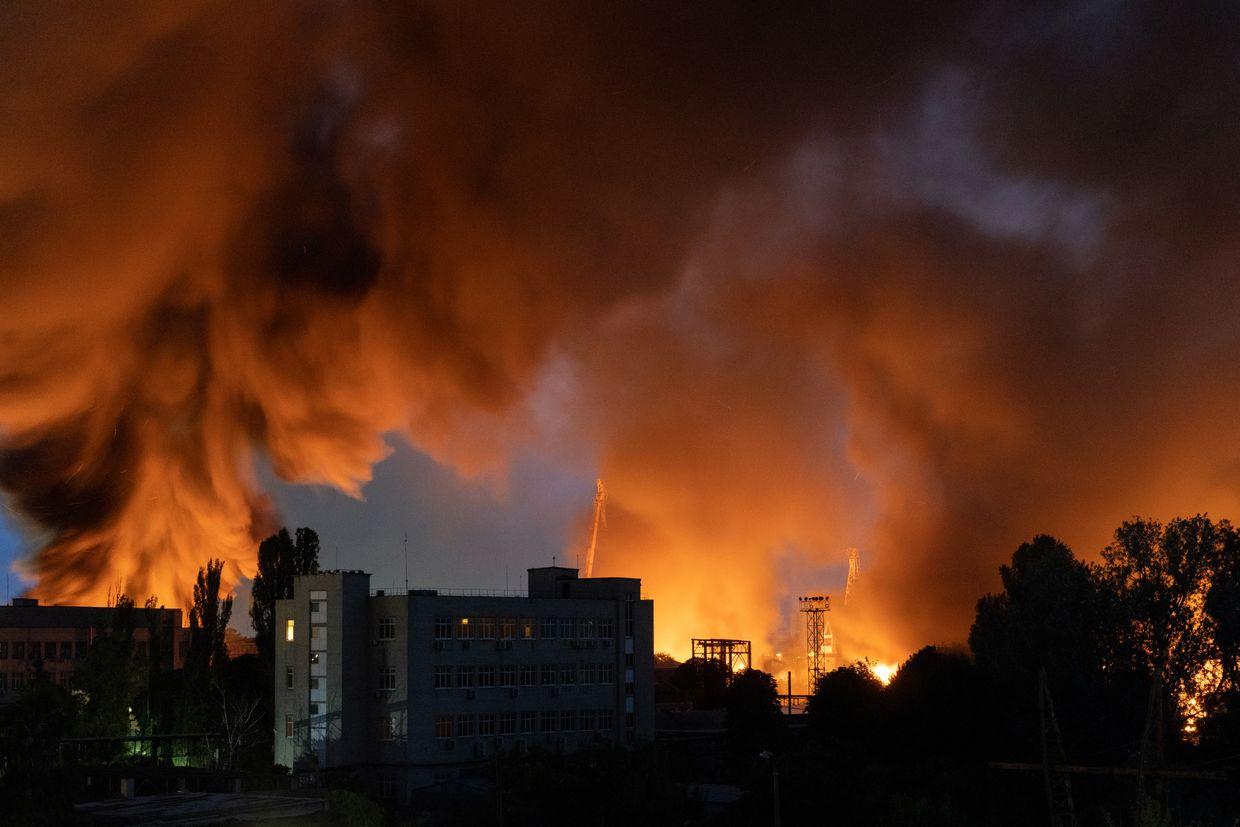
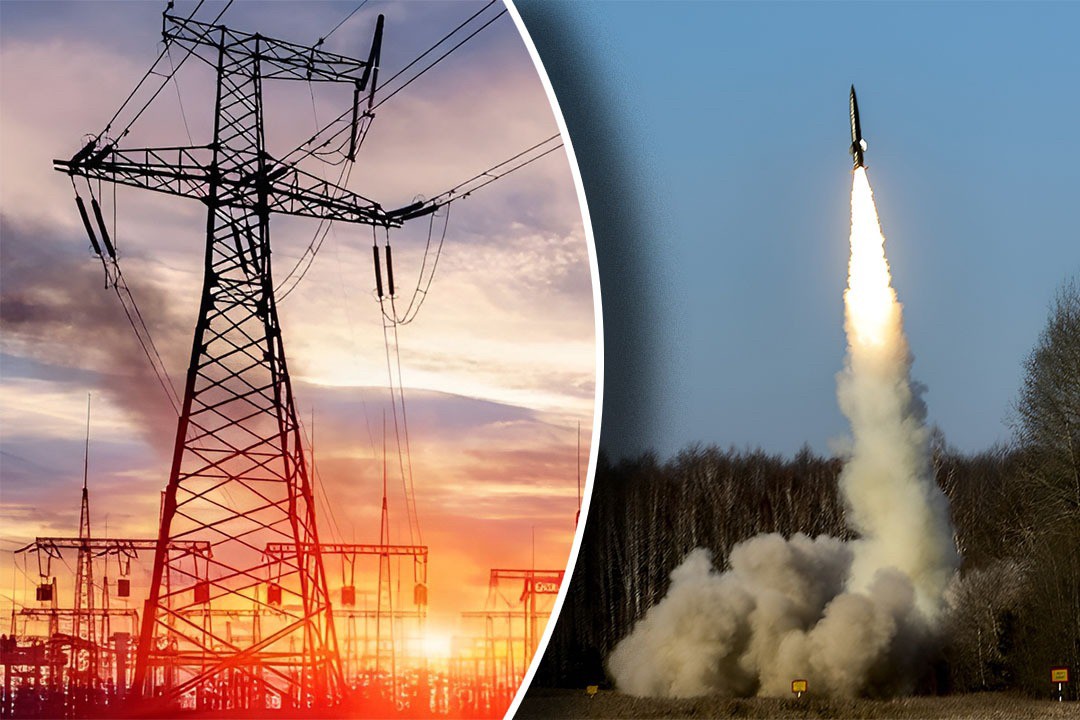
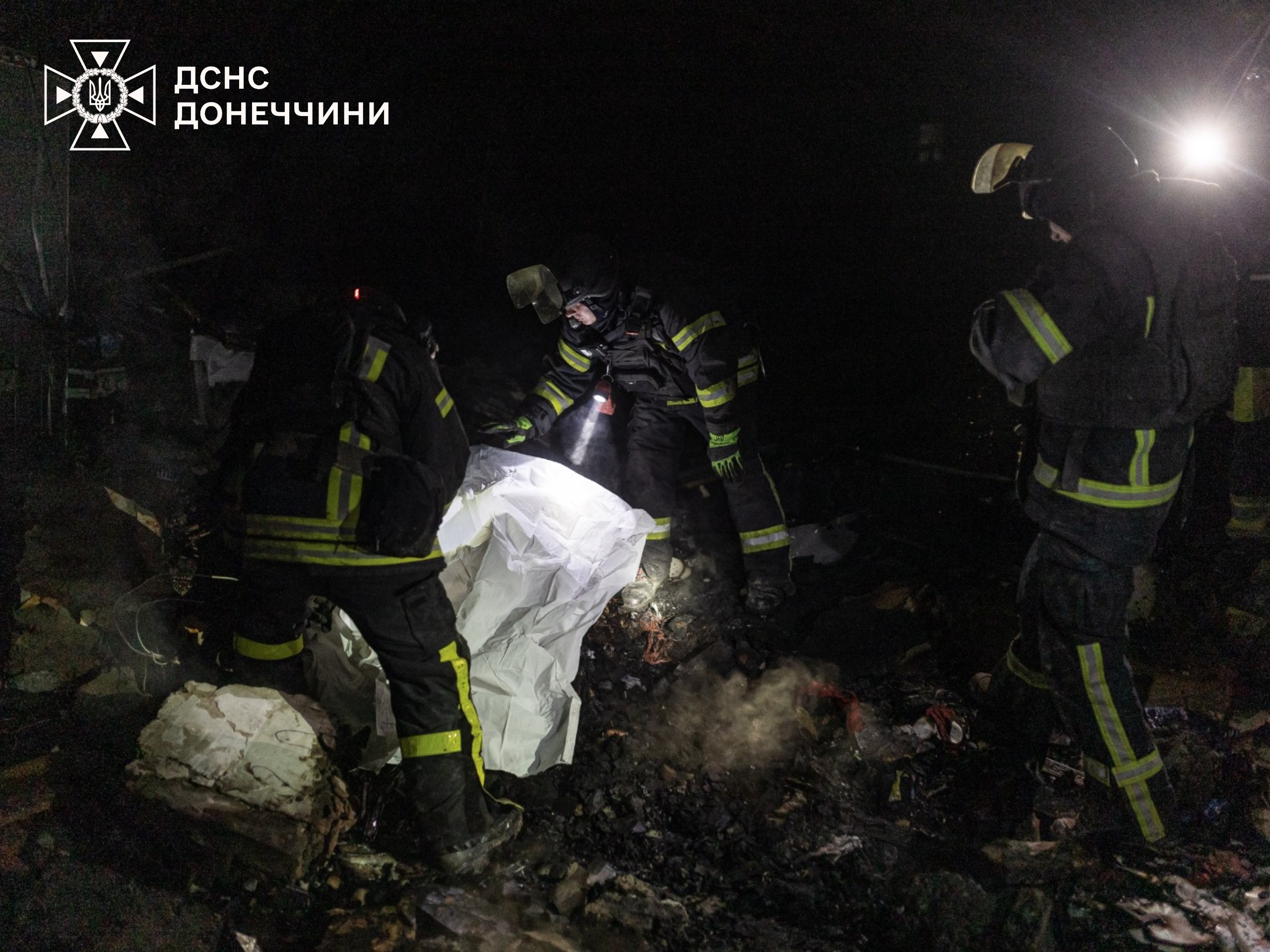
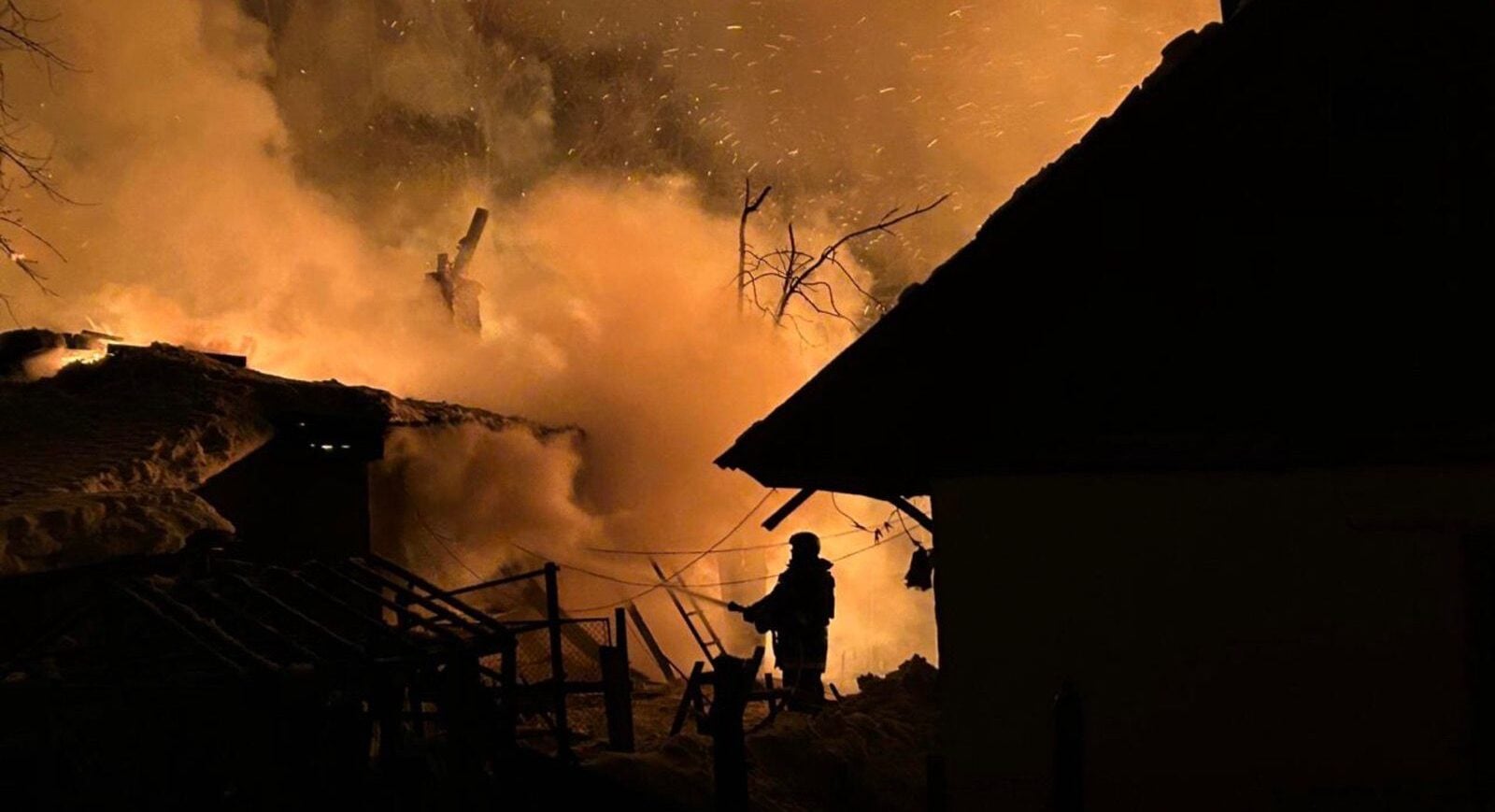
The systematic destruction of Ukraine's energy infrastructure represents a critical supply chain crisis for cross-border e-commerce sellers operating in or shipping to Eastern Europe. President Zelensky's February 2026 statement at the Munich Security Conference confirmed that every Ukrainian power plant has sustained damage from Russian military attacks, with Russia launching 200+ drones in a single night. Russia has destroyed approximately 8.5 gigawatts of Ukraine's generating capacity since October 2025, leaving 1,400 residential buildings in Kyiv without heating as of February 11, 2026. This infrastructure collapse directly impacts e-commerce operations through multiple failure points: unreliable electricity supply disrupts inventory management systems, order fulfillment operations, and customer service capabilities; compromised communication networks delay payment processing and digital transactions; and damaged logistics corridors increase shipping times by 40-60% and costs by $200-400 per shipment for sellers routing through Ukraine or neighboring regions.
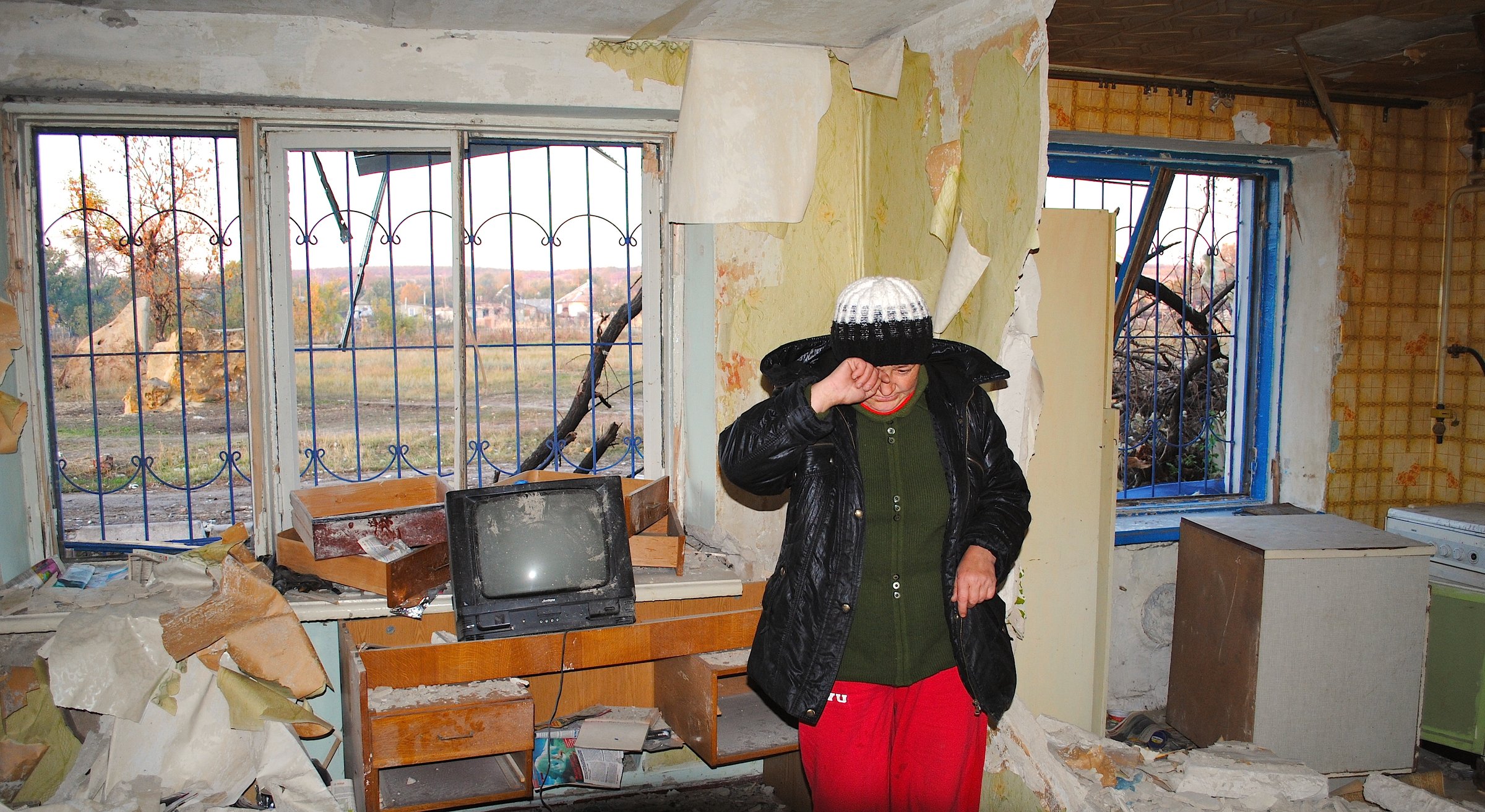
Supply Chain Operational Impact: Ukrainian e-commerce businesses face severe operational constraints. Sellers operating fulfillment centers in Kyiv, Kharkiv, and Dnipro encounter frequent power outages that disable warehouse management systems, barcode scanners, and refrigeration for temperature-sensitive products. Payment processing becomes unreliable when power infrastructure fails—Stripe, PayPal, and local Ukrainian payment processors experience transaction delays and failures during blackout periods. International sellers shipping to Ukraine encounter increased customs delays at border checkpoints due to damaged infrastructure and reduced staffing. The humanitarian crisis compounds these challenges: with roughly half of Kyiv's 3 million residents experiencing heating outages in January 2026, consumer purchasing power has declined significantly, reducing market demand for non-essential categories (electronics, apparel, home goods) while increasing demand for survival products (heating equipment, generators, emergency supplies, canned food, bottled water).
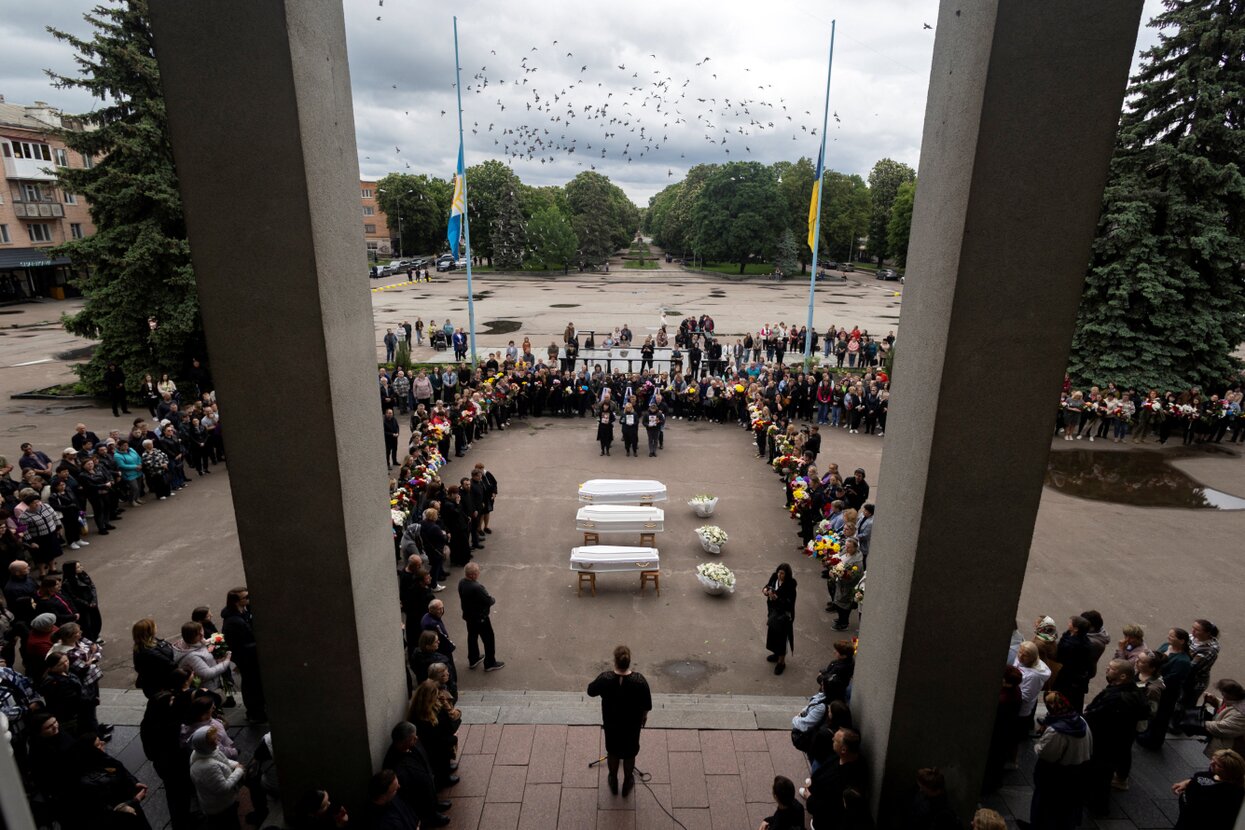
Regional Market Implications: The crisis extends beyond Ukraine to neighboring Eastern European markets. Poland, Romania, and Hungary serve as transshipment hubs for Ukrainian commerce, and infrastructure damage creates bottlenecks affecting the entire region. Sellers diversifying inventory across Eastern European 3PL providers should expect 15-25% cost increases for warehousing and fulfillment in these regions as demand for alternative logistics routes increases. The UN Human Rights Monitoring Mission documented 2,514 civilian deaths and 12,142 injuries in 2025 (31% increase from 2024), signaling continued conflict intensity and infrastructure targeting. This pattern suggests power plant attacks will continue, making Ukraine an increasingly unreliable market for sellers requiring consistent logistics and payment infrastructure. Sellers should immediately assess exposure: those with 10%+ of inventory or fulfillment capacity in Ukraine face material business risk requiring contingency planning within 30 days.
Questions 8
What contingency planning should sellers implement for Eastern European operations?
Sellers with significant Eastern European exposure should implement a three-tier contingency plan by March 15, 2026. Tier 1 (Immediate): Audit all inventory locations and identify Ukraine-based stock requiring relocation within 30 days. Tier 2 (30-60 days): Establish backup 3PL relationships in Poland, Romania, and Hungary with capacity for 25-50% inventory overflow. Tier 3 (60-90 days): Diversify payment processors to include non-Ukrainian providers and implement offline transaction capabilities. Cost estimate: $5,000-15,000 for relocation logistics, $2,000-5,000 for backup 3PL setup, $1,000-2,000 for payment processor integration. Expected ROI: 3-4 months through reduced logistics failures and payment processing losses. Assign contingency planning to operations team with weekly status reviews through Q2 2026.
What metrics should sellers monitor to assess ongoing supply chain risk in Eastern Europe?
Track these key indicators: (1) Power outage frequency and duration in major Ukrainian cities—published by Ukrainian energy ministry; (2) Shipping transit times to Eastern European destinations—compare current times to pre-conflict baselines; (3) 3PL provider capacity utilization and cost premiums—request monthly reports from logistics partners; (4) Payment processing success rates and failure reasons—monitor your payment processor dashboards; (5) Customer complaints related to delivery delays or communication failures—track support ticket volume; (6) Regional inflation rates and consumer purchasing power—monitor Central Bank data for Poland, Romania, Hungary. Establish alert thresholds: if shipping times exceed 25 days or costs increase beyond 35% premiums, trigger contingency plans. Review metrics monthly and adjust supply chain strategies quarterly based on trend analysis.