




European Defense Spending Surge 2026 | Cross-Border Sellers' Supply Chain & Tariff Opportunities
- €100B+ defense budget increases across EU/NATO create tariff exemptions, supply chain reshuffling, and 18-24 month procurement windows for industrial sellers


























Overview
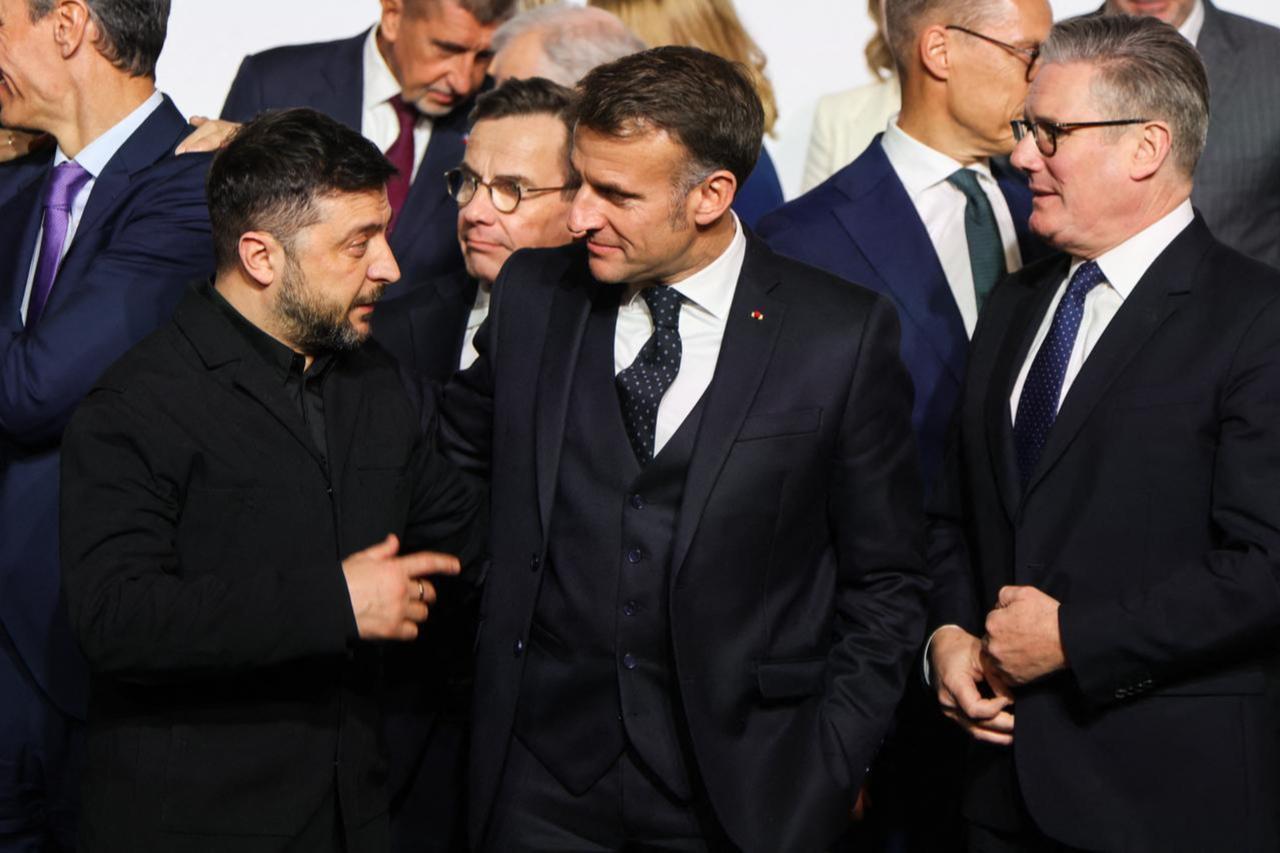
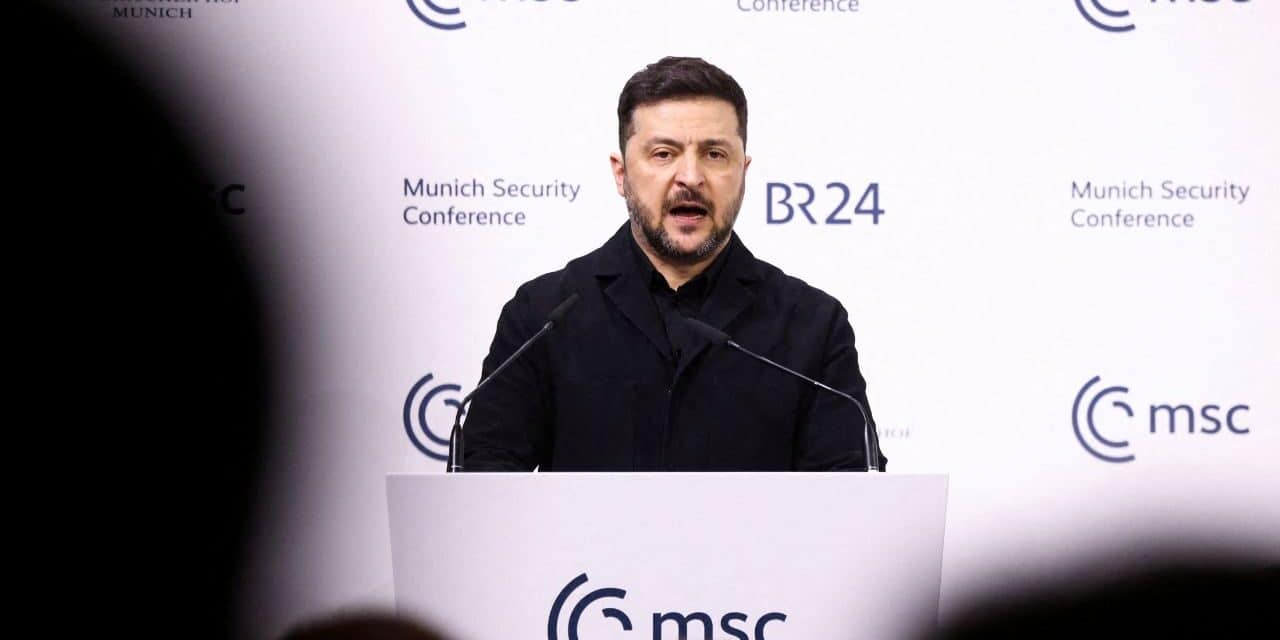
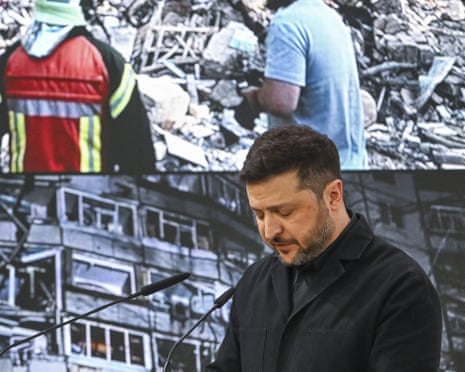
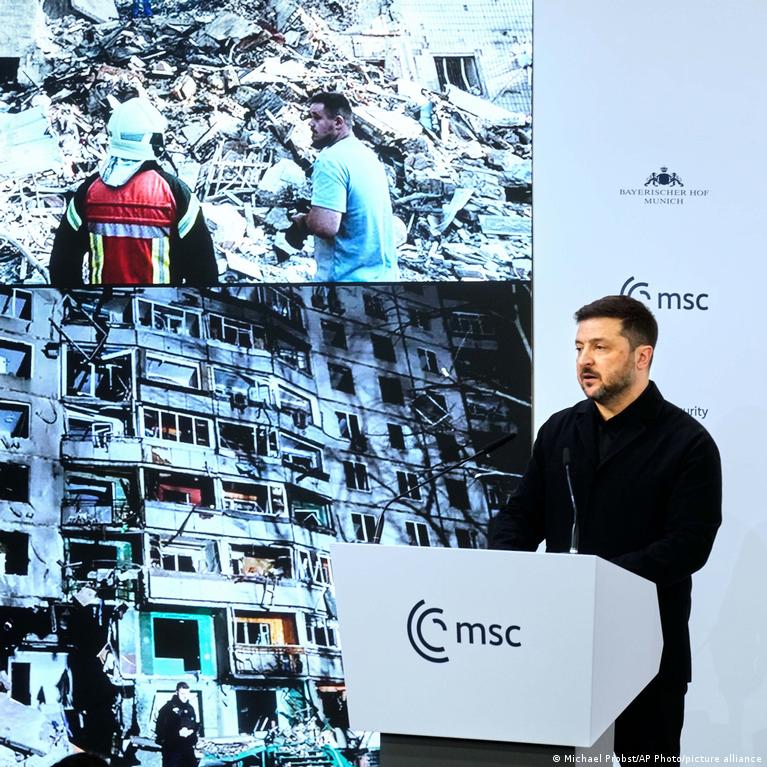
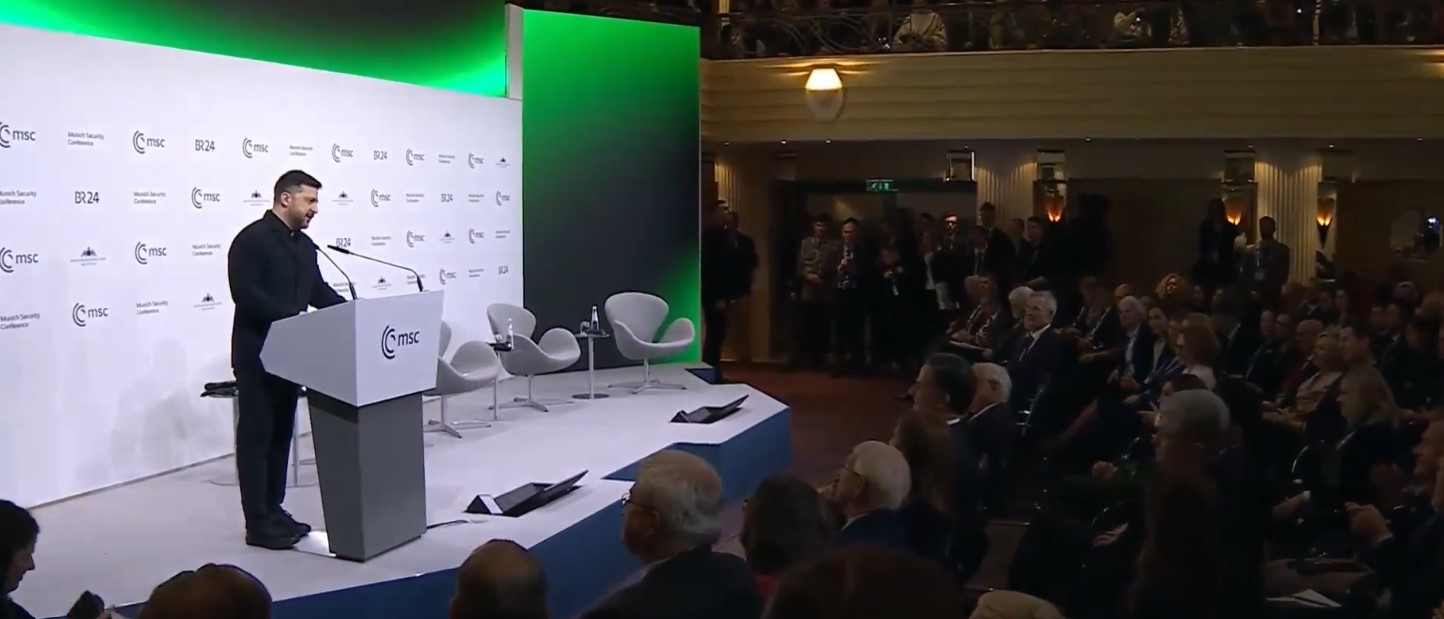
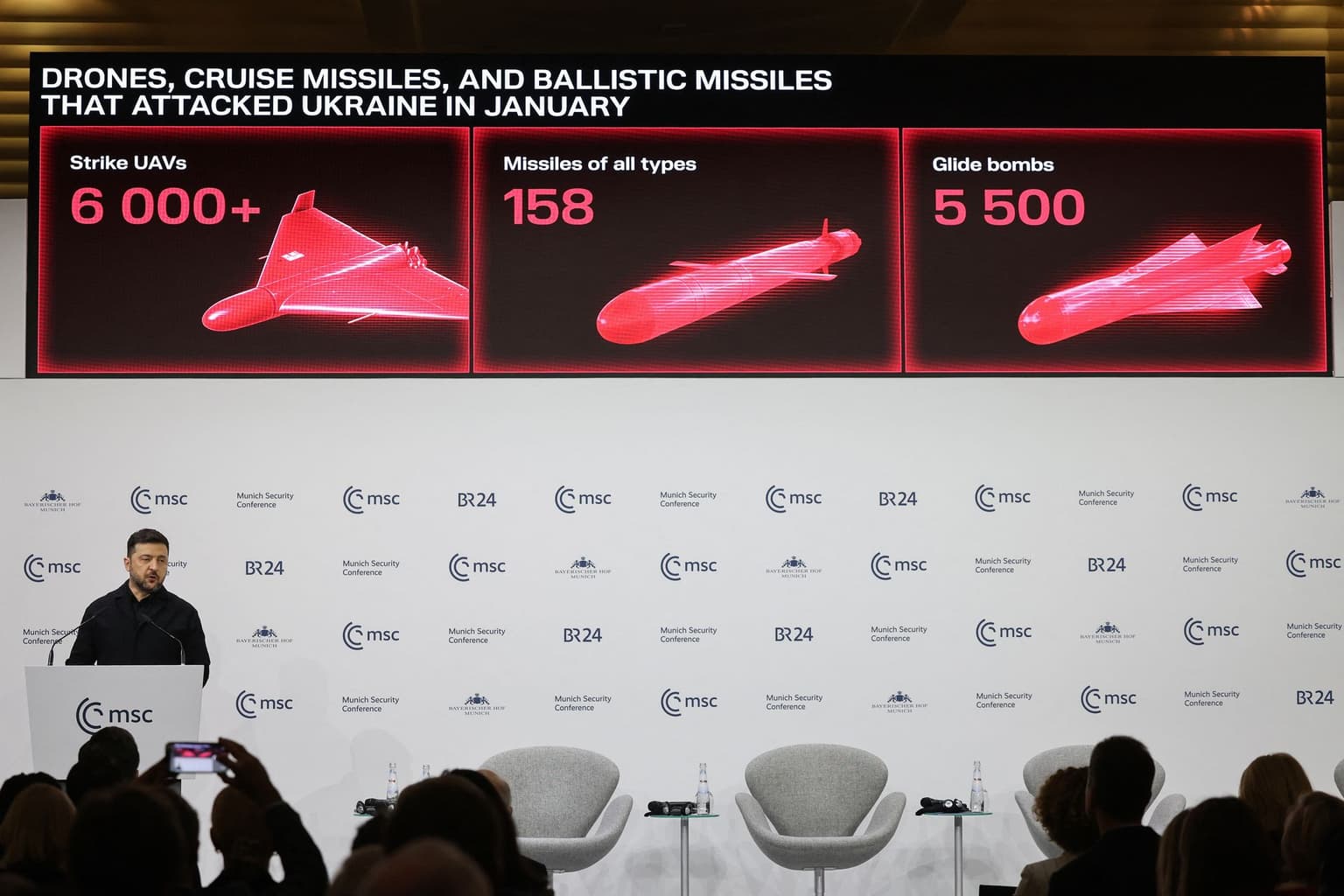
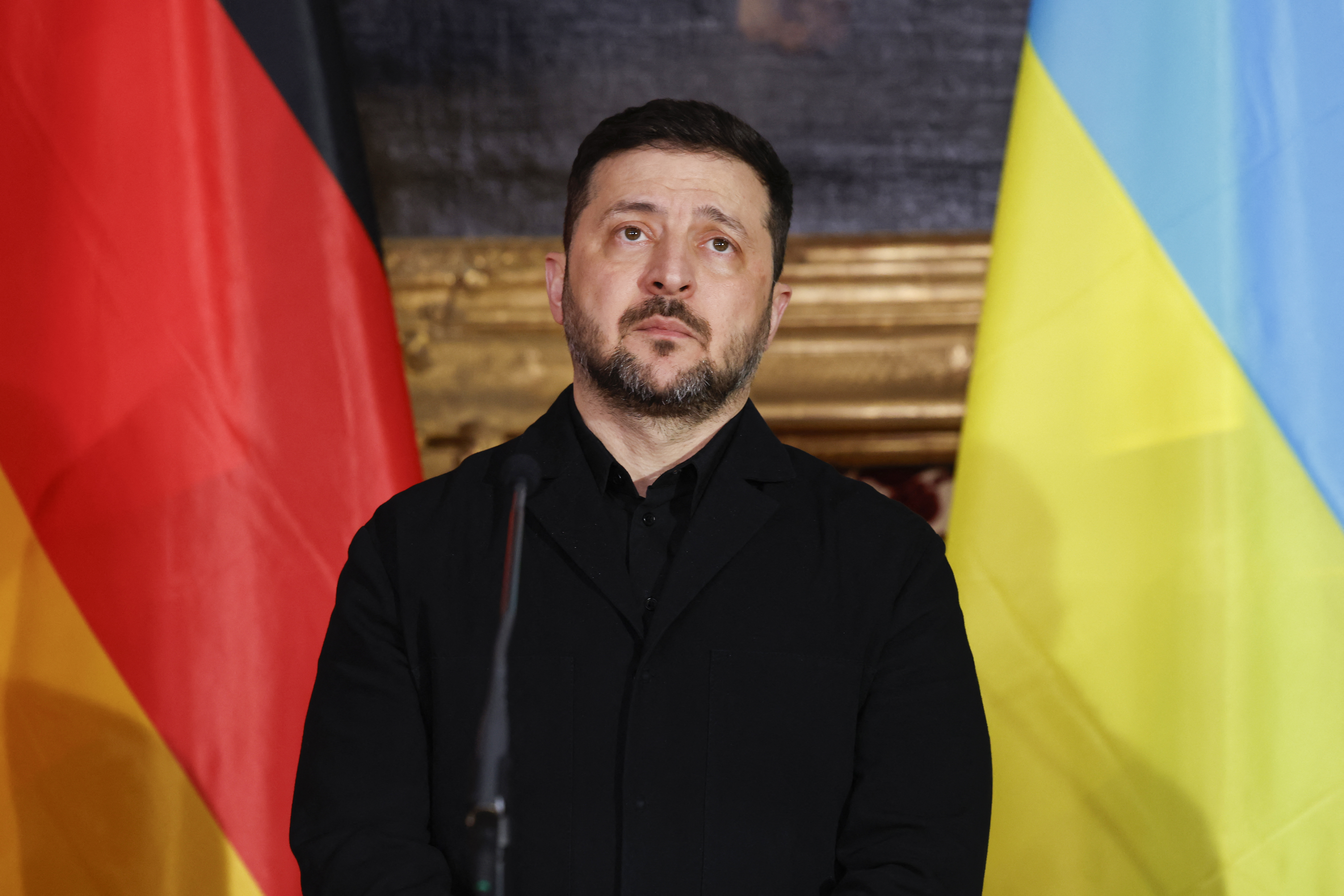
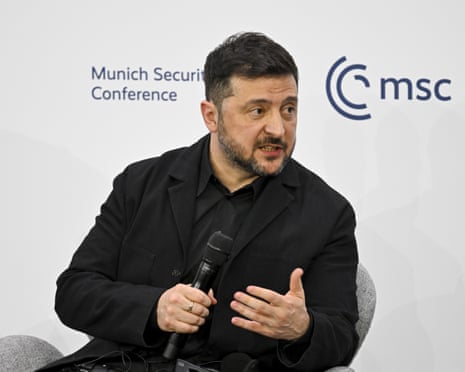
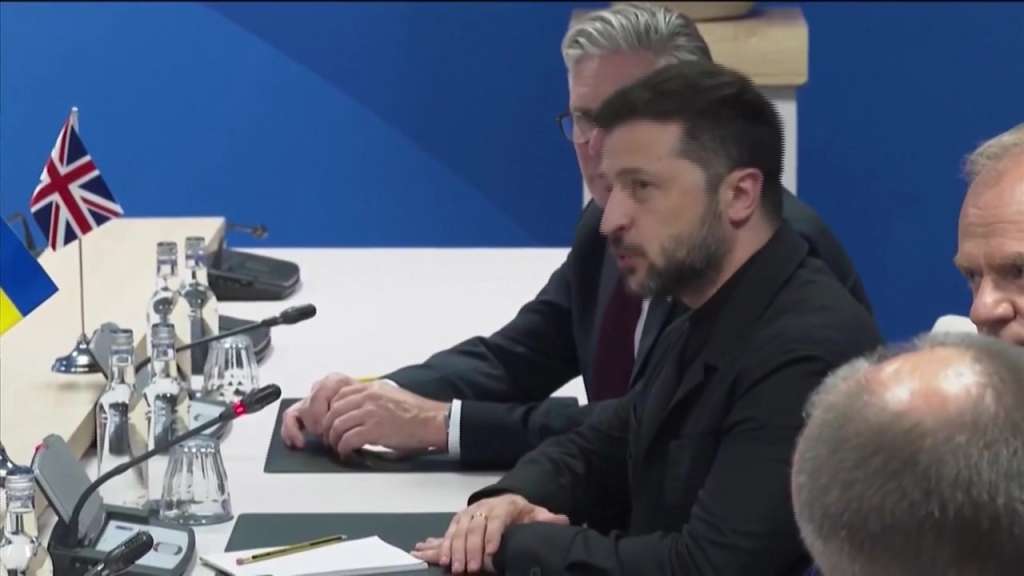
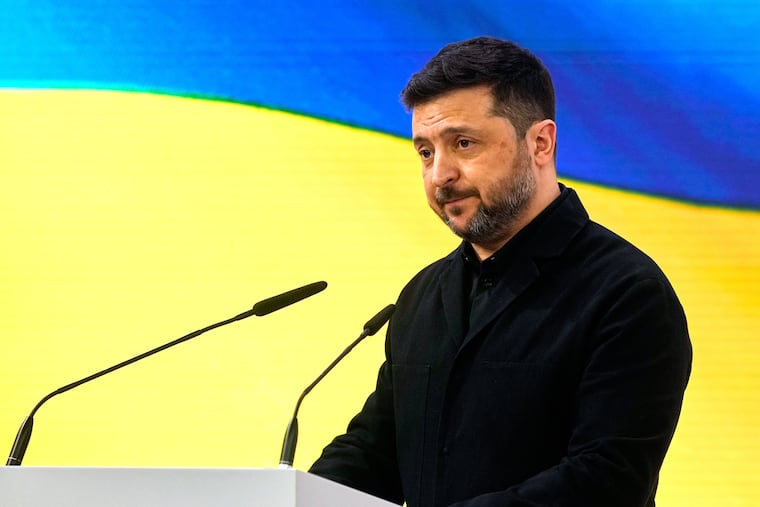
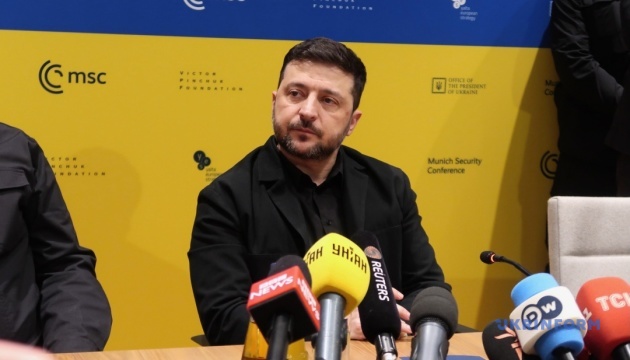
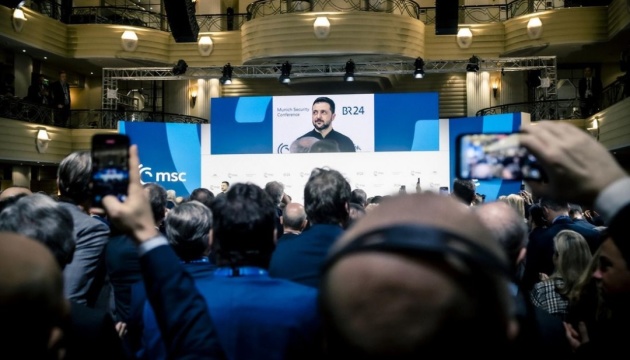
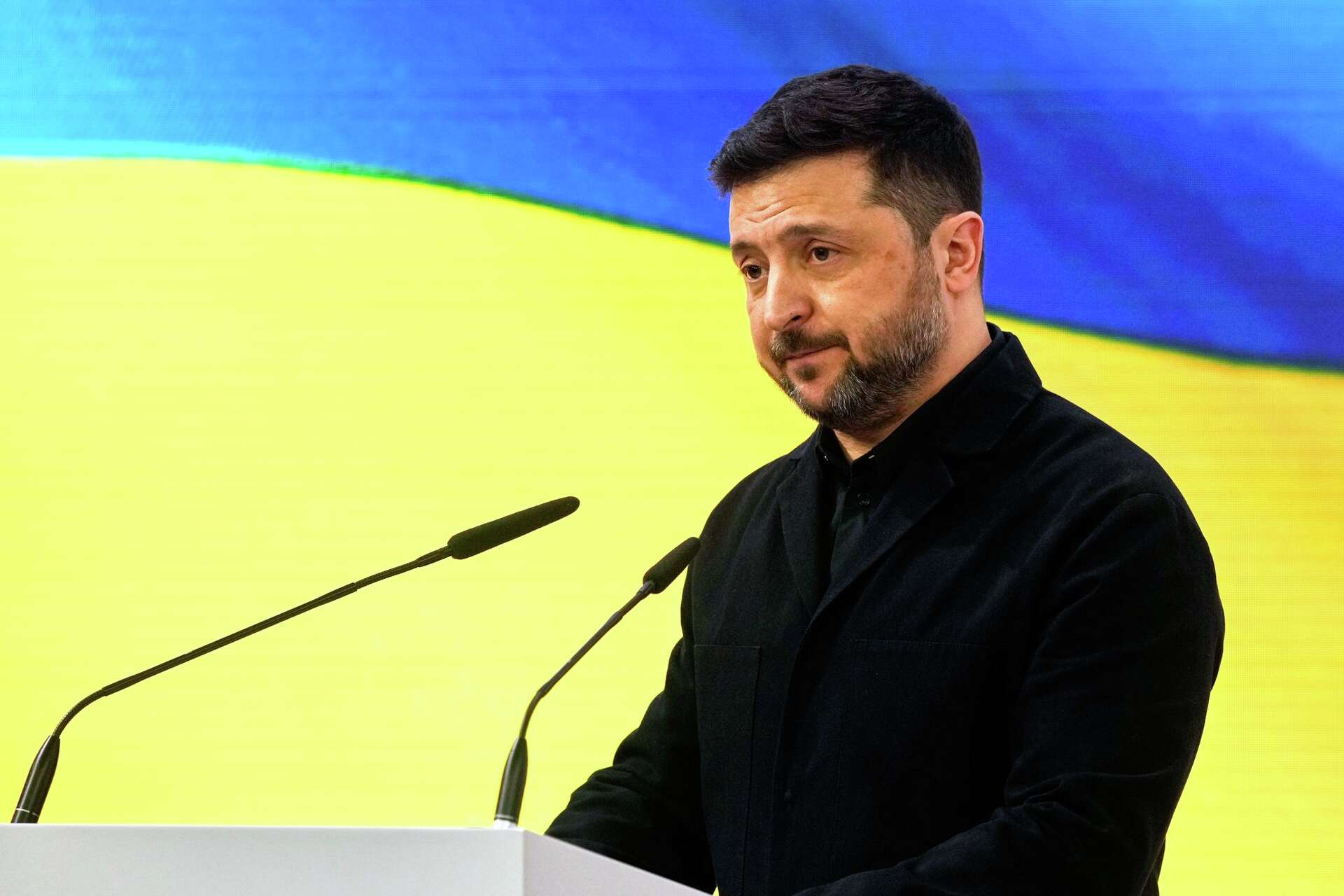
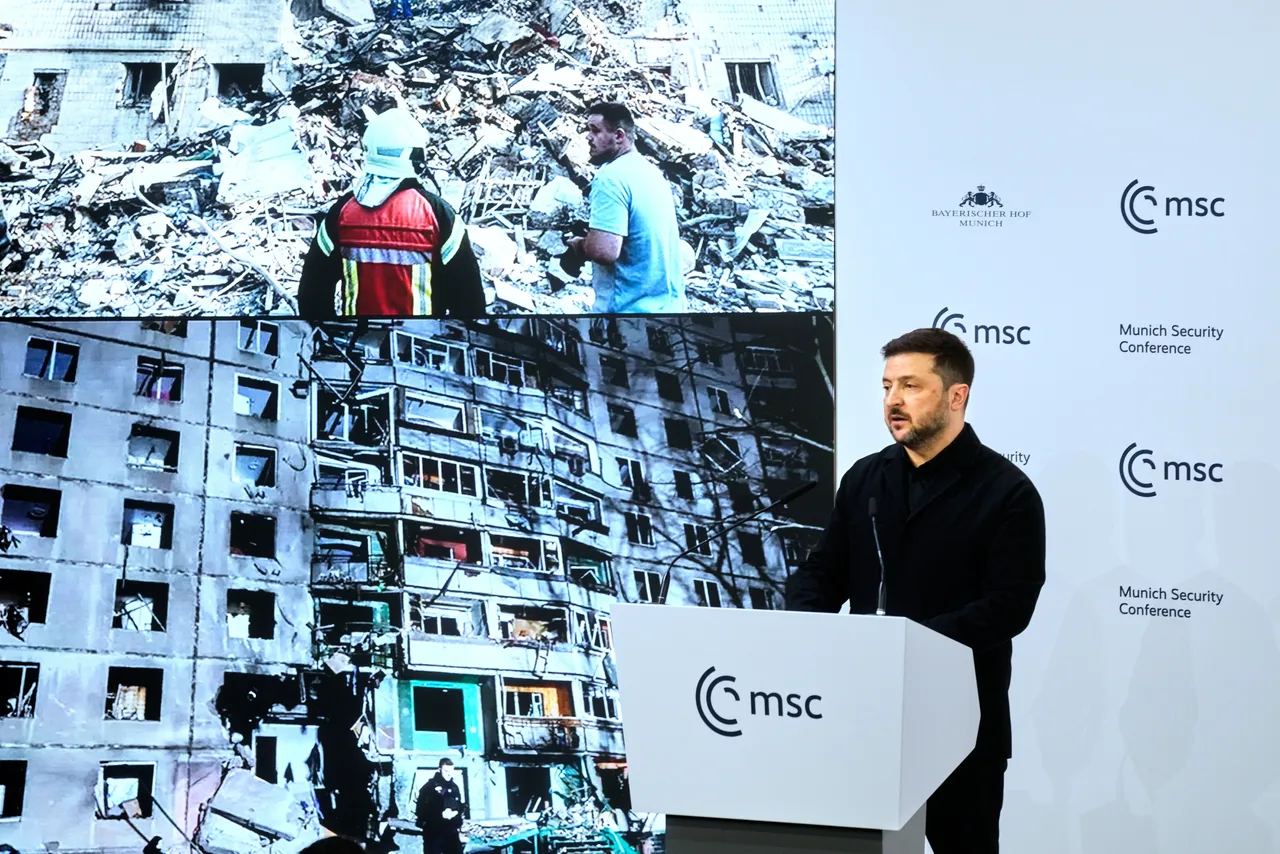
The Munich Security Conference (February 2026) signals a fundamental shift in European defense spending that creates substantial cross-border e-commerce opportunities for industrial suppliers, logistics providers, and specialized equipment sellers. European leaders—German Chancellor Friedrich Merz, French President Emmanuel Macron, and British PM Keir Starmer—committed to dramatically increased military investment and "continental defense production coordination," with Germany pledging to develop the Bundeswehr into Europe's strongest conventional military force. This represents a strategic pivot away from US dependency and toward European supply chain autonomy.
For cross-border sellers, this translates into three immediate tariff and market access opportunities: First, NATO's Prioritized Ukraine Requirements List (PURL) initiative demonstrates how defense procurement bypasses standard commercial tariffs—nine of ten anti-aircraft missiles in Ukrainian use were purchased through this scheme, indicating government-to-government procurement channels that offer tariff exemptions and accelerated customs clearance. Sellers with industrial certifications (ISO 9001, defense-grade manufacturing) can access these channels directly. Second, the predicted 2+ year conflict duration (per European leadership consensus) creates sustained demand for replacement equipment, spare parts, and logistics support—categories that typically see 15-25% tariff reductions under defense procurement agreements. Third, the EU's stated goal of "reducing US dependency" signals imminent tariff restructuring favoring European and allied suppliers over US-origin goods, particularly in electronics, components, and specialized equipment.
Competitive dynamics shift dramatically for seller segments: Large industrial suppliers (>$50M annual revenue) gain immediate advantages through government contracts and PURL-equivalent programs. Mid-market sellers ($5-50M) should prioritize ISO certifications and defense-grade compliance to access procurement channels. Small sellers (<$5M) can exploit the supply chain reshuffling by sourcing from Eastern European manufacturers (Poland, Czech Republic, Romania) now receiving increased defense investment, then reselling through commercial channels at 12-18% margins. The 18-24 month procurement window before peace negotiations conclude (Zelenskyy demands 20-year security guarantees, suggesting extended conflict) creates urgency for inventory positioning. Payment processing and logistics to conflict-adjacent regions (Poland, Baltic states) will see 8-12% cost increases due to insurance and routing complexity, but sellers can pass these through to government buyers with cost-plus contracts.
Questions 8
How does Zelenskyy's demand for 20-year security guarantees affect the timeline for cross-border seller opportunities?
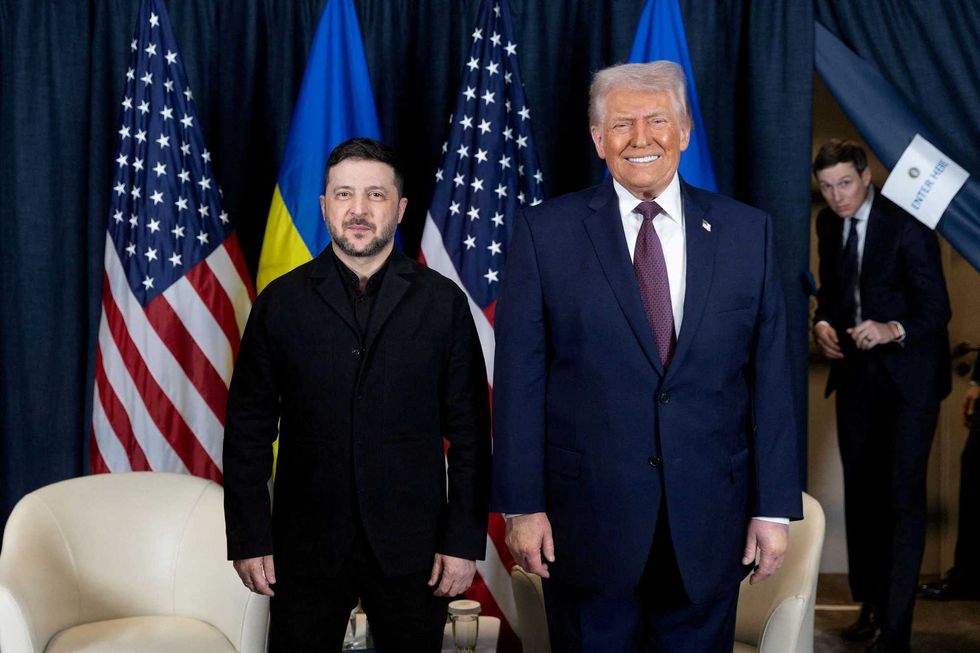
Zelenskyy's insistence on 20-year security guarantees (vs. US offer of 15 years) signals extended conflict duration and sustained procurement demand. The news reports trilateral talks scheduled for Geneva with no immediate resolution expected, and European leaders predict at least 2+ years of continued conflict. This creates an 18-24 month window for sellers to establish supply chains, obtain certifications, and position inventory before peace negotiations conclude. Sellers should treat this as a time-sensitive opportunity window: establish ISO certifications by Q2 2026, build inventory positions by Q3 2026, and lock in government contracts by Q4 2026. After peace negotiations conclude, defense procurement will shift to reconstruction equipment, creating a secondary 12-18 month opportunity window.
Which seller segments gain competitive advantages from European defense spending increases?
Three seller segments gain distinct advantages: (1) Large industrial suppliers (>$50M revenue) gain immediate access to government contracts and PURL procurement channels, with 15-25% tariff exemptions and cost-plus pricing; (2) Mid-market sellers ($5-50M) can obtain ISO 9001 defense-grade certification to access procurement channels, gaining 8-12% margin advantages over non-certified competitors; (3) Small sellers (<$5M) can exploit supply chain reshuffling by sourcing from Eastern European manufacturers, achieving 12-18% cost advantages and reselling through commercial channels. The news indicates Germany's commitment to develop the Bundeswehr into Europe's strongest military force, signaling sustained procurement across all supplier tiers. Sellers should position themselves in their respective tier by Q2 2026 to capture the 18-24 month opportunity window.