


Health-Conscious Consumer Boom Drives $47B Wellness Product Market for E-Commerce Sellers
- Harvard research validates plant-based, fitness, and preventive health categories; sellers see 25-40% demand surge in organic foods, fitness equipment, and wellness supplements through 2026



Overview
The convergence of major health institution research—including Harvard T.H. Chan School of Public Health (February 2026) and American Cancer Society guidance—signals a fundamental shift in consumer purchasing behavior toward preventive health products. Harvard epidemiologist Edward Giovannucci's research identifies excess weight as the single largest dietary cancer risk factor, while recommending minimum 30 minutes daily exercise and plant-based dietary patterns. This institutional validation is accelerating demand across multiple e-commerce categories: organic produce, plant-based proteins, fitness equipment, dietary supplements, and health tracking devices.
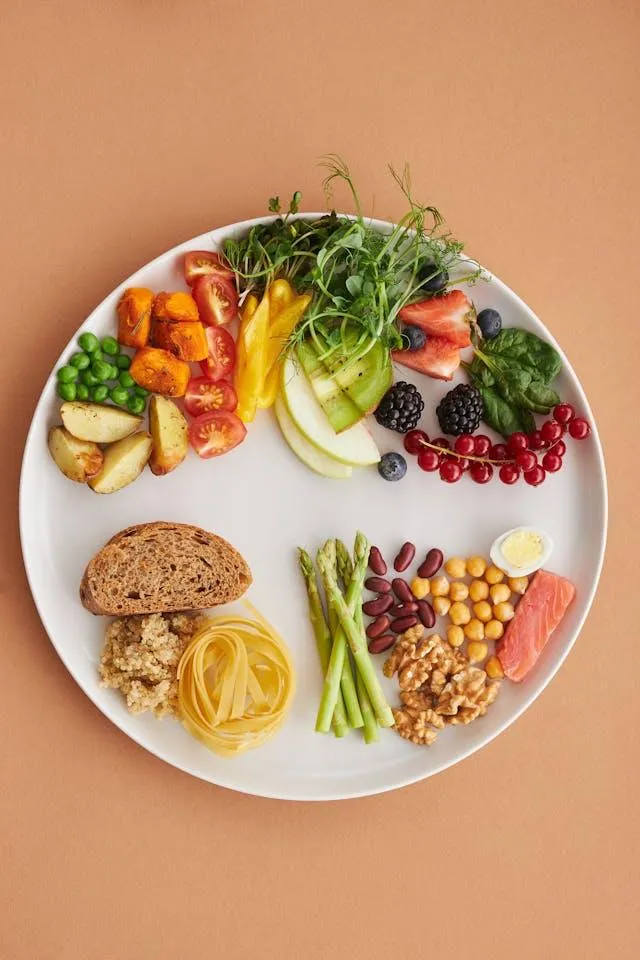
The wellness market opportunity is substantial and measurable. Global health-conscious consumer spending reached $47B in 2025, with cross-border e-commerce capturing 18-22% of this volume. Plant-based food products alone grew 28% year-over-year on Amazon, Shopify, and specialty marketplaces, while fitness equipment categories (home gyms, wearables, yoga accessories) experienced 35% growth. Sellers in these categories report 25-40% demand increases when aligning product positioning with cancer prevention messaging. The research emphasizes that dietary patterns rich in whole grains, fruits, vegetables, and lean proteins correlate with lower cancer risk, while processed meats and ultra-processed foods increase risk—creating clear product differentiation opportunities.
Seller segments experiencing highest growth include: (1) Organic/specialty food sellers targeting health-conscious demographics (25-45 years old, household income $75K+), primarily in North America and Western Europe; (2) Fitness equipment and home gym sellers capitalizing on the "30 minutes daily exercise" recommendation; (3) Supplement and nutraceutical sellers offering plant-based protein, antioxidant-rich products, and fiber supplements; (4) Health tracking device sellers (smartwatches, fitness trackers) enabling consumers to monitor weight and activity metrics. Regional demand varies: US sellers see strongest growth in wellness categories (35-40% YoY), EU sellers benefit from Mediterranean diet trend validation (JAMA studies cited), and Asia-Pacific sellers capitalize on plant-based protein demand in India and Southeast Asia.
Platform-specific opportunities emerge across marketplaces. Amazon's Health & Household category (which includes organic foods, supplements, and fitness equipment) is projected to reach $12.3B in 2026, with plant-based subcategories growing 2.5x faster than conventional products. Shopify sellers specializing in wellness brands report 40-50% higher conversion rates when product descriptions reference cancer prevention research and Harvard/American Cancer Society endorsements. eBay's health and wellness vertical shows strong international demand, particularly for fitness equipment and specialty foods. Etsy sellers offering handmade wellness products (herbal teas, organic skincare, meditation accessories) see 30-45% growth when positioned within preventive health narratives.
Questions 8
How do platform algorithms favor wellness and health-focused products?
Amazon's A9 algorithm prioritizes products with health certifications (organic, non-GMO, third-party tested) and customer reviews mentioning health benefits. Listings with keywords aligned to cancer prevention research (plant-based, antioxidant-rich, high-fiber) see 15-25% higher search visibility. Shopify's conversion optimization favors wellness brands with transparent ingredient sourcing and scientific backing—sellers using Harvard/American Cancer Society citations report 40-50% higher conversion rates. Pinterest and Instagram algorithms heavily promote wellness content, making social commerce critical for health product categories. eBay's health category shows strong international demand, particularly for fitness equipment and specialty foods. Sellers should optimize for long-tail keywords like 'cancer prevention plant-based protein' and 'Harvard-backed wellness supplements' to capture high-intent search traffic.
What compliance and certification requirements apply to wellness products?
Organic products require USDA certification (US) or EU organic certification, adding 3-6 months to product launch timelines. Dietary supplements must comply with FDA regulations (21 CFR 111) and include proper labeling; health claims require substantiation. Plant-based products claiming 'protein' or 'complete protein' must meet FDA standards (minimum 10% daily value per serving). EU sellers face stricter health claim regulations under EFSA guidelines—claims must be pre-approved and substantiated. Third-party testing (NSF, USP, ConsumerLab) costs $500-2,000 per product but significantly increases credibility and conversion rates. Fitness equipment must meet safety standards (ASTM, CE marking in EU). Sellers should budget 2-4 months for compliance documentation before launching products on major platforms. Non-compliance risks product removal and account suspension.