


Los Angeles Pioneers Urban Energy Transformation Through Clean Power Reinvention
- Radical municipal strategy reshapes energy infrastructure for climate-conscious cities















Overview
Urban energy transformation is undergoing a profound strategic shift, with Los Angeles emerging as a pioneering model of municipal clean energy redesign. The city's decisive move away from coal-powered electricity represents more than an environmental statement—it's a comprehensive infrastructure reimagining that signals a broader metropolitan adaptation to climate challenges.
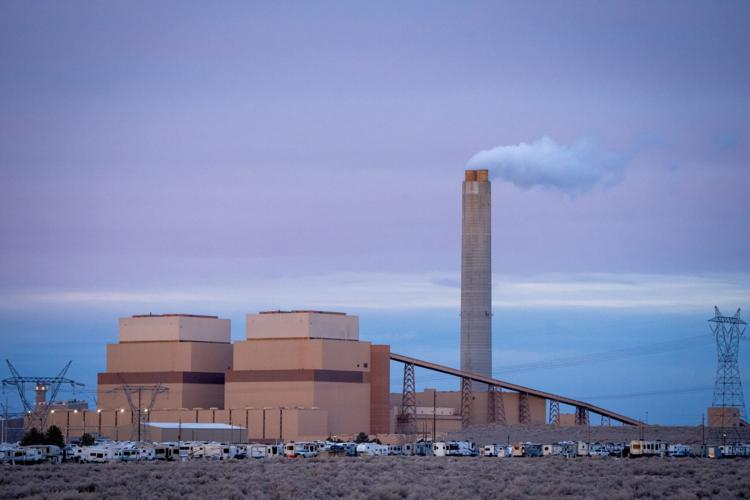
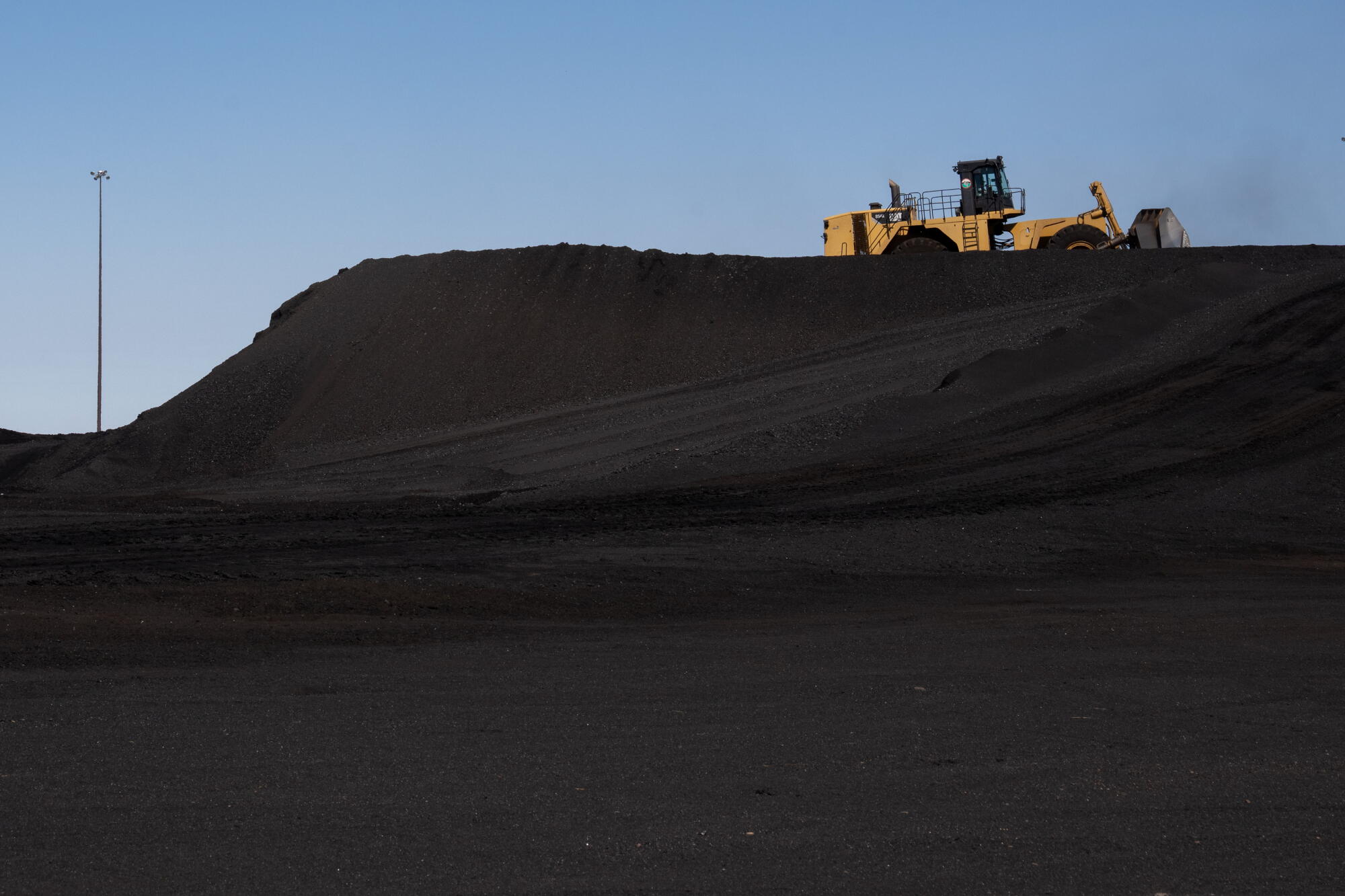
Strategic Energy Reconfiguration is at the heart of this transition. Twenty years ago, Los Angeles derived over 50% of its energy from coal, with merely 3% from renewables. Today, that landscape has dramatically inverted: more than 60% of the city's energy now originates from renewable sources. The Intermountain Power Project in Utah, which previously supplied 11% of L.A.'s energy, has been completely phased out, marking a critical milestone in the city's clean energy journey.
Hybrid Technology Pathway emerges as a key innovation strategy. Rather than an abrupt fossil fuel elimination, Los Angeles is implementing a nuanced approach. The city will utilize natural gas-fired units capable of blending up to 30% green hydrogen, with an ambitious plan to transition to 100% green hydrogen. This $800 million conversion represents a pragmatic bridge technology—maintaining grid stability while progressively decarbonizing energy infrastructure.
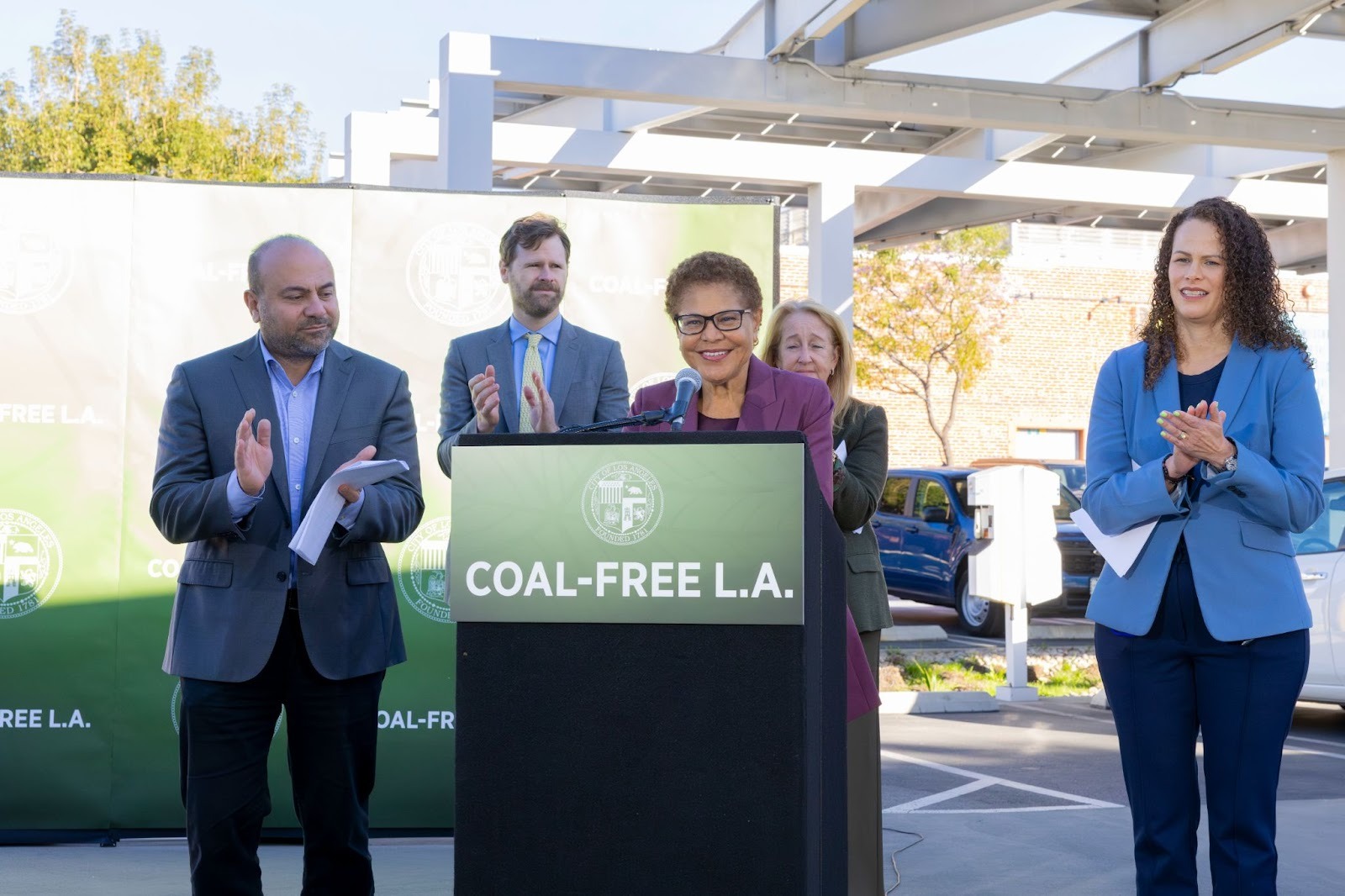
The implications extend far beyond Los Angeles. Municipal Energy Policy is increasingly becoming a critical lever for climate action, with cities demonstrating they can drive transformative change faster than national governments. By setting a clear 2035 target for 100% clean energy, Los Angeles is creating a replicable blueprint for urban sustainability that combines technological innovation, financial investment, and political commitment.
Critically, this transition is not just an environmental imperative but an economic opportunity. The strategic reinvention of energy infrastructure creates new technological pathways, attracts green investment, and positions the city as a leader in the emerging clean energy economy. For other metropolitan regions, Los Angeles offers a compelling case study in proactive, forward-looking urban energy strategy.
Questions 4
How significant is the shift in Los Angeles's energy composition?
The transformation is dramatic: from over 50% coal and 3% renewables 20 years ago to more than 60% renewable sources today. The complete phase-out of the Intermountain Power Project, which previously supplied 11% of the city's energy, symbolizes this radical change.
What makes Los Angeles's energy transition unique?
Los Angeles is implementing a hybrid technology approach, using natural gas units that can blend up to 30% green hydrogen, creating a pragmatic pathway to 100% clean energy by 2035. This strategy allows for grid stability while progressively decarbonizing the energy infrastructure.