
South Korea's Retail Revolution: Bridging Online and Offline Experiences in a Digital-First Market
- Transforming physical retail through advanced omnichannel strategies for cross-border sellers
Overview
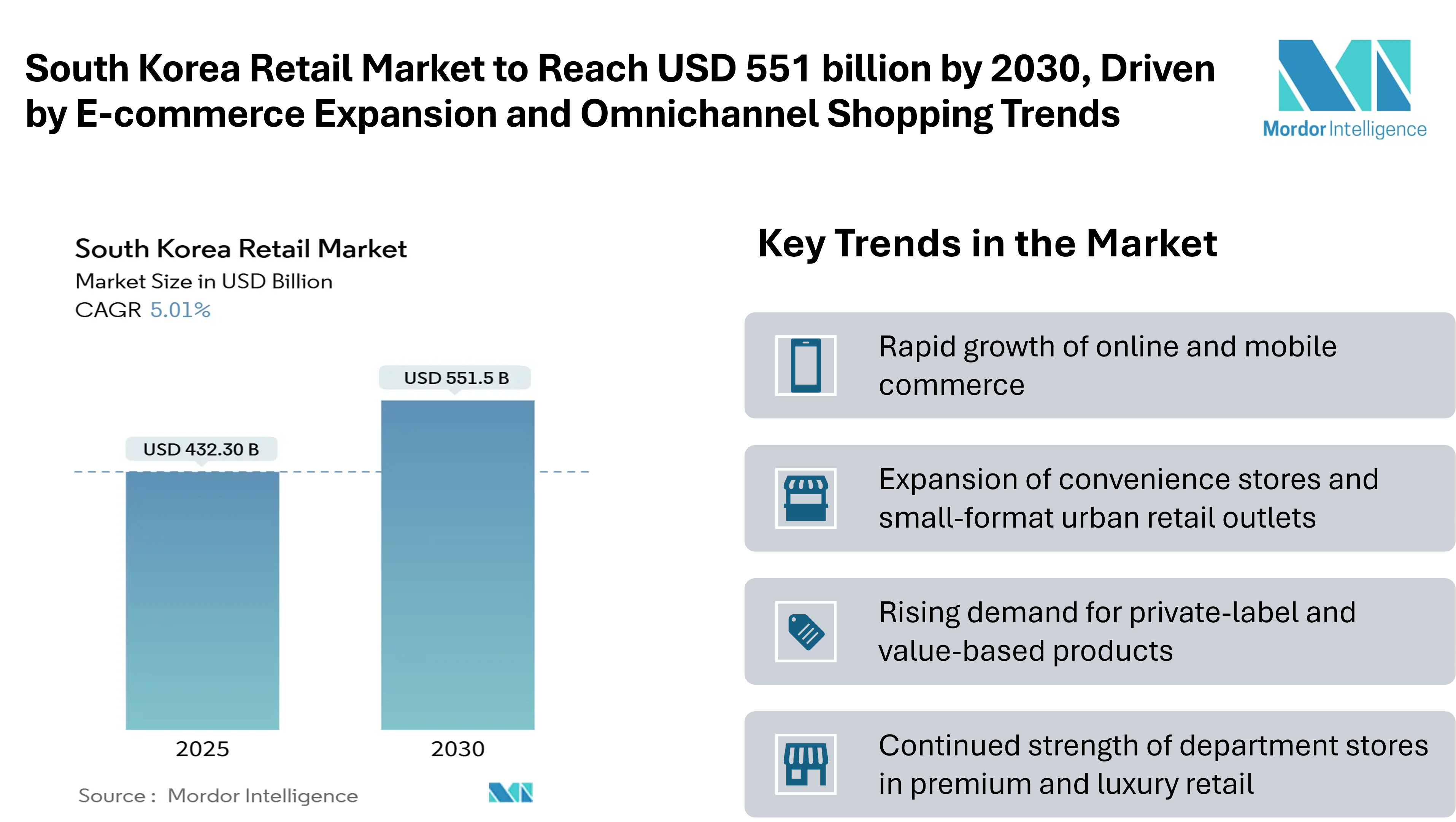
The South Korean retail landscape is undergoing a profound transformation, signaling a critical inflection point for offline retail strategies. With Mordor Intelligence projecting the market to reach USD 551.5 billion by 2030, the convergence of digital and physical retail channels represents a pivotal opportunity for innovative brands and cross-border sellers.
Omnichannel integration emerges as the defining strategy for success in this dynamic market. The Seoul Capital Area demonstrates how dense urban environments can become laboratories for cutting-edge retail experiences, blending mobile commerce, advanced delivery infrastructure, and physical store presence. Retailers are no longer choosing between online and offline channels, but strategically orchestrating them to create seamless consumer journeys.
Key strategic implications for offline retail are particularly compelling. The market rewards sellers who can create hybrid retail experiences that leverage both digital capabilities and physical touchpoints. Emerging regions like Jeju showcase how localized strategies—such as tourism-driven duty-free models—can unlock new offline retail opportunities. The data suggests that successful brands will invest in mobile-friendly platforms, develop localized marketing strategies, and view physical stores not as standalone entities, but as integrated components of a broader consumer engagement ecosystem.
The technological infrastructure underpinning this transformation cannot be overstated. South Korea's advanced digital ecosystem, characterized by high internet penetration and consumer tech-savviness, provides an ideal testing ground for innovative offline retail approaches. Retailers are integrating sophisticated loyalty programs, implementing data-driven pricing strategies, and reimagining physical spaces as interactive brand experiences rather than mere transaction points.
For cross-border sellers, this represents a nuanced opportunity: success requires more than simply establishing a physical presence. The market demands strategic omnichannel approaches that prioritize consumer experience, leverage advanced delivery capabilities, and create value beyond traditional retail models. Categories like consumer electronics, apparel, and personal care emerge as particularly promising domains for innovative offline retail strategies.
Questions 3
How are physical stores adapting to the digital retail transformation in South Korea?
Physical stores are evolving into integrated brand experience centers, leveraging mobile platforms, advanced delivery infrastructure, and data-driven strategies. They're no longer just transaction points, but key components of an omnichannel approach that blends digital convenience with physical interaction.
What are the key opportunities for offline retail in emerging South Korean markets?
Emerging regions like Jeju demonstrate opportunities through specialized models such as tourism-driven duty-free retail. Successful strategies involve creating hybrid retail experiences that integrate mobile commerce, advanced delivery capabilities, and localized marketing approaches tailored to specific regional dynamics.