
:sharpen(0.5,0.5,true)/tpg%2Fsources%2Fedad1b19-bd38-487d-be6f-128080c9134b.jpeg)
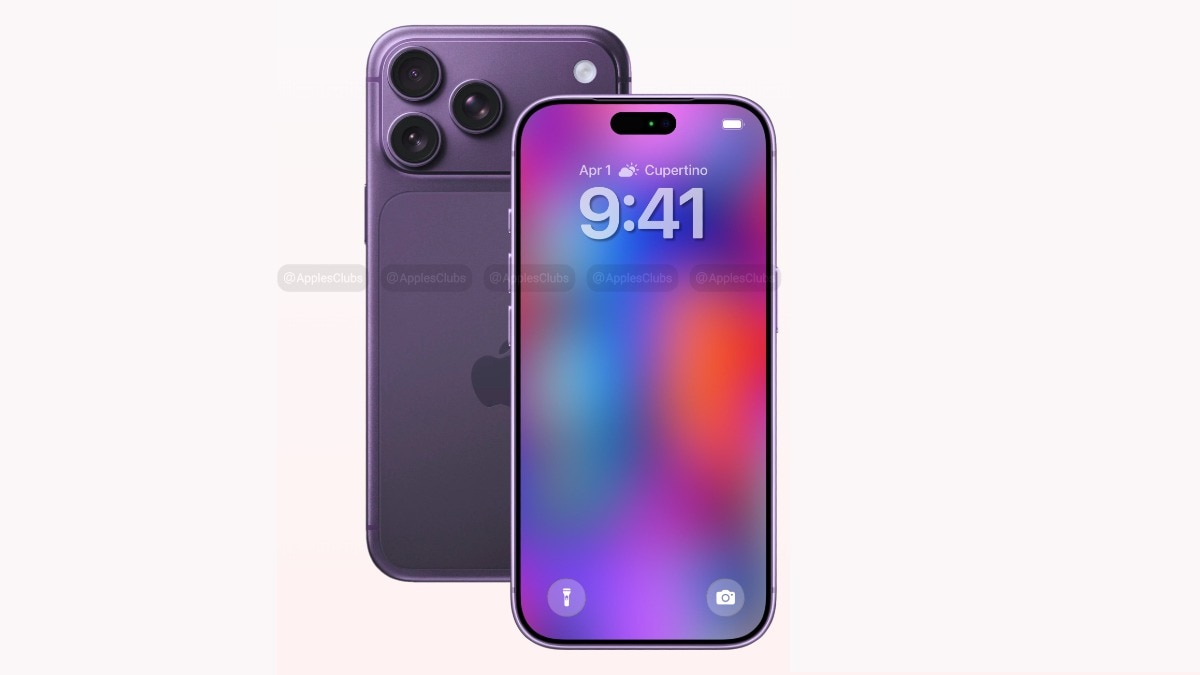
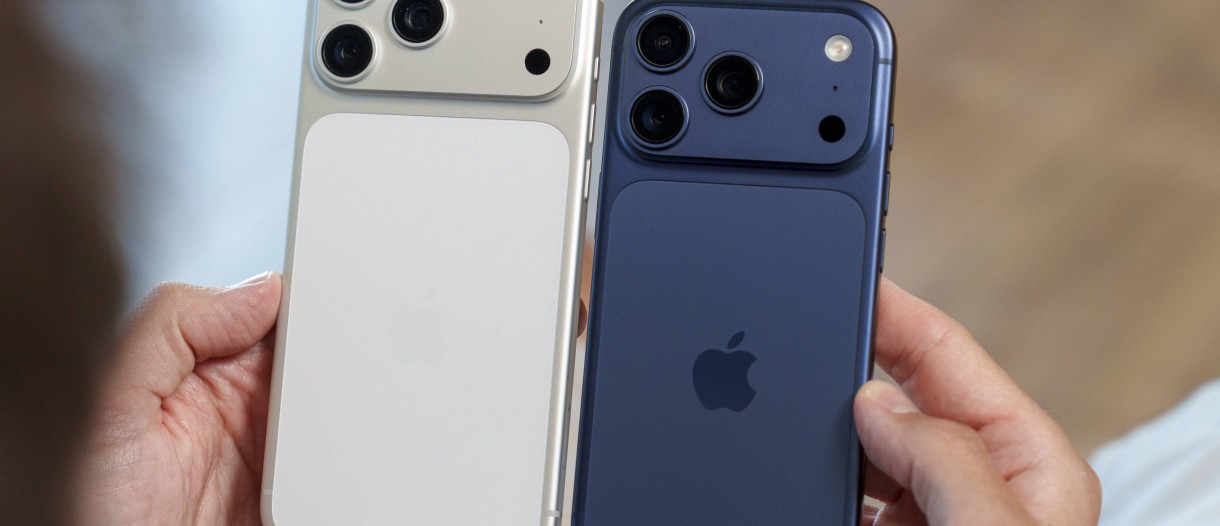


iPhone 18 Pro September 2026 Launch | Flat Pricing Drives Upgrade Cycle & Accessory Demand
- Apple maintains $1,099-$1,199 pricing despite component inflation; sellers face 18-month inventory planning window for accessories, cases, and trade-in programs


















)


Overview
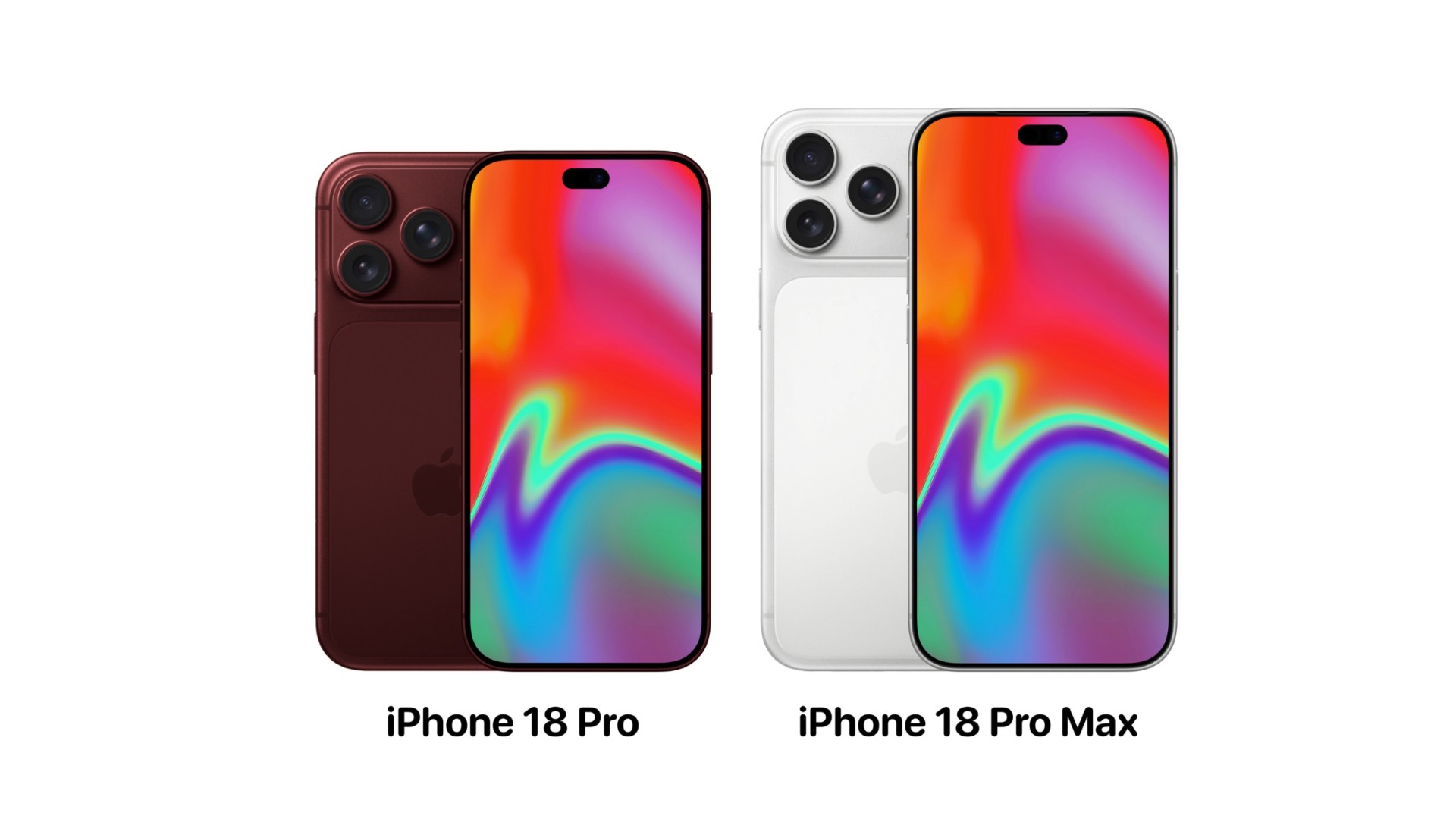
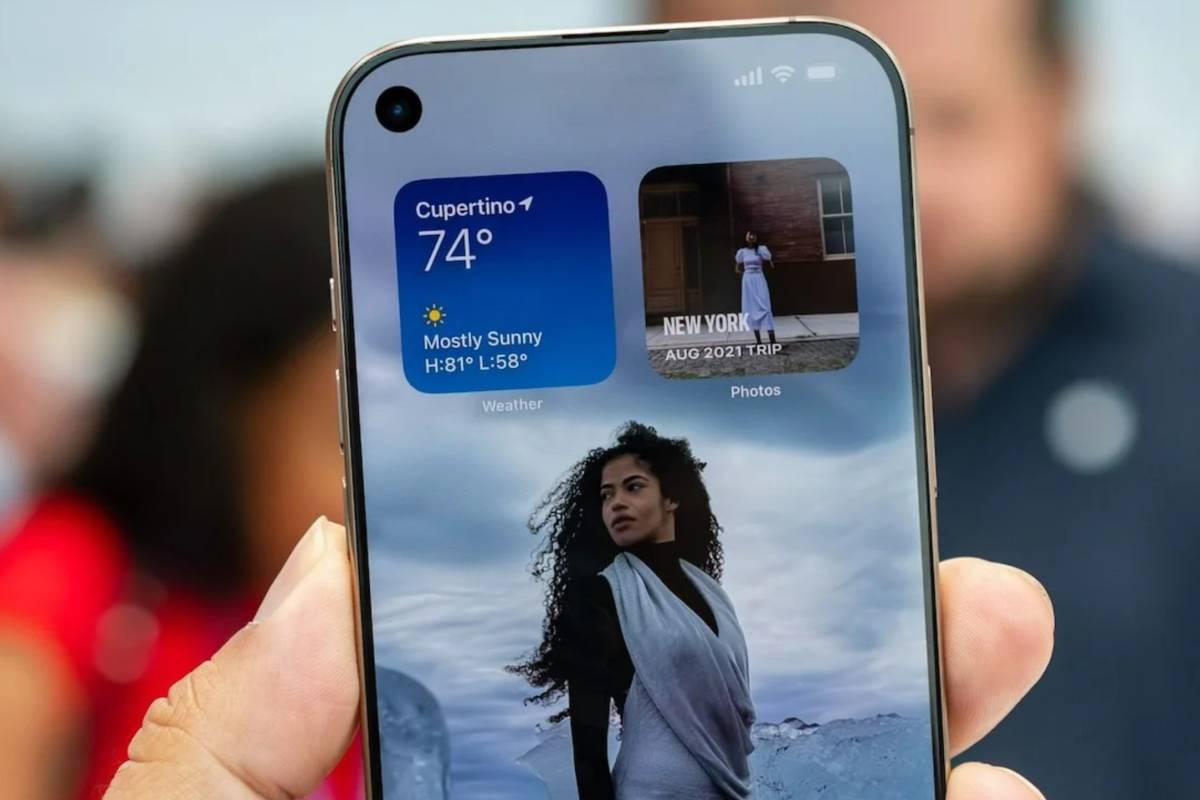
Apple's iPhone 18 Pro launch strategy, confirmed for September 2026 by supply chain analysts Jeff Pu and Ming-Chi Kuo, represents a critical inflection point for cross-border e-commerce sellers in consumer electronics and accessories categories. The company's decision to maintain flat pricing ($1,099 for Pro, $1,199 for Pro Max) despite aggressive cost negotiations with Samsung and SK Hynix signals Apple is prioritizing market share retention over margin expansion—a strategic shift that directly impacts seller inventory planning, pricing strategies, and product sourcing across global markets.
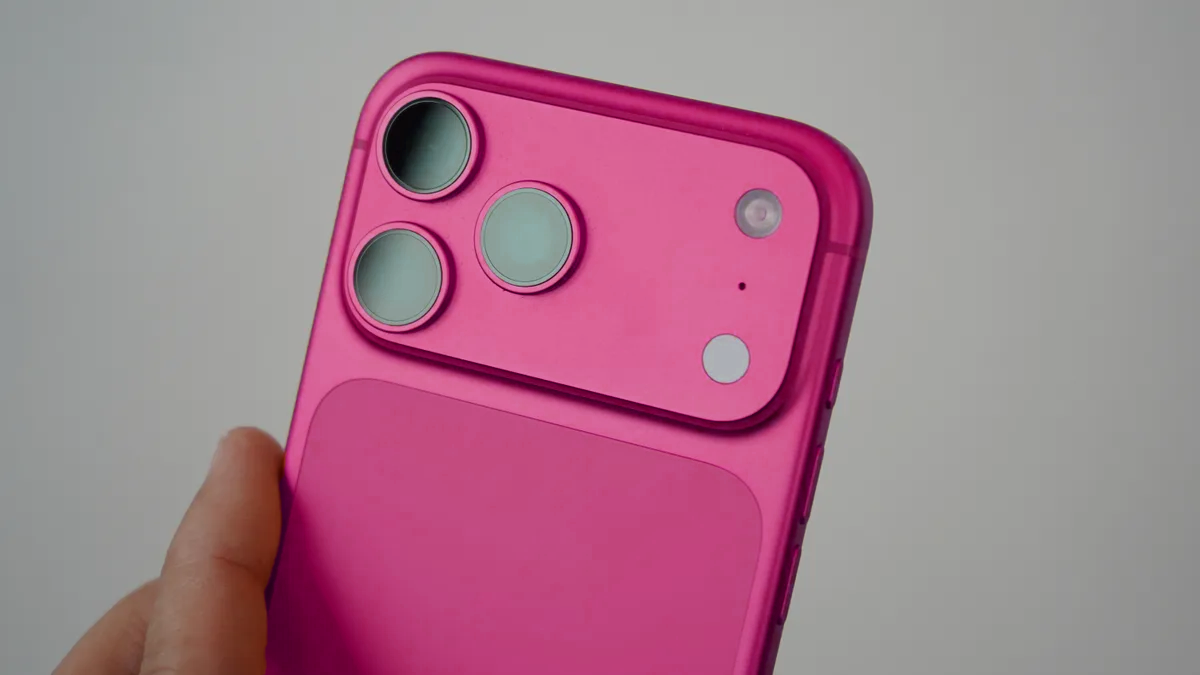
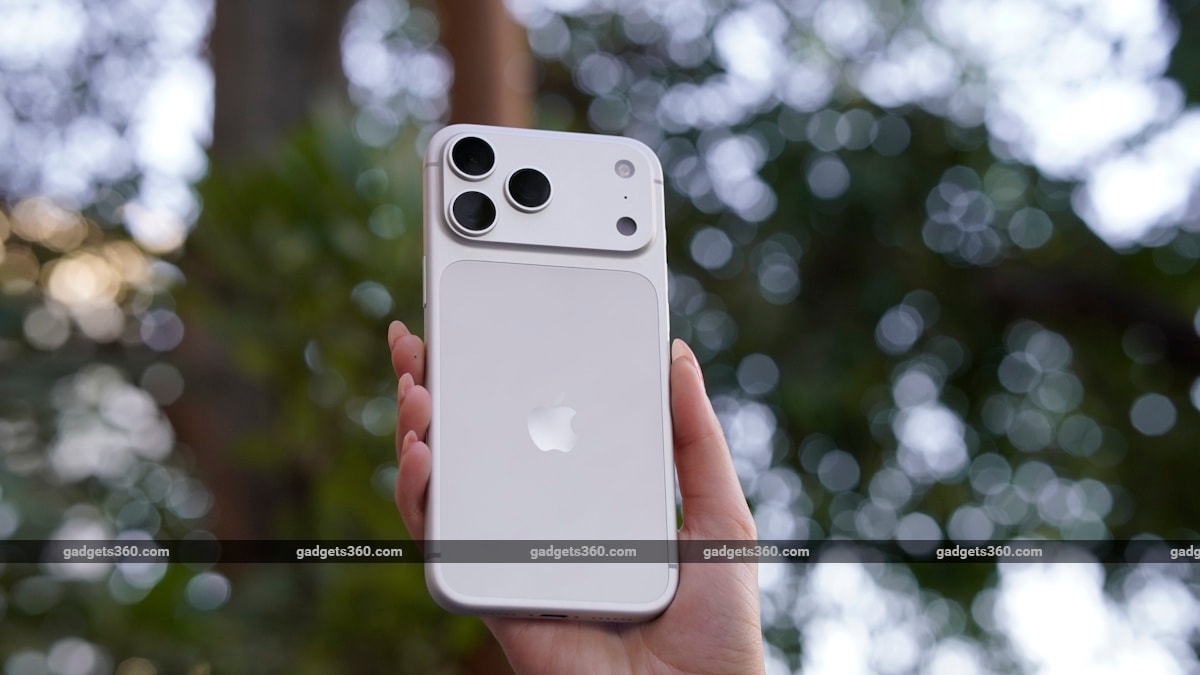
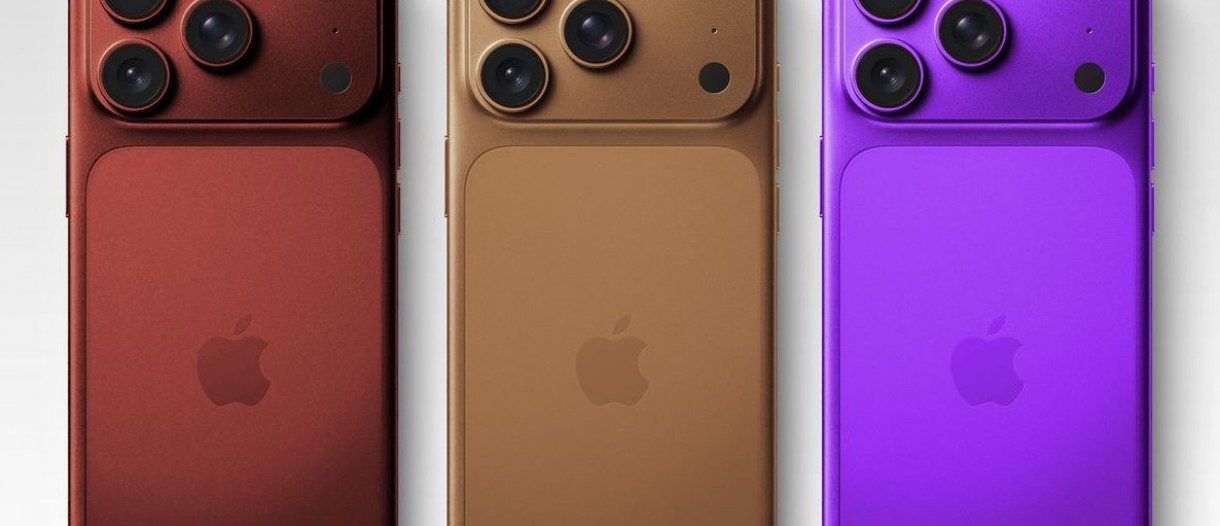
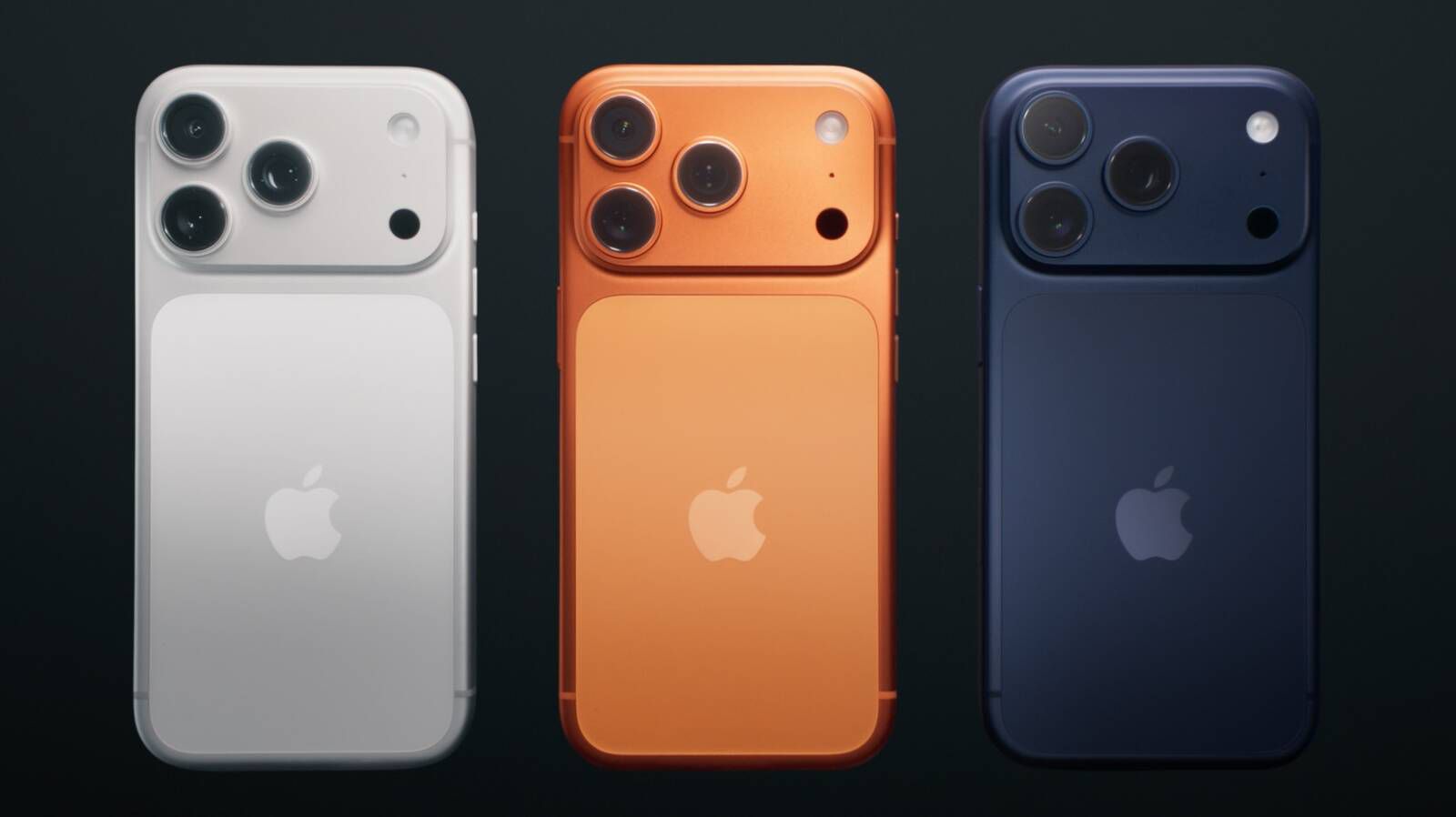
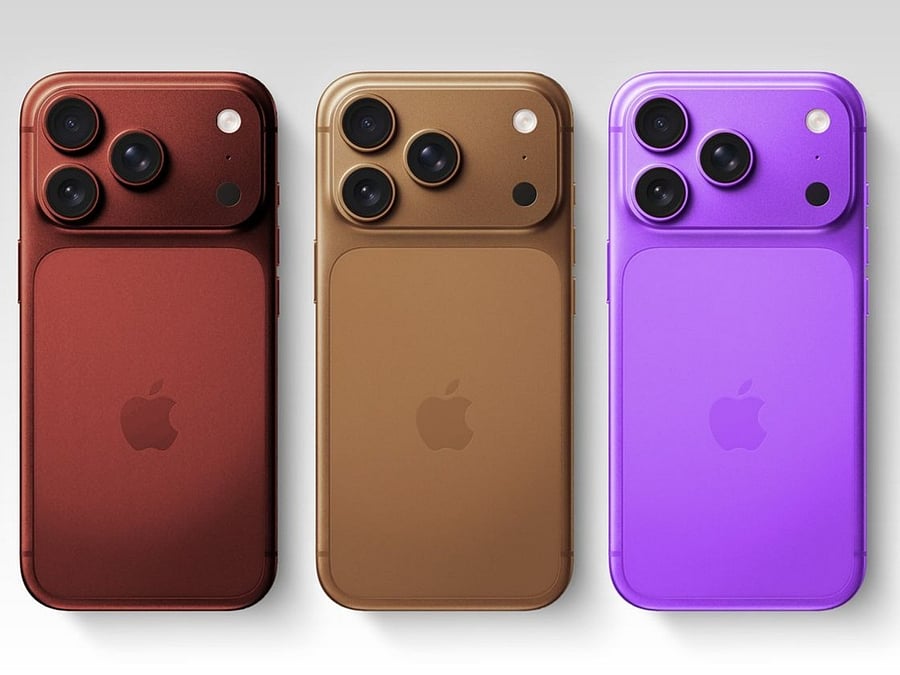
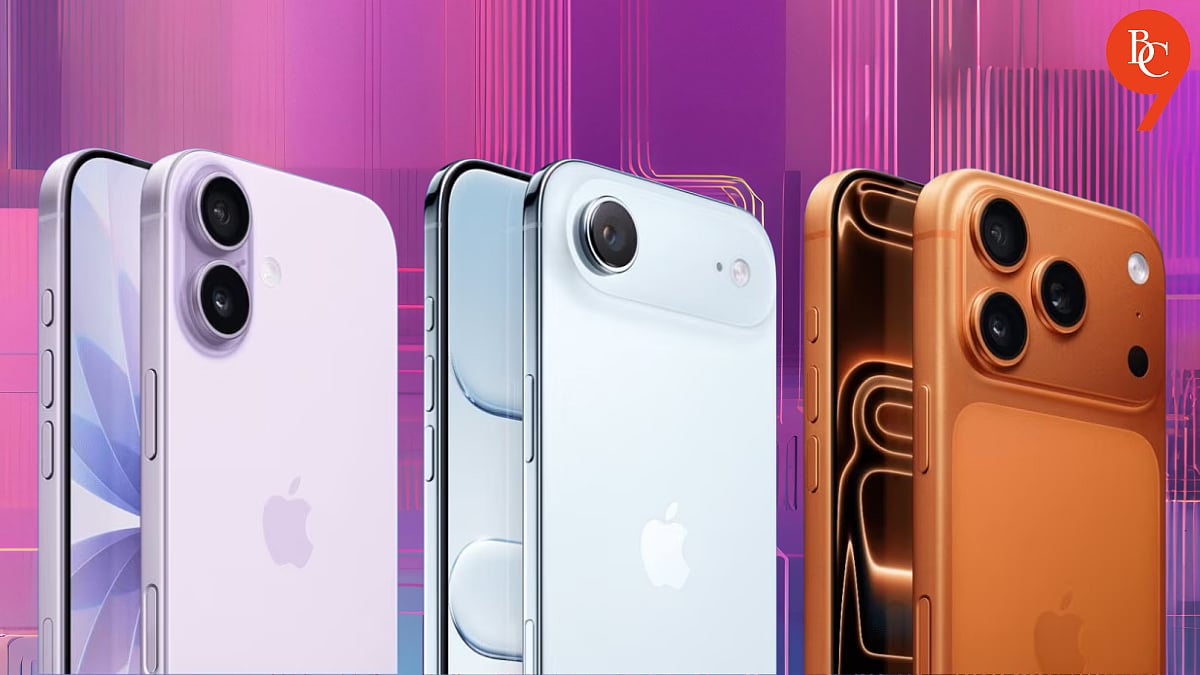
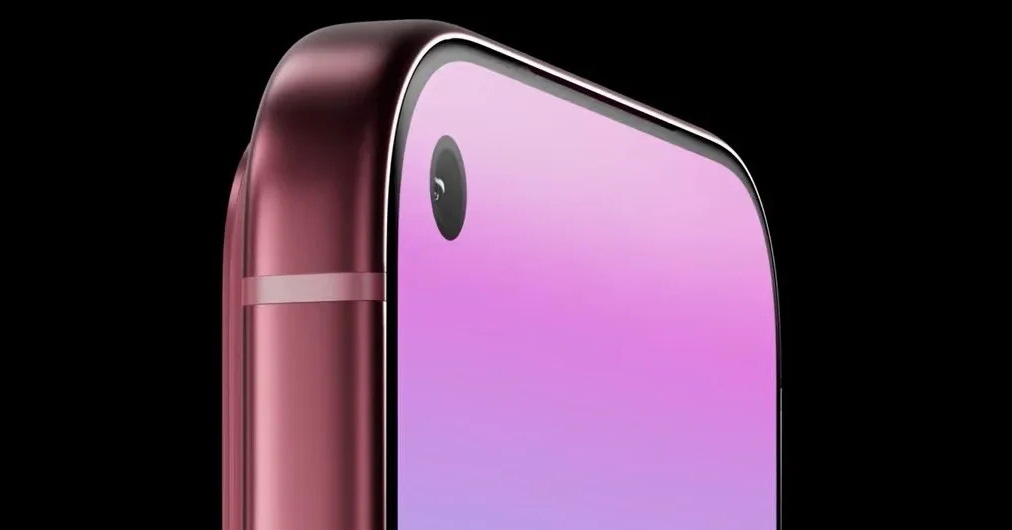
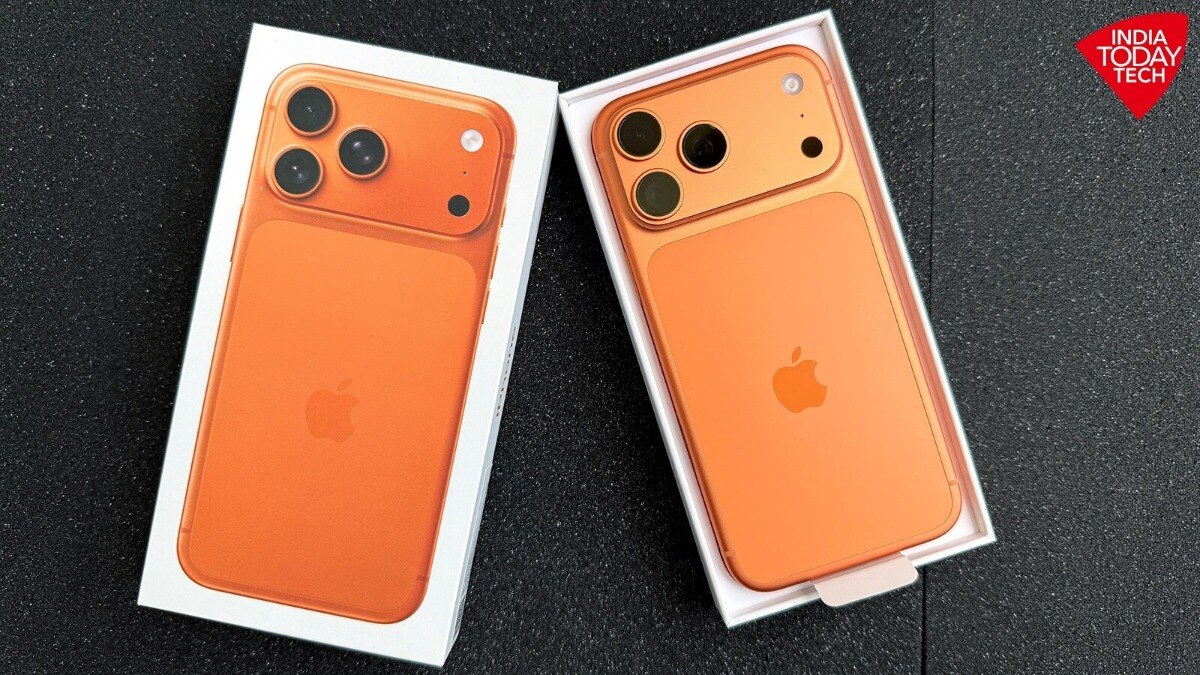
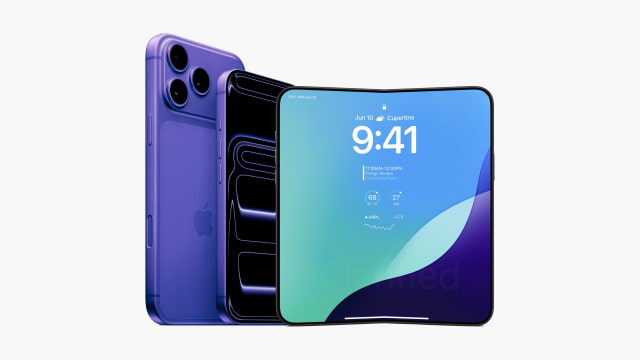
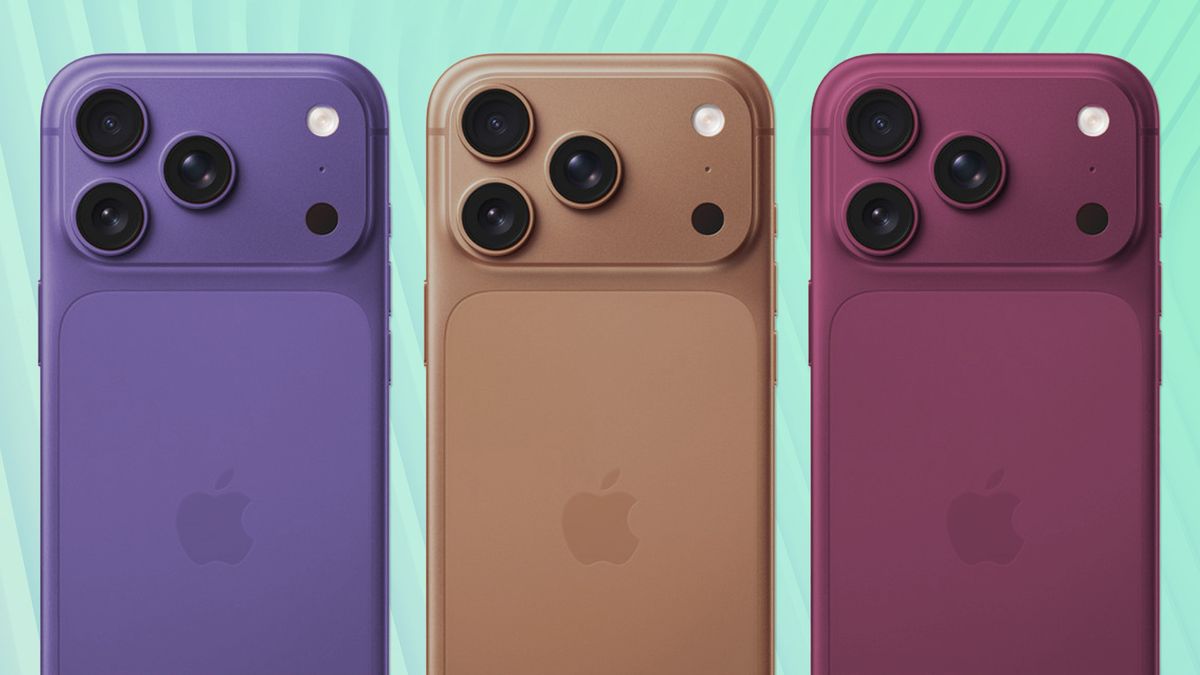
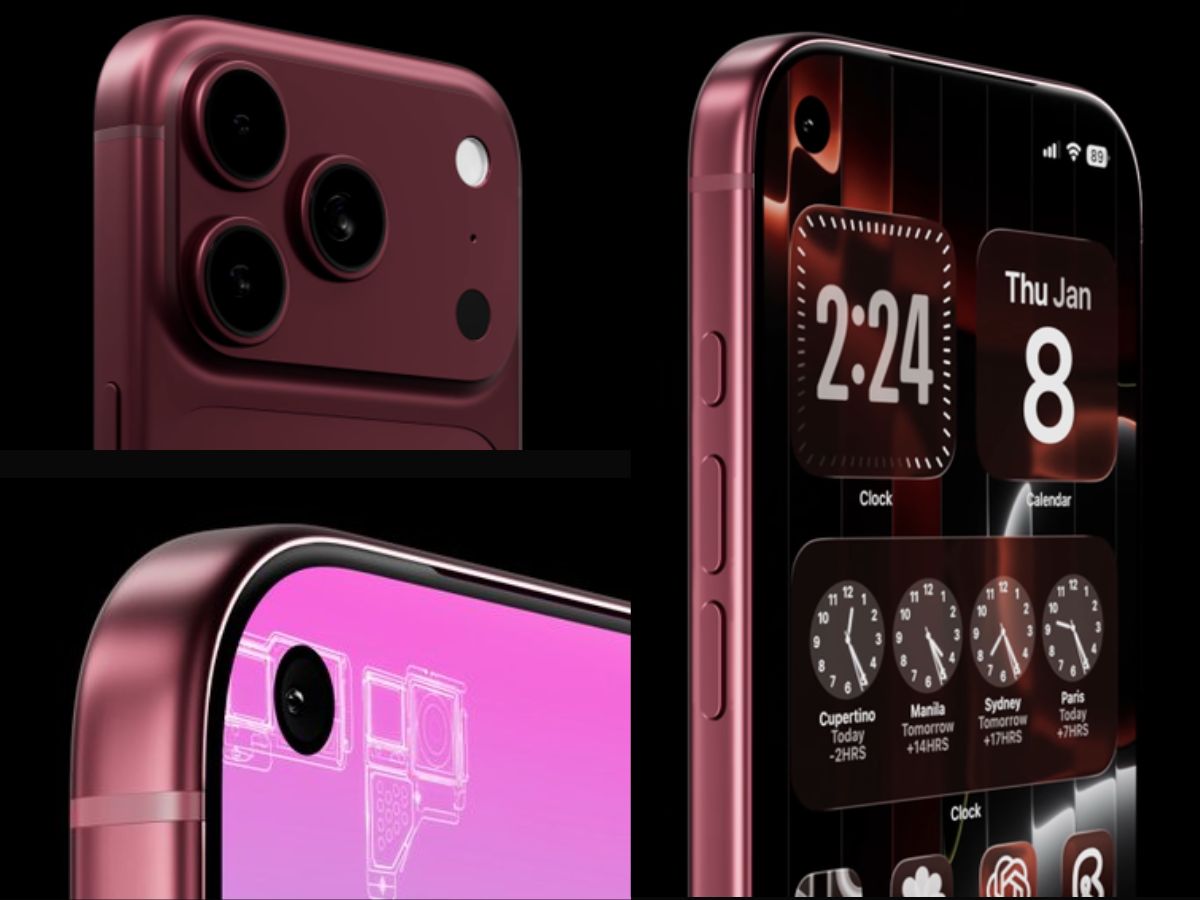
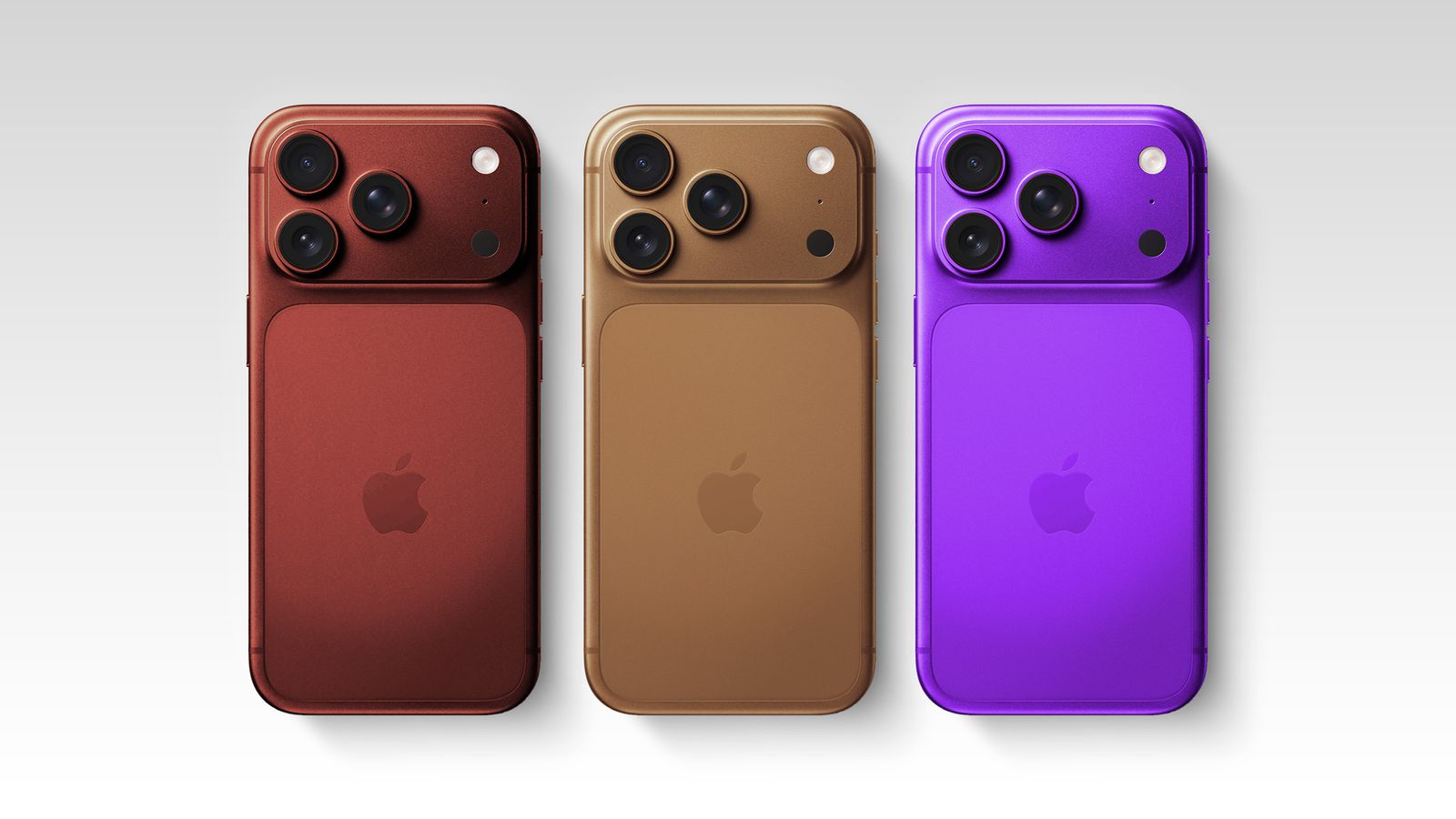
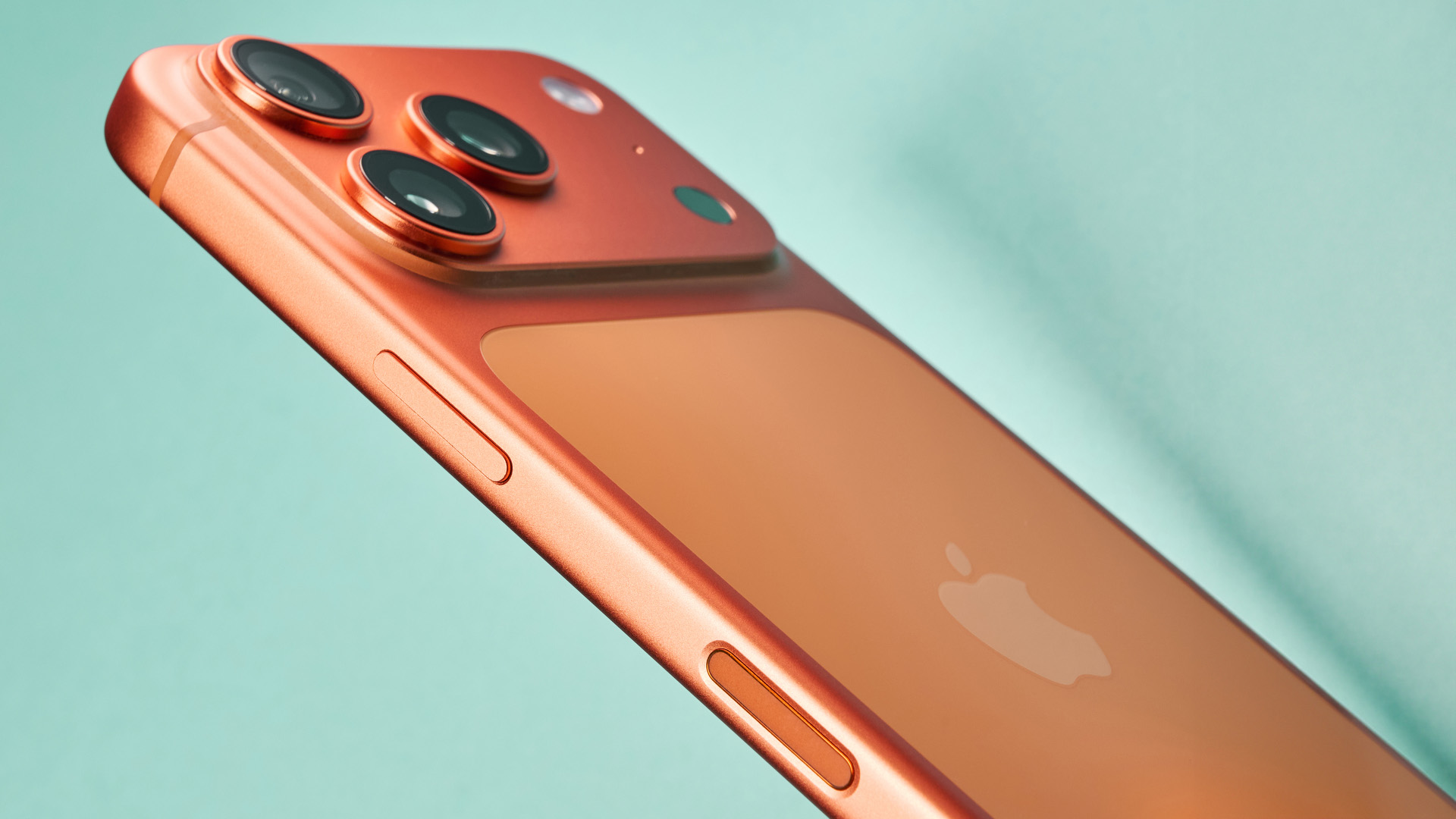
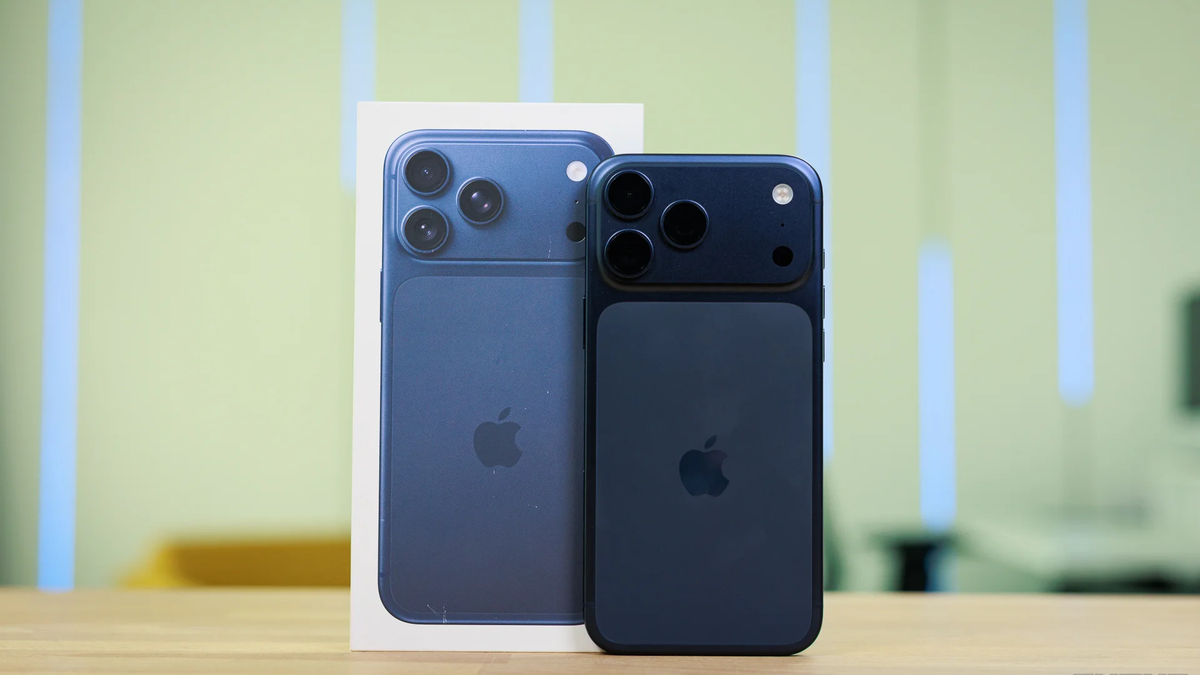
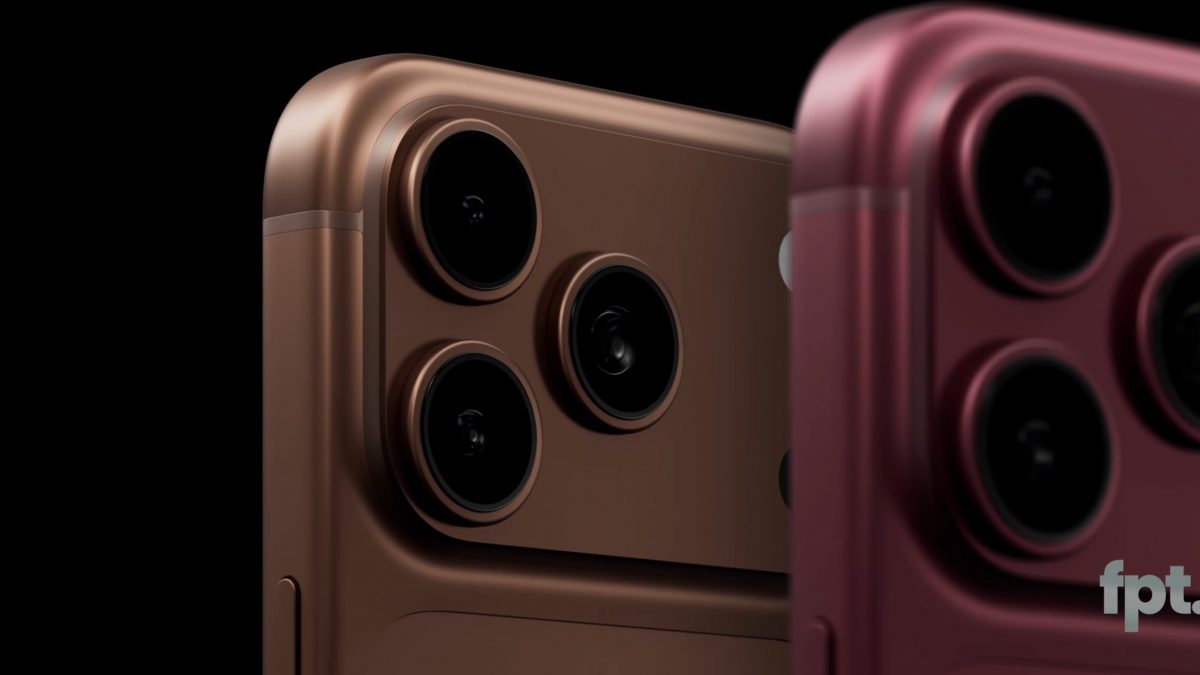
The flat-pricing strategy creates immediate opportunities for accessory sellers. Apple's refusal to raise prices despite semiconductor inflation indicates the company is absorbing cost pressures internally, which means component availability should remain stable through 2026. This stability allows sellers to confidently stock iPhone 18 Pro cases, screen protectors, chargers, and camera lens protectors without fear of sudden price spikes or supply disruptions. The news reports expanded color options (brown, purple, burgundy titanium finishes) and enhanced camera capabilities (f/2.0 telephoto aperture vs. current f/2.8), creating demand for color-matched accessories and professional photography gear. Sellers targeting photography enthusiasts should prepare inventory for variable aperture main sensor accessories and advanced tripod/stabilizer products that appeal to users upgrading specifically for camera improvements.
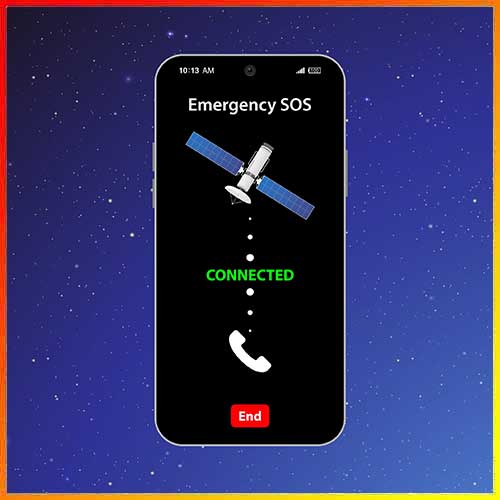
Supply chain stability enables aggressive inventory positioning for 2026. The A20 Pro chip's 2nm manufacturing process and second-generation C2 modem supporting mmWave 5G represent significant technical advances that will drive upgrade demand from iPhone 17 Pro users who skipped previous generations. Industry analysts note Apple is specifically targeting this "upgrade gap" audience—users who held devices 2-3 years longer than typical cycles. This creates a compressed demand window: September 2026 launch followed by peak holiday sales (October-December 2026) and post-holiday trade-in activity (January-March 2027). Sellers should begin sourcing accessories now to secure manufacturing capacity and negotiate volume discounts with suppliers before component costs potentially rise in Q3 2026.
Regional pricing variations and currency arbitrage opportunities emerge. While US pricing remains flat, cross-border sellers must monitor regional pricing strategies in EU, Asia Pacific, and emerging markets. Apple's cost negotiations with Samsung and SK Hynix (both major suppliers to Asian manufacturers) may influence component availability and pricing in China, India, and Southeast Asia. Sellers with multi-region operations should prepare localized pricing strategies and inventory allocation plans by Q2 2026, accounting for potential currency fluctuations and regional demand variations. The maintained US pricing reduces margin pressure from currency movements, allowing sellers to stabilize pricing across markets without constant adjustments.
Questions 8
When should cross-border sellers begin sourcing iPhone 18 Pro accessories?
Sellers should initiate sourcing immediately (Q1 2025) to secure manufacturing capacity and negotiate volume discounts before component costs potentially rise in Q3 2026. The September 2026 launch creates a compressed 18-month planning window. Peak demand will occur October-December 2026 (holiday season) and January-March 2027 (post-holiday trade-in activity). Sellers with Asian manufacturing partners should prioritize negotiations now, as Apple's cost discussions with Samsung and SK Hynix may influence component availability and pricing. Early sourcing also allows time for quality testing, regulatory compliance (FCC, CE certifications), and inventory positioning across multiple regions.
How does the A20 Pro chip and 5G mmWave support impact seller opportunities?
The A20 Pro chip's 2nm manufacturing process and second-generation C2 modem supporting mmWave 5G represent significant technical advances that will drive upgrade demand from users holding iPhone 17 Pro or older devices. These improvements enable faster data speeds and improved battery efficiency, creating demand for 5G-optimized accessories, advanced cooling cases for sustained performance, and premium protective gear. Sellers should monitor 5G infrastructure rollout in key markets (US, EU, Asia Pacific) to time inventory positioning. The battery efficiency gains (5,200mAh in Pro Max vs. 5,088mAh in iPhone 17 Pro Max) reduce demand for external battery packs but increase demand for fast-charging accessories and premium charging cables.