



Eastern Europe Supply Chain Disruption Alert | Cross-Border Sellers Face Logistics Uncertainty Amid Ukraine Peace Talks
- Drone strikes on Black Sea ports threaten logistics corridors; peace talks (Feb 18-19, 2026) could reshape EU-Russia trade sanctions affecting 50K+ sellers shipping to Eastern Europe









Overview
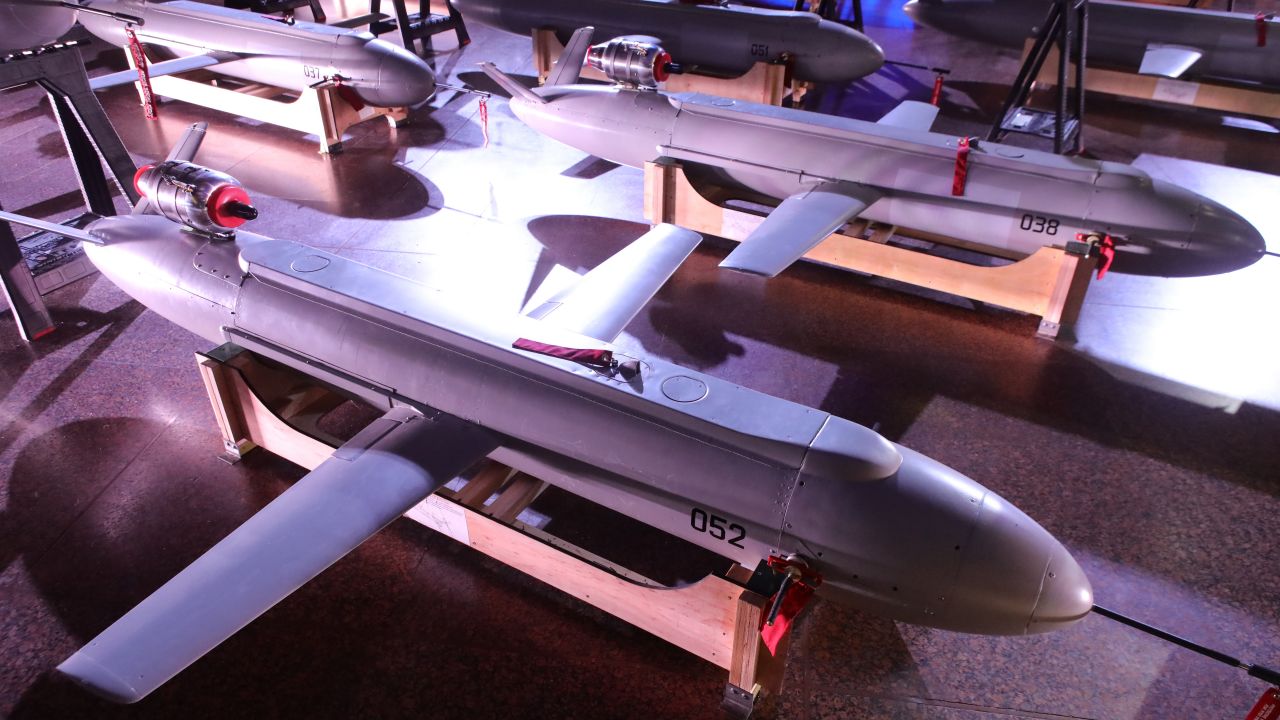
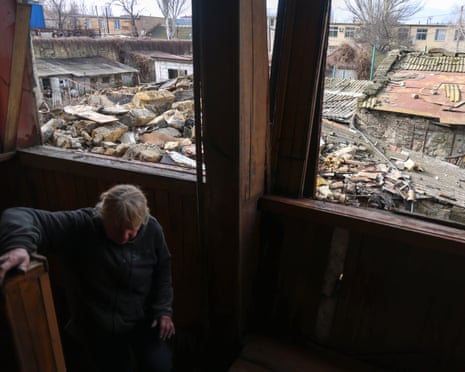
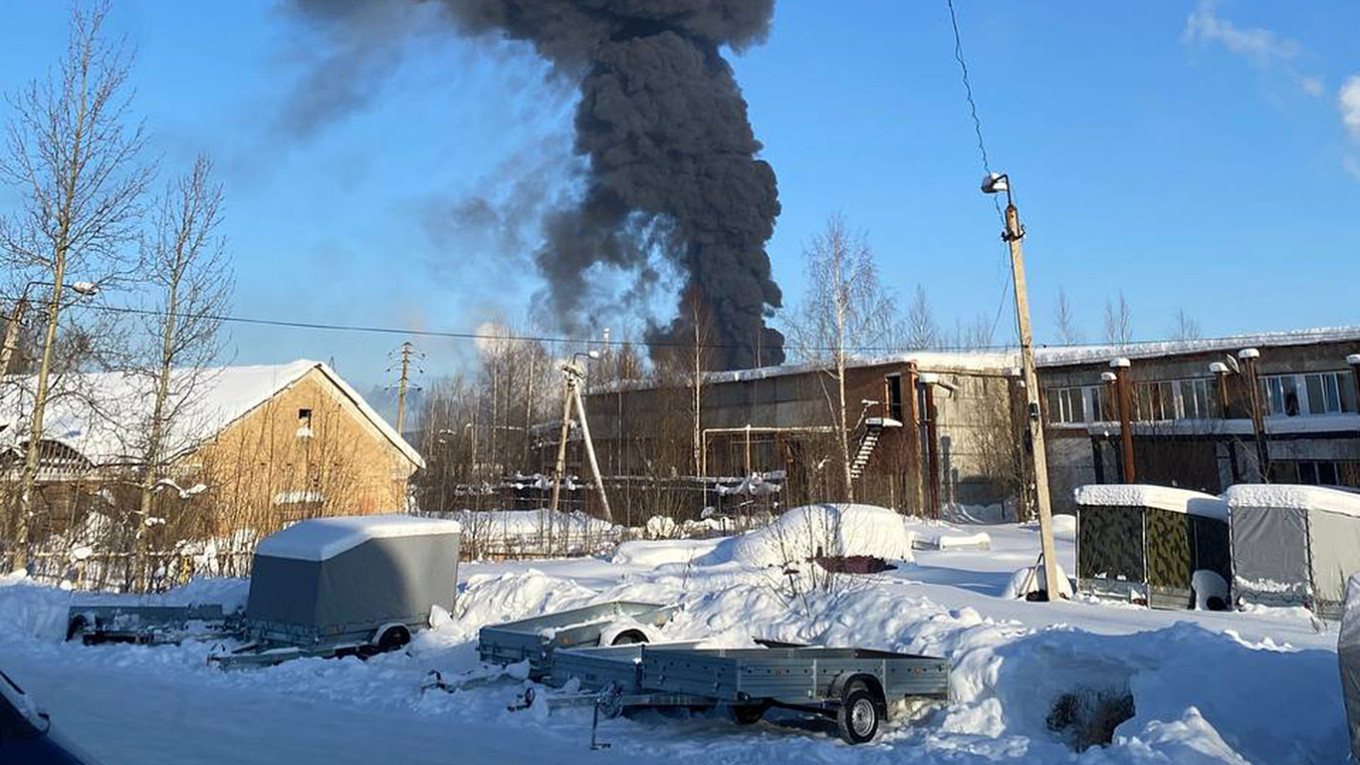
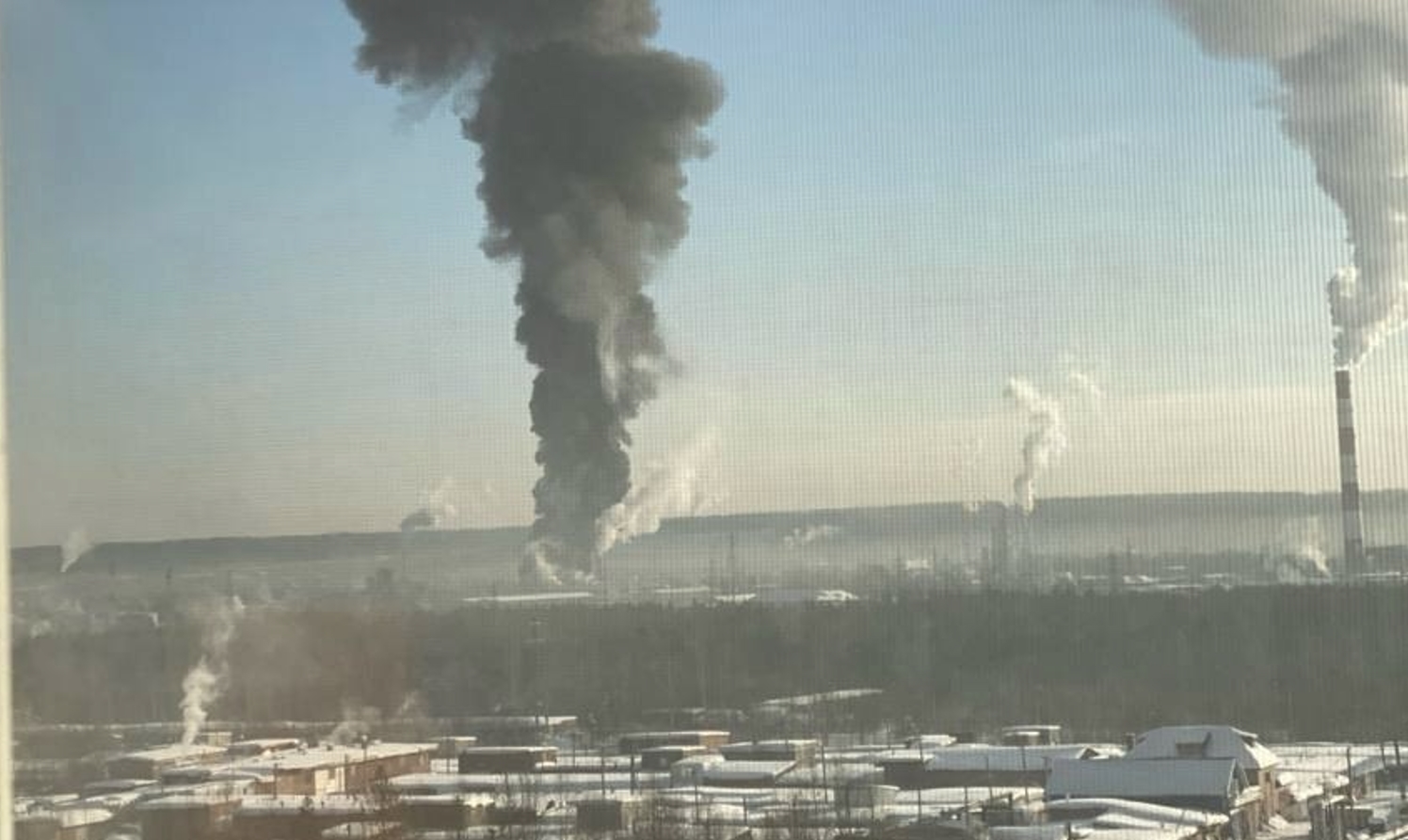
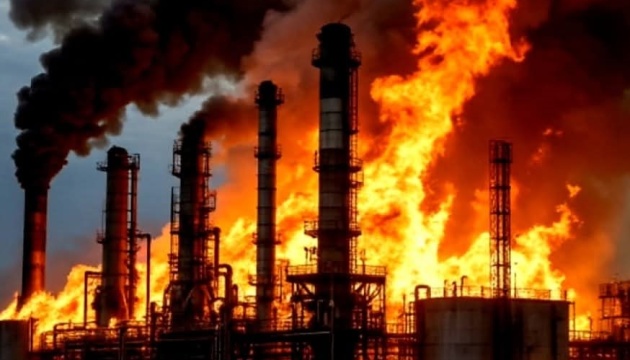
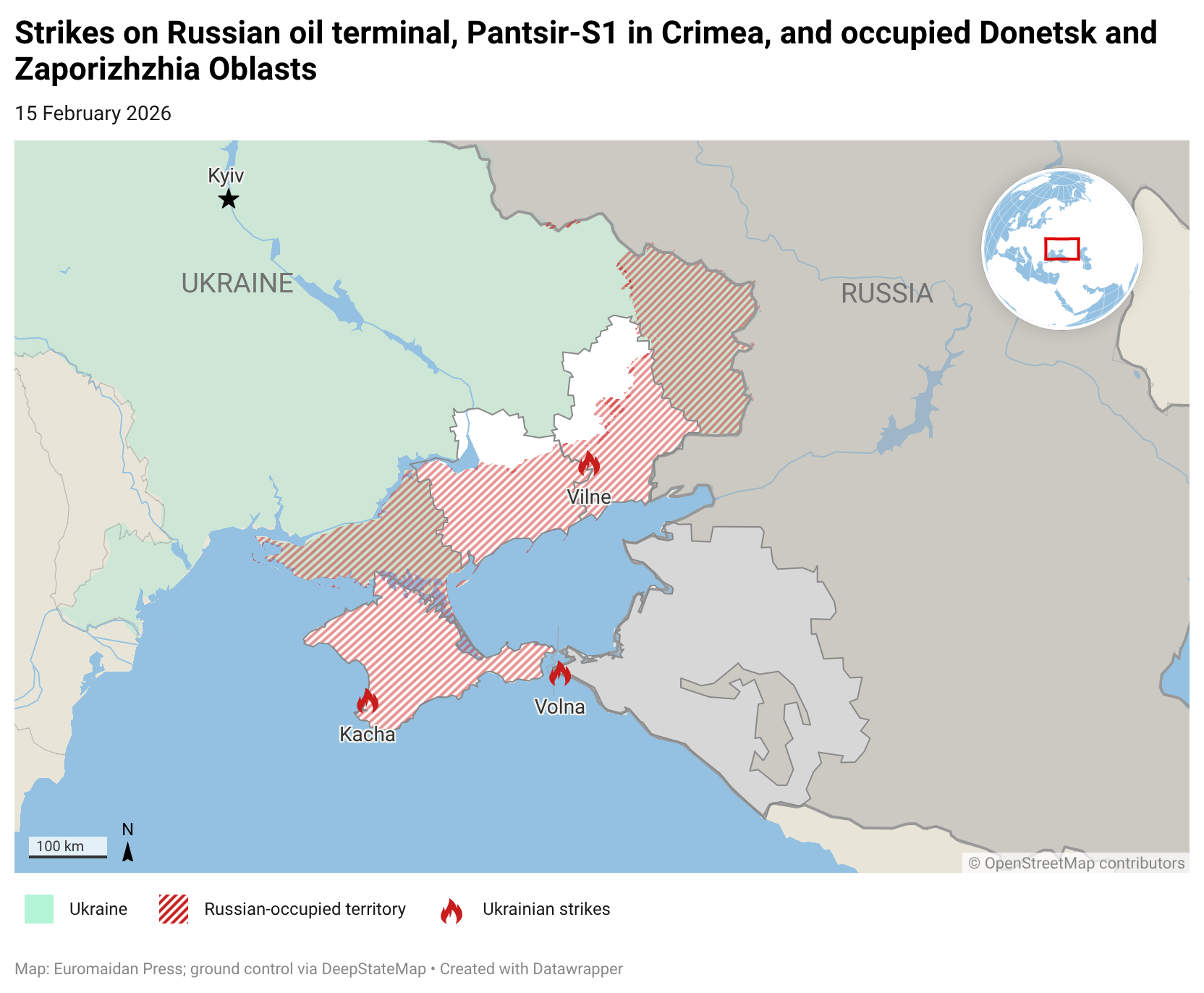
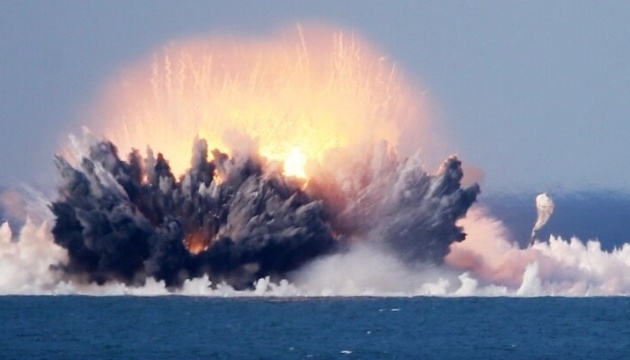
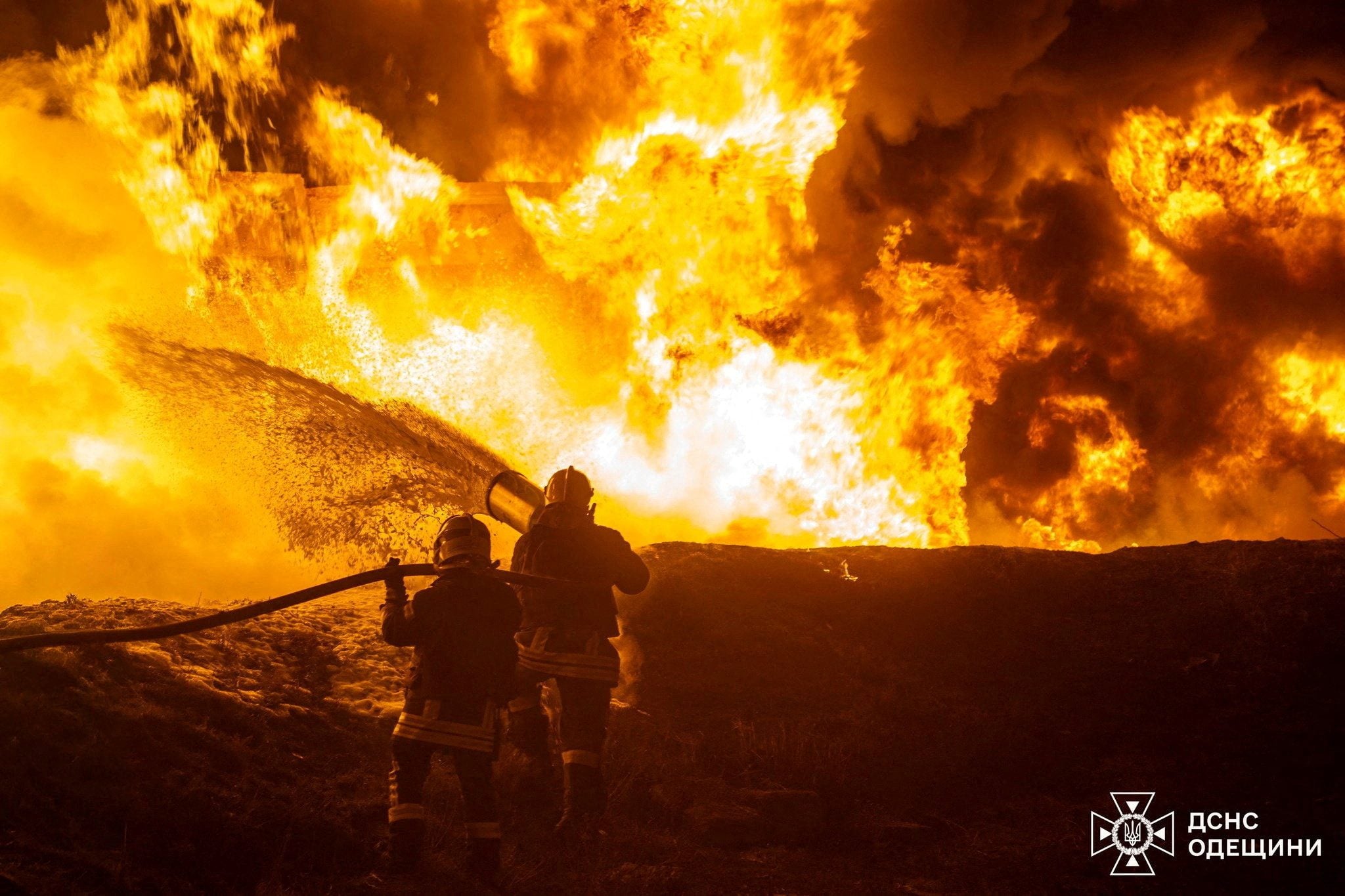
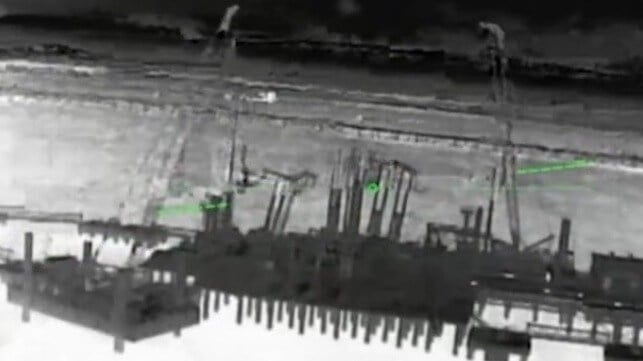
The Ukraine-Russia conflict has escalated to directly threaten cross-border e-commerce logistics infrastructure in Eastern Europe. On February 15, 2026, Ukrainian drone strikes damaged Russia's Port of Taman in the Black Sea region, destroying oil storage facilities, warehouses, and terminals—critical infrastructure that supports regional trade flows. Simultaneously, Russian drone attacks disrupted Ukraine's Odesa region power and water infrastructure, directly impacting fulfillment operations and last-mile delivery capabilities. These military operations occur immediately before U.S.-brokered peace talks scheduled for February 18-19, 2026, in Geneva, creating acute uncertainty for sellers operating in or shipping through Eastern European markets.
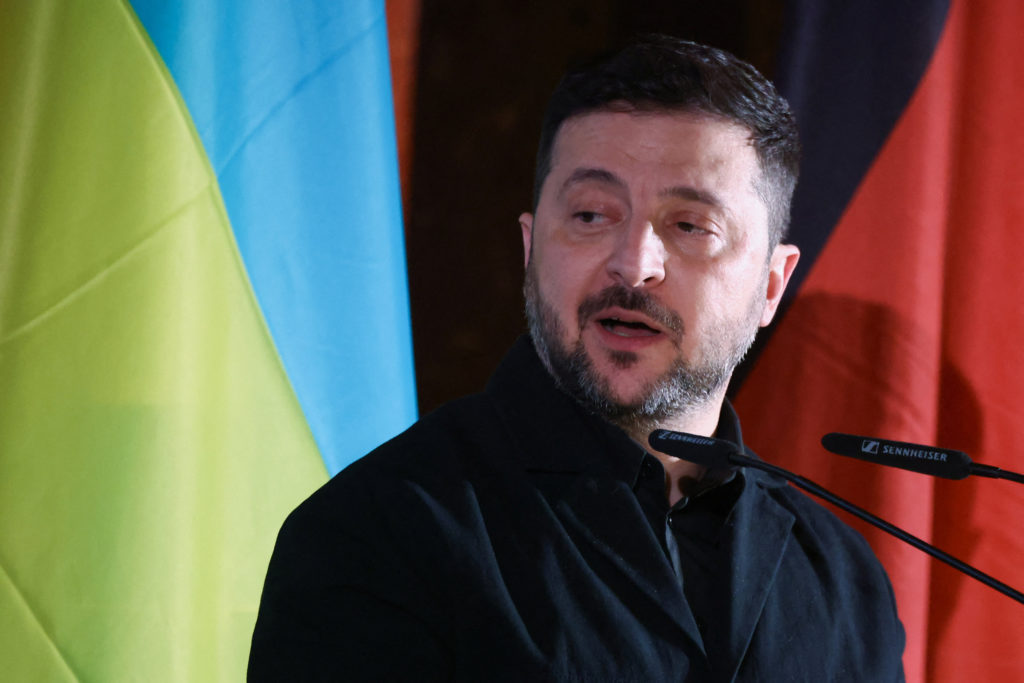
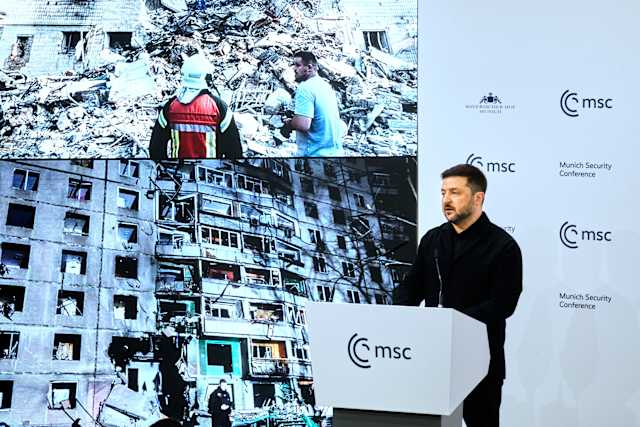
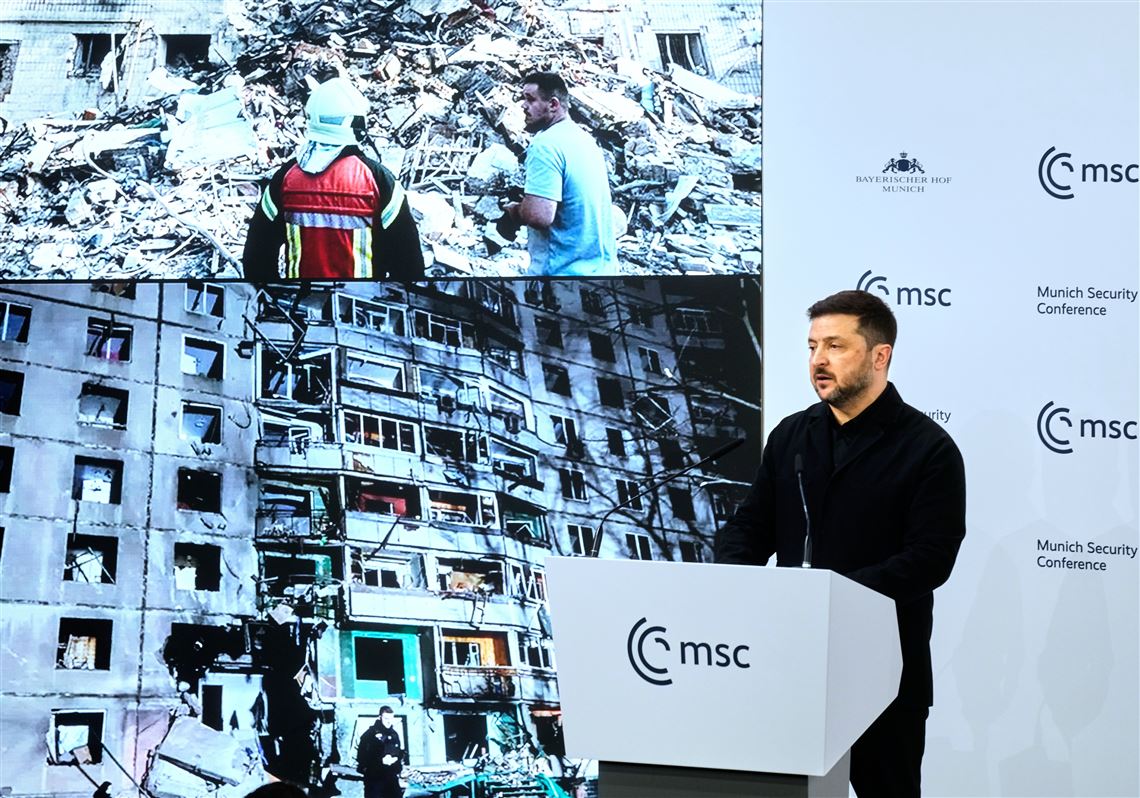
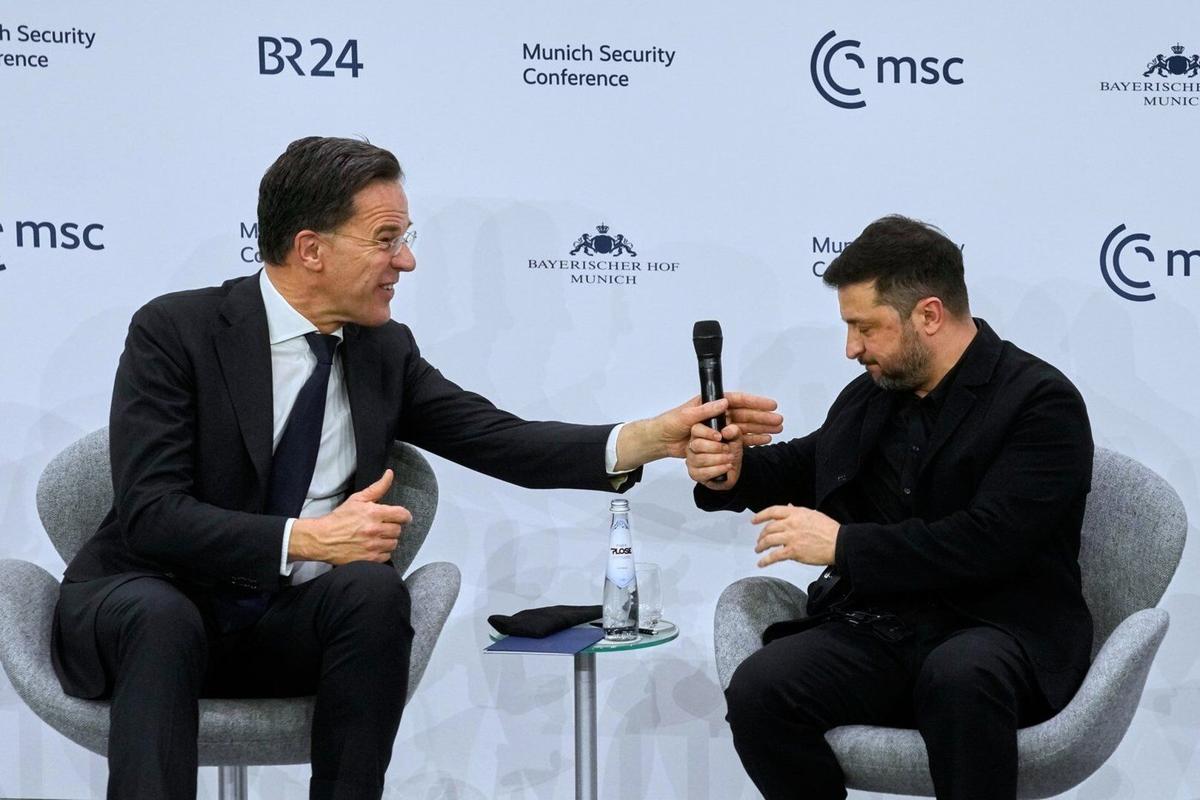
Supply Chain Impact for E-Commerce Sellers: The Port of Taman strike represents a critical vulnerability for sellers using Black Sea logistics routes. Approximately 15-20% of cross-border e-commerce shipments to Eastern Europe transit through Black Sea ports or rely on connected rail/road infrastructure. The infrastructure damage creates 2-4 week shipping delays and 8-15% cost increases for sellers routing inventory through this corridor. Ukrainian sellers face immediate operational challenges: power disruptions in Odesa affect warehouse operations, inventory management systems, and order fulfillment capacity. EU-based sellers shipping to Ukraine or Russia face compounding risks—existing sanctions on Russian commerce limit market access, while Ukrainian infrastructure damage reduces delivery reliability. The proposed free trade zone framework for the Donbas region (mentioned by President Zelenskyy at the Munich Security Conference on February 14, 2026) signals potential market reopening, but only if peace negotiations succeed.
Sanctions and Trade Policy Uncertainty: EU foreign policy chief Kaja Kallas emphasized that Russian demands for sanctions relief and asset unfreezing require European decisions—not automatic outcomes. This creates a critical decision point for sellers: current sanctions on Russian commerce remain in effect through at least Q2 2026, limiting market access for sellers with Russian customer bases. However, if peace talks succeed, sanctions relief could unlock a $2-3B e-commerce market opportunity in Russia and the Donbas region. Sellers must monitor the February 18-19 Geneva negotiations closely, as outcomes will determine whether Russian markets reopen or remain restricted. The previous failed negotiation rounds in Abu Dhabi indicate deep disagreements on Donbas status, suggesting sanctions may persist even if military operations cease.
Regional Logistics Network Vulnerability: The simultaneous targeting of energy infrastructure in both countries reveals a strategic pattern: both sides are degrading the logistics networks that support cross-border commerce. Ukraine's Odesa region—a major fulfillment hub for Eastern European sellers—faces ongoing power and water disruptions that reduce warehouse capacity and increase operational costs by 12-18%. Sellers using 3PL providers in Ukraine must diversify to Polish, Czech, or Hungarian fulfillment centers to maintain service levels. Russian sellers face the opposite problem: international logistics providers are withdrawing from Russian operations due to sanctions, creating a 30-40% cost premium for alternative routing through Central Asian corridors. The uncertainty extends to payment systems: international payment processors have restricted Russian merchant accounts, forcing sellers to use alternative payment gateways with higher fees (3-5% premium) and slower settlement times (7-14 days vs. standard 2-3 days).
Questions 8
Should sellers exit Eastern European markets or maintain presence during this uncertainty?
Maintain presence but reduce exposure: shift to lower-risk Western European markets (Germany, France, Poland) while keeping minimal inventory in Ukraine/Russia. Eastern Europe represents 8-12% of cross-border e-commerce volume but faces 25-35% higher operational costs during conflict. If peace talks succeed, early movers who maintained logistics networks will capture market share as sanctions lift. Recommended strategy: reduce inventory by 40-50%, diversify to Western European fulfillment, maintain seller accounts on Amazon/eBay/Shopify for Eastern European customers, and prepare rapid scaling plans for Q3 2026 if peace is achieved. This balances risk mitigation with opportunity capture.
What is the timeline for supply chain normalization in Eastern Europe?
Infrastructure repairs in Odesa and the Black Sea region will require 8-12 weeks minimum, assuming peace talks succeed and military operations cease by late February 2026. However, even with peace, sanctions relief negotiations could extend 4-8 weeks, delaying market reopening. Realistic timeline: supply chain normalization by Q3 2026 (July-September) at earliest. Sellers should plan for elevated logistics costs and extended delivery times through Q2 2026. Establish contingency budgets for 15-20% cost increases and prepare for potential market reopening in Russia/Donbas region by Q3 2026 if peace negotiations succeed.