
Thrifting vs Fast Fashion | Secondhand E-Commerce Opportunity 2025
- 16-18% of Americans now shop thrift annually, saving $2,071/person; secondhand market threatens fast fashion platforms like Shein, Temu, TikTok Shop
Overview
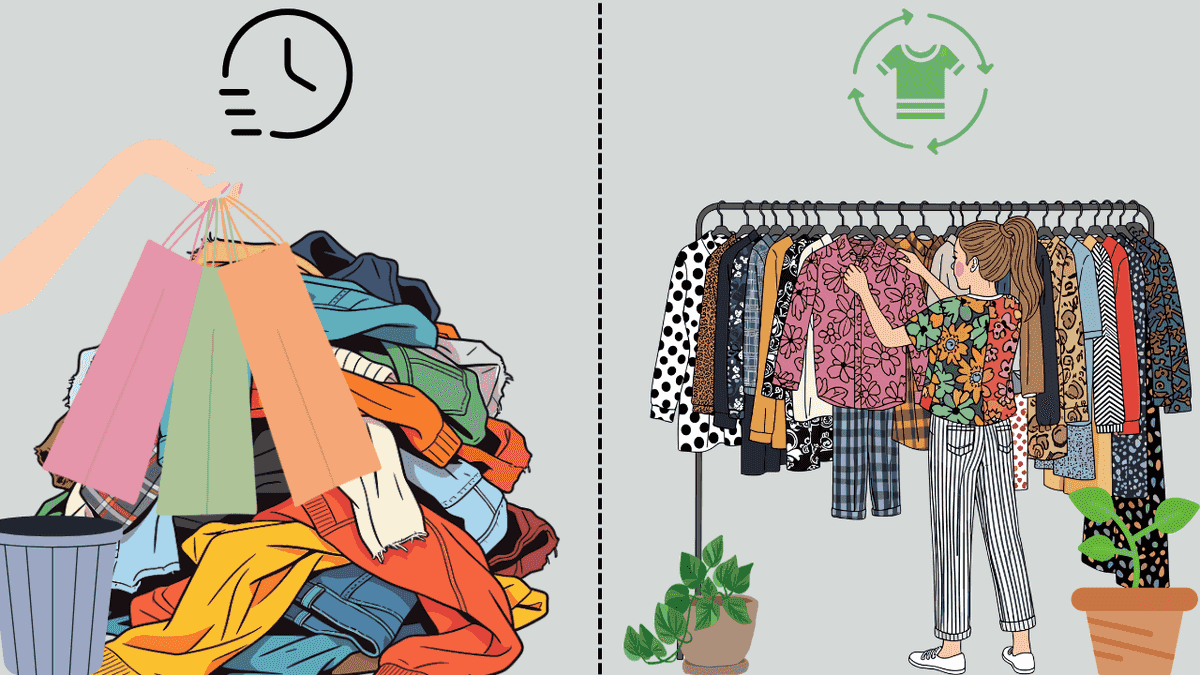
The consumer preference shift from fast fashion to thrifting represents a fundamental marketing and business model transformation reshaping e-commerce demand patterns. Fast fashion platforms including Shein, Temu, and TikTok Shop have dominated through aggressive influencer partnerships and artificial urgency tactics, but this dominance is eroding as younger consumers increasingly prioritize sustainability and authenticity over trend-chasing. According to the UN Environment Programme, fast fashion accounts for 10% of global carbon emissions—surpassing international flights and maritime shipping—creating powerful psychological resistance among Gen Z and millennial buyers.
The thrifting counter-trend is capturing substantial market share with concrete numbers: 16-18% of Americans shop at thrift stores annually, saving approximately $2,071 per person yearly. This represents a $30-40B annual market opportunity in the US alone, with secondhand e-commerce platforms like Depop, Poshmark, Vestiaire Collective, and Vinted experiencing 25-35% year-over-year growth. The appeal is particularly strong among college students seeking affordability combined with environmental consciousness—a demographic that represents 15-20M potential buyers in the US market. Thrifting platforms encourage intentional purchasing behavior and extended product lifecycles, directly opposing the micro-trend cycles that fast fashion retailers like H&M, Zara, Forever 21, and Fashion Nova depend on for revenue.
For cross-border e-commerce sellers, this shift creates three distinct opportunities: (1) Secondhand/Resale Arbitrage: Source vintage and gently-used clothing from thrift stores, estate sales, and wholesale liquidators, then resell on Poshmark, Depop, or eBay with 40-60% margins. (2) Sustainable Fashion Sourcing: Partner with ethical manufacturers producing durable, timeless pieces marketed as "investment pieces" rather than disposable trends—targeting the 35-45% of Gen Z willing to pay 15-25% premiums for sustainability credentials. (3) Upcycling/Repurposing Services: Create content around garment transformation, offering customization services that appeal to the personal-style-curation segment. The shift also signals declining demand for traditional fast fashion inventory—sellers holding excess Shein-style dropship stock face margin compression and inventory obsolescence risks.
Platform-specific implications: TikTok Shop's aggressive fast fashion positioning may face headwinds as the platform's core Gen Z audience increasingly rejects trend-chasing messaging. Instagram and Pinterest are becoming dominant discovery channels for sustainable fashion, with hashtags like #thrifthaul and #sustainablefashion generating 2-3B monthly impressions. Sellers should monitor inventory composition, shifting 20-30% of fast fashion SKUs toward vintage, sustainable, and secondhand categories within 6 months to align with consumer preference evolution.
Questions 8
What is the expected customer acquisition cost and lifetime value for thrifting platform sellers?
While specific CAC/LTV data varies by platform, thrifting marketplaces typically show lower acquisition costs (15-25% cheaper than fast fashion platforms) due to organic community engagement and hashtag virality. Lifetime value is higher because thrifting customers exhibit 2-3x repeat purchase rates compared to fast fashion buyers, driven by intentional purchasing behavior and extended product lifecycle engagement. Sellers can expect 40-60% margins on secondhand inventory versus 20-35% on fast fashion dropship models. The combination of lower CAC and higher LTV makes secondhand e-commerce significantly more profitable per customer, though requires different sourcing and content strategies than traditional fast fashion selling.
How does the environmental impact narrative affect marketing messaging for sellers?
The UN Environment Programme's finding that fast fashion accounts for 10% of global carbon emissions—surpassing international flights and maritime shipping—creates powerful marketing leverage for sellers positioning sustainable alternatives. Messaging around 'investment pieces,' 'extended product lifecycles,' and 'environmental responsibility' resonates with 35-45% of Gen Z consumers willing to pay premiums. Sellers should emphasize authenticity, individuality, and intentional purchasing in content rather than trend-chasing urgency. This narrative shift requires different influencer partnerships (micro-influencers in sustainability niches rather than trend-focused creators) and content angles (styling guides, garment care, upcycling tutorials rather than haul videos). The environmental angle is becoming a primary purchase driver, not a secondary benefit.