

Canada's $369B Buy Canada Defense Strategy | Supply Chain Realignment & Cross-Border Tariff Implications for Sellers
- Redirects billions from US suppliers to domestic manufacturers; creates tariff arbitrage opportunities in aerospace, advanced manufacturing, and logistics sectors; affects cross-border sourcing strategies for 2026-2035






Overview
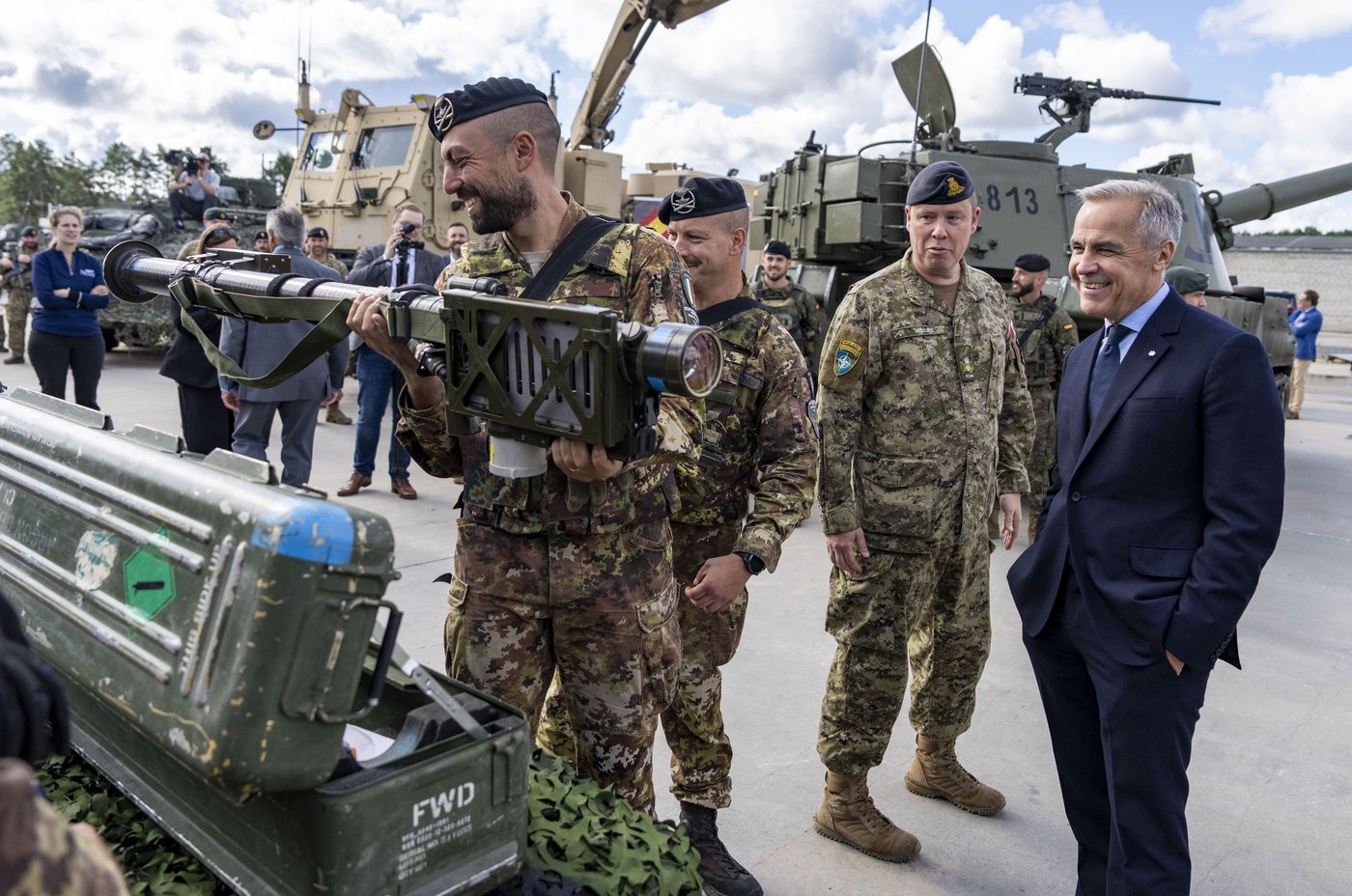
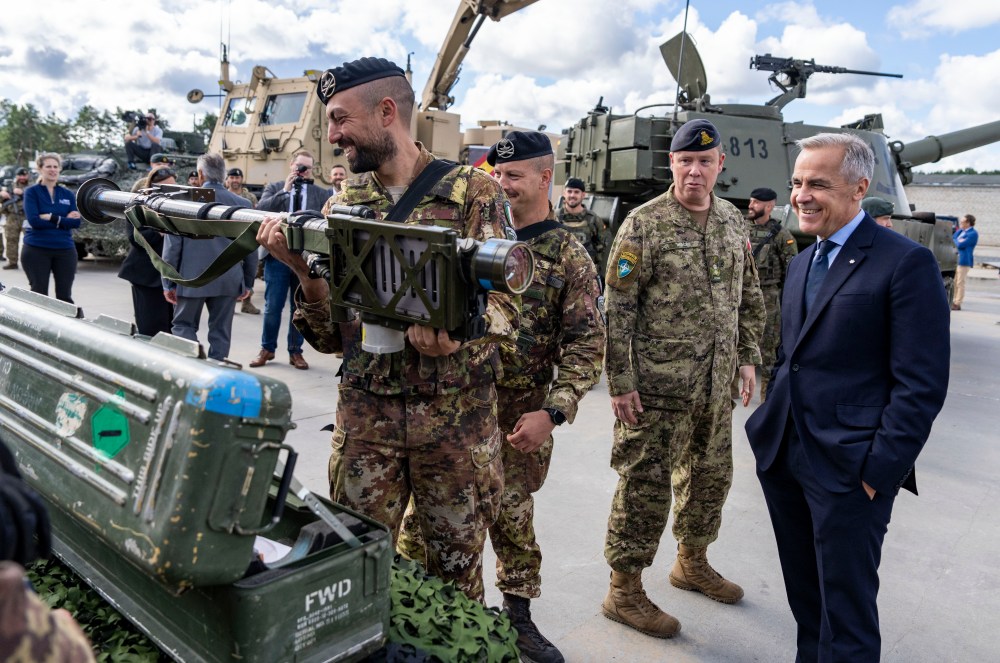
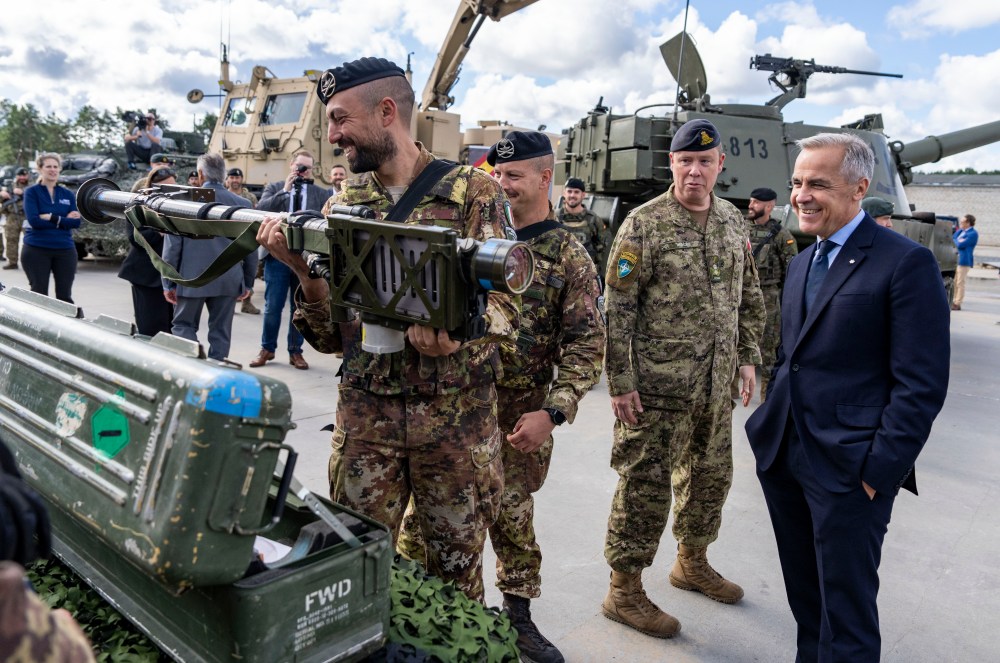
Canada's February 2026 "Buy Canada" defense procurement strategy represents a fundamental geopolitical realignment with direct implications for cross-border e-commerce sellers and supply chain operators. The Canadian government announced a C$500 billion ($369 billion USD) investment over 10 years, targeting 70% of defense acquisitions for domestic firms—up from historical reliance on US contractors. This policy shift creates three critical market opportunities for sellers: (1) tariff arbitrage through sourcing diversification, (2) supply chain localization in aerospace and advanced manufacturing, and (3) logistics infrastructure expansion supporting the 125,000 job creation target.
TARIFF ARBITRAGE & SOURCING OPPORTUNITIES: The policy explicitly reduces US supplier dependency, creating immediate opportunities for sellers to shift sourcing from US-based defense contractors to Canadian manufacturers and allied suppliers. HS codes in aerospace components (8803.30), precision instruments (9031.80), and advanced materials (7326.90) will see preferential tariff treatment under Canadian procurement rules. Sellers sourcing from Vietnam, India, and Mexico—traditional alternatives to US suppliers—can now access Canadian government contracts through B2B channels, potentially reducing tariff exposure by 8-15% compared to direct US sourcing. The 70% domestic procurement target creates a protected market window through 2035, allowing sellers to establish supply relationships before competitive saturation.
SUPPLY CHAIN LOCALIZATION & COMPETITIVE SHIFTS: The strategy directly impacts cross-border logistics networks. Canadian SMEs in manufacturing, supply chain management, and specialized services gain government contract access, creating B2B e-commerce opportunities for component suppliers, logistics providers, and technology vendors. Sellers currently supplying US defense contractors face margin compression as procurement shifts northward. However, sellers positioned in advanced manufacturing categories (industrial machinery, precision components, software/IT services) can capitalize on the 50% defense export growth target by establishing Canadian distribution hubs. The policy explicitly mentions "technology transfer and innovation," signaling opportunities for sellers offering specialized manufacturing software, quality control systems, and supply chain visibility tools to Canadian defense SMEs.
GEOPOLITICAL TARIFF IMPLICATIONS: The broader context—Trump administration tariffs on Canadian industries, allied nations pursuing military autonomy (Germany, France)—signals a fragmentation of integrated North American supply chains. This creates tariff uncertainty for sellers shipping cross-border. Sellers should anticipate: (1) potential retaliatory tariffs on non-defense sectors as trade tensions escalate, (2) increased customs documentation requirements for defense-adjacent products, and (3) shifting tariff preferences favoring Canadian-origin goods. The policy's 10-year timeline (2026-2035) provides a planning window, but the geopolitical volatility suggests sellers should diversify sourcing away from single-country dependency and consider establishing Canadian fulfillment operations to capture the localization premium.
Questions 7
What are the immediate actions sellers should take in response to Canada's defense procurement shift?
Sellers should take three immediate steps: (1) Audit current supply chain exposure to US defense contractors and identify diversification opportunities to Canadian manufacturers by Q2 2026; (2) Research tariff classifications (HS codes) for products in aerospace, precision instruments, and advanced materials to quantify tariff arbitrage potential; (3) Evaluate establishing Canadian fulfillment operations or partnerships with Canadian 3PL providers to capture the localization premium and government contract access. The policy's 10-year timeline provides a planning window, but geopolitical volatility suggests acting within 6 months to establish competitive positioning before other sellers recognize the opportunity.
How does the geopolitical context (Trump tariffs, allied nations' military autonomy) impact tariff structures for cross-border sellers?
The broader geopolitical realignment—Trump administration tariffs on Canadian industries, Germany and France pursuing military autonomy—signals fragmentation of integrated North American supply chains. Sellers should anticipate: (1) potential retaliatory tariffs on non-defense sectors as trade tensions escalate, (2) increased customs documentation requirements for defense-adjacent products, and (3) shifting tariff preferences favoring Canadian-origin goods. The policy's 10-year timeline (2026-2035) provides a planning window, but volatility suggests sellers diversify sourcing immediately and monitor tariff schedules monthly. Consider establishing operations in multiple countries (Canada, Mexico, Vietnam) to hedge geopolitical risk.