





Gaza Reconstruction Boom | $5B+ Opportunity for Cross-Border Sellers in Emerging Markets
- Trump's multi-billion-dollar Palestinian reconstruction plan signals emerging market demand for building materials, consumer goods, and humanitarian products; sellers can position for post-conflict supply chain opportunities in Middle East region


)























Overview
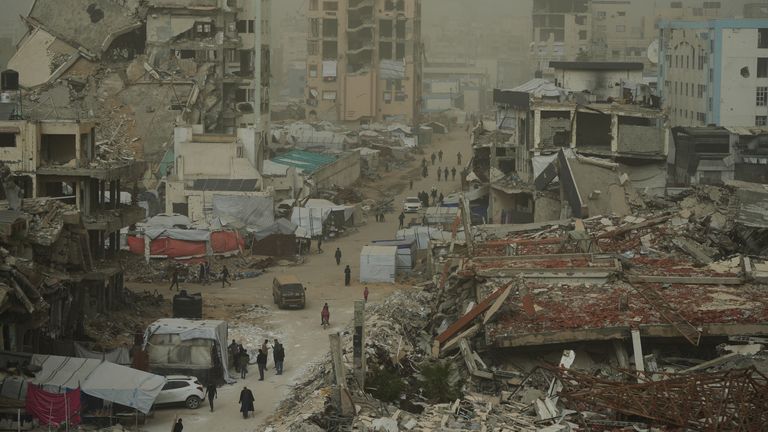
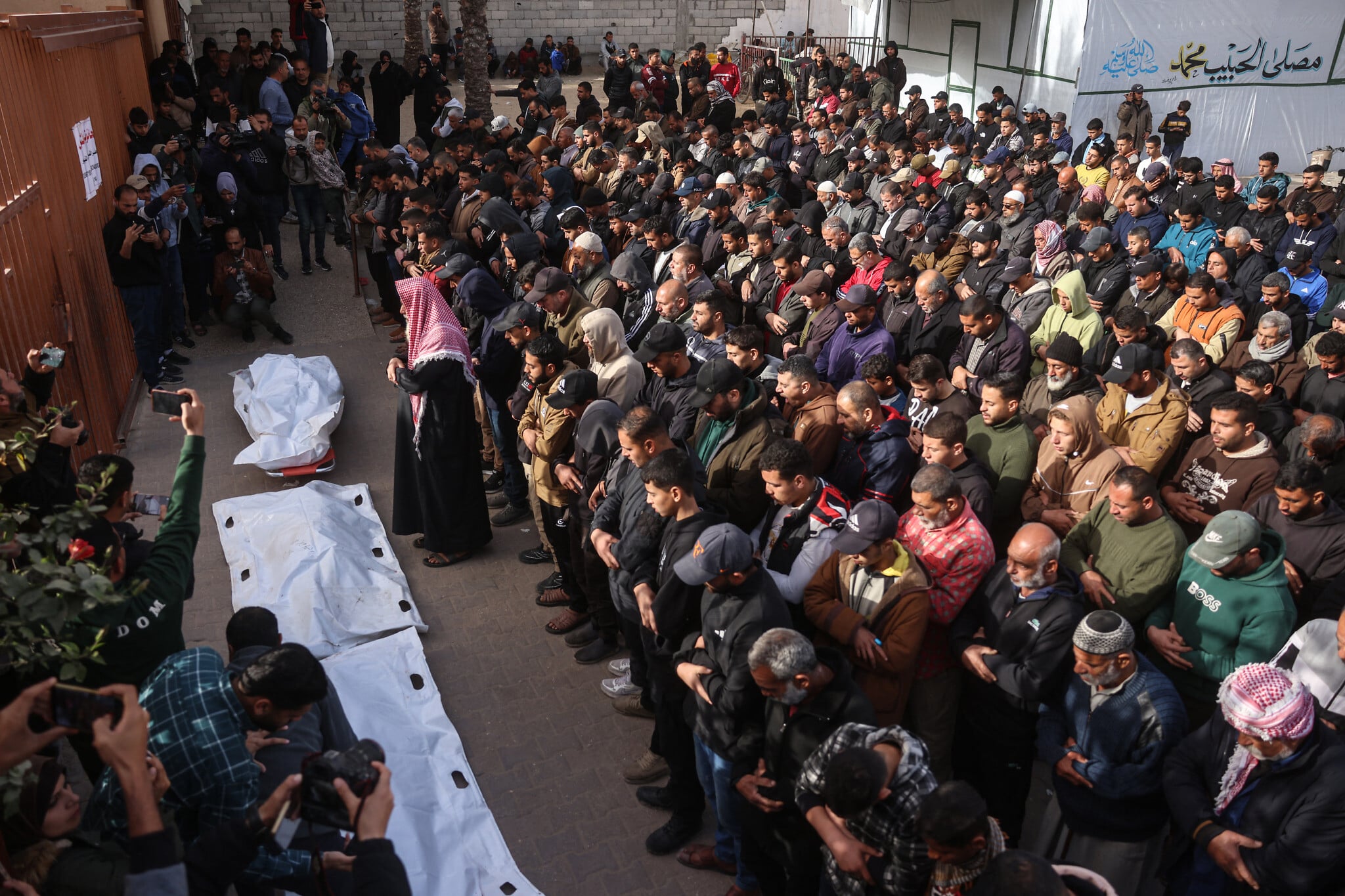
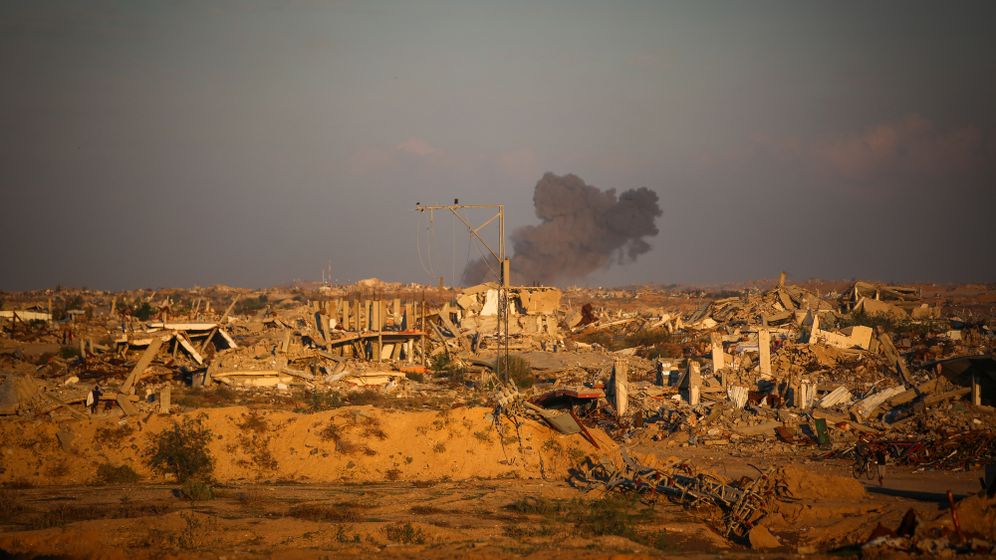
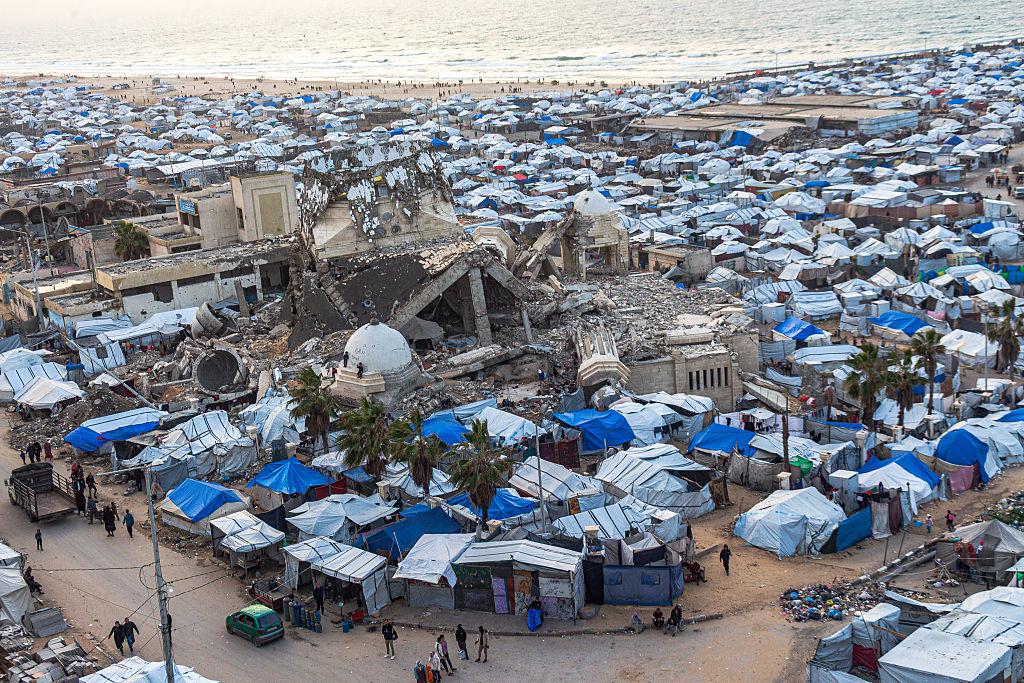
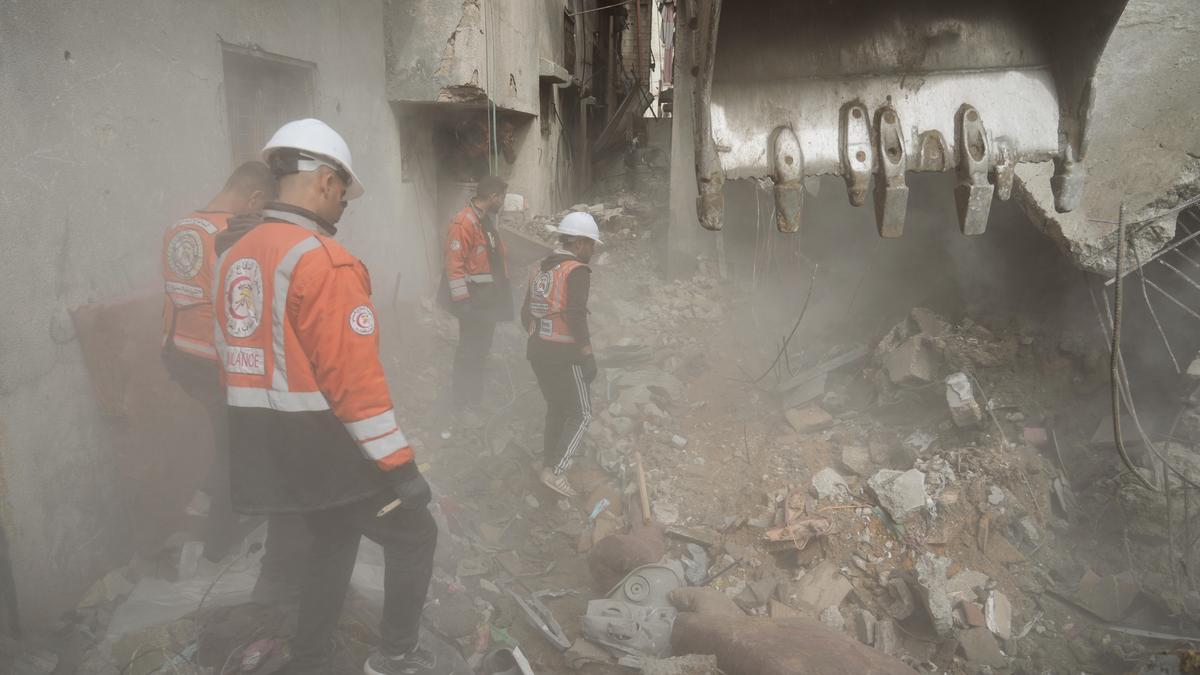
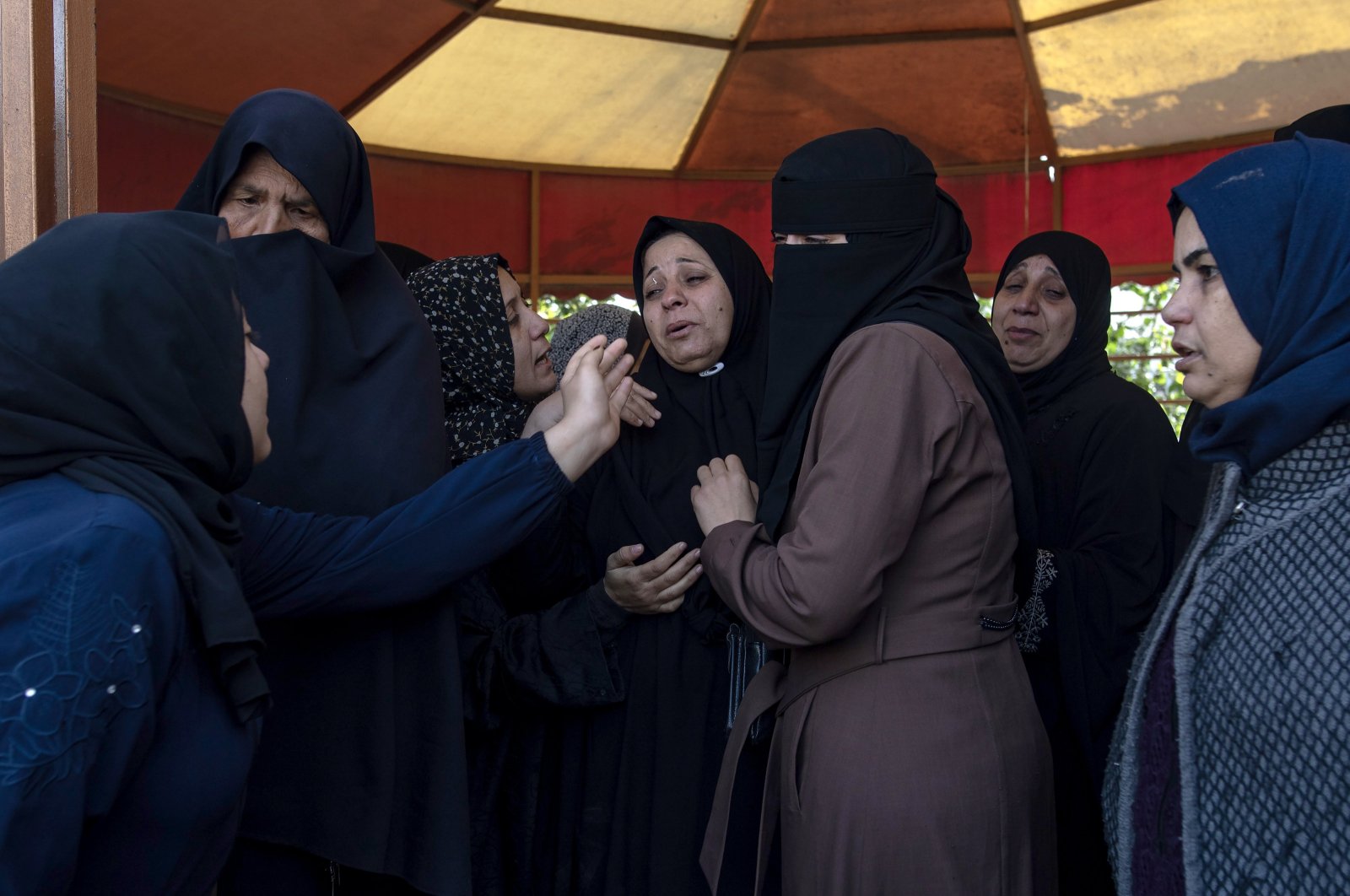
The February 15, 2026 escalation in Gaza—with Israeli airstrikes killing 11 Palestinians and ceasefire violations from both sides—masks a critical emerging opportunity for cross-border sellers: the imminent $5 billion U.S.-pledged Gaza reconstruction plan announced by President Trump's Board of Peace. While mainstream media focuses on geopolitical conflict, savvy e-commerce merchants should recognize this as a Level 3 market context opportunity with significant supply chain and product category implications.
Market Opportunity Context: The reconstruction initiative represents one of the largest post-conflict development projects in the Middle East, comparable to Marshall Plan-scale infrastructure rebuilding. This signals massive demand across multiple product categories: construction materials (cement, steel, electrical components), humanitarian goods (medical supplies, water purification systems, hygiene products), consumer durables (appliances, furniture, bedding), and technology infrastructure (solar panels, telecommunications equipment, computing devices). Sellers positioned in these categories can expect 18-36 month demand windows as Palestinian territories rebuild housing, healthcare facilities, schools, and commercial infrastructure.
Supply Chain Implications for Sellers: The ceasefire's fragility (600+ Palestinian deaths since October despite agreement, Israeli unilateral Yellow Line movements, Hamas disarmament refusal) creates logistics complexity. Sellers must monitor: (1) Shipping route stability—Middle East instability affects Mediterranean and Suez Canal shipping lanes used for 12% of global trade; (2) Customs clearance delays—reconstruction goods may face expedited processing or additional documentation requirements; (3) Payment security—international reconstruction contracts often require escrow arrangements and verified buyer credentials; (4) Supplier diversification—sellers relying on single Middle East suppliers should develop alternative sourcing within 60-90 days.
Seller Segments Most Affected: Small-to-medium sellers (10-100 SKUs) in construction, medical, and consumer goods categories should prioritize market research in Palestinian territories and neighboring regions (West Bank, Jordan, Lebanon). Large sellers (1000+ SKUs) should evaluate 3PL partnerships with Middle East logistics providers to capture first-mover advantage. Sellers currently serving Israeli or Palestinian markets face immediate risk from ceasefire violations—consider temporary inventory adjustments and customer communication protocols. Cross-border sellers on Amazon Global, eBay International, and Shopify Markets can leverage existing infrastructure to reach reconstruction contractors and NGO procurement teams entering Palestinian markets.
Regulatory and Compliance Considerations: U.S. sanctions and export controls on Palestinian territories remain complex. Sellers must verify: (1) OFAC (Office of Foreign Assets Control) compliance for any Palestinian entity transactions; (2) EU sanctions frameworks if selling through European marketplaces; (3) Product certification requirements for construction/medical goods entering Palestinian Authority jurisdiction. The Board of Peace's governance framework may introduce new import standards—monitor Trump administration announcements for specific compliance deadlines.
Questions 8
How does ceasefire fragility affect shipping and logistics for sellers?
The February 15, 2026 escalation—with 11 deaths and both sides accusing each other of systematic violations—demonstrates the ceasefire remains unstable despite October 2023 agreement. This creates three logistics risks: (1) Mediterranean and Suez Canal shipping delays (12% of global trade routes affected by Middle East instability), adding 5-15 days to transit times; (2) Customs clearance unpredictability—reconstruction goods may face expedited processing or additional documentation; (3) Payment security concerns requiring escrow arrangements. Sellers should diversify shipping routes through alternative providers, maintain 30-45 day inventory buffers, and establish backup suppliers outside conflict zones within 60-90 days.
Which product categories offer the highest seller opportunity in Gaza reconstruction?
Priority categories include: (1) **Construction materials** (cement, steel, electrical components, plumbing fixtures)—estimated $1.5-2B market; (2) **Medical/healthcare supplies** (diagnostic equipment, pharmaceuticals, hospital furniture)—$400-600M opportunity; (3) **Water and sanitation systems** (purification equipment, pipes, treatment chemicals)—$300-500M; (4) **Consumer durables** (appliances, furniture, bedding for residential reconstruction)—$800M-1.2B; (5) **Technology infrastructure** (solar panels, telecommunications equipment, computing devices)—$600-900M. Sellers in these categories on Amazon Global, eBay International, and Shopify Markets can target reconstruction contractors, NGOs, and Palestinian Authority procurement teams. Historical data from Iraq reconstruction (2003-2011) shows construction materials sellers achieved 40-60% margin improvements during peak rebuilding phases.