



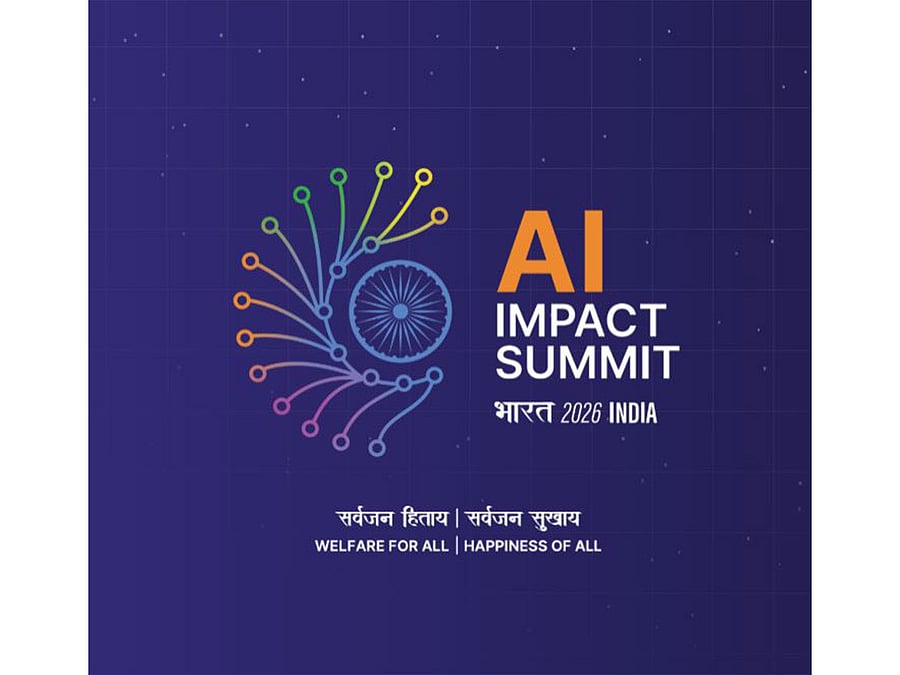
India's $68B AI Infrastructure Boom Creates Massive E-Commerce Automation Opportunity for Global Sellers
- 250,000 delegates, $11.1B venture fund, 210M ChatGPT users unlock AI-powered product selection, pricing, and customer service automation for cross-border sellers targeting 1.4B Indian consumers
)






)

























)




)








Overview
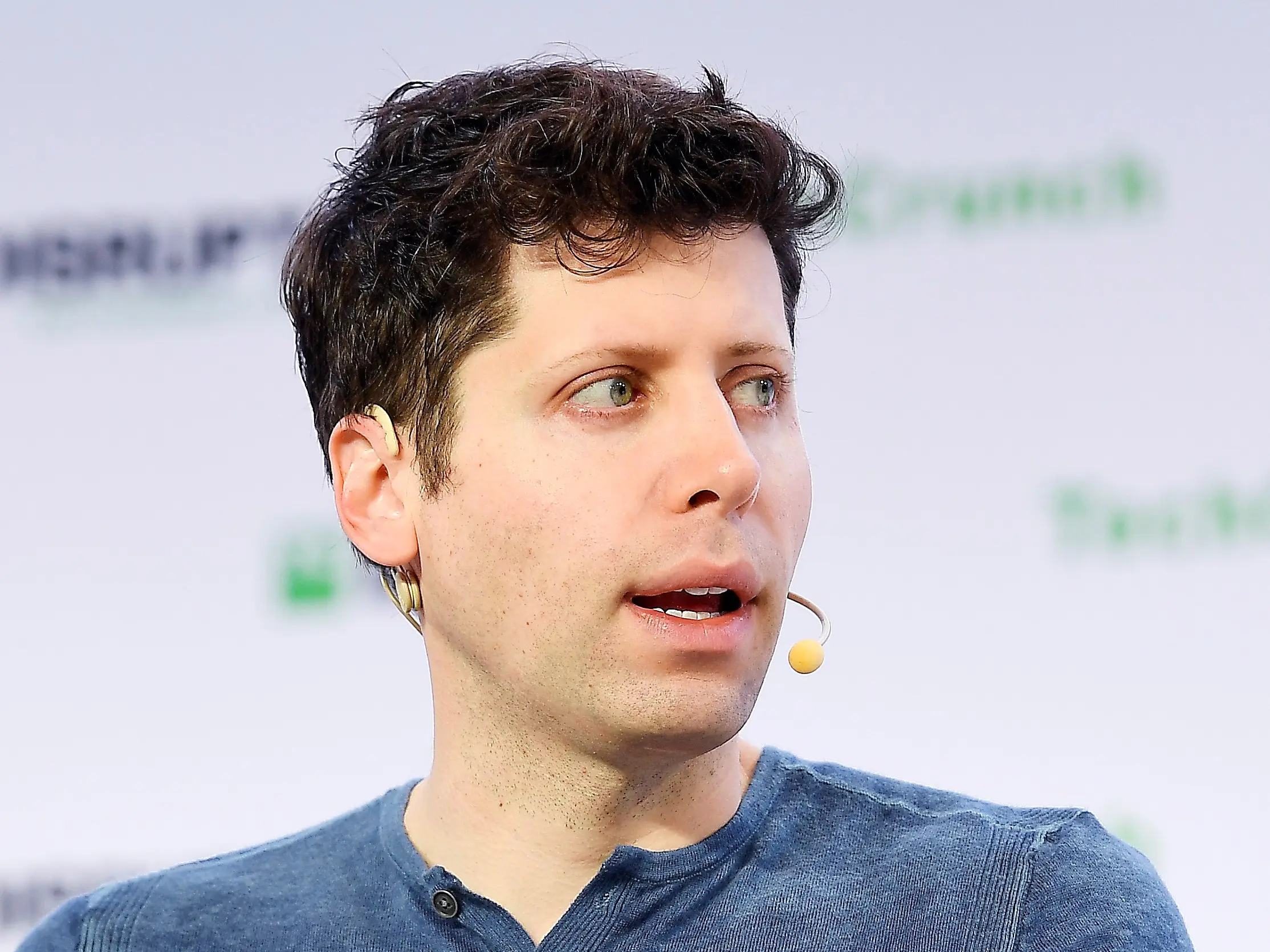
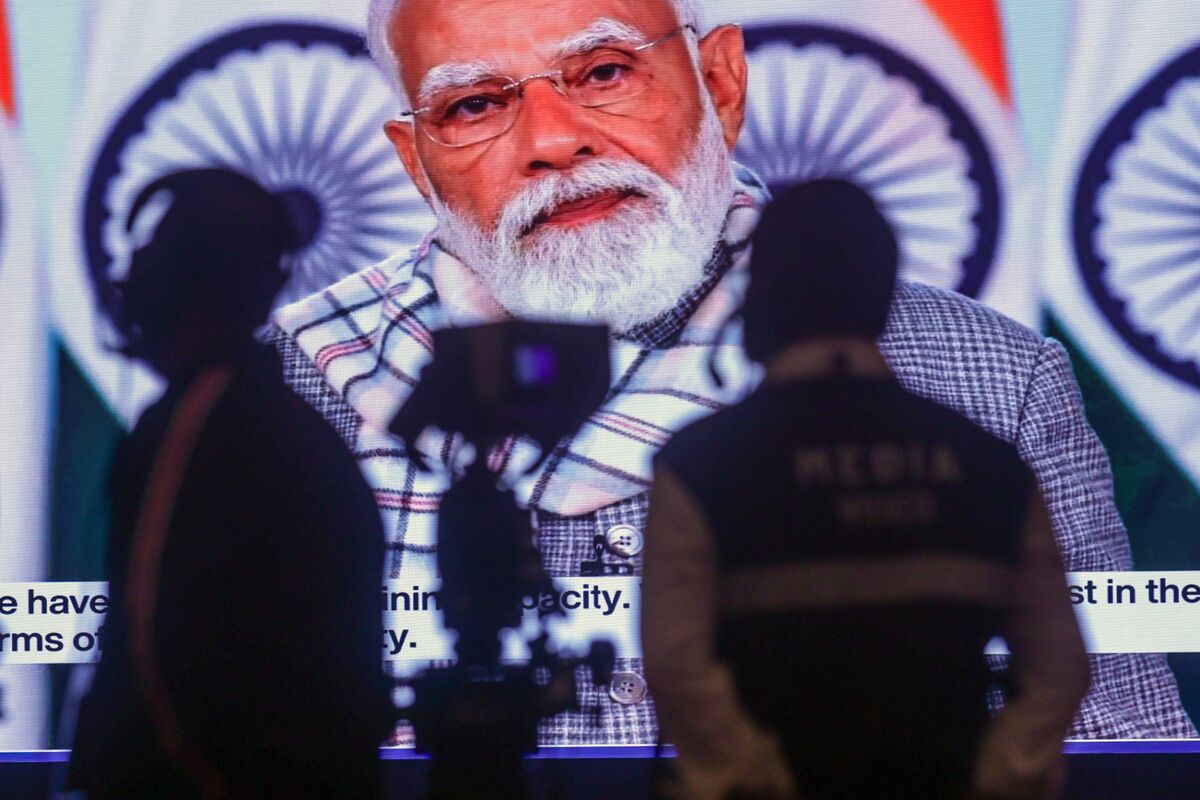
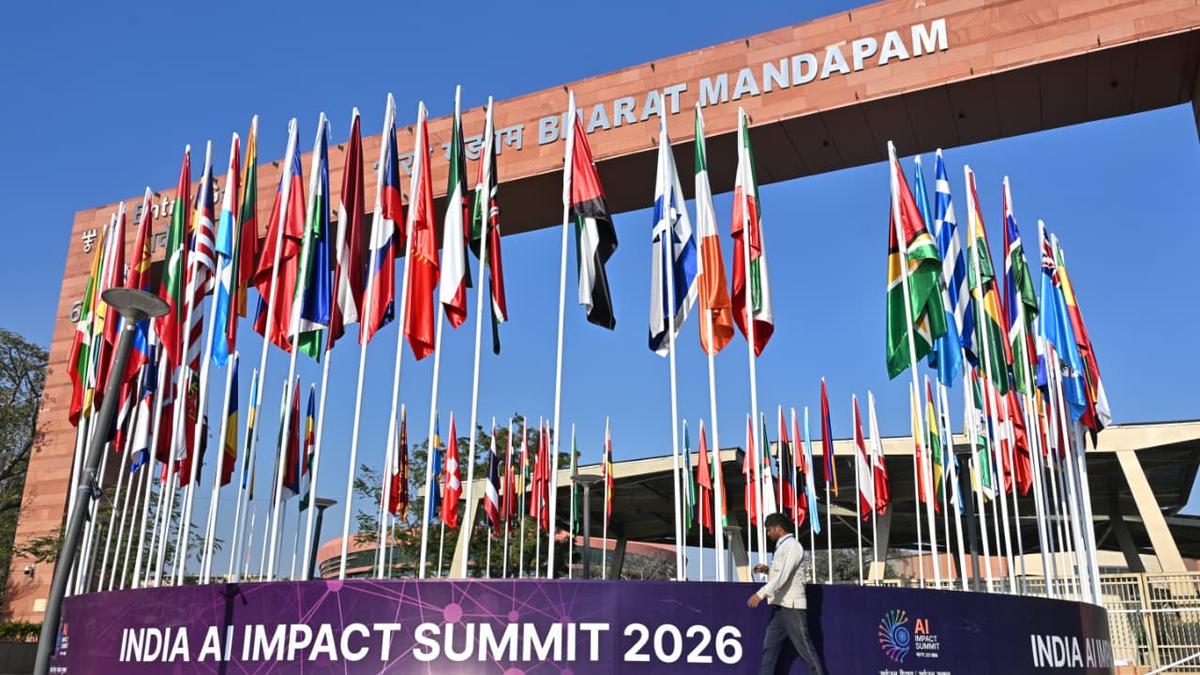
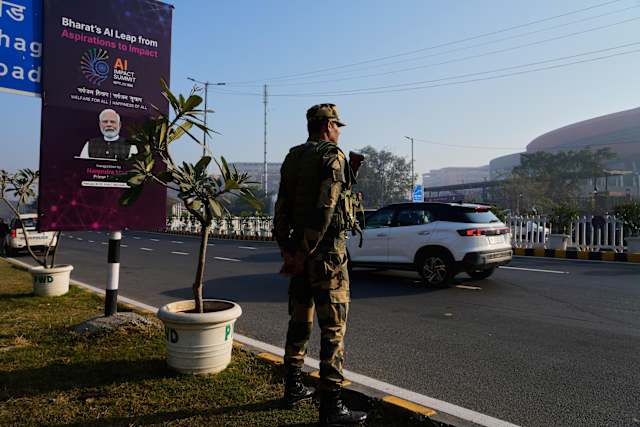
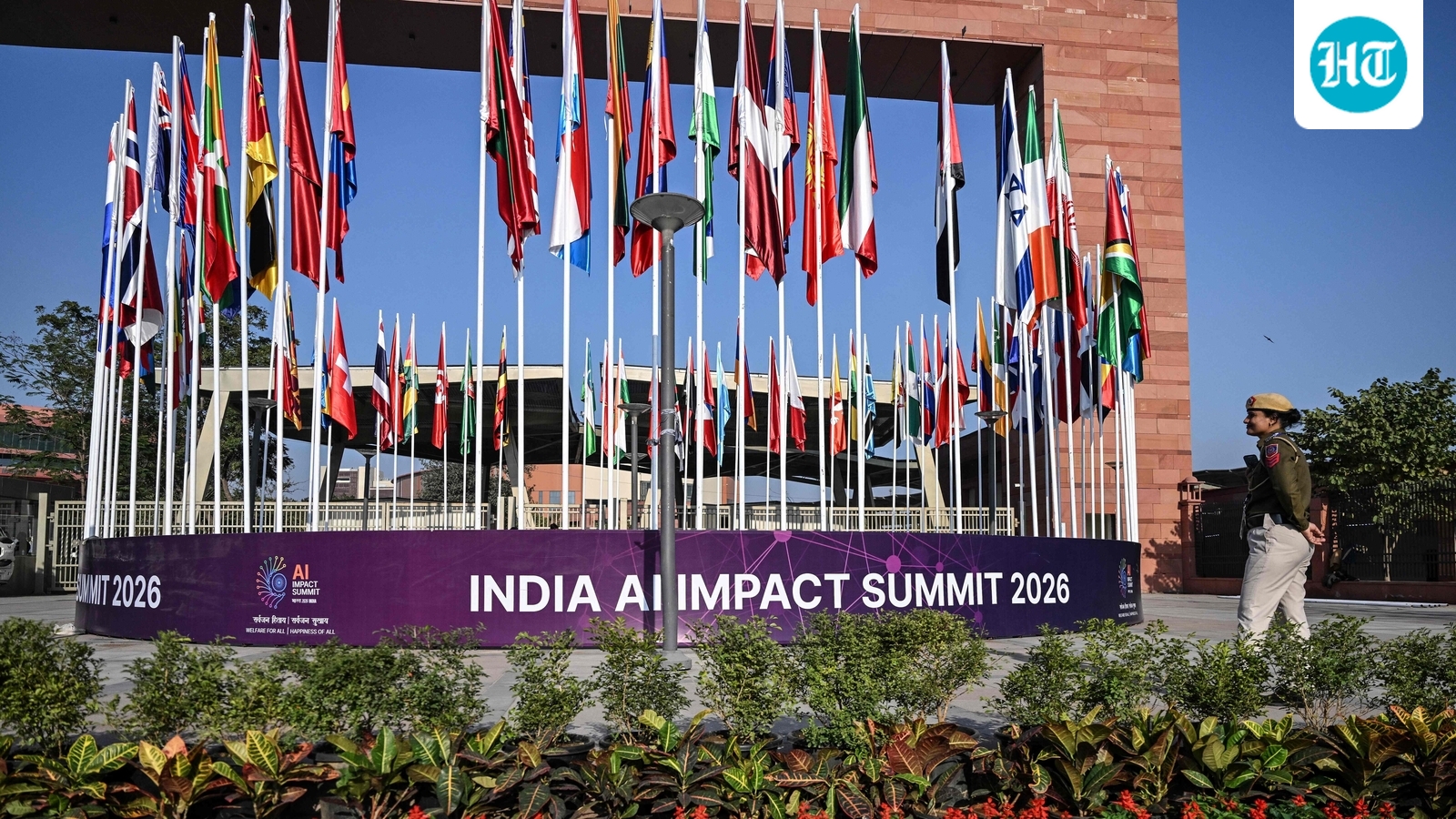
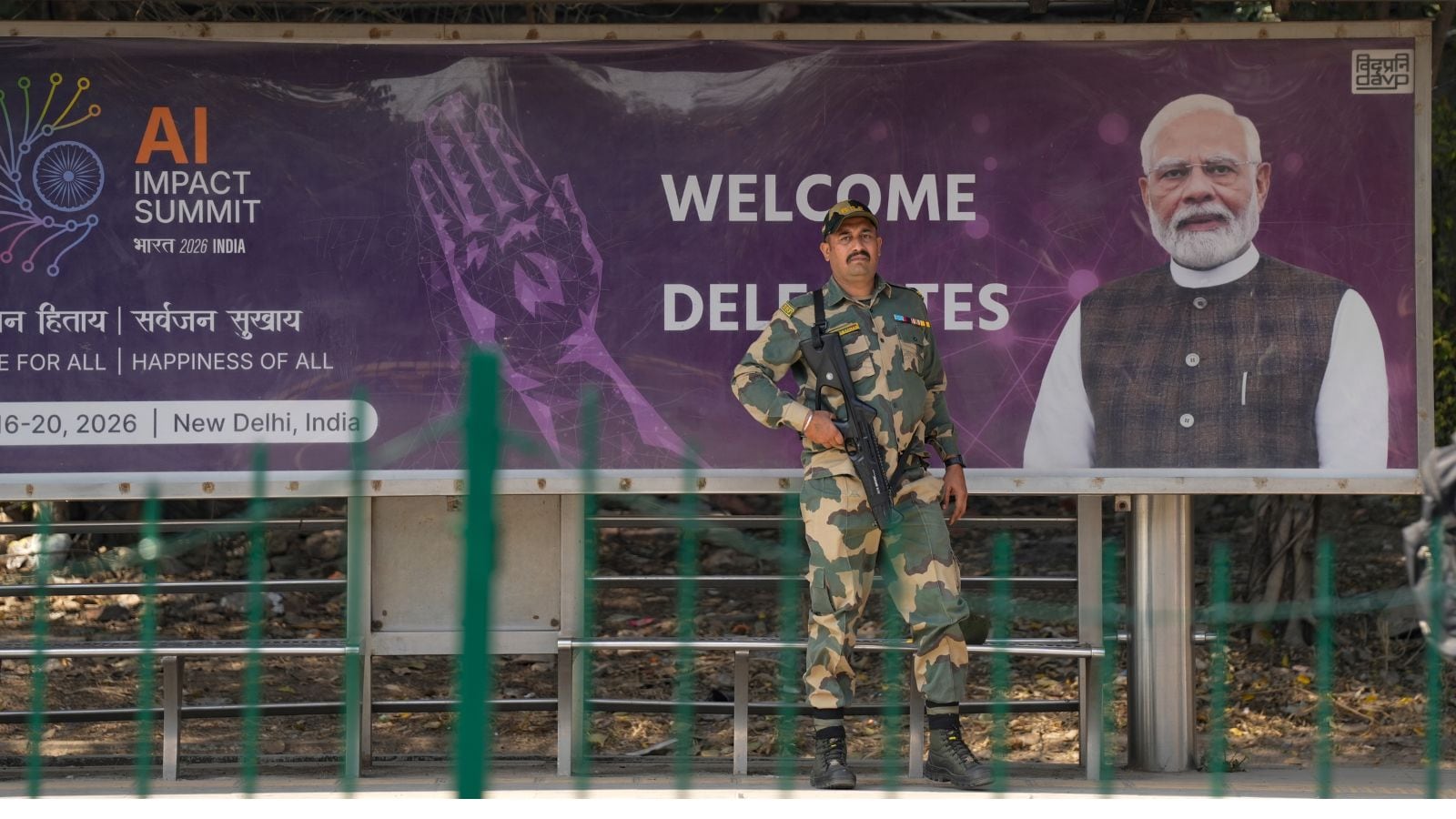
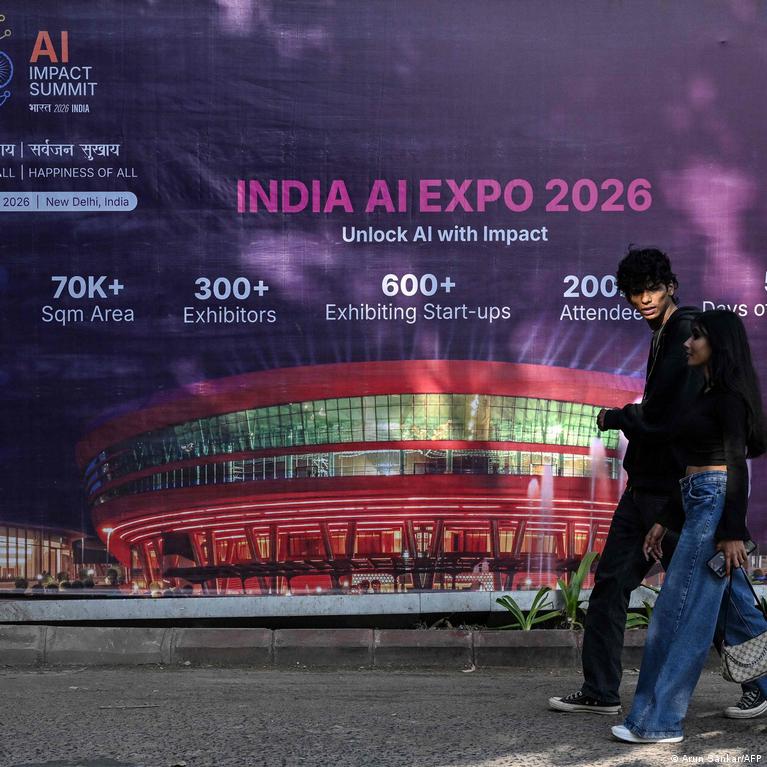
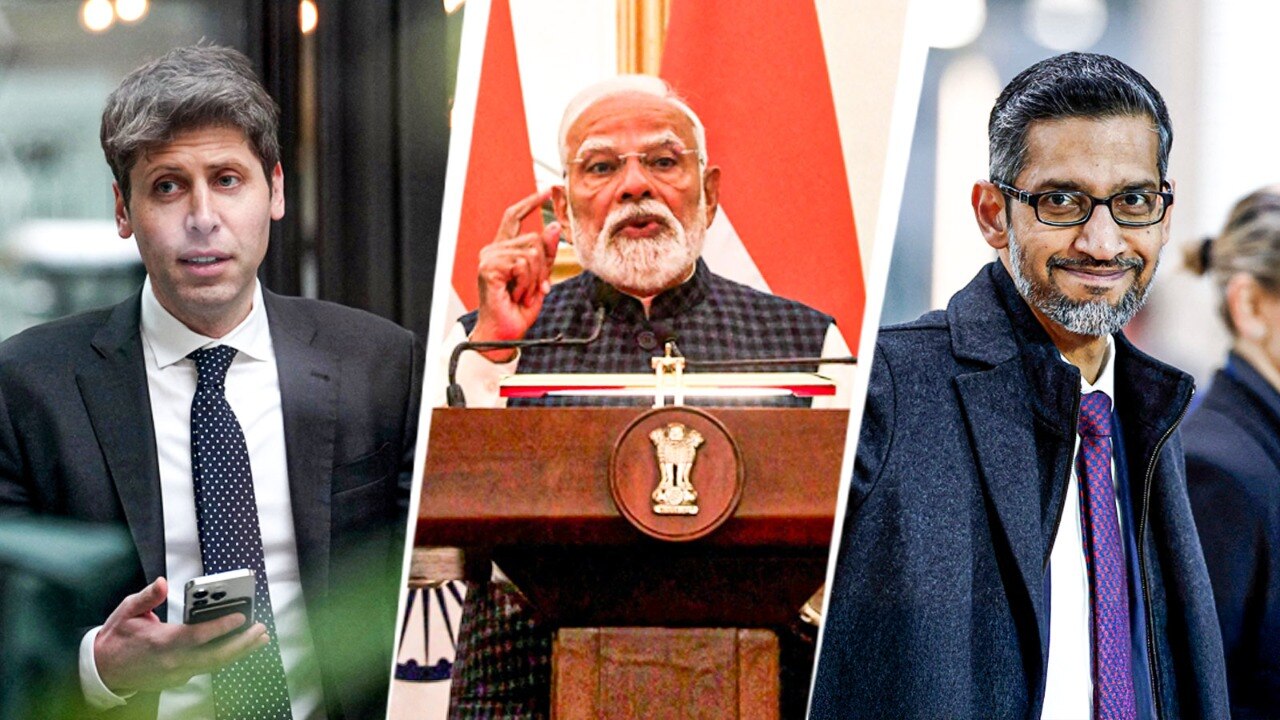
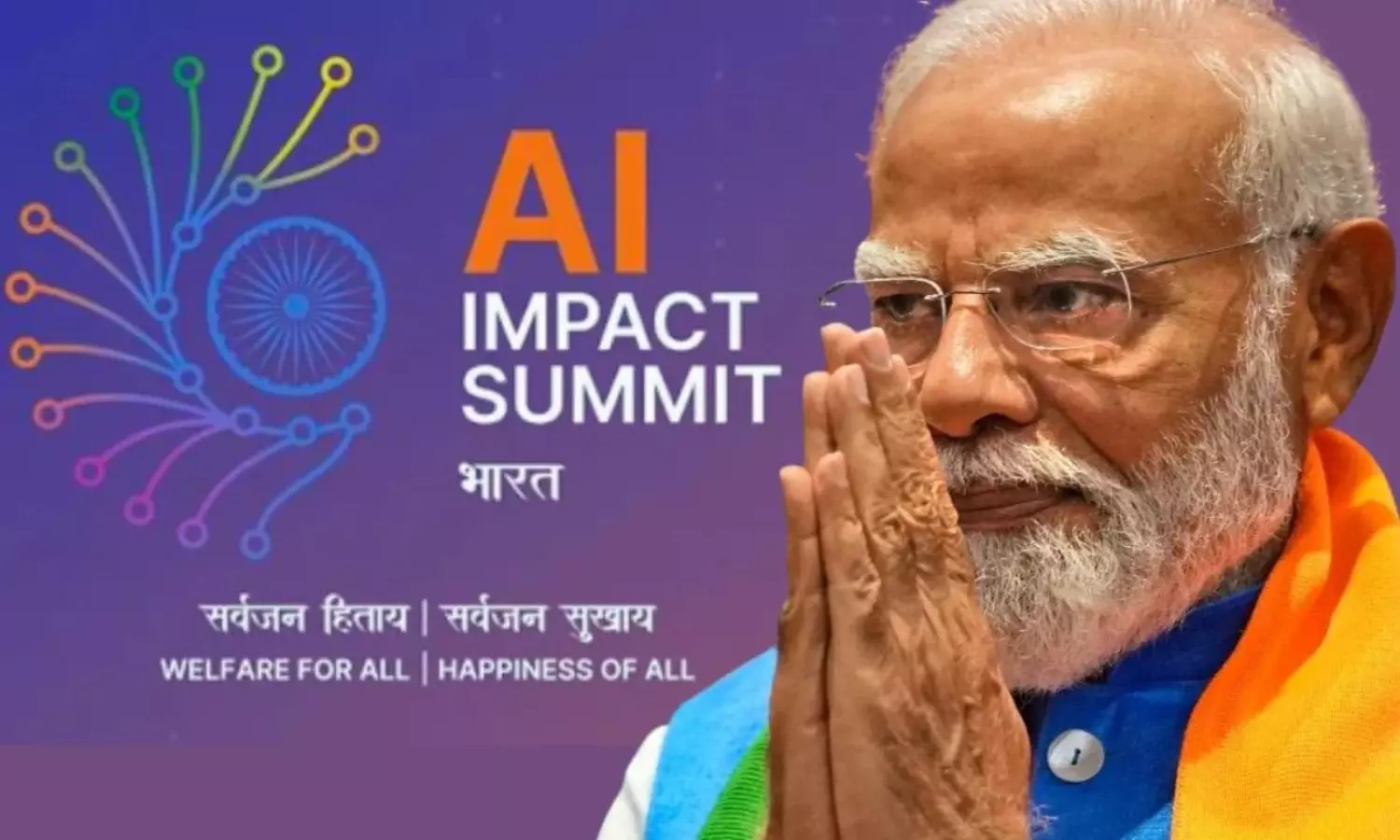
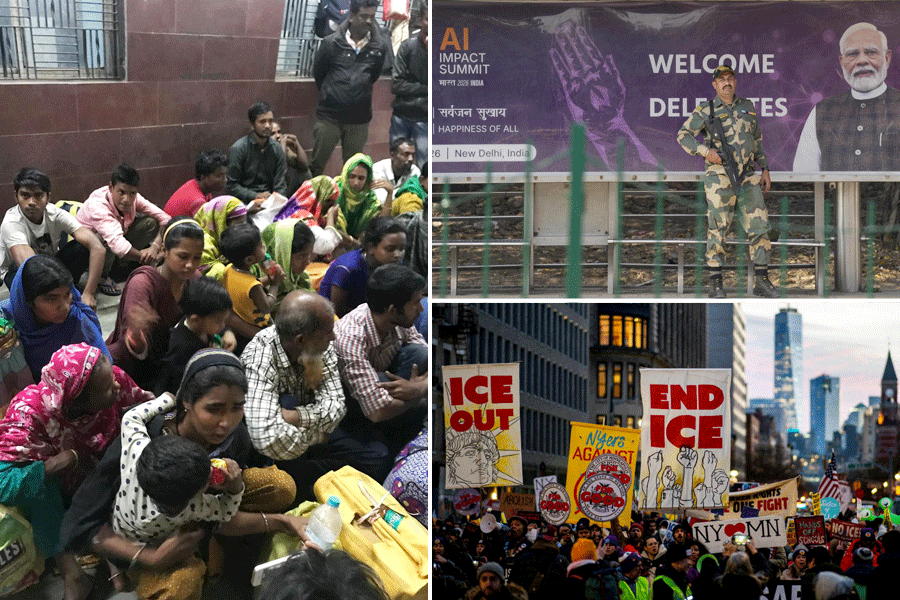
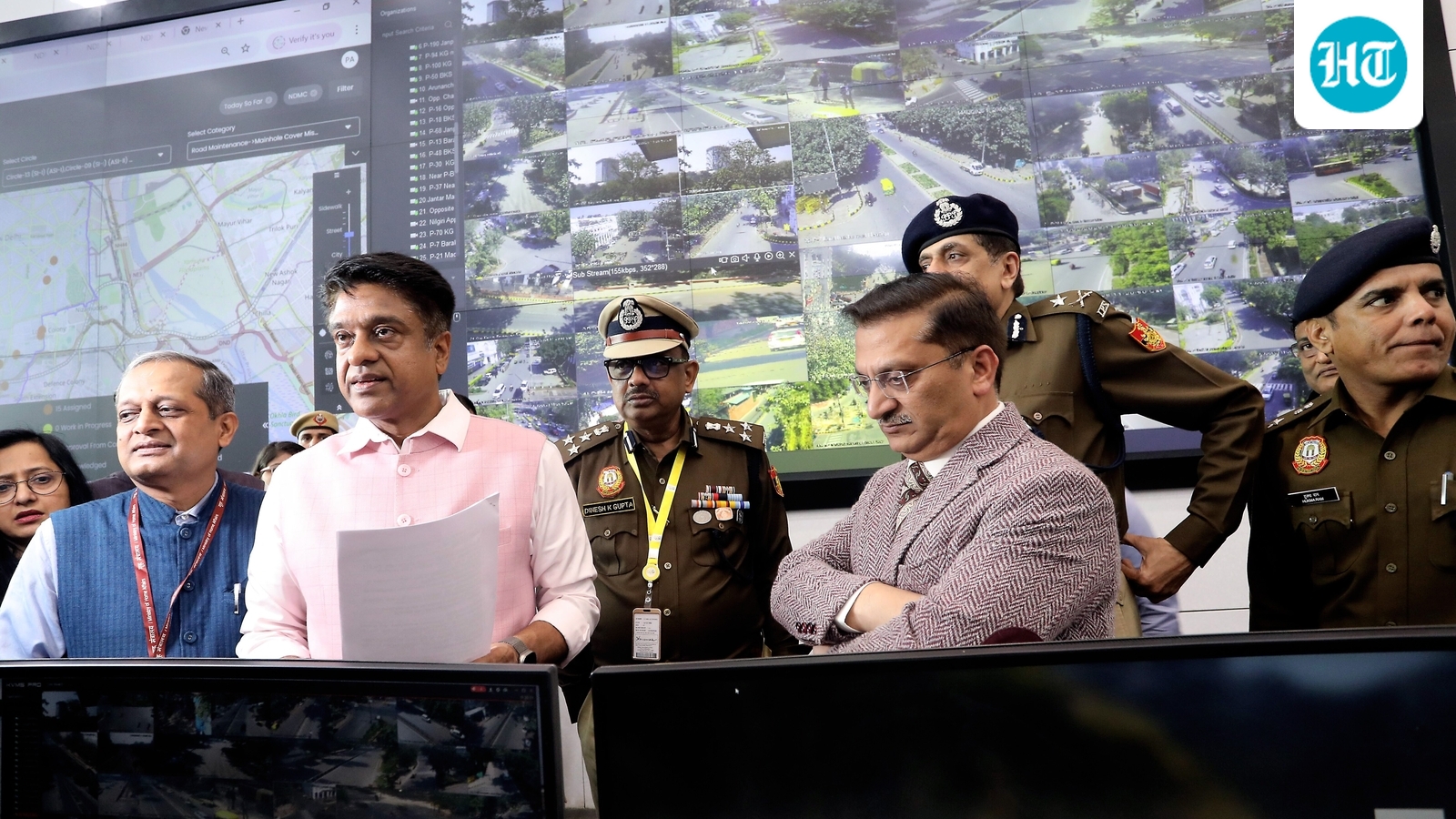
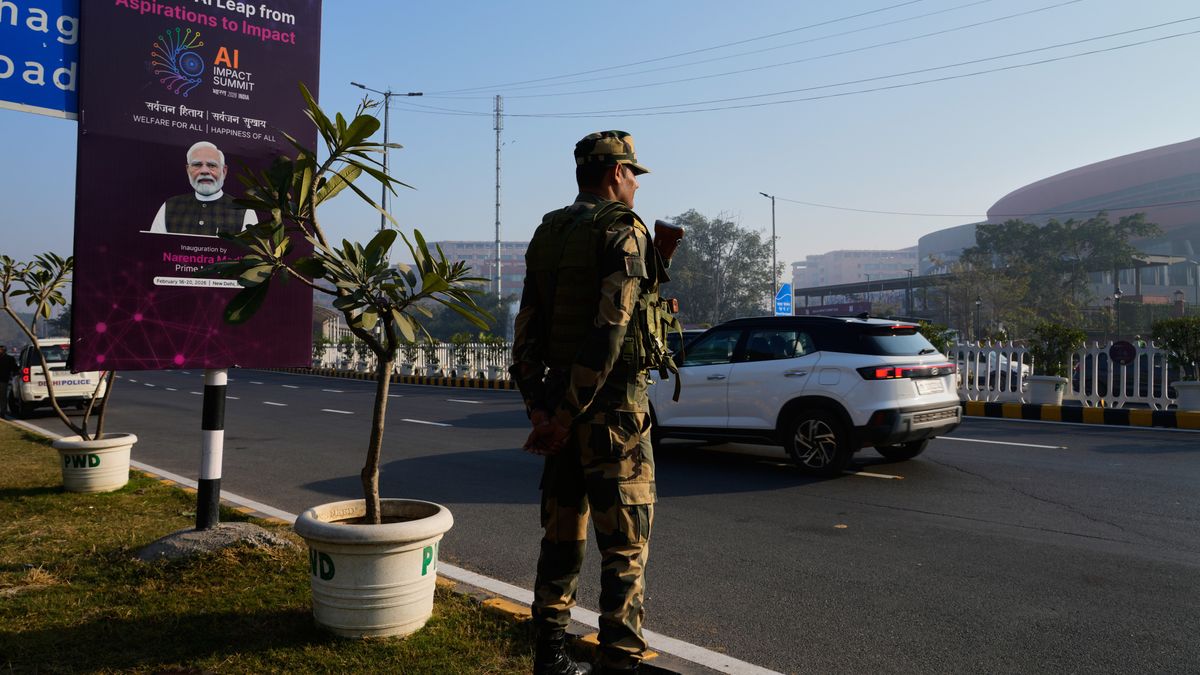
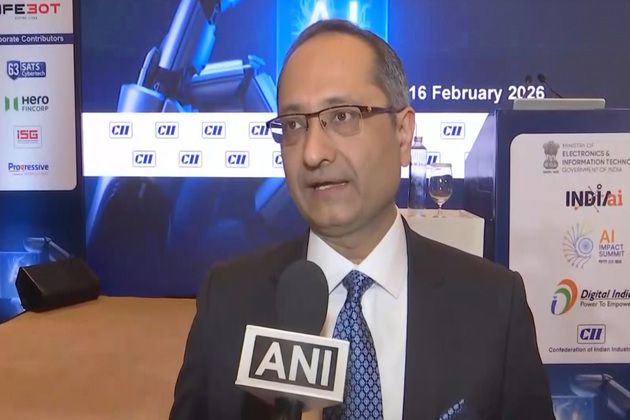
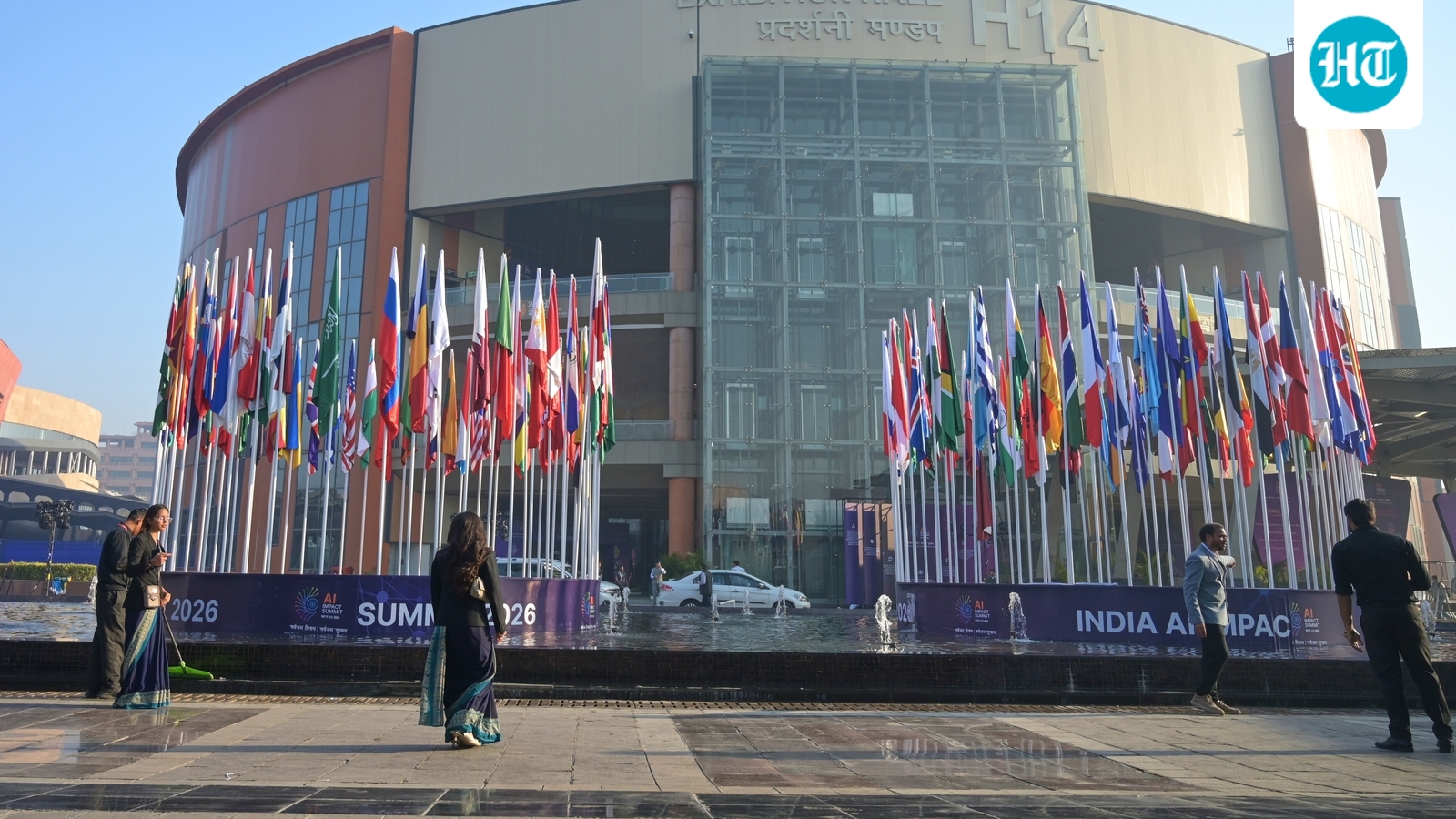
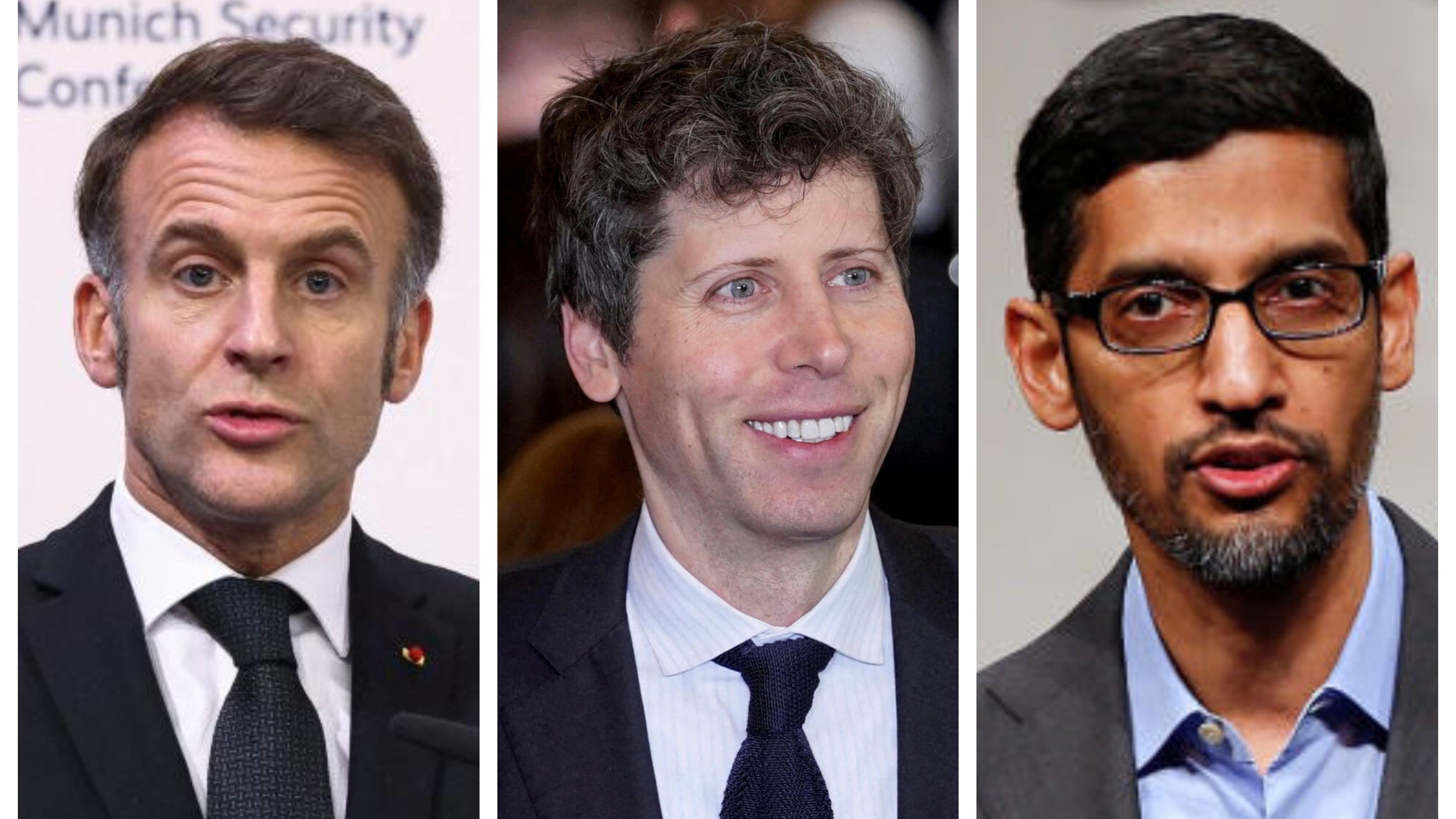
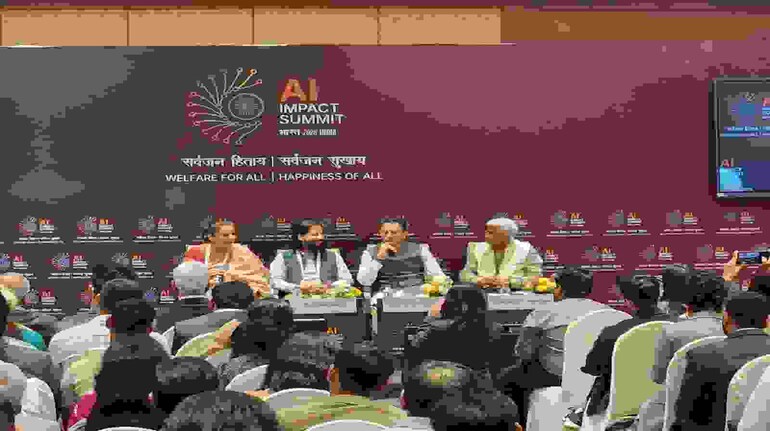
India's inaugural AI Impact Summit 2026 (February 16-20, New Delhi) represents a watershed moment for e-commerce sellers seeking to leverage AI automation at scale. With Google, Microsoft, and Amazon collectively committing $68 billion in AI infrastructure investment through 2030, India is rapidly becoming the world's second-largest AI deployment hub after the United States. The summit attracted 250,000 delegates including OpenAI CEO Sam Altman, who revealed India has 210 million weekly active ChatGPT users (second only to the U.S.) and 72 million daily active users by late 2025—creating an unprecedented opportunity for sellers to test and scale AI-powered e-commerce solutions.
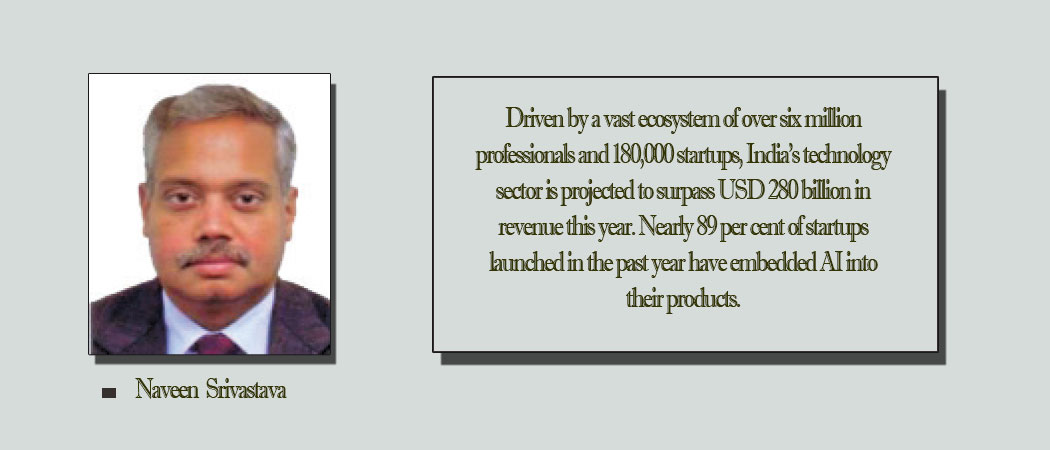
IMMEDIATE AUTOMATION WINS FOR SELLERS: The convergence of three factors creates urgent opportunities. First, India's government earmarked $11.1 billion for a state-backed venture capital fund targeting AI and advanced manufacturing startups, signaling regulatory support for AI deployment. Second, over 60 Global Capability Centers (GCCs) focused on AI, data, and digital engineering have launched in the past two years, with 80+ additional AI-led GCCs projected within 6-8 months—creating a talent pool for building custom AI solutions. Third, India's massive consumer base (1.4+ billion people, predominantly young and tech-forward) provides immediate testing ground for AI product recommendation engines, dynamic pricing algorithms, and chatbot-based customer service automation.
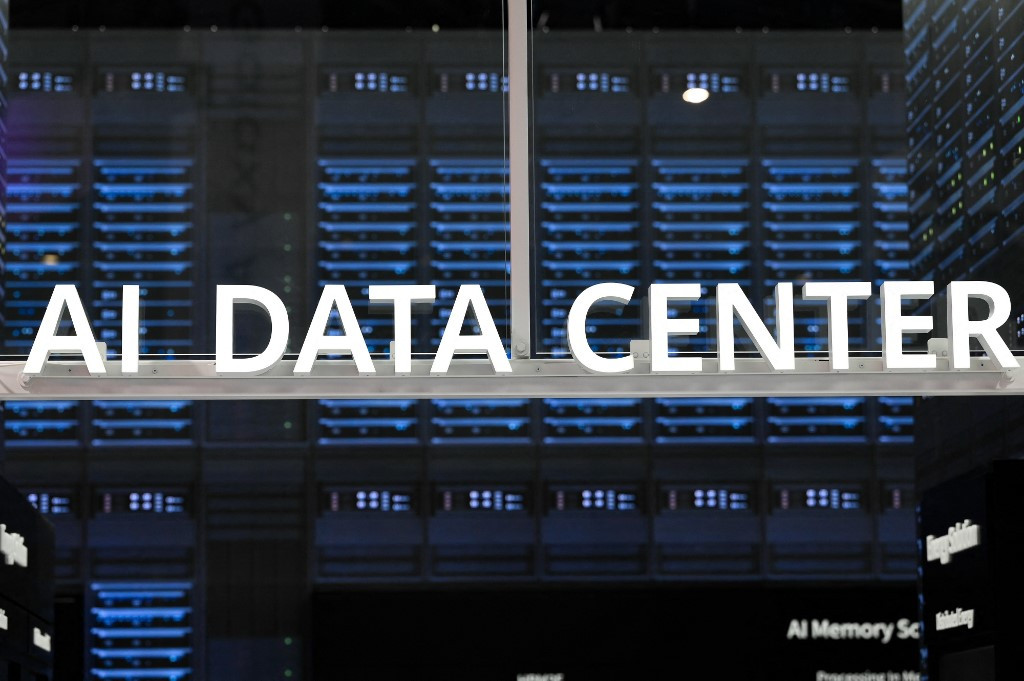
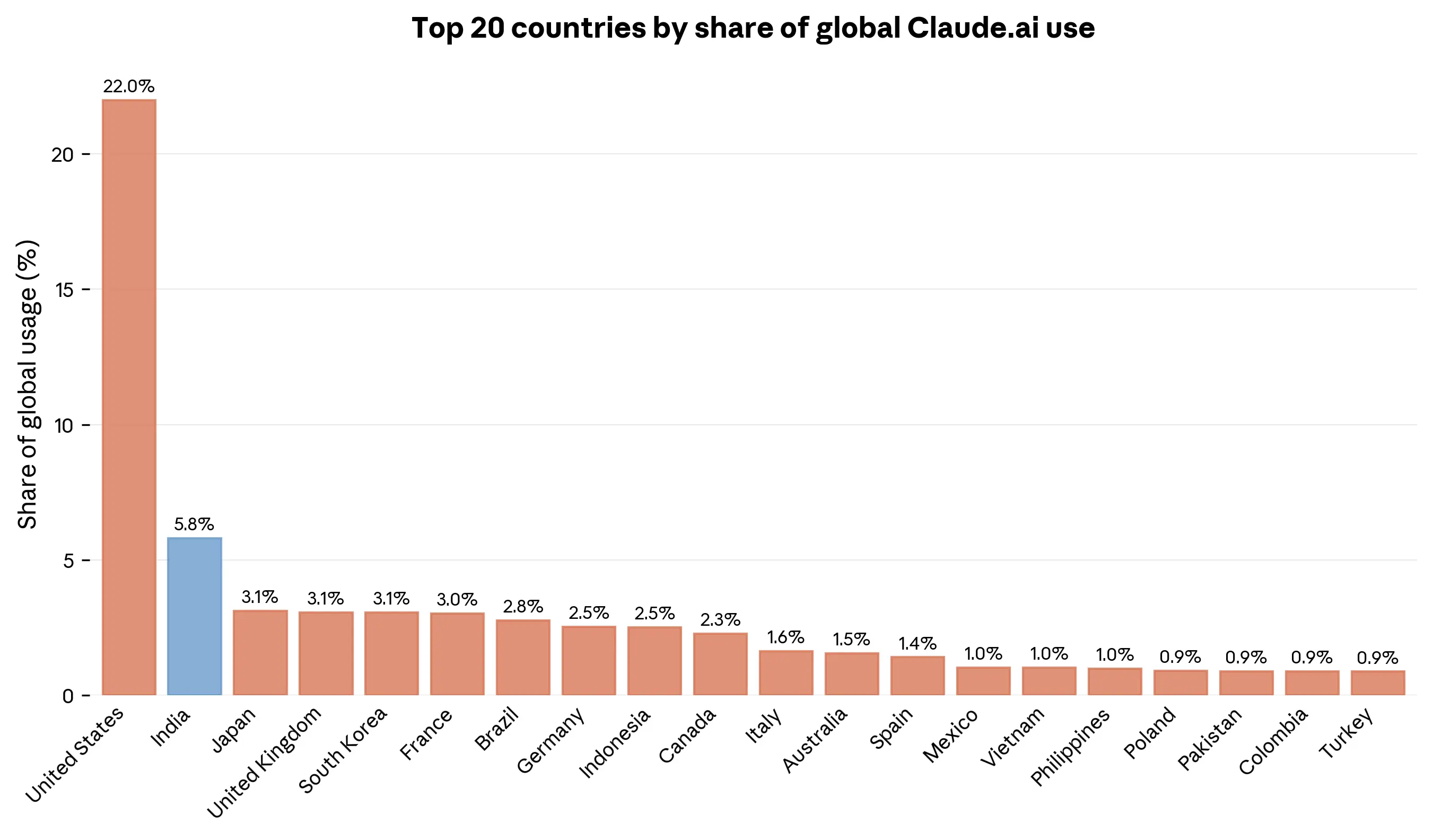
DATA-DRIVEN INSIGHTS & COMPETITIVE INTELLIGENCE: The summit data reveals critical patterns. India ranks third globally in Stanford's 2025 AI competitiveness index (surpassing South Korea and Japan), yet the country's strategy explicitly diverges from Western approaches—focusing on "application-led innovation" and large-scale deployment rather than frontier model development. This creates a unique advantage for sellers: India's AI infrastructure is optimized for practical implementation of existing tools (ChatGPT, Claude, Anthropic models) rather than experimental research. Sellers can immediately deploy ChatGPT-powered product research automation (leveraging 210M+ weekly users for market validation), Claude-based content generation (Anthropic opened its first India office in Bengaluru, citing Claude as the country's second-largest user market), and AI-driven inventory optimization using the 20,000+ GPUs deployed by Blackstone's $360M acquisition of Indian AI startup Neysa.
CRITICAL RISK & OPPORTUNITY WINDOW: However, the summit also highlighted existential threats to traditional IT services. Industry leaders warned that traditional IT services and BPO sectors face near-complete obsolescence within 5 years, with call centers predicted to see 50% revenue decline by 2030. This creates a 12-18 month window where sellers can hire AI-skilled talent from disrupted Indian IT companies at lower costs before global competition intensifies. The $11.1B venture fund and 80+ incoming GCCs will absorb top talent by Q3 2026, making immediate hiring critical for sellers seeking to build proprietary AI capabilities.
PRODUCT OPPORTUNITY GAPS: The summit revealed significant AI tool gaps. While ChatGPT dominates user adoption (210M weekly users), sellers lack integrated AI platforms combining product research + dynamic pricing + customer service automation specifically optimized for cross-border e-commerce. Existing tools (Helium 10, Jungle Scout, Keepa) use basic ML; none leverage India's emerging AI infrastructure for real-time market analysis across 1.4B consumers. This represents a $500M+ SaaS opportunity for sellers willing to build or partner with Indian AI startups.
Questions 7
What are the cost savings from automating customer service using India-based AI teams?
The summit highlighted that India's $283 billion IT sector is shifting from job creation to profitability—meaning BPO/call center costs will rise 15-25% as companies reduce headcount. AI-powered chatbots built by Indian teams cost $5-15K to develop vs. $50-100K in US/EU. Ongoing support: $500-1,500/month vs. $3-5K for human agents. For a seller with 500 daily customer inquiries: AI chatbot handles 70-80% (350-400 queries), reducing human agent need from 2-3 FTE ($60-90K annually) to 0.5 FTE ($15-20K). Annual savings: $40-70K. Payback period: 2-3 months.
How can sellers capitalize on India's 210M ChatGPT users for market research?
India has 210 million weekly active ChatGPT users (second only to US) and 72 million daily active users—representing the largest student user base globally. This creates a unique research advantage: sellers can use ChatGPT to analyze product preferences, pricing sensitivity, and content preferences of India's young, tech-forward demographic (median age 27). Action: Use ChatGPT's API to process product reviews, social media mentions, and search trends from Indian platforms. Build a custom AI model trained on Indian consumer behavior data. Cost: $500-2,000 for initial model training. Benefit: Identify trending products 4-6 weeks before competitors; optimize listings for Indian consumer language/preferences; test new categories with minimal inventory risk.