




The Architectural Revolutionary Who Reshaped Urban Imagination
- A Retrospective on Frank Gehry's Transformative Design Philosophy and Global Impact

































































































Overview
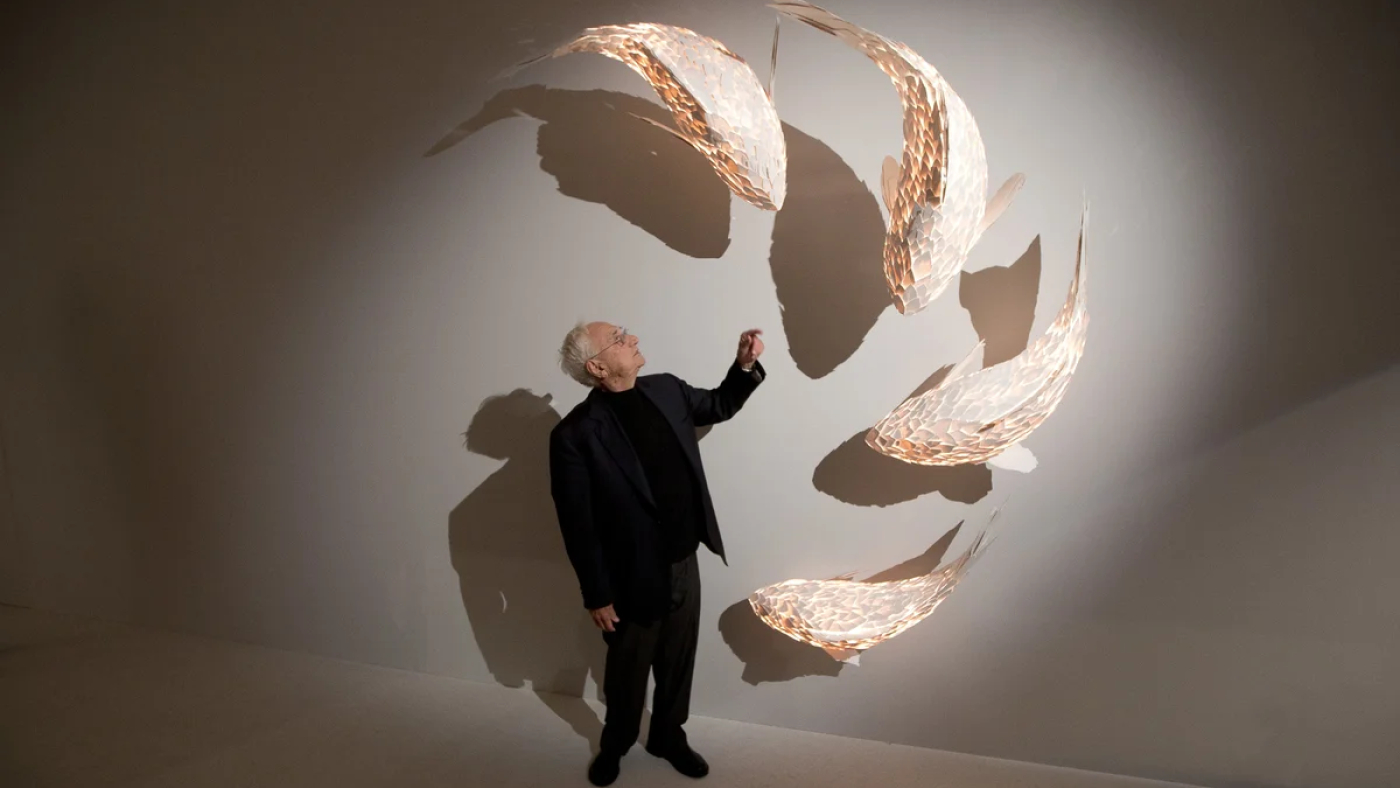
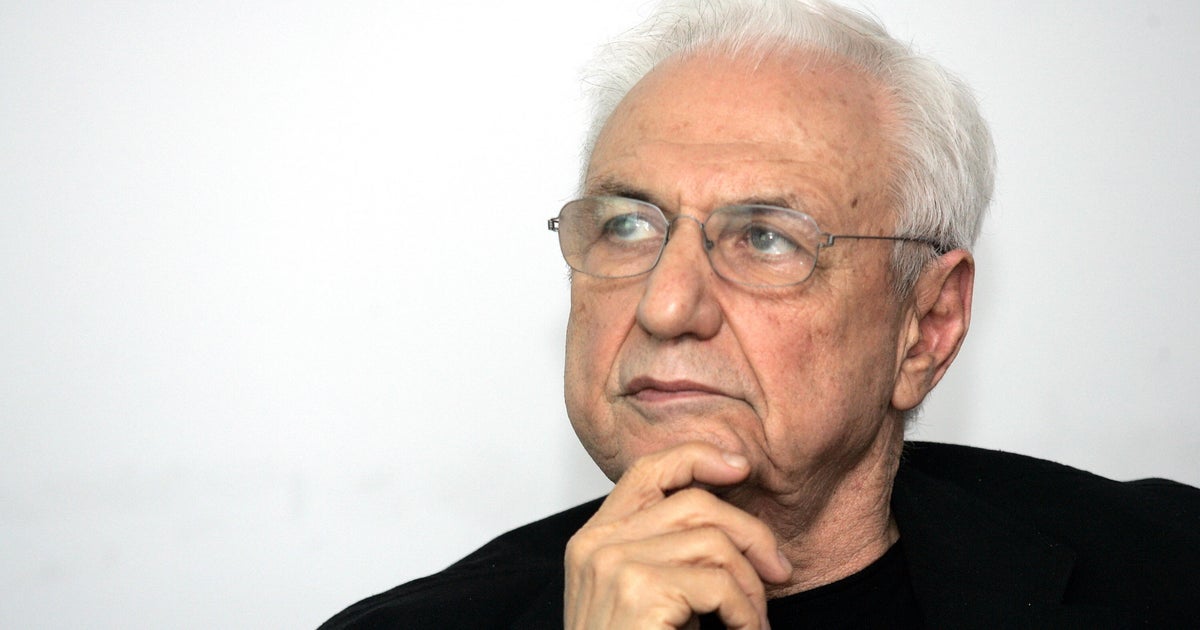
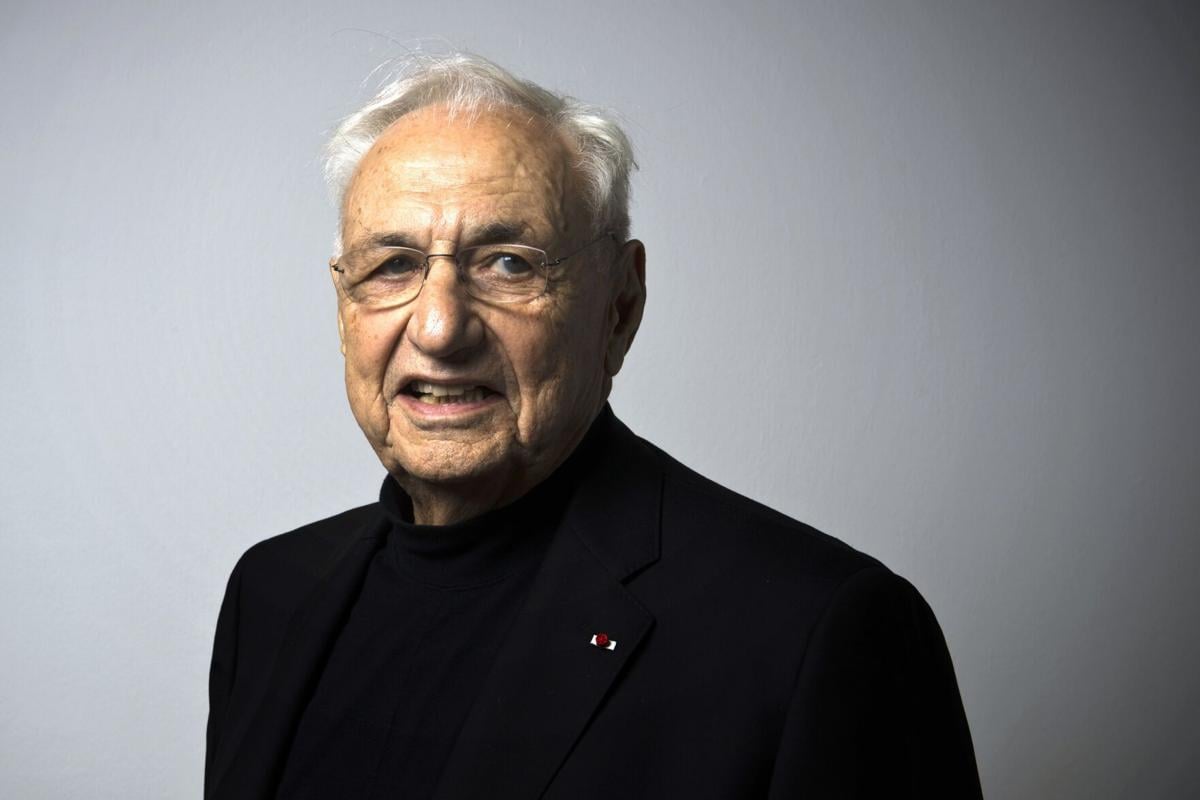
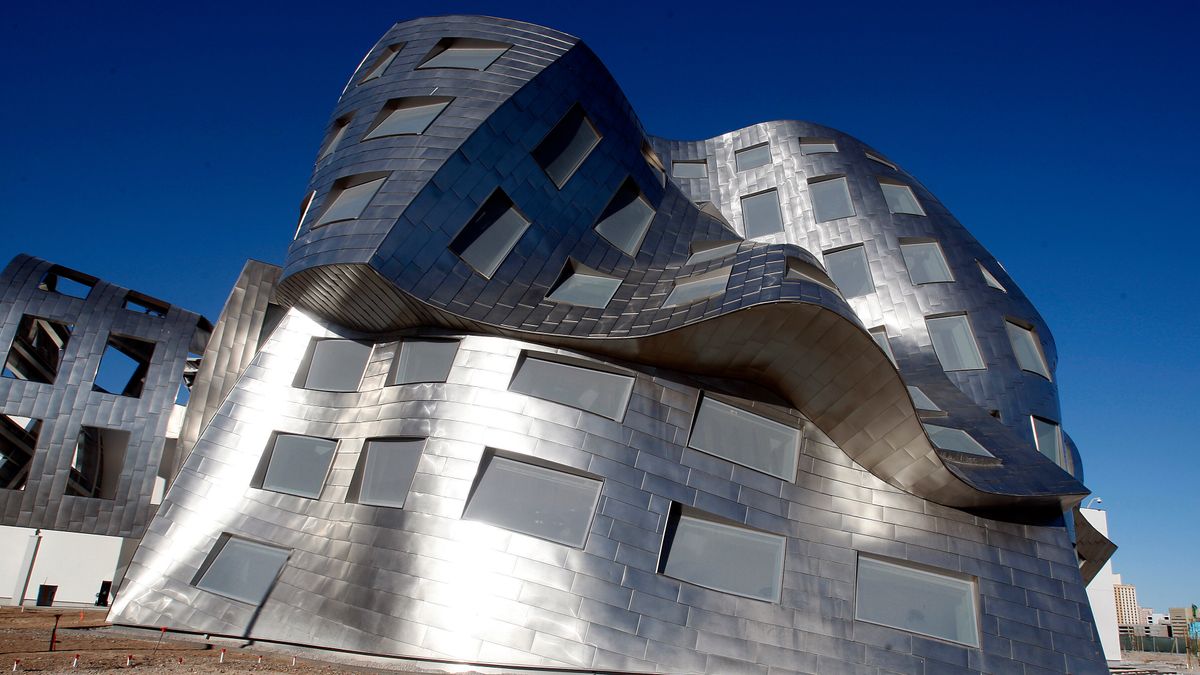
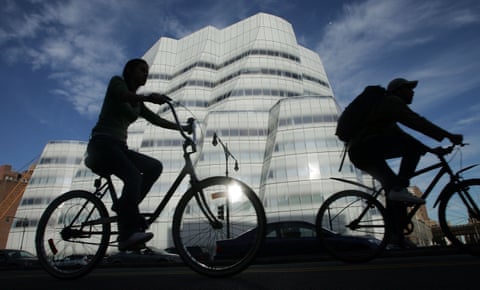
Frank Gehry's architectural legacy represents a radical reimagining of urban design, transcending traditional boundaries and challenging fundamental assumptions about how buildings interact with their environments. Over a remarkable career spanning decades, Gehry emerged as a transformative figure who didn't just design structures, but created sculptural experiences that redefined architectural possibilities.
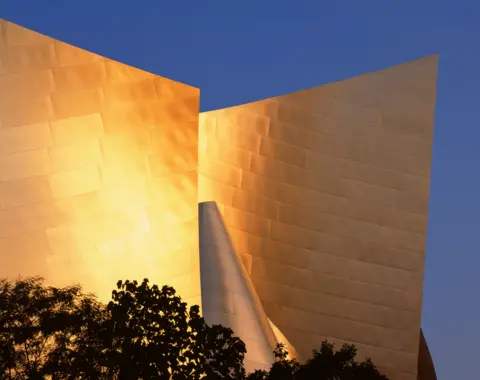
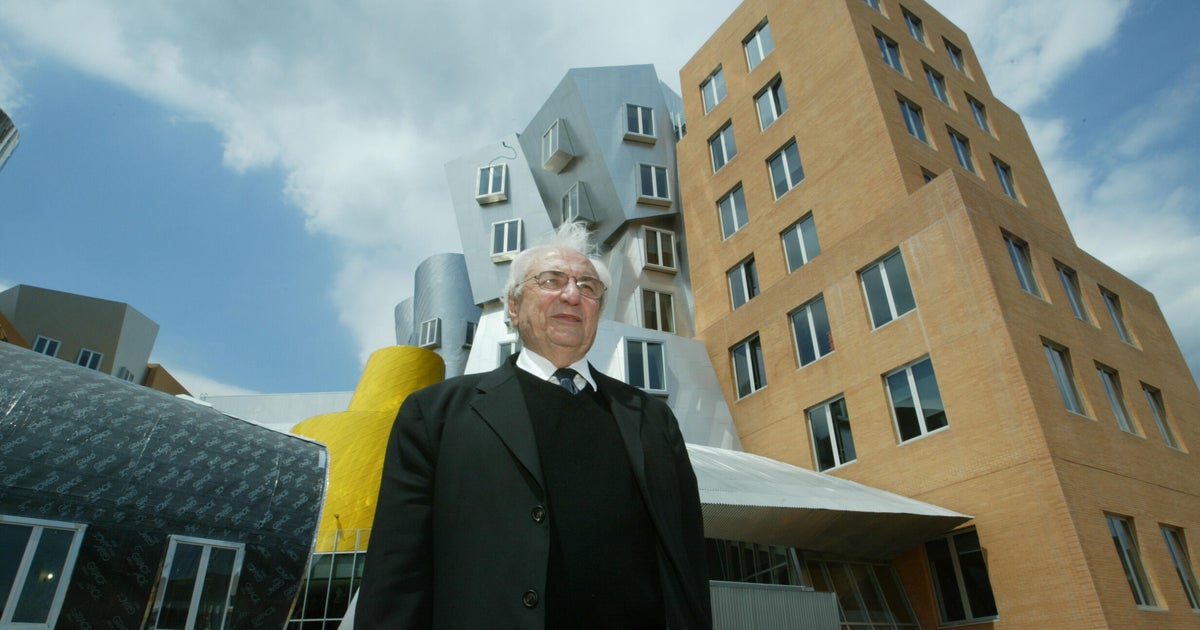
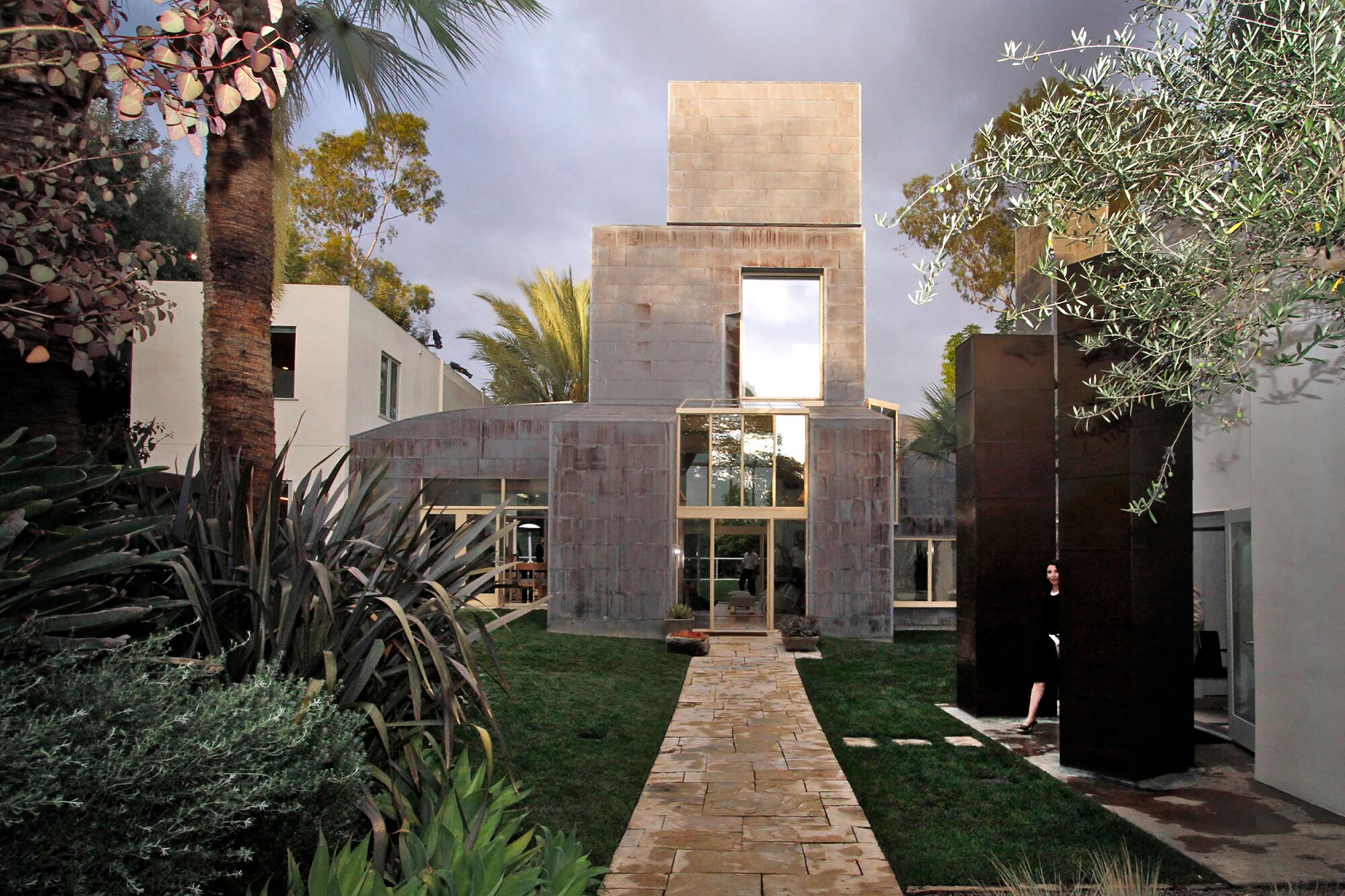
Gehry's approach was fundamentally about breaking conventional design norms, exemplified by his innovative use of unconventional materials like chain-link fencing, corrugated metal, and titanium. His Los Angeles projects—from the iconic Walt Disney Concert Hall to the distinctive ChiatDay Building with its memorable binocular entrance—demonstrated a unique ability to blend industrial aesthetics with artistic creativity. These weren't merely buildings, but urban interventions that challenged viewers' perceptions of architectural potential.
The geographical significance of his work cannot be overstated, particularly in Los Angeles, where Gehry essentially rewrote the city's architectural language. By transforming urban landscapes from the 1970s through the early 2000s, he created a design vocabulary that was simultaneously provocative and deeply contextual. His Loyola Law School complex and Temporary Contemporary museum space became landmark examples of how architecture could be both functional and profoundly expressive.
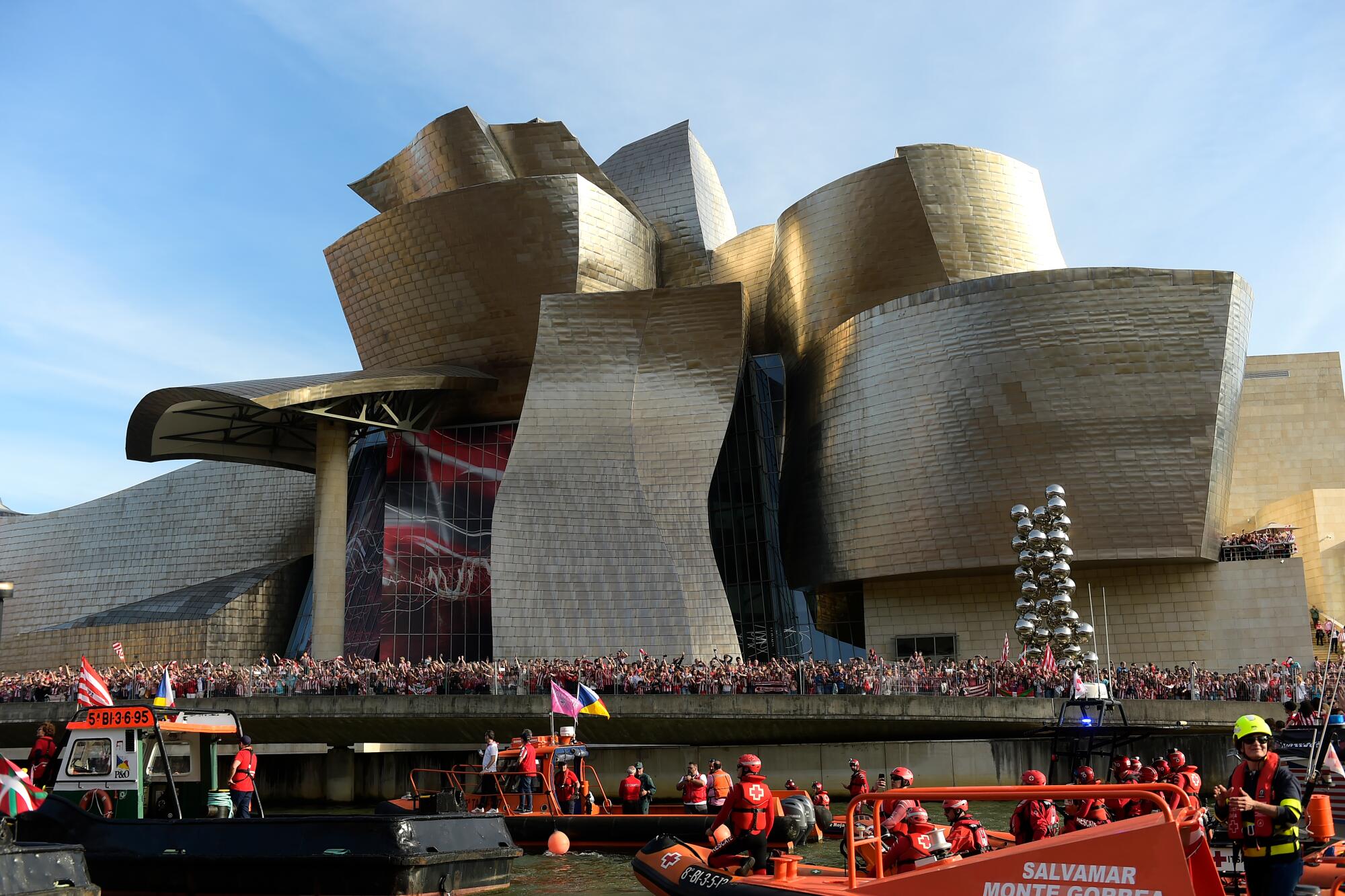
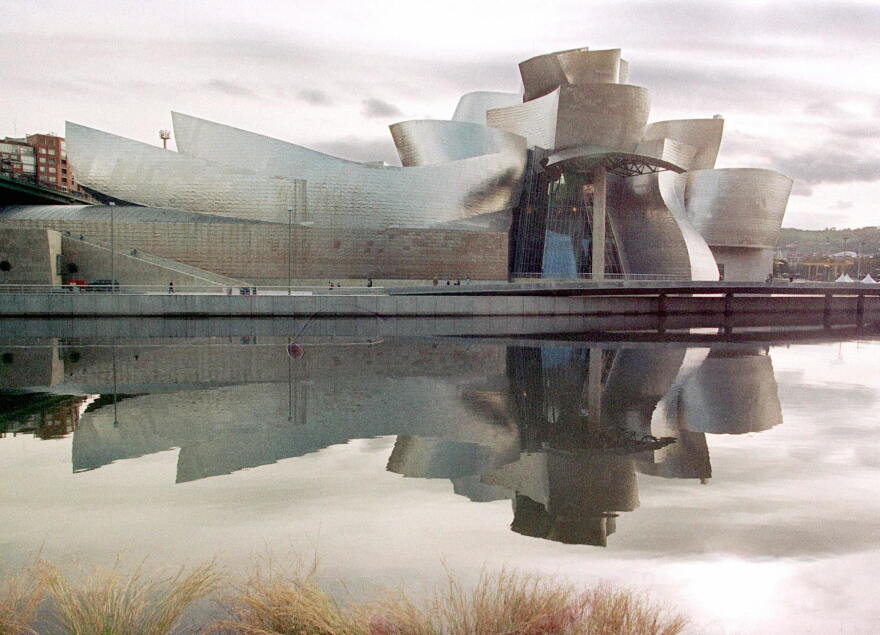
Beyond Los Angeles, Gehry's global impact extended through revolutionary designs like the Guggenheim Museum in Bilbao, which demonstrated how a single architectural intervention could transform an entire city's cultural and economic narrative. His passing at 96 marks the end of an era for modernist architecture, but his influence continues to inspire architects worldwide to see buildings not just as structures, but as dynamic, living artistic statements.
The true measure of Gehry's legacy lies not just in the buildings he created, but in how he fundamentally expanded our collective imagination about what architecture could represent—a testament to creativity that transcends mere physical construction.
Questions 3
What made Frank Gehry's architectural approach unique?
Gehry revolutionized architecture by using unconventional materials like chain-link fencing and titanium, transforming buildings from static structures into dynamic artistic statements. His designs challenged traditional architectural norms by creating sculptural experiences that reimagined how buildings could interact with their urban environments.
What is Gehry's most significant global architectural contribution?
The Guggenheim Museum in Bilbao stands as Gehry's most transformative global project, demonstrating how a single architectural intervention can reshape a city's cultural and economic identity. This project exemplified his ability to create buildings that are not just structures, but iconic cultural landmarks that attract global attention.