




Japan's Weak Q4 GDP Growth (0.1%) Triggers Monetary-Fiscal Policy Divergence | Cross-Border Seller Market Impact
- Japan's economy posts disappointing 0.1% quarterly growth on Feb 15, 2026, creating currency volatility and consumer spending uncertainty for sellers targeting Asia Pacific's second-largest e-commerce market


)














































Overview
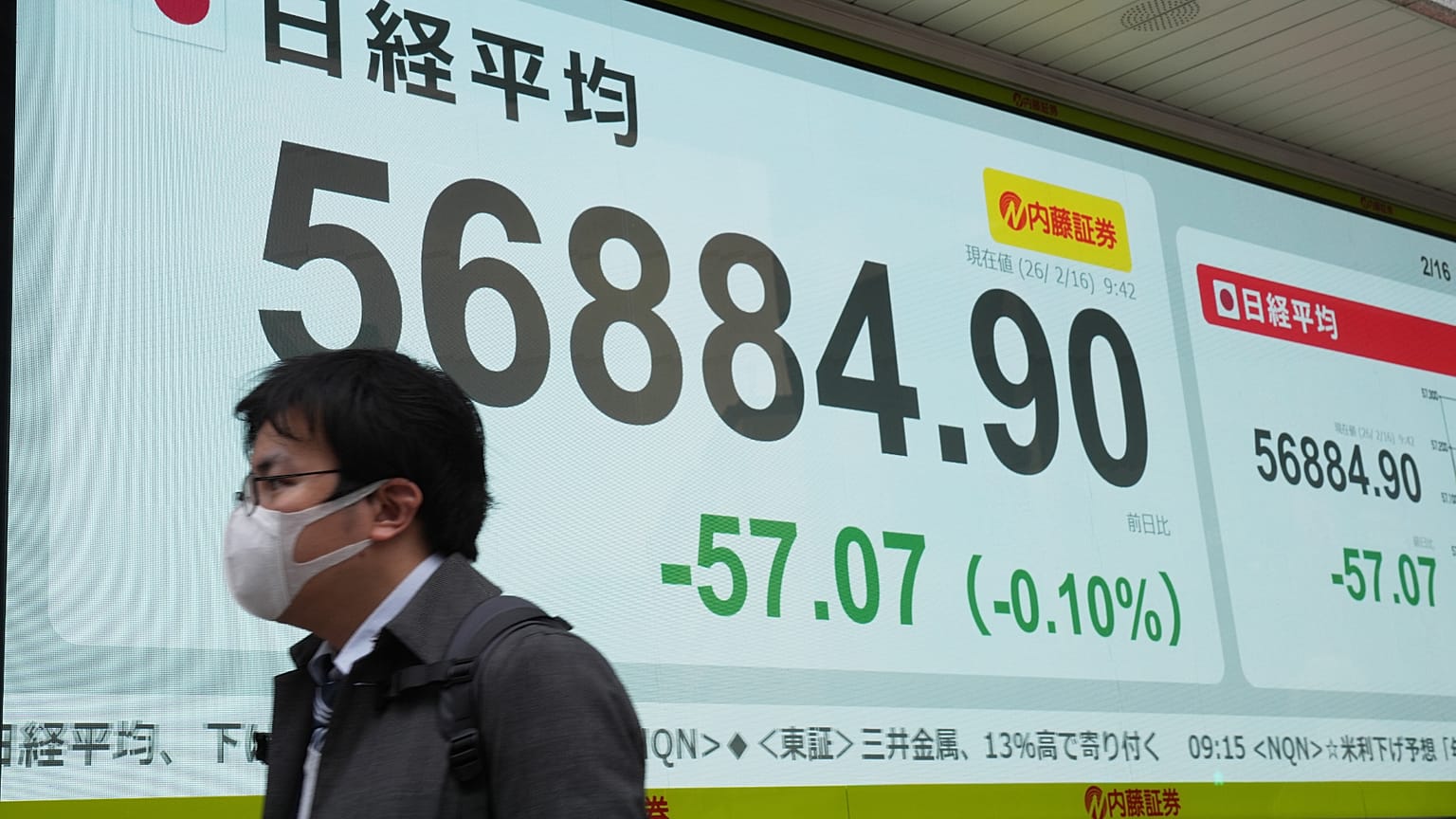
Japan's economy narrowly avoided technical recession in Q4 2025, posting minimal growth of 0.1% quarter-on-quarter (0.2% annualized) on February 15, 2026—significantly underperforming economist expectations of 0.4% quarterly and 1.6% annualized growth. This disappointing performance creates a critical policy divergence with profound implications for cross-border e-commerce sellers targeting Japan's $200+ billion digital commerce market.
The Policy Dilemma and Market Implications: The Bank of Japan maintains its commitment to interest rate increases despite weak growth, viewing the 0.1% expansion as sufficient justification for continued monetary tightening. However, Prime Minister Sanae Takaichi's newly elected administration (landslide victory February 8, 2026) is pushing aggressive fiscal stimulus through a record 122 trillion yen budget for fiscal 2026 and pledged food consumption tax suspension. This creates competing pressures: BOJ rate hikes could strengthen the yen 3-5% against major currencies, making foreign goods 8-12% more expensive for Japanese consumers while improving competitiveness for Japanese exporters. Conversely, fiscal stimulus could boost domestic demand by 1-2% in H1 2025, supporting consumer spending on imported goods.
Consumer Spending Weakness Signals Caution: Private consumption—representing over 50% of Japan's economic output—rose only 0.1% in Q4, reflecting persistent food cost inflation suppressing household confidence. Capital expenditure increased modestly at 0.2% (below 0.4% forecast), while net external demand contributed nothing to growth. This consumption stagnation directly impacts cross-border sellers: slower household spending typically correlates with reduced discretionary purchases of imported goods, particularly in electronics, fashion, and consumer goods categories where foreign sellers hold 15-25% market share on Japanese platforms like Rakuten and Amazon.co.jp.
Tariff Uncertainty and Supply Chain Implications: Exports showed marginal improvement following U.S. formalization of 15% baseline tariffs on Japanese imports (down from initial 25% threats), but analysts warn firms maintain cautious investment stances. This tariff environment creates opportunities for sellers in industrial automation, factory equipment, and shipbuilding sectors—Japan is negotiating a $550 billion U.S. investment pledge with expected announcements during Takaichi's Trump meeting. Goldman Sachs projects defense spending and industrialization projects as major catalysts, suggesting B2B supply chain opportunities for sellers in manufacturing components and industrial goods.
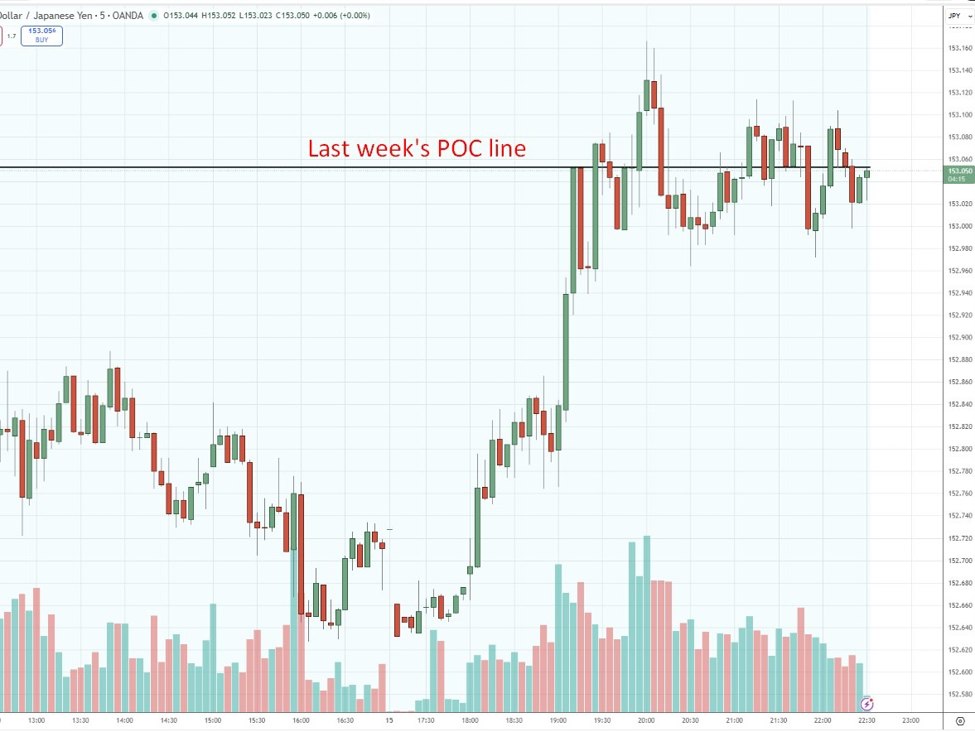
Currency and Pricing Strategy Considerations: The BOJ's rate-hiking trajectory could strengthen the yen, directly affecting pricing competitiveness. Sellers with Japan exposure should monitor yen/USD movements closely—a 5% yen appreciation increases foreign seller costs by approximately 5% in yen-denominated pricing, potentially reducing Buy Box competitiveness on Amazon.co.jp. Conversely, if fiscal stimulus accelerates (Capital Economics projects supplementary budgets in H1 2025 rather than year-end), wage growth could return to positive territory, supporting consumer purchasing power for imported premium goods.
Questions 8
How should sellers balance BOJ tightening versus fiscal stimulus uncertainty?
This represents a genuine policy divergence: BOJ tightening supports yen strength (negative for foreign sellers), while fiscal stimulus supports consumer spending (positive for sellers). Adopt a hedged strategy: maintain 70% of inventory in stable, essential categories less sensitive to currency/spending fluctuations, allocate 20% to high-margin items that benefit from yen strength (luxury imports, premium goods), and reserve 10% for opportunistic expansion if fiscal stimulus accelerates. Track two key indicators monthly: (1) BOJ policy statements and rate decisions, (2) Japanese wage growth data and government spending announcements. If wage growth turns positive (critical threshold), increase Japan allocation by 15-20%. If BOJ raises rates without fiscal offset, reduce allocation by 10-15%.
What are the key economic data release dates sellers should monitor?
Critical monitoring dates for Japan-focused sellers: (1) Monthly wage data releases (typically mid-month)—positive wage growth signals consumer spending recovery; (2) BOJ policy meetings (typically monthly)—rate decisions directly impact yen strength; (3) Quarterly GDP releases (Feb, May, Aug, Nov)—track consumption and export trends; (4) Government spending announcements (watch for supplementary budget announcements in H1 2025); (5) Inflation data (monthly CPI releases)—Japan's inflation at 2.1% in January 2026 remains above BOJ's 2% target for 45 consecutive months, supporting continued rate hikes. Subscribe to BOJ English announcements and Japan Cabinet Office economic data releases to receive alerts within 24 hours of publication.