


DRAM Shortage 2026 | 600% Price Surge Crushes Electronics Sellers
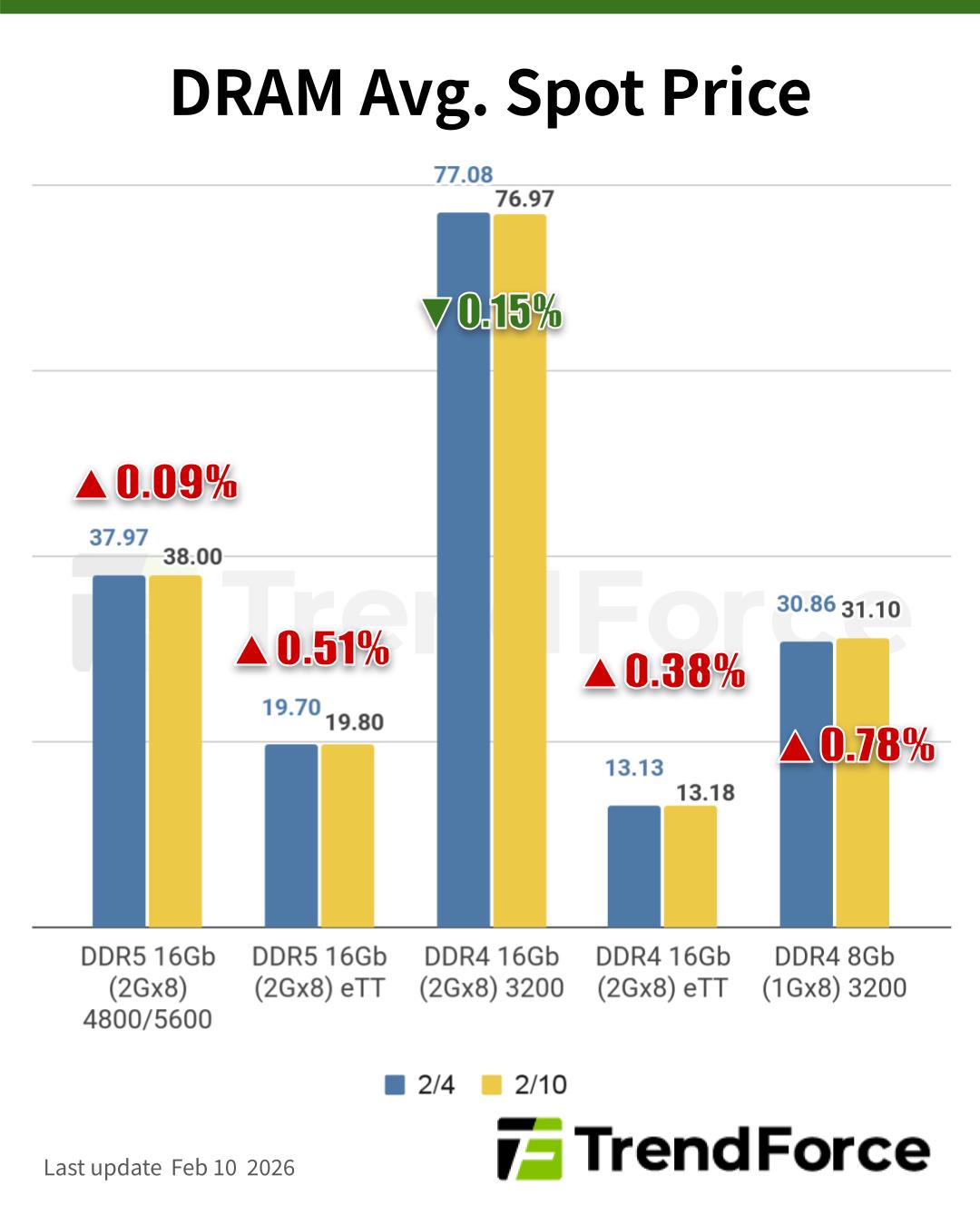
- Memory chip prices surge 600% YoY; DRAM costs compress margins 15-25% for laptop, smartphone, router sellers through June 2026



:strip_icc()/i.s3.glbimg.com/v1/AUTH_63b422c2caee4269b8b34177e8876b93/internal_photos/bs/2026/B/c/3xv2L0QZCrehlsVcYpew/foto10emp-101-precos-b5.jpg)


)






















Overview
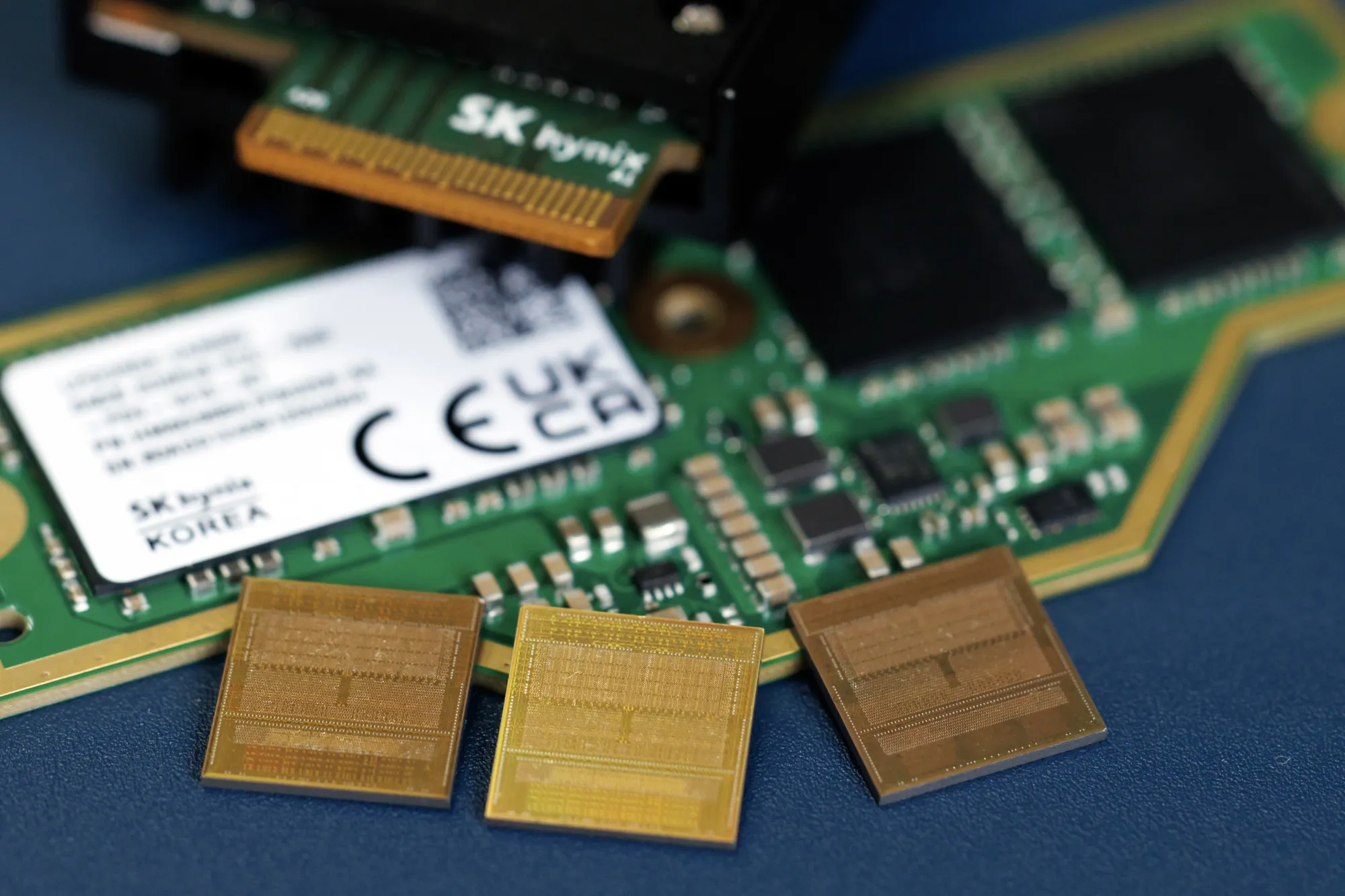
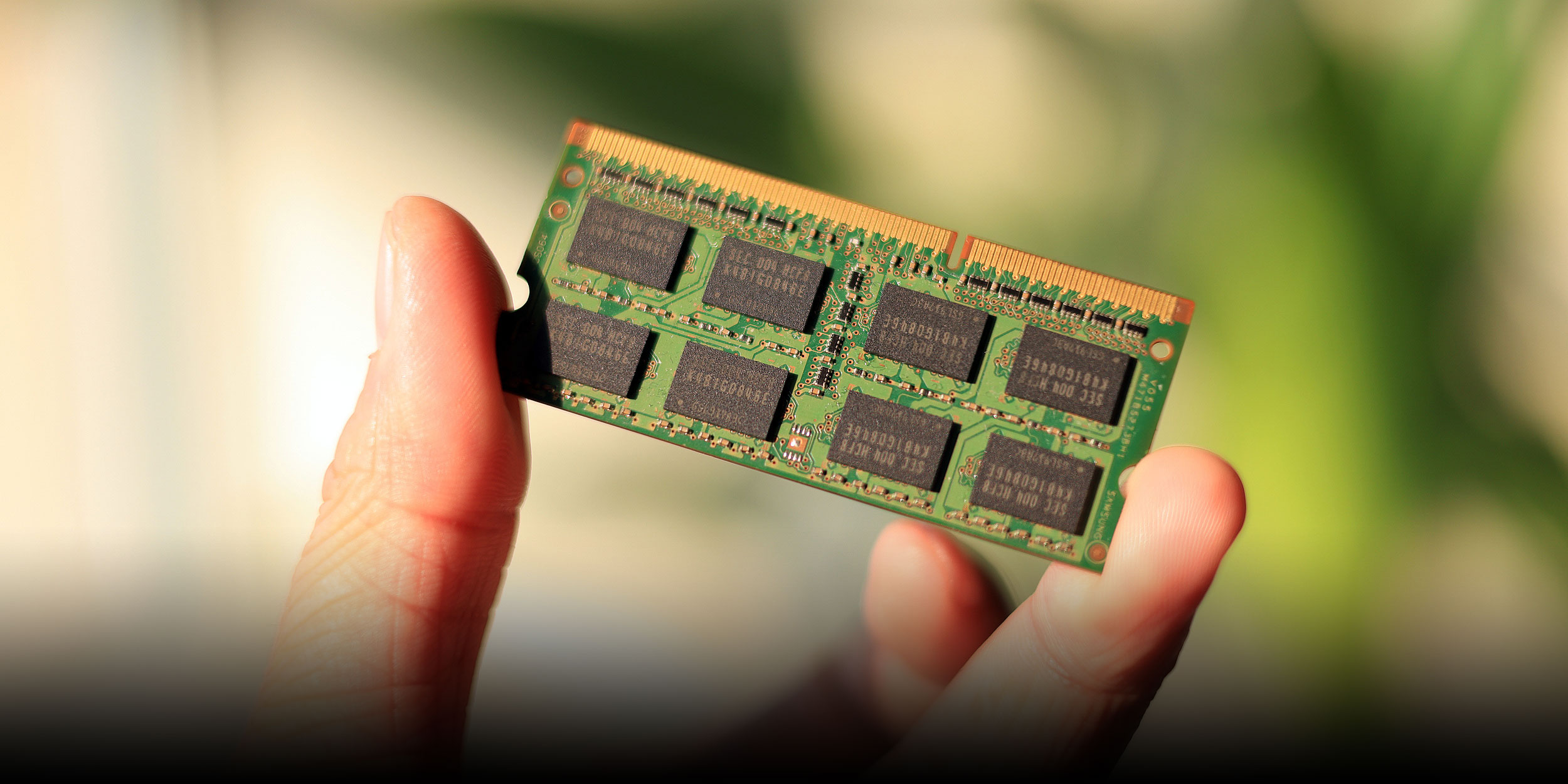
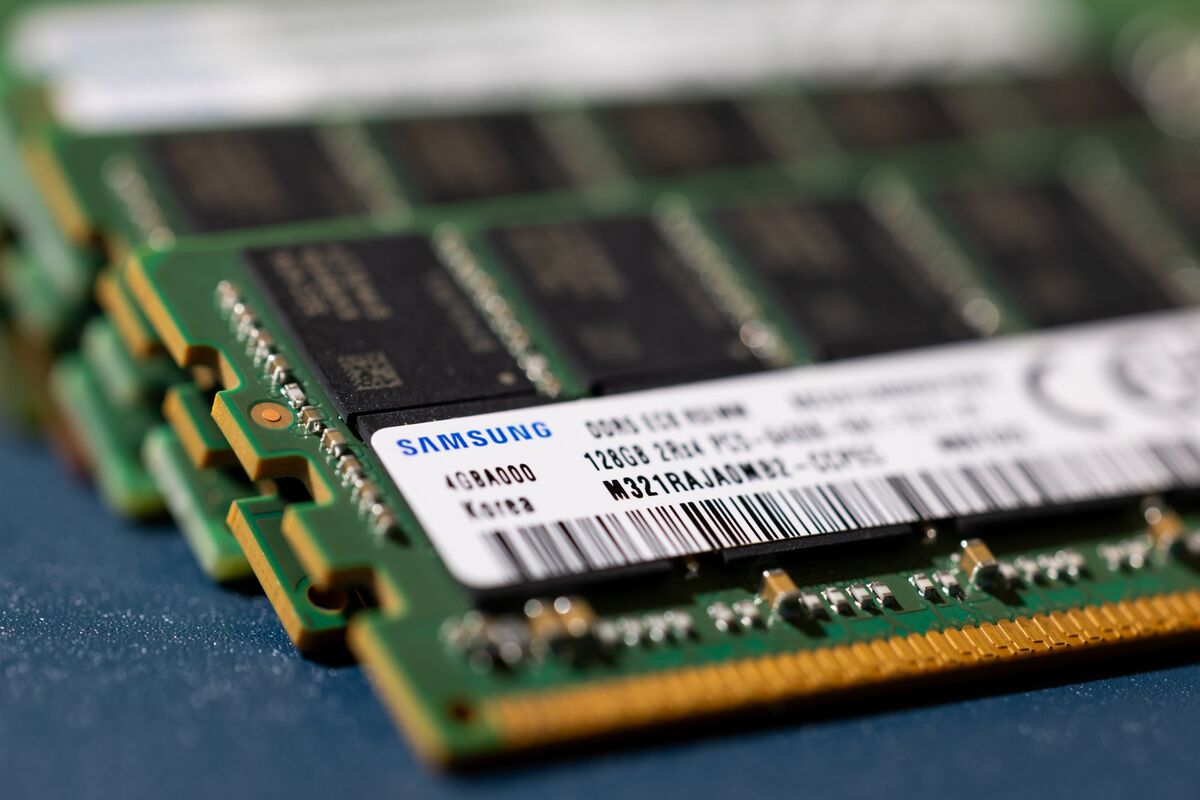
A once-in-four-decades DRAM shortage is creating an unprecedented supply chain crisis for cross-border e-commerce sellers in electronics categories. According to Bloomberg's February 2026 report and Counterpoint Research's Memory Price Tracker, DRAM and NAND memory prices have surged over 600% in the past year, driven by exponential AI infrastructure demand that is diverting inventory away from consumer electronics. Major technology leaders including Apple CEO Tim Cook and Tesla CEO Elon Musk have publicly warned about the crisis's severity, with Cook noting the shortage will compress iPhone profit margins and Musk declaring Tesla must build its own memory fabrication plant. This represents a structural market disruption affecting production across laptops, smartphones, broadband routers, gaming devices, smart home products, and data center equipment.
The cost impact on e-commerce sellers is immediate and severe. Memory now contributes over 20% of the bill of materials (BOM) in low-to-mid-end broadband routers, up dramatically from approximately 3% one year ago. Over the last nine months, consumer memory-based broadband product prices jumped nearly 7x, compared to 3x increases for smartphone memory. Sellers specializing in electronics face extended lead times from Asia-Pacific manufacturers, potential allocation constraints, and forced choices between absorbing cost increases or raising retail prices. Logistics costs are escalating due to expedited shipping requirements for limited inventory. The shortage is expected to persist through June 2026, with prices continuing to rise through the first half of 2026. Cross-border sellers sourcing from Korean manufacturers (Samsung, SK Hynix) have competitive advantages over those dependent on Chinese semiconductor suppliers, who lag significantly in DRAM production capacity.
Immediate inventory and sourcing strategies are critical. Sellers must secure long-term supplier agreements with OEMs that have locked-in memory allocations, as those with unsecured agreements face the hardest challenges. Diversifying sourcing to alternative manufacturers and negotiating longer payment terms with suppliers can help manage cash flow during this period. For high-margin product categories (gaming laptops, premium smartphones, enterprise routers), sellers should consider inventory buffering before Q2 2026 to avoid stockouts. The crisis creates competitive disadvantages for sellers with limited capital reserves unable to absorb cost increases, making this a consolidation opportunity for well-capitalized competitors. Sellers should monitor BOM cost updates weekly and adjust pricing strategies proactively rather than reactively, as customer expectations are shifting due to widespread media coverage of the shortage.
Questions 8
How long will the DRAM shortage persist and when should sellers plan for recovery?
According to Counterpoint Research, prices are expected to continue rising through June 2026, with supply constraints likely persisting even if costs peak in the first half of 2026. This represents a 4-month window of acute shortage conditions. Ray Wang's SemiAnalysis report characterizes this as a 'once-in-four-decades shortage,' indicating structural market disruption rather than a temporary blip. Sellers should plan for elevated costs through Q3 2026 and gradual normalization in Q4 2026 as manufacturing capacity expands. For inventory planning, stock aggressively through April 2026, maintain elevated inventory through June 2026, and begin normalizing inventory levels in July 2026. Secure long-term supplier agreements that extend through Q4 2026 to lock in pricing before further escalation. Monitor Samsung and SK Hynix capacity announcements for signals of supply improvement—these will provide 6-8 week lead time before market normalization.
Which sellers have competitive advantages during the DRAM shortage?
Well-capitalized sellers with existing relationships to Korean DRAM suppliers (Samsung, SK Hynix) and secured long-term supply agreements have significant competitive advantages. Sellers with capital reserves to buffer 2-3 months of inventory can capture market share from undercapitalized competitors who face stockouts. Sellers in premium product categories (gaming laptops, enterprise routers, AI-enabled devices) can maintain margins better than budget category sellers. Sellers with diversified sourcing across multiple OEMs and geographic regions face less allocation pressure than those dependent on single suppliers. Sellers who shift to non-DRAM-intensive product categories (accessories, software, services) can avoid margin compression entirely. Conversely, sellers with weak supplier relationships, limited capital, and dependence on Chinese DRAM suppliers face potential consolidation or exit from the market. This shortage creates a 4-6 month window for competitive repositioning before market normalization in Q4 2026.