




Digital Transit Revolution Transforms Urban Mobility Payments
- Contactless Payment Systems Redefine Transportation Infrastructure for Commuters and Businesses

























Overview
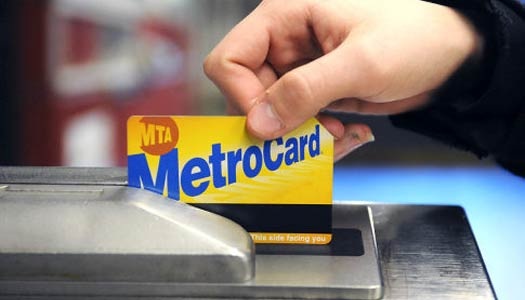
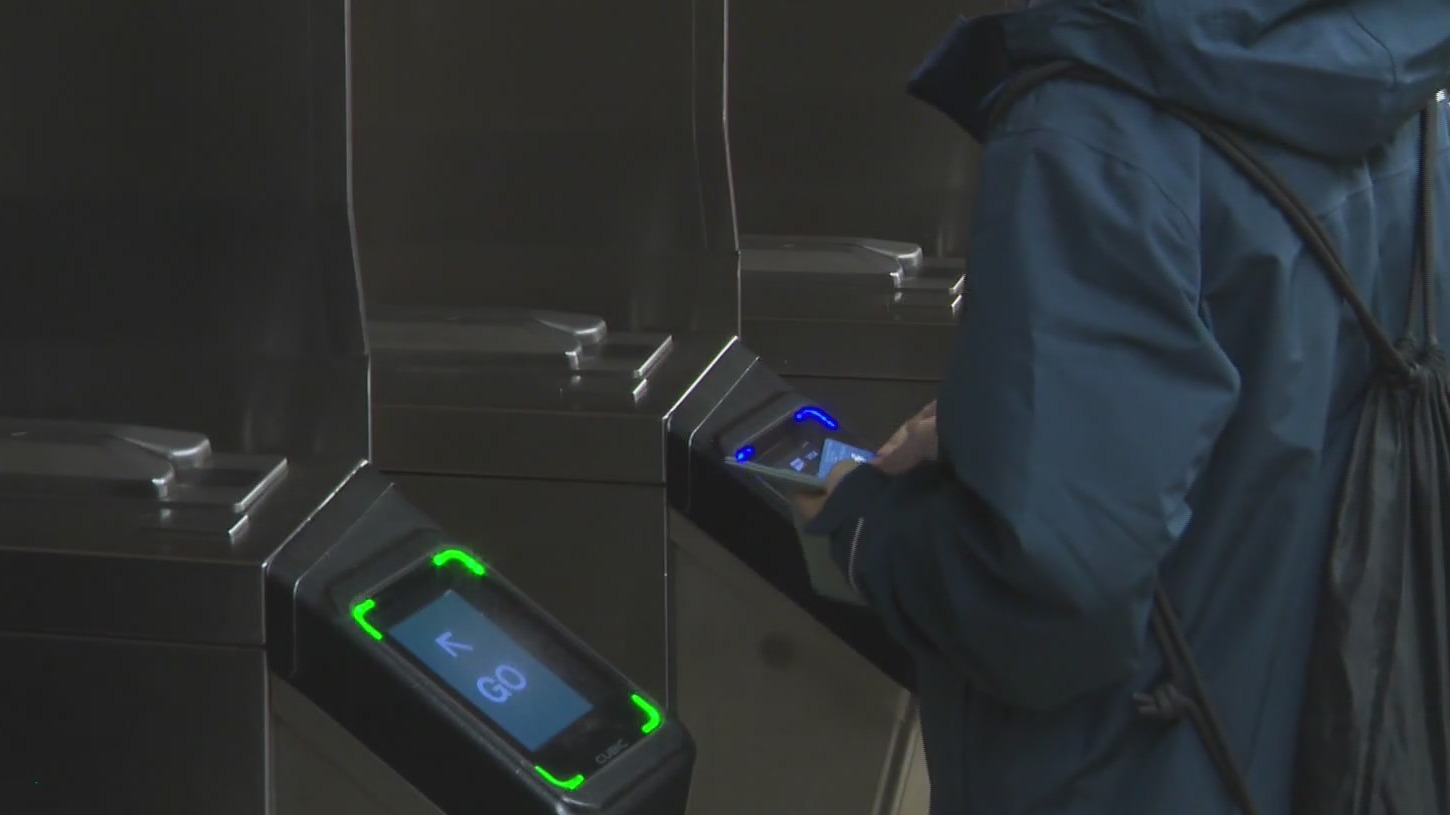
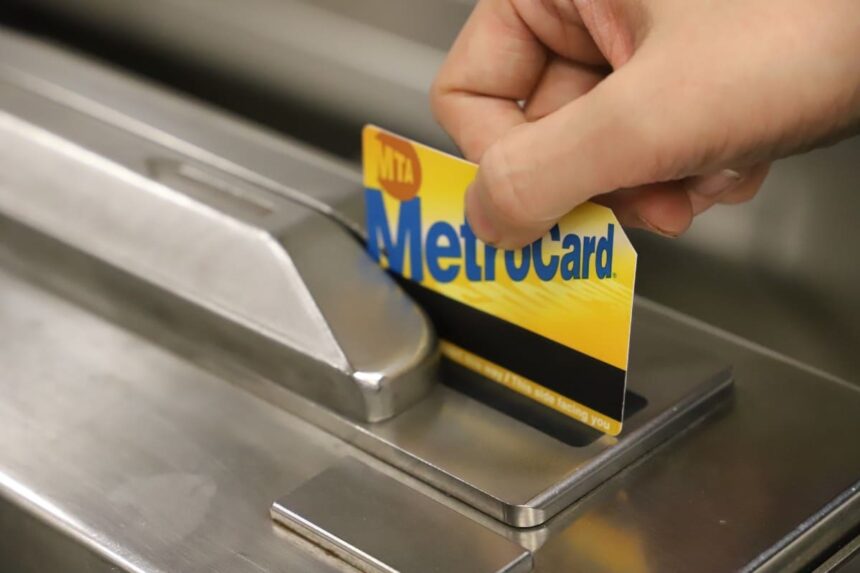
The urban transportation ecosystem is undergoing a profound digital transformation, with the New York Metropolitan Transportation Authority (MTA) leading a strategic shift toward frictionless, technology-driven mobility solutions. At the heart of this revolution lies the OMNY payment system, which represents far more than a simple fare collection upgrade—it's a comprehensive reimagining of how cities manage transportation infrastructure.
Contactless Payment Infrastructure is emerging as a critical strategic lever for urban mobility. The MTA's transition, which will see over 90% of subway and bus trips using tap-and-go technology by 2025, signals a broader market trend toward digital, seamless payment methods. By anticipating $20 million in annual card-related cost savings, the authority is demonstrating that technological integration isn't just about convenience—it's about fundamental economic optimization.
The financial implications extend well beyond transit agencies. For e-commerce and logistics sellers, these changes introduce complex new dynamics in transportation cost structures. The new fare system's digital payment options and stricter validation processes will directly impact last-mile delivery expenses and commuter logistics. Businesses must now factor in more sophisticated transportation cost modeling, with fare changes like the upcoming 4-8% transit rate increases creating ripple effects across supply chain economics.
Critically, this transformation follows global technological trends, mirroring successful implementations in cities like London and Singapore. The shift represents more than a local policy change—it's part of a global movement toward digitalized urban transportation infrastructure that prioritizes efficiency, data integration, and user experience. Payment technology providers, mobile wallet developers, and contactless solution designers now have a blueprint for future urban mobility platforms.
The strategic takeaway is clear: transportation is no longer just about moving people, but about creating intelligent, interconnected mobility ecosystems that generate value through technological innovation. Companies and cities that can rapidly adapt to these digital payment infrastructures will gain significant competitive advantages in the emerging urban mobility landscape.
Questions 3
What opportunities exist for technology providers in this transformation?
Payment technology providers, mobile wallet developers, and contactless solution designers now have significant opportunities to design integrated mobility platforms. The MTA's approach provides a blueprint for creating smart city transportation technologies that can be replicated in urban centers worldwide.
What technological trends does the MTA's transition represent?
The transition reflects a global movement toward digitalized urban transportation infrastructure, emphasizing seamless, data-driven mobility solutions. It signals a shift from traditional fare collection to intelligent, interconnected payment ecosystems that prioritize user experience and operational efficiency.