


Microsoft's Strategic Price Disruption: One-Time Office Licenses Challenge Subscription Economy
- Unprecedented Pricing Model Signals Major Shift in Software Distribution for Small Businesses and Professionals
Overview
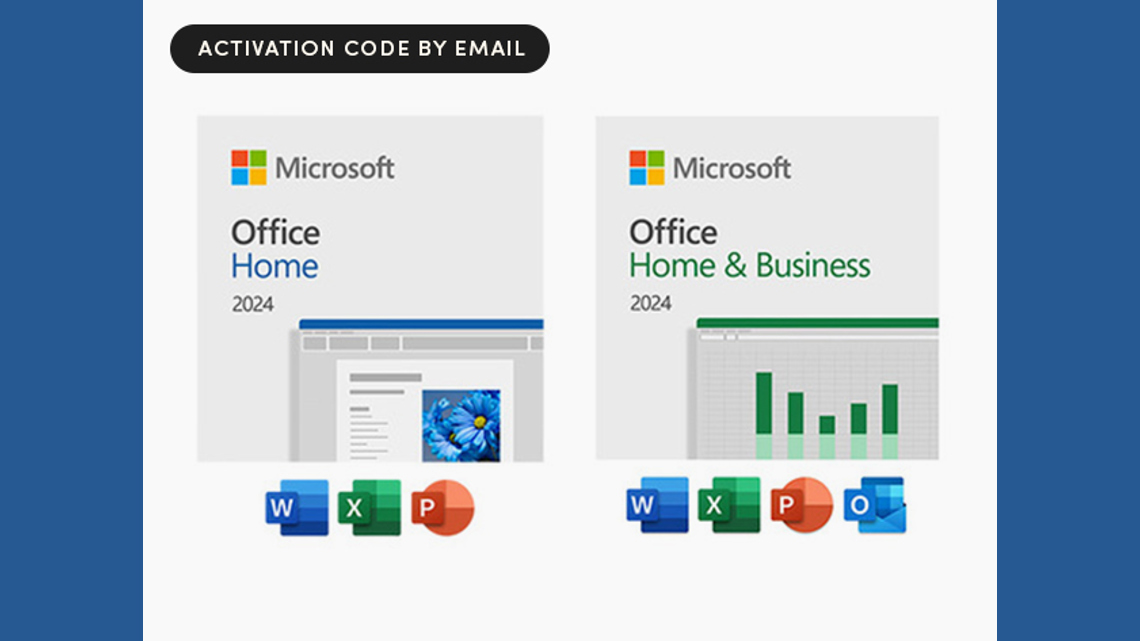
In a bold strategic move that challenges the prevailing subscription-based software ecosystem, Microsoft is rewriting the rules of productivity software pricing. The company's recent announcements of dramatically discounted one-time Office licenses—ranging from $29.97 for Office 2019 to $120 for Office 2024—represent more than just a sale; they signal a nuanced response to growing market fatigue with recurring software expenses.
Pricing Disruption as Strategic Positioning emerges as the core narrative. By offering lifetime access to Office Professional Plus at a fraction of its original cost, Microsoft is creating a compelling alternative for budget-conscious professionals, small businesses, and individual entrepreneurs. The pricing strategy effectively addresses two critical market segments: those resistant to monthly subscriptions and users with legacy hardware seeking cost-effective productivity solutions.
The economics are particularly striking. A 40% price reduction on Office 2024, combined with the $29.97 lifetime license for Office 2019, demonstrates Microsoft's willingness to experiment with unconventional pricing models. This approach serves multiple strategic objectives: attracting price-sensitive users, competing against free alternatives like Google Workspace, and providing a flexible option alongside its Microsoft 365 subscription service.
Competitive Landscape Implications are profound. As software companies increasingly push subscription models, Microsoft's one-time purchase option represents a calculated counterpoint. By offering full software ownership without continuous financial commitment, the company is testing market appetite for alternative licensing approaches. The move suggests an understanding that not all users—particularly freelancers, small businesses, and educational institutions—benefit from or desire perpetual monthly payments.
The technical flexibility is equally noteworthy. These licenses support Windows 10 and 11 platforms, include enhanced features like improved inking tools and data analysis capabilities, and provide immediate download and installation. For users seeking predictable, one-time software investments, this represents an attractive proposition that breaks from the industry's subscription-driven orthodoxy.
Questions 3
Who benefits most from these new Office licensing options?
Freelancers, small businesses, educational institutions, and individual professionals with stable software requirements will find the most value. Users with older computers, limited budgets, or those who don't require cutting-edge features can save significantly compared to ongoing subscription models.
How do these one-time licenses compare to Microsoft 365 subscriptions?
Unlike Microsoft 365's continuous monthly payments, these one-time licenses offer permanent software ownership with a fixed, lower upfront cost. They provide core productivity applications like Word, Excel, and PowerPoint but may lack some cloud-based features and regular updates included in subscription plans.