


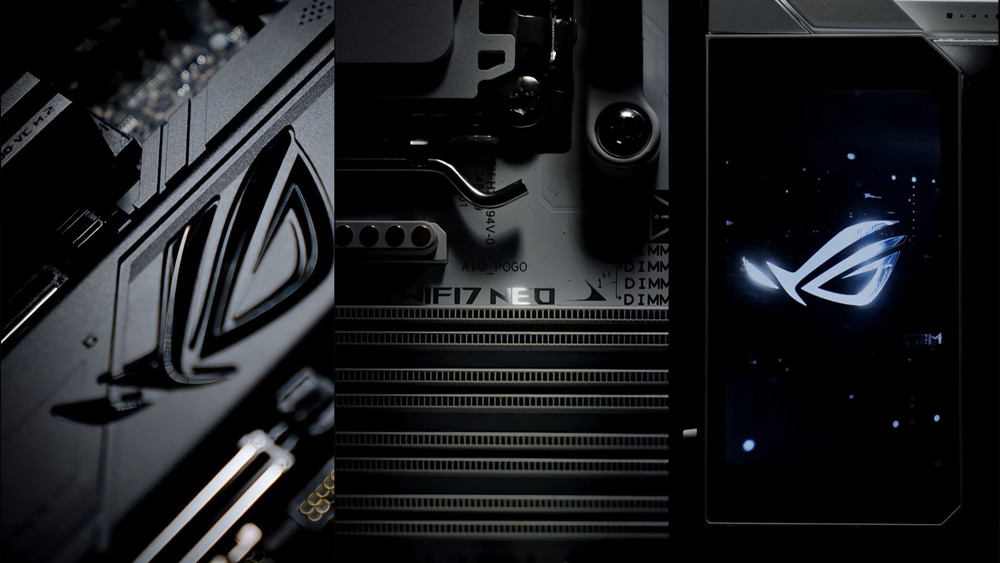

ASUS Reshapes Computer Hardware Ecosystem with Strategic NEO Motherboard Launch
- Precision-Targeted Innovation Signals Next Wave of Specialized Computing Platforms
Overview
The computer hardware landscape is experiencing a strategic transformation through ASUS's meticulously planned NEO motherboard series, revealing a sophisticated approach to market segmentation and technological innovation. At CES 2026, ASUS is not merely launching products, but redefining how specialized computing platforms can be strategically designed to serve distinct user ecosystems.
Targeted Market Segmentation emerges as the core strategic insight. By introducing NEO motherboards across three distinct lines - ROG (Republic of Gamers), TUF Gaming, and ProArt Creator - ASUS demonstrates an unprecedented level of precision in addressing specific user needs. The AM5 platform becomes a canvas for nuanced technological expression, where each product line is engineered to deliver optimized performance for its intended audience.
The incremental innovation strategy is particularly noteworthy. Rather than pursuing radical redesigns, ASUS is implementing strategic refinements - potentially including WiFi 7 connectivity and performance optimizations. This approach suggests a mature product development philosophy that prioritizes targeted improvements over disruptive overhauls. For technology sellers and system integrators, this signals an opportunity to offer increasingly specialized computing solutions that match precise user requirements.
From an AI and automation perspective, the NEO series represents a fascinating case study in product differentiation. The ability to create multiple product variants targeting specific market segments demonstrates how advanced data analysis and user profiling can drive product development. E-commerce platforms and technology retailers can leverage similar segmentation strategies, using AI-powered insights to understand and predict user needs with increasing granularity.
The broader implications extend beyond ASUS's product lineup. This launch reflects a fundamental shift in computer hardware development - from generic, one-size-fits-all solutions to precisely engineered platforms that recognize the diverse computational needs of modern users. Technology sellers who can quickly adapt to this trend of hyper-specialized computing will gain significant competitive advantages.
Questions 3
How might technology sellers benefit from the NEO motherboard launch?
Sellers can leverage the diverse product lines to create more sophisticated inventory strategies, offering highly specialized solutions for specific customer segments. The NEO series provides opportunities to target enthusiasts, gamers, and professional users with precisely engineered computing platforms.
What makes the ASUS NEO motherboard series unique?
The NEO series represents a highly targeted approach to motherboard design, with specialized product lines (ROG, TUF, ProArt) engineered specifically for different user segments like gaming, professional creation, and high-performance computing. This approach allows for precise performance optimization tailored to distinct user needs.