





Hollywood's Streaming Titans Merge: Netflix's $82.7 Billion Gambit to Reshape Media Landscape
- Massive media consolidation signals seismic shift for content creators and streaming platforms


































































Overview
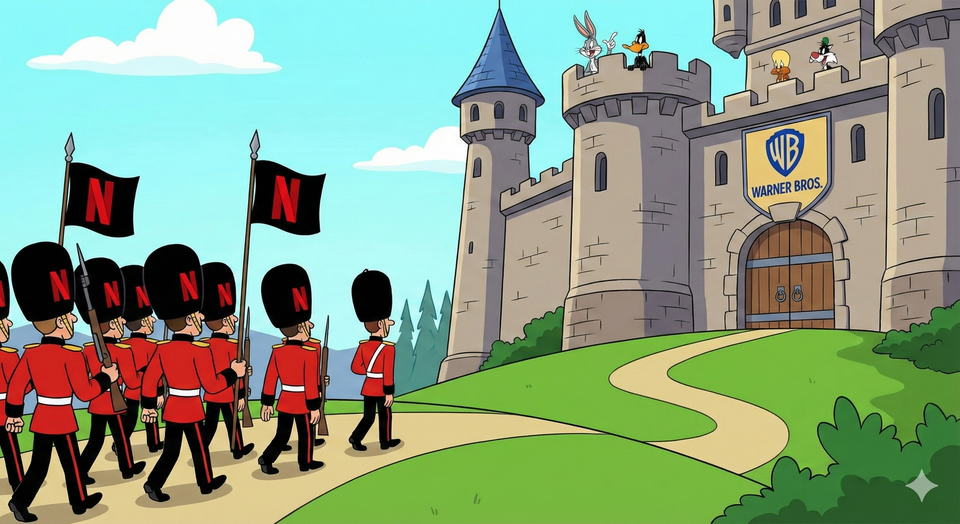
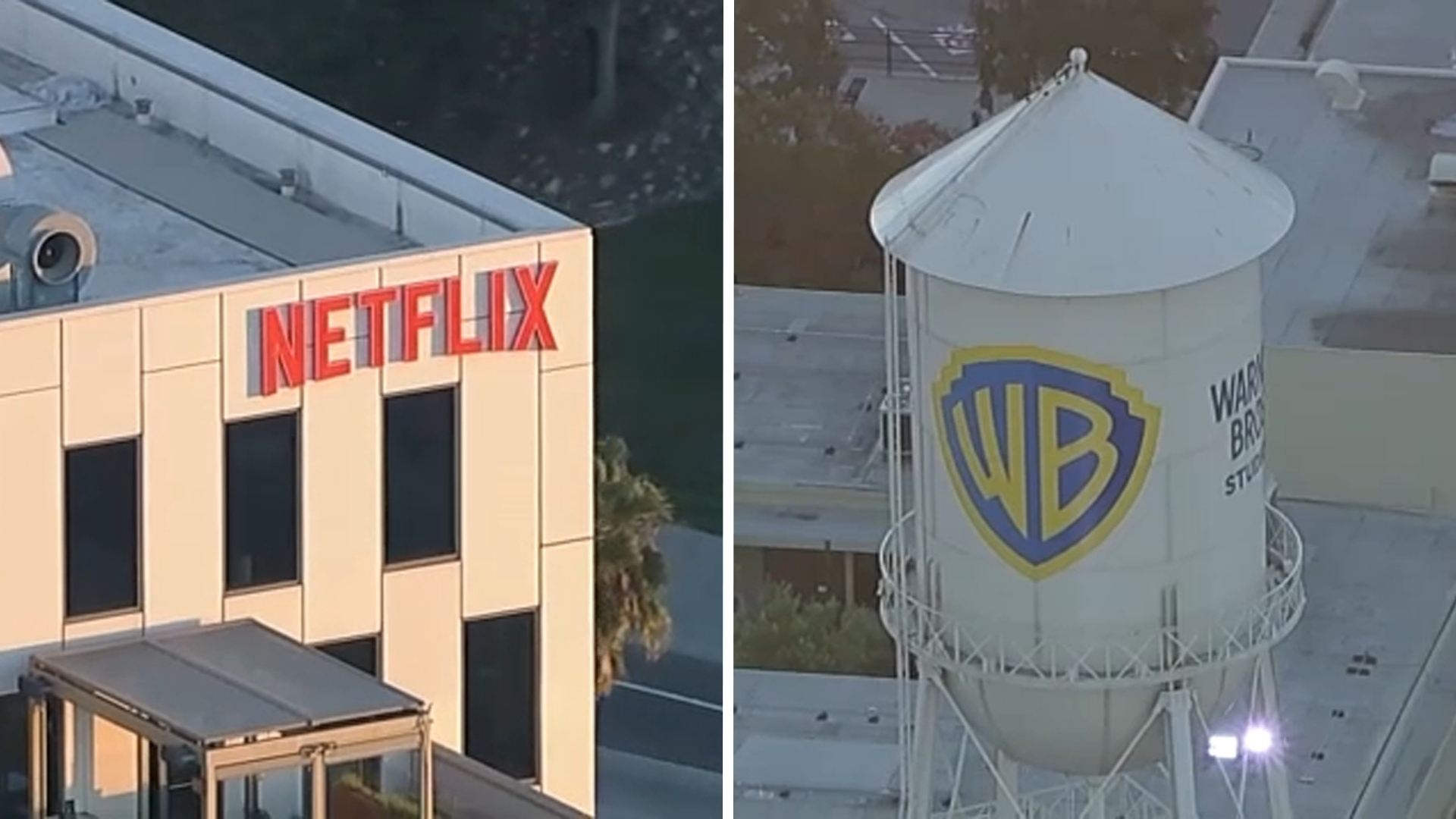
The Netflix-Warner Bros. Discovery merger represents a watershed moment in digital media, signaling an unprecedented consolidation of streaming power that could fundamentally restructure how entertainment content is produced, distributed, and consumed. At the heart of this $82.7 billion strategic maneuver lies a complex chess game of subscriber aggregation, content library expansion, and market dominance.
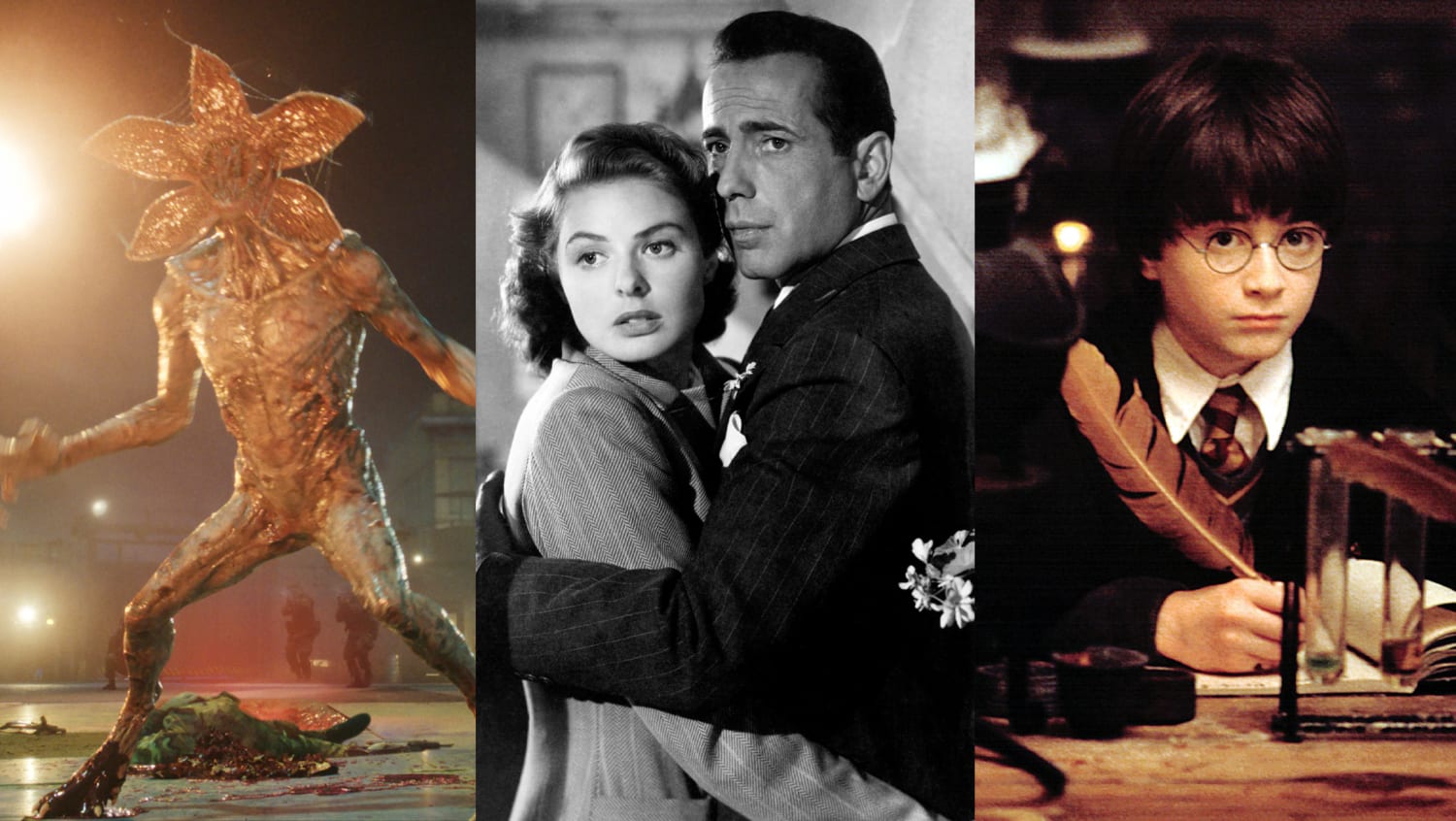
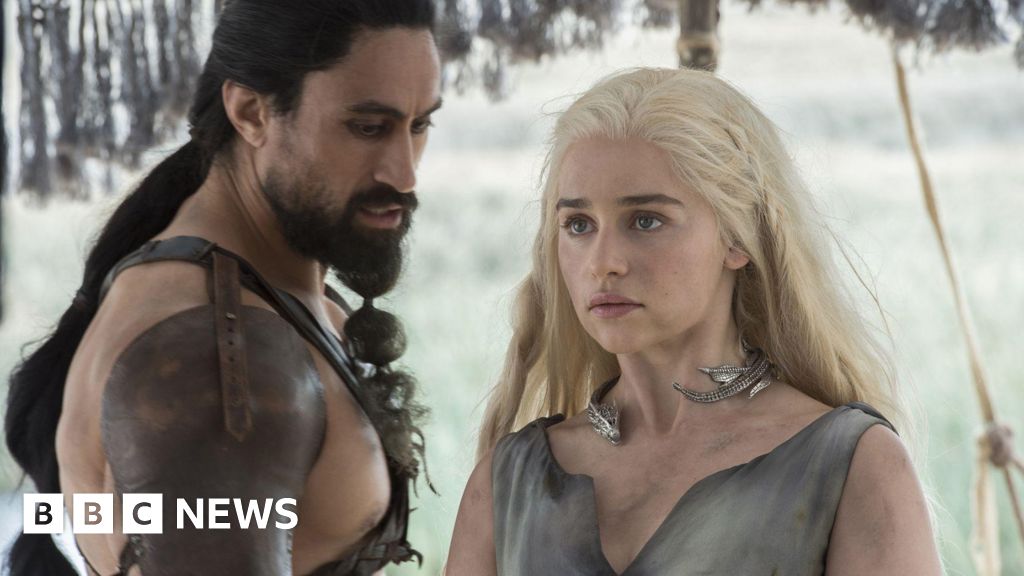
By combining Netflix's 300 million subscribers with HBO's 128 million, the merged entity creates an entertainment behemoth that controls nearly half the streaming market. The acquisition brings together a treasure trove of iconic content franchises—from Harry Potter and Friends to DC Universe and Game of Thrones—positioning the new platform as an unparalleled content powerhouse.
However, the merger is far from a straightforward victory. Regulatory scrutiny looms large, with both US and European competition authorities preparing intensive reviews. Political figures like Senator Elizabeth Warren have already branded the deal an "anti-monopoly nightmare", highlighting potential risks of reduced market competition and creative diversity. The Writers Guild of America and movie theater owners have voiced significant concerns about potential job losses and the disruption of traditional film distribution models.
Netflix's strategic calculus appears multifaceted: by absorbing Warner Bros. Discovery, the company isn't just acquiring content, but fundamentally reimagining media distribution. The $10 billion debt assumption signals confidence in long-term value creation, despite near-term challenges. Industry experts like Forrester's Mike Proulx suggest Netflix will become "arguably untouchable" in streaming, indicating a transformative moment in digital entertainment.
The broader implications extend beyond this single transaction. This merger reflects accelerating digital media consolidation trends, where streaming platforms increasingly compete through content libraries and subscriber base expansion. For content creators, technology providers, and entertainment consumers, the landscape is undergoing a tectonic shift that will reshape industry dynamics for years to come.
Questions 4
What strategic advantages does Netflix gain from this acquisition?
Netflix gains a massive content library, expanded global subscriber base, and iconic entertainment franchises. The merger positions Netflix as a dominant player in streaming, potentially allowing for more competitive pricing and bundled service offerings.
How might this merger impact content creators and movie theaters?
The merger raises significant concerns about job losses, reduced theatrical release opportunities, and potential creative constraints. Theater owners worry about shorter cinema screening windows, while industry groups fear a reduction in diverse content production approaches.