




NHL's Tropical Hockey Revolution Redefines Sports Marketing Boundaries
- Innovative venue strategies unlock unprecedented fan engagement for sports franchises











Overview
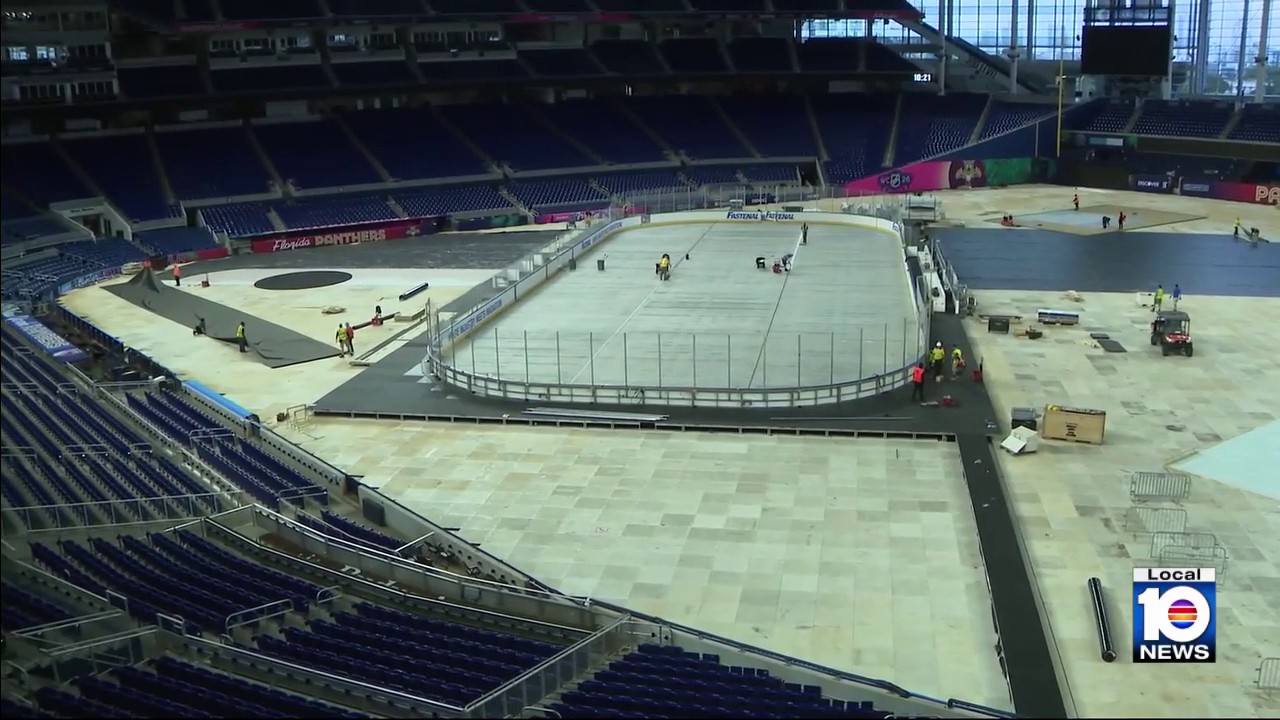
The NHL's strategic expansion into non-traditional markets represents a groundbreaking approach to sports entertainment and brand development. By hosting the Winter Classic in Miami at LoanDepot Park, the league is demonstrating a radical reimagining of sporting event possibilities that extends far beyond conventional geographic limitations.
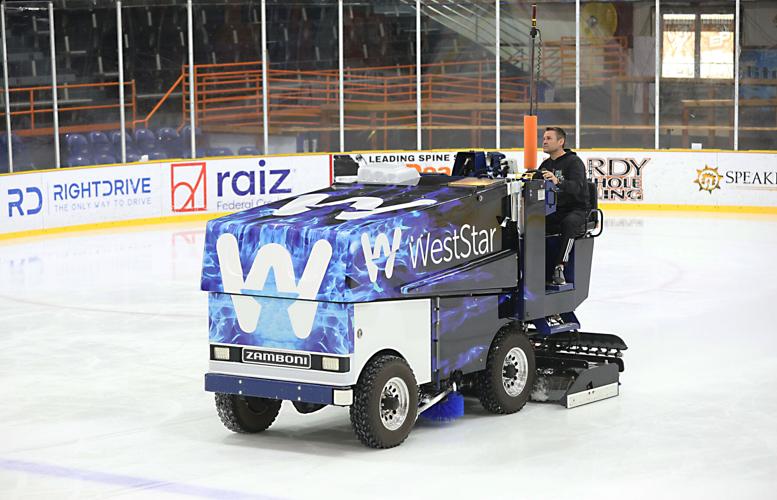
Technological innovation sits at the core of this transformation. The NHL is deploying sophisticated cooling technologies, including mobile refrigeration units and specialized ice-making trucks, to create a viable outdoor hockey experience in a tropical environment. This isn't just about hosting a game—it's about challenging fundamental assumptions about where and how sports can be experienced.
The geographical disruption is particularly significant. Historically confined to cold-weather regions, hockey is now breaking through regional constraints by creating spectacular, memorable experiences in unexpected locations. The January 2, 2026 game represents the first tropical outdoor ice hockey match in NHL history, symbolizing a broader trend of sports leagues thinking beyond traditional market boundaries.
For marketing professionals, this approach offers a masterclass in audience expansion. By selecting unconventional venues and creating technologically enabled spectacles, the NHL is transforming hockey from a regional sport to a national—and potentially global—entertainment experience. The throwback jerseys inspired by the 1930s Tropical Hockey League further demonstrate a nuanced understanding of storytelling and cultural connection.
The strategic implications are profound: sports franchises can now view geography not as a limitation, but as a creative canvas for reimagining fan engagement. By combining cutting-edge technology, narrative storytelling, and bold venue selection, organizations can create experiences that transcend traditional market constraints.
Questions 3
What strategic benefits does the Miami Winter Classic offer the NHL?
The game represents a strategic opportunity to expand hockey's regional appeal, create unique brand exposure in a non-traditional market, and demonstrate the league's innovative approach to sports entertainment. By challenging geographical limitations, the NHL can attract new fans and transform hockey's perception from a regional to a national sport.
How is the NHL overcoming the technical challenges of hosting an outdoor hockey game in Miami?
The NHL is using advanced cooling technologies including mobile refrigeration units, specialized ice-making trucks, and creating a thicker ice sheet. The LoanDepot Park's retractable roof and heavy-duty air conditioning will help maintain optimal ice conditions, potentially creating ice quality superior to some indoor arenas.