



Bangladesh Election 2026 | Garment Sellers Face Policy Uncertainty & Supply Chain Shifts
- February 2026 elections reshape Bangladesh politics with Jamaat-e-Islami winning record 68 seats; BNP secures 212-seat majority; direct implications for 2nd-largest garment exporter and cross-border e-commerce sourcing





)



Overview
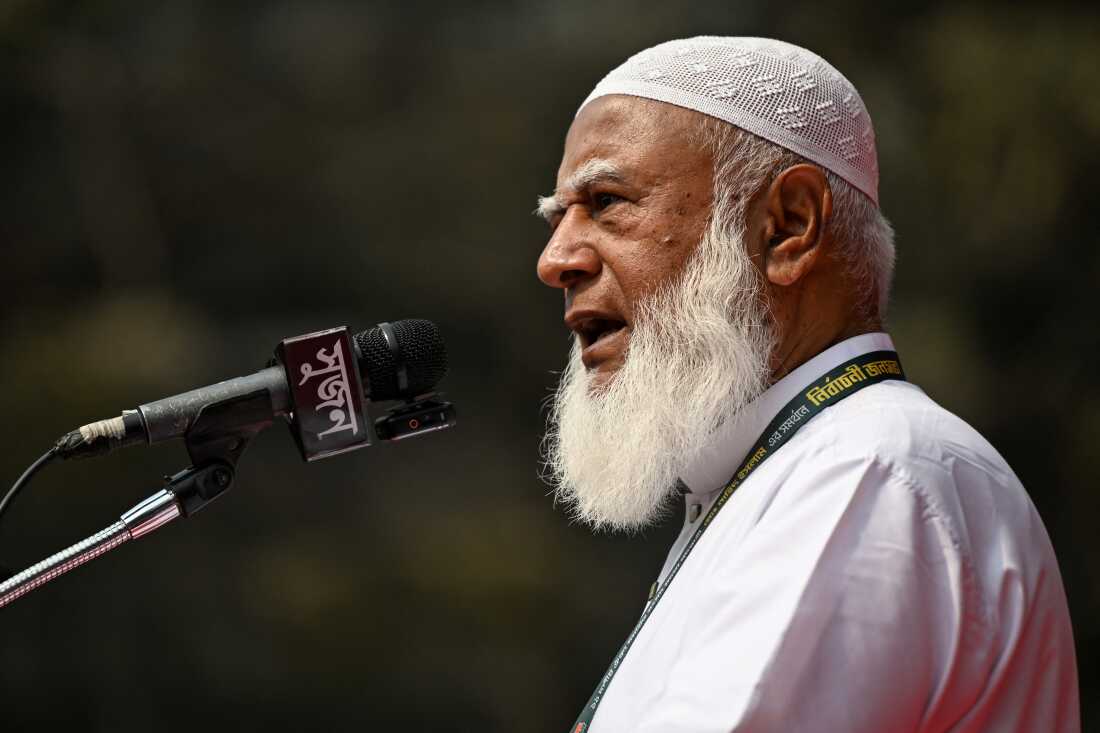
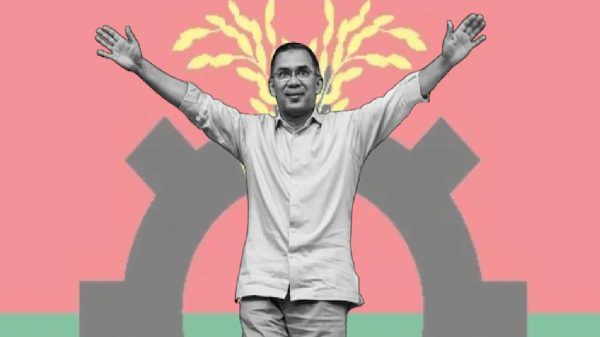
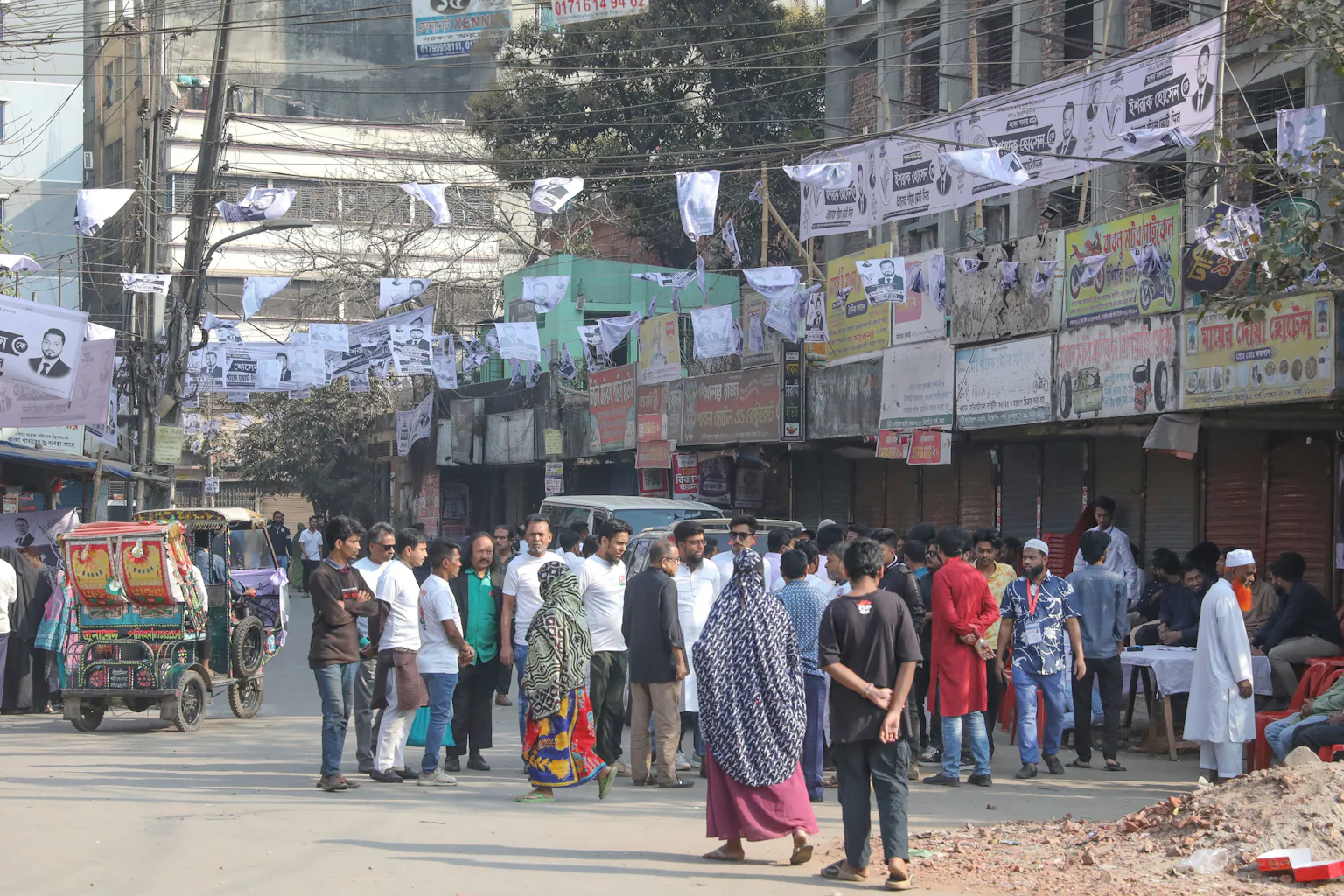
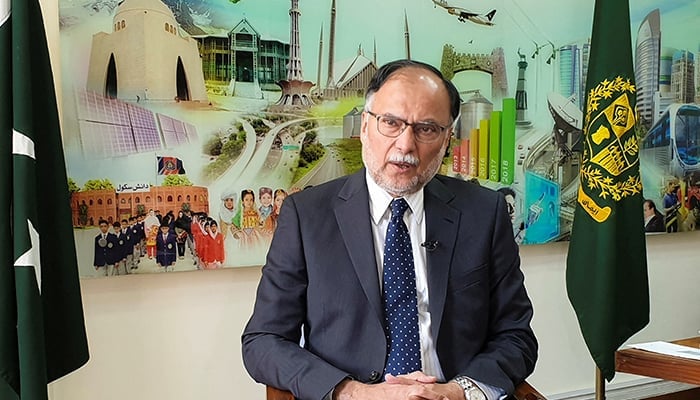
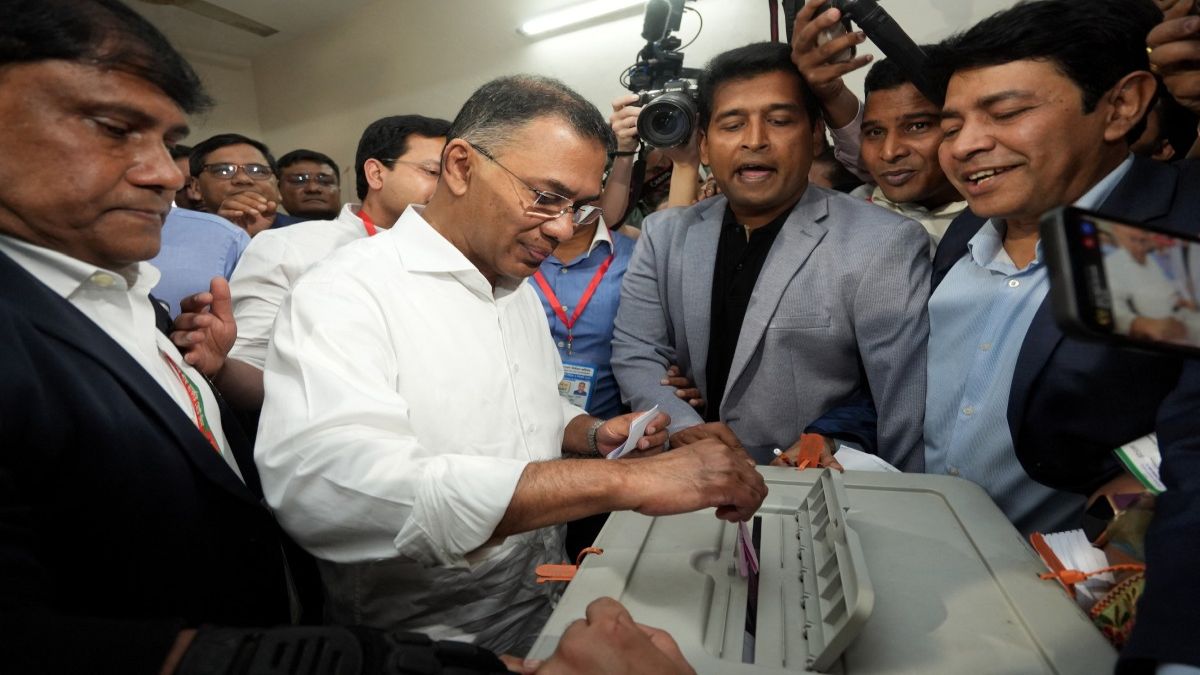
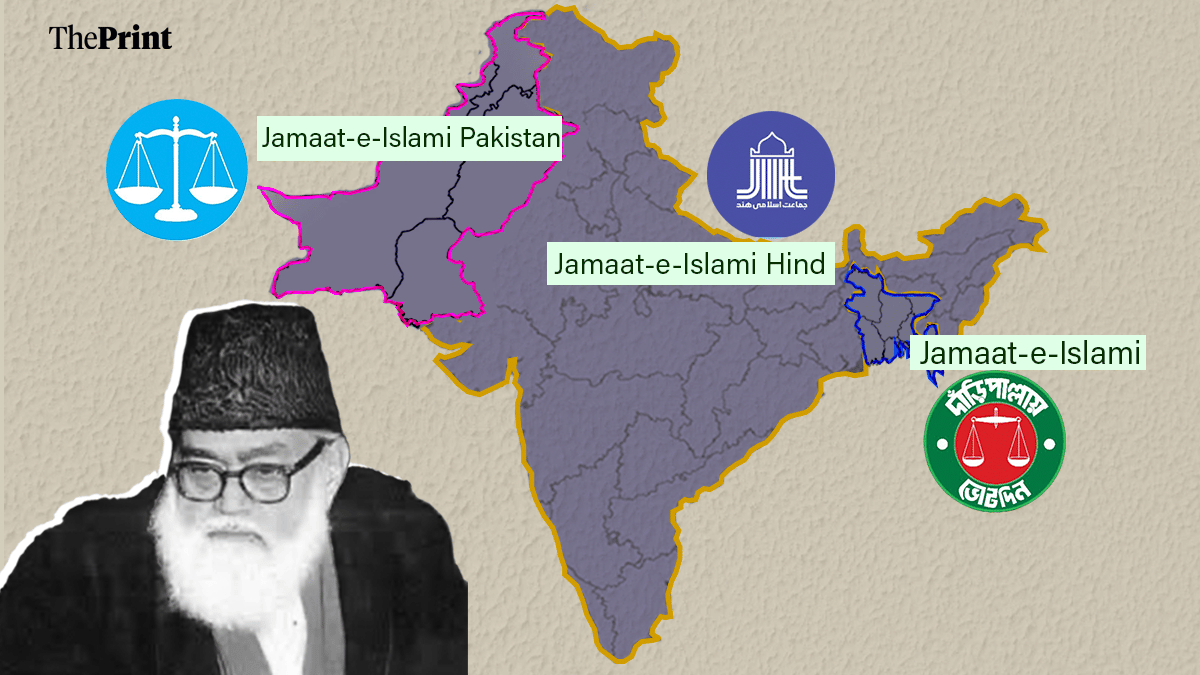
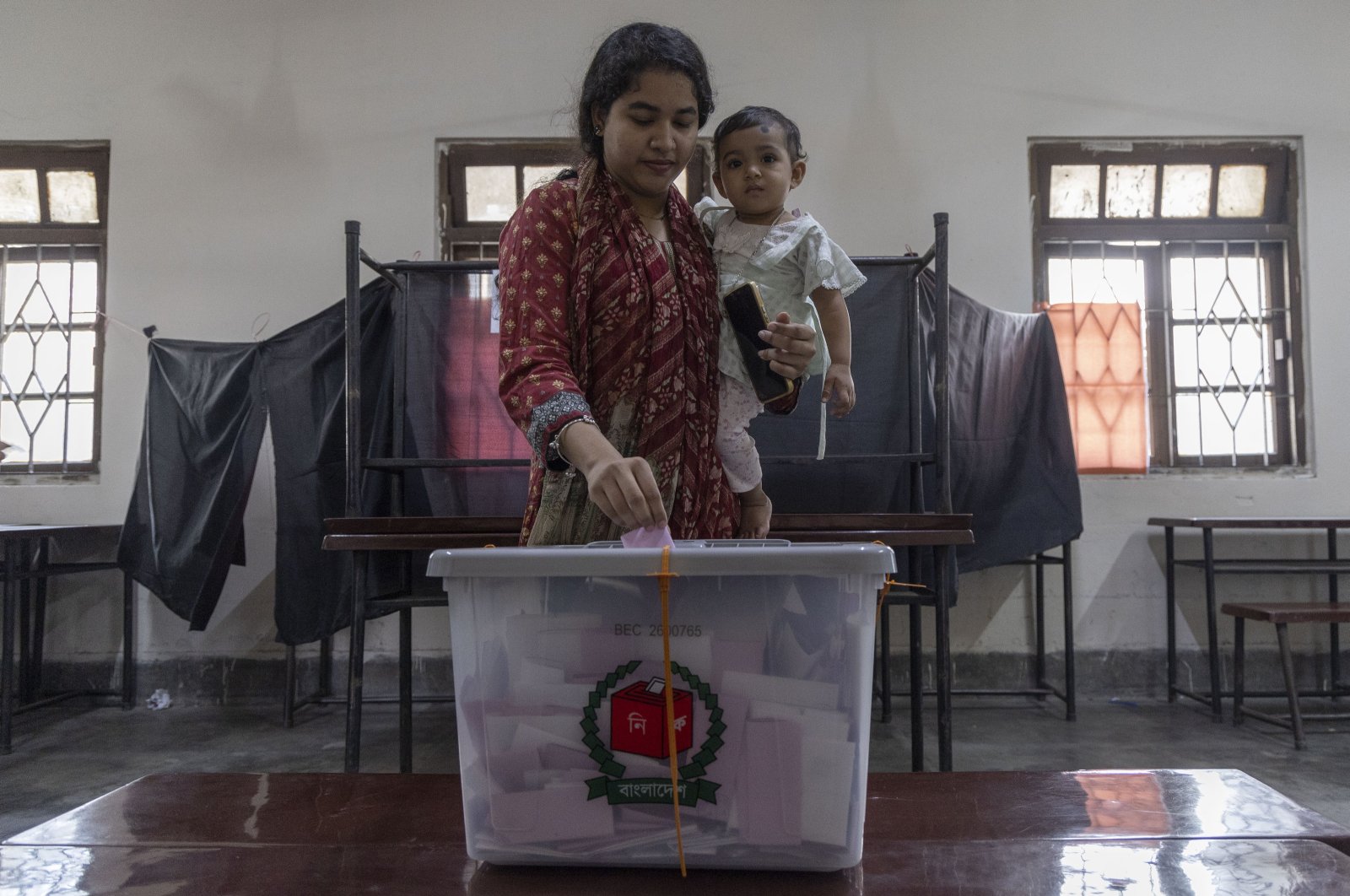
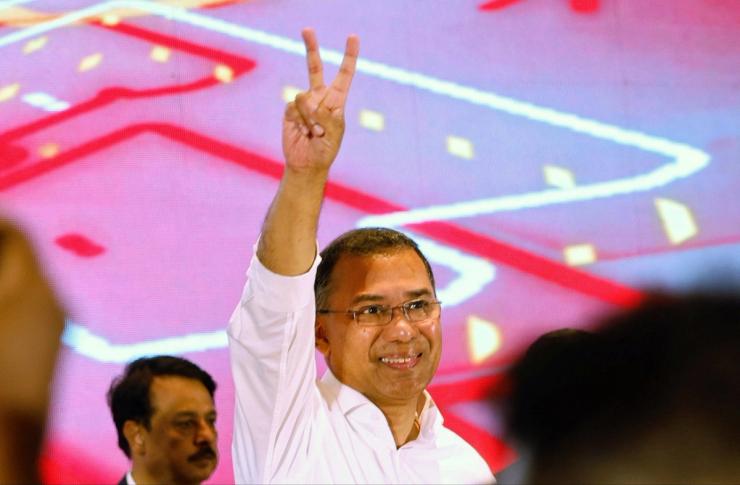
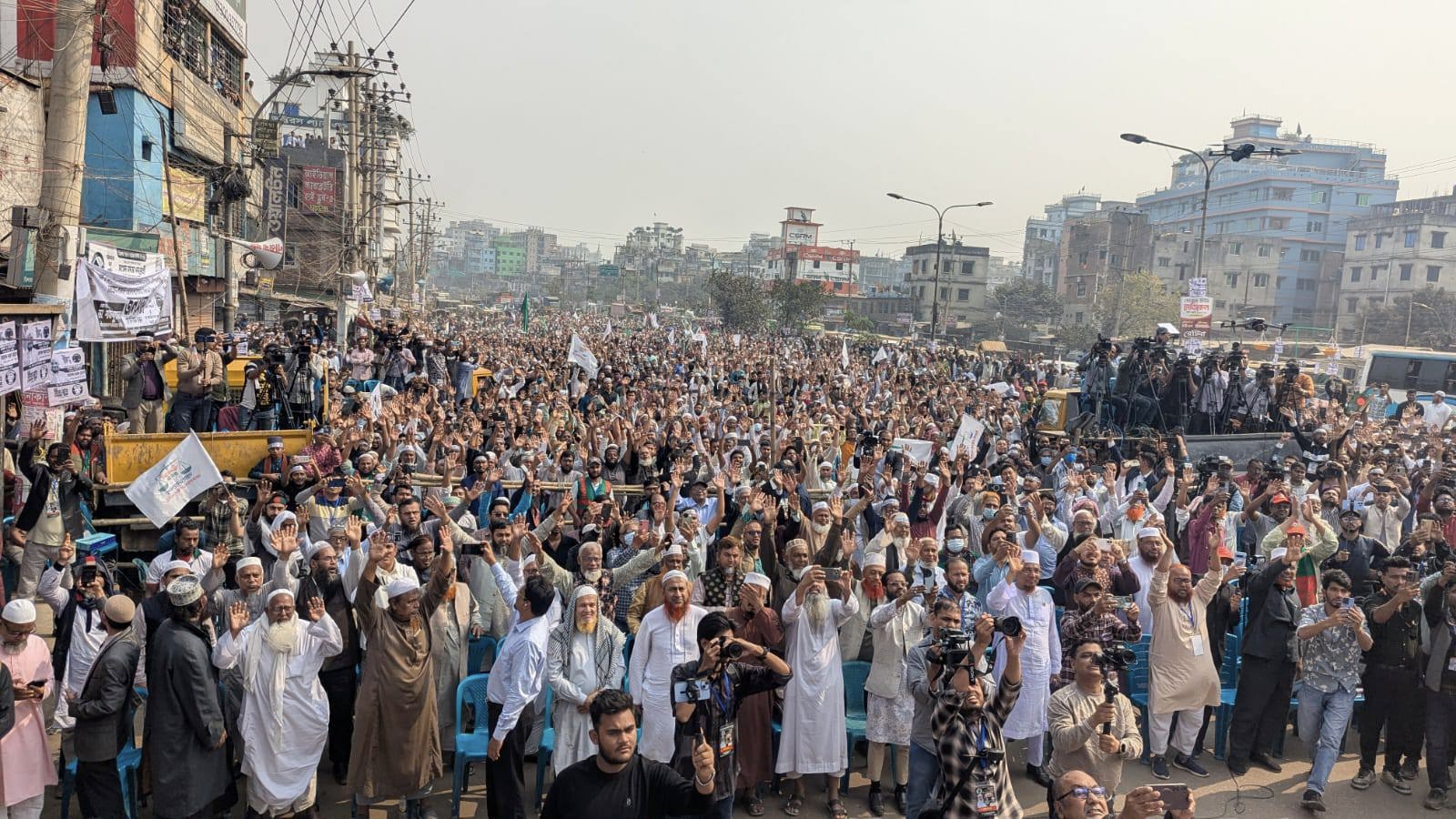
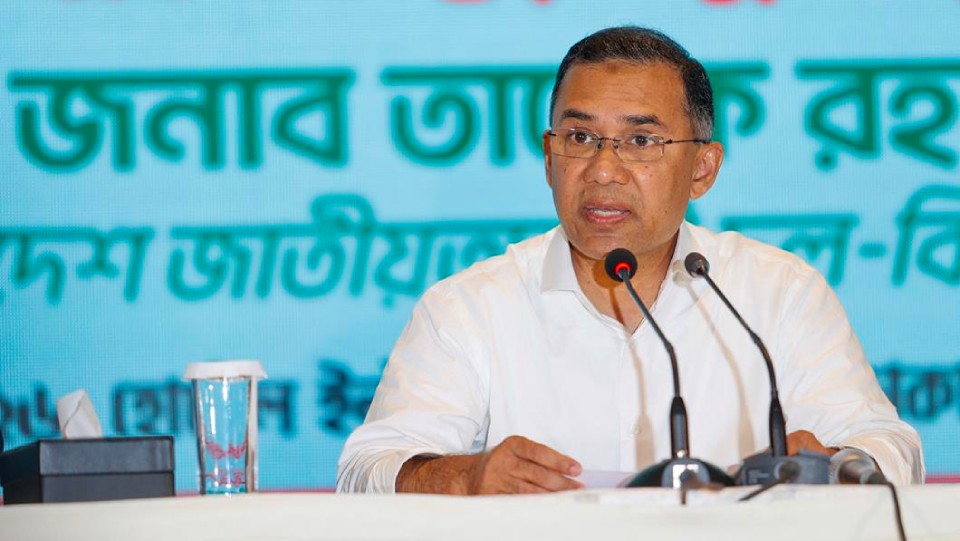
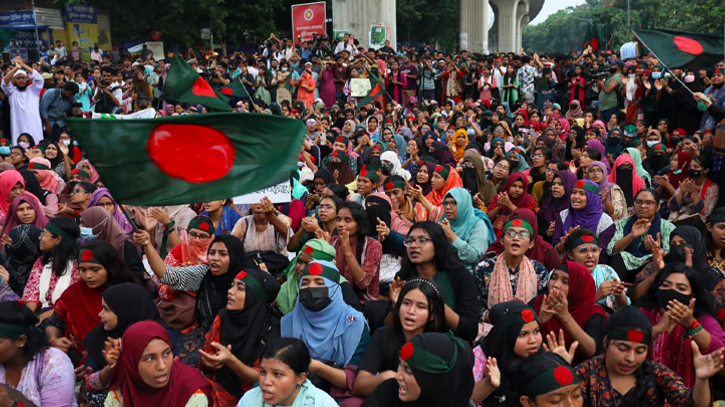
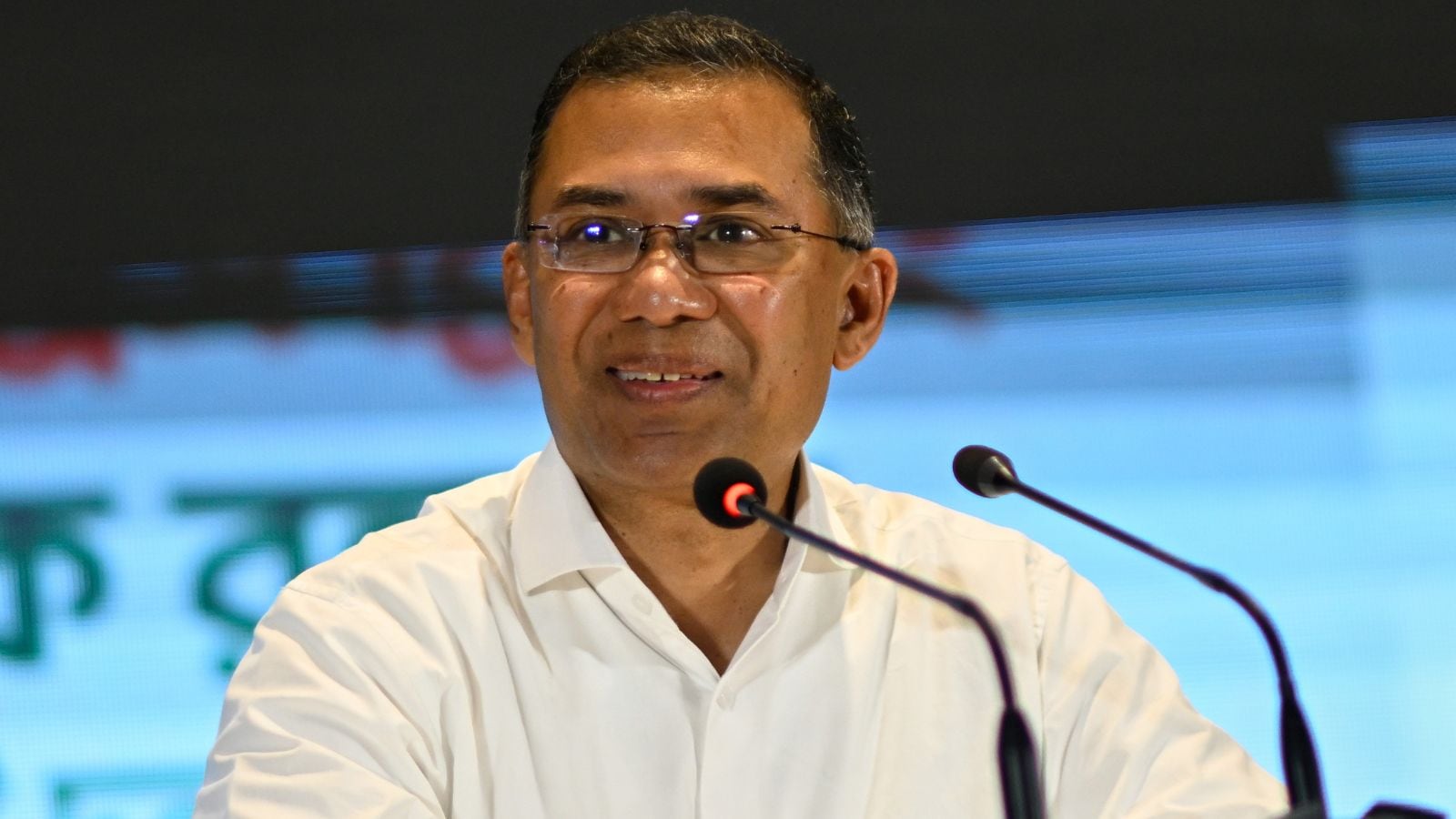
Bangladesh's February 2026 parliamentary elections have fundamentally reshaped the country's political landscape with significant consequences for cross-border e-commerce sellers sourcing garments and apparel. The Bangladesh Nationalist Party (BNP) secured a landslide victory with 212 of 300 seats, providing a two-thirds majority and positioning Tarique Rahman as prime minister. More notably, the Jamaat-e-Islami party—an Islamist organization—achieved a historic breakthrough by winning 68 seats as part of an 11-party opposition alliance, marking the party's highest-ever electoral performance after decades of political marginalization. This outcome is particularly consequential given Bangladesh's status as the world's eighth-most populous nation and the second-largest garment exporter globally after China, supplying major international brands serving European and US markets.
Supply Chain & Sourcing Implications for E-Commerce Sellers: The political shift creates both opportunities and risks for cross-border sellers operating in or sourcing from Bangladesh. The BNP government has committed to protecting Bangladesh's critical garment export position and implementing the July National Charter—a reform agenda designed to prevent autocratic governance. However, the unprecedented rise of Jamaat-e-Islami as the main opposition introduces policy uncertainty regarding women's rights and minority protections. The party fielded no female candidates and maintains ideological positions opposing secular governance, which could influence labor standards, workplace policies, and export regulations affecting apparel manufacturers. Sellers sourcing from Bangladesh's garment sector—which generates approximately $17-18 billion annually in exports—should monitor regulatory changes affecting factory compliance, labor certifications (BSCI, SA8000), and export documentation requirements. The BNP's stated priority to protect garment exports suggests continuity in trade policies, but opposition scrutiny may accelerate labor and environmental compliance audits.
Market Opportunities & Consumer Behavior Shifts: The electoral surge among younger voters—who prioritized "practical governance" over historical grievances—signals demographic shifts in Bangladesh's consumer market. This younger, pragmatic voter base represents emerging purchasing power in apparel, fashion accessories, and lifestyle categories. Cross-border sellers can capitalize on Bangladesh's growing middle class by sourcing locally-manufactured fashion products, home textiles, and accessories at competitive prices. The political stability provided by BNP's two-thirds majority reduces near-term policy volatility, creating a favorable window for supply chain optimization. However, sellers should diversify sourcing beyond Bangladesh given the opposition's growing influence and potential future policy shifts regarding women's employment in manufacturing—a sector employing approximately 4 million workers, 80% female. Monitoring factory compliance certifications and labor practice transparency becomes critical as Jamaat-e-Islami's opposition role may intensify scrutiny of working conditions.
Questions 8
How should sellers adjust product sourcing strategy for Bangladesh-made apparel?
The election outcome supports continued Bangladesh sourcing for cost-sensitive categories (basic t-shirts, basics, home textiles) where the 20-30% cost advantage versus China remains defensible. However, diversify high-margin or brand-sensitive categories across multiple countries to mitigate political risk. Prioritize suppliers with established certifications (BSCI, SA8000, WRAP) and transparent labor practices—these factories are less vulnerable to opposition-driven regulatory changes. Consider Bangladesh sourcing for private label basics and home goods (pillows, bedding, towels) where political risk is lower, while sourcing branded apparel from Vietnam or India. Establish 12-18 month supplier relationships rather than spot purchases to lock in pricing before potential cost increases.
Are Bangladesh garment prices likely to change due to political developments?
Short-term pricing stability is likely given the BNP's explicit commitment to protecting garment exports and maintaining competitive advantage. However, medium-term cost pressures could emerge if opposition scrutiny drives labor compliance upgrades or factory wage increases. Bangladesh's garment sector currently offers 15-25% cost advantages versus Vietnam and 20-30% versus China. Political stability under BNP governance supports these margins through 2026-2027, but sellers should negotiate multi-year contracts with price escalation clauses capped at 3-5% annually. Monitor Bangladesh labor ministry announcements and factory certification costs, which may increase if compliance standards tighten due to opposition pressure.