



Ramadan 2026 Feb 18-19 Start | 1.8B Muslim Consumers Shopping Peak Strategy
- Sellers targeting Muslim-majority markets must adjust inventory, marketing, and logistics for 29-30 day fasting period with regional date variations affecting Asia, Middle East, Africa, and Europe













:sharpen(0.5,0.5,true)/tpg%2Fsources%2F413d2510-28ca-4c5d-9b14-b9091729b65f.jpeg)




















:sharpen(0.5,0.5,true)/tpg%2Fsources%2F8d46d689-ca80-469f-aac3-3dae97bbe4d7.jpeg)


















Overview
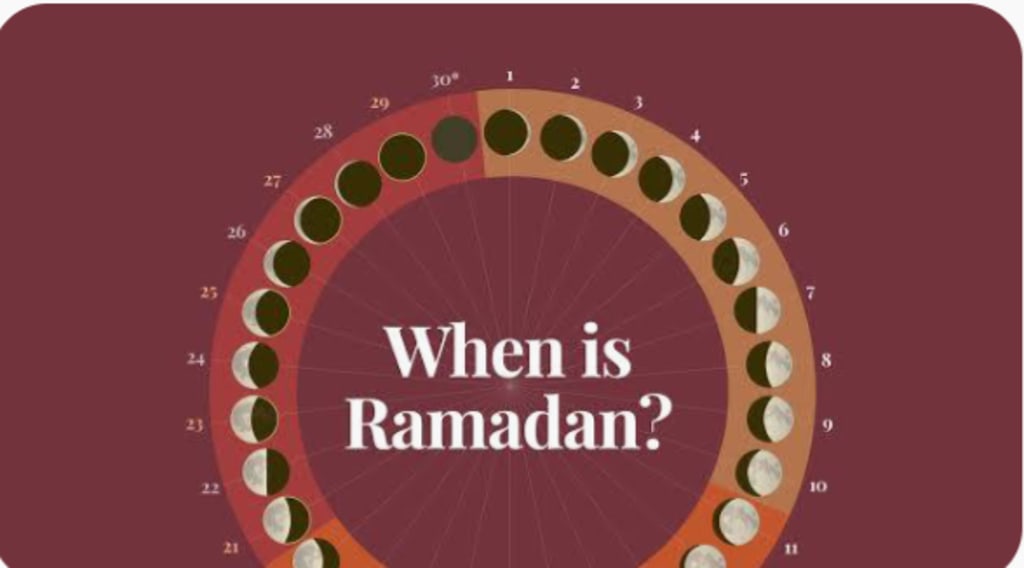
Ramadan 2026 begins February 18-19 depending on lunar crescent sighting, creating a critical planning window for e-commerce sellers targeting 1.8 billion Muslim consumers across Asia, Middle East, Africa, and Europe. The Islamic lunar calendar's 11-day annual variance means Ramadan shifts earlier each year—by 2030, it will occur twice in a single calendar year (January 5 and December 26). This unpredictability requires sellers to adopt flexible inventory and marketing strategies rather than fixed annual calendars.
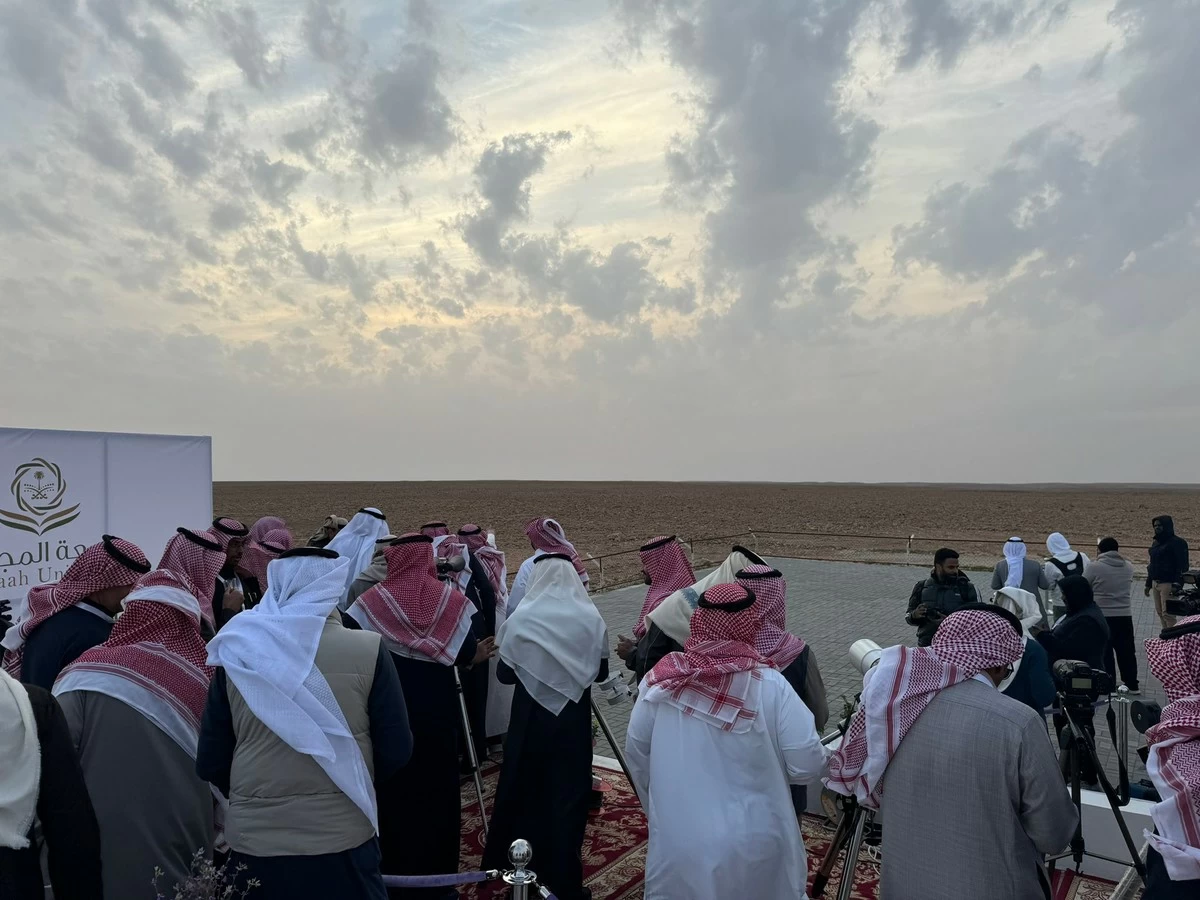
Regional date variations significantly impact seller operations. North America's Fiqh Council and Islamic Society of North America announced February 18 as Ramadan's start using astronomical calculations, while Europe's Council for Fatwa and Research declared February 19, citing impossible visibility conditions on February 17. Most Middle Eastern nations await Saudi Arabia's official announcement, with Asian countries (Singapore, India, Pakistan) and African nations anticipating February 19. Australia confirms February 19. These regional splits mean sellers must maintain separate promotional calendars, inventory allocations, and customer service protocols for different geographic markets—a complexity that single-market sellers can ignore but multi-region operators must address.
Consumer behavior shifts dramatically during Ramadan, creating both challenges and opportunities. Fasting hours vary by geography: Northern Hemisphere residents experience 12-13 hour fasts initially (decreasing until 2031 when Ramadan aligns with winter solstice), while Southern Hemisphere residents face 14-15 hour fasts. This impacts working hours, restaurant closures, and shopping patterns. However, the news articles emphasize increased evening shopping activity post-iftar (sunset meal), when consumers break their fast. Sellers must shift advertising spend toward evening hours (typically 6-10 PM local time), adjust customer service staffing to handle evening inquiries, and optimize logistics for post-iftar delivery windows. Product categories like gourmet foods, beverages, dates, traditional sweets, and family entertainment items see 30-50% demand spikes during this period based on historical e-commerce patterns.
Marketing localization becomes essential for competitive advantage. Common greetings like "Ramadan Mubarak" (blessed Ramadan) and "Ramadan Kareem" (generous Ramadan) are non-negotiable for culturally-sensitive campaigns. Sellers who ignore regional observances risk alienating audiences and losing market share to competitors who demonstrate cultural awareness. Inventory planning must account for 29-30 day duration with specific product demand patterns: pre-Ramadan purchases (household items, decorations), mid-month staples (dates, nuts, traditional foods), and post-Ramadan Eid celebrations (gifts, clothing, electronics). The timing uncertainty (February 18 vs. 19 start) requires sellers to launch campaigns by February 10 at latest, with contingency messaging for both dates.
Questions 8
How should sellers adjust inventory and logistics for Ramadan 2026?
Sellers should increase inventory allocation by 20-30% for high-demand categories starting January 2026, with specific focus on evening delivery windows. Launch promotional campaigns by February 10 to accommodate both February 18 and 19 start dates. Adjust customer service staffing to handle evening inquiries (6-10 PM peak hours), and optimize logistics for post-iftar delivery. Consider partnering with 3PL providers experienced in Muslim-majority markets to ensure culturally-appropriate handling and delivery timing. Monitor regional announcements from Saudi Arabia's Supreme Court, North America's Fiqh Council, and Europe's Council for Fatwa and Research to confirm exact start dates for each market.
What are the business implications of Ramadan occurring twice in 2030?
By 2030, Ramadan will occur twice in a single calendar year (January 5 and December 26), creating unprecedented planning complexity. Sellers must develop systems that treat Ramadan as a recurring lunar event rather than a fixed annual calendar date. This requires investment in dynamic inventory management, flexible promotional calendars, and AI-driven demand forecasting that accounts for lunar cycles. Early preparation now—building flexible systems in 2025-2026—will provide competitive advantages when 2030's dual-Ramadan period arrives. Sellers who wait until 2030 to adapt will face supply chain disruptions and missed revenue opportunities.