

Privacy Display Technology Adoption 2026-2029 | Premium Device Sellers Gain Competitive Edge
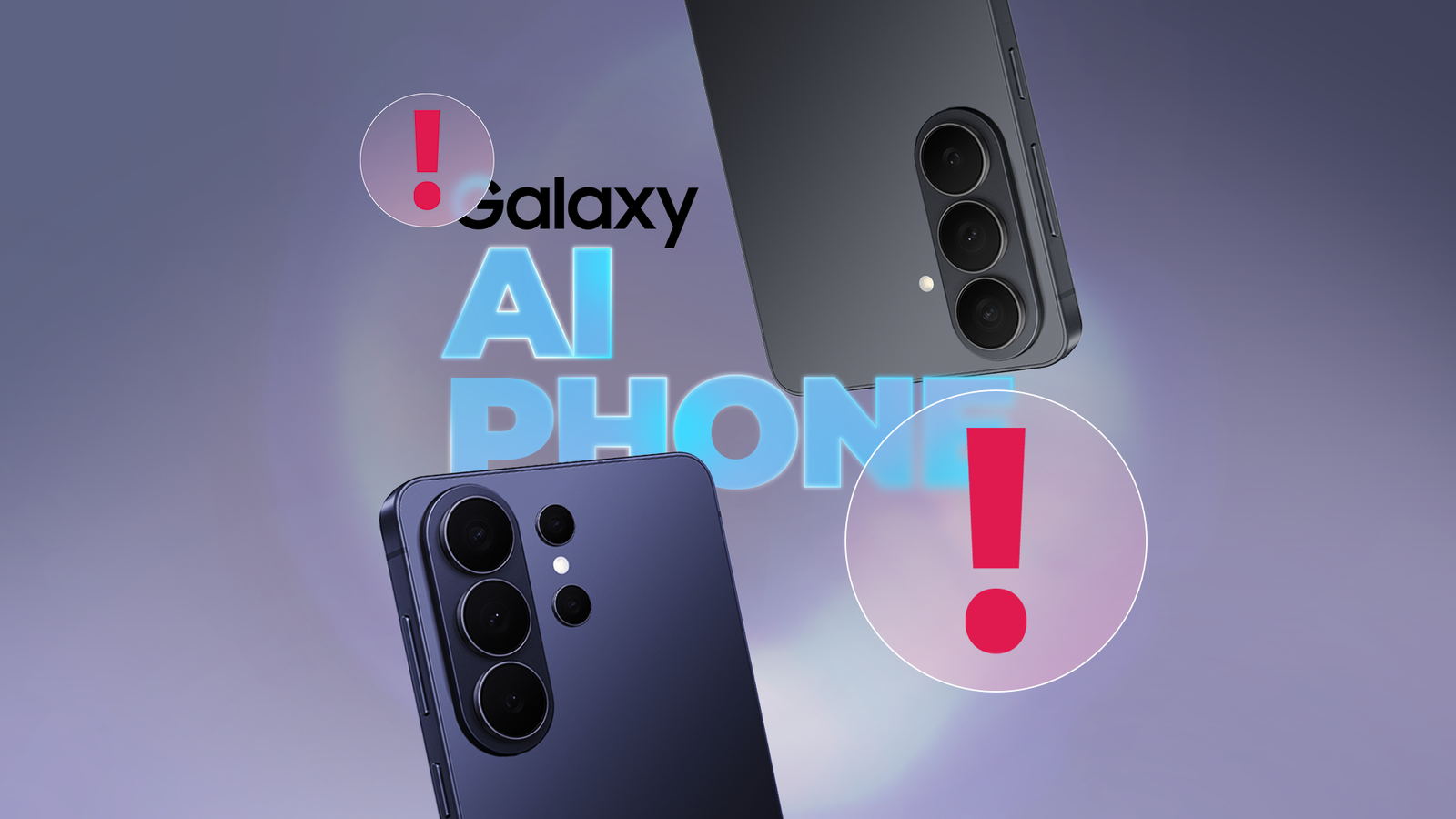
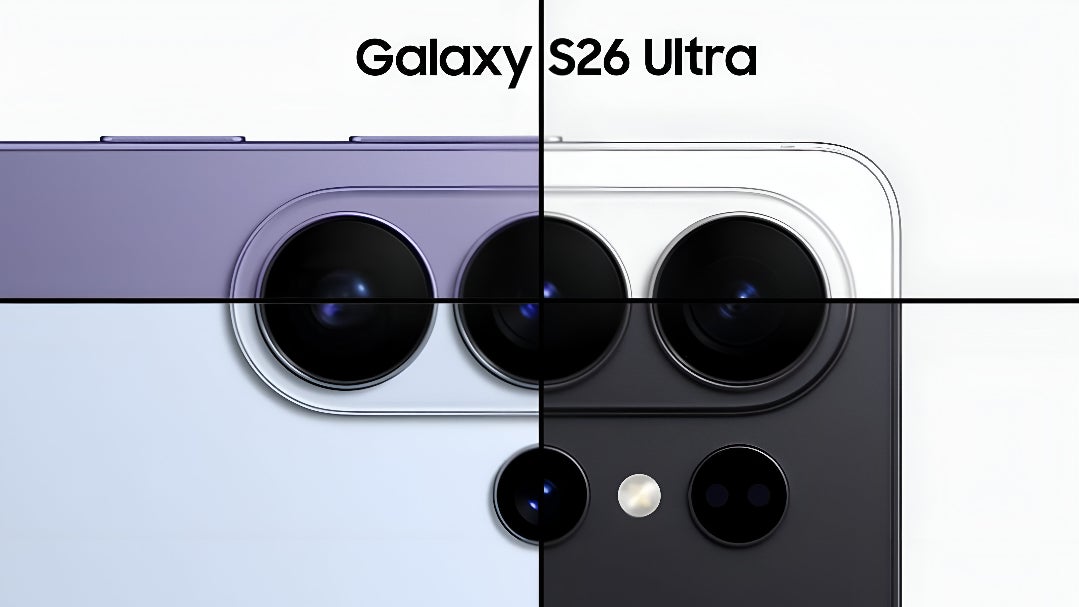
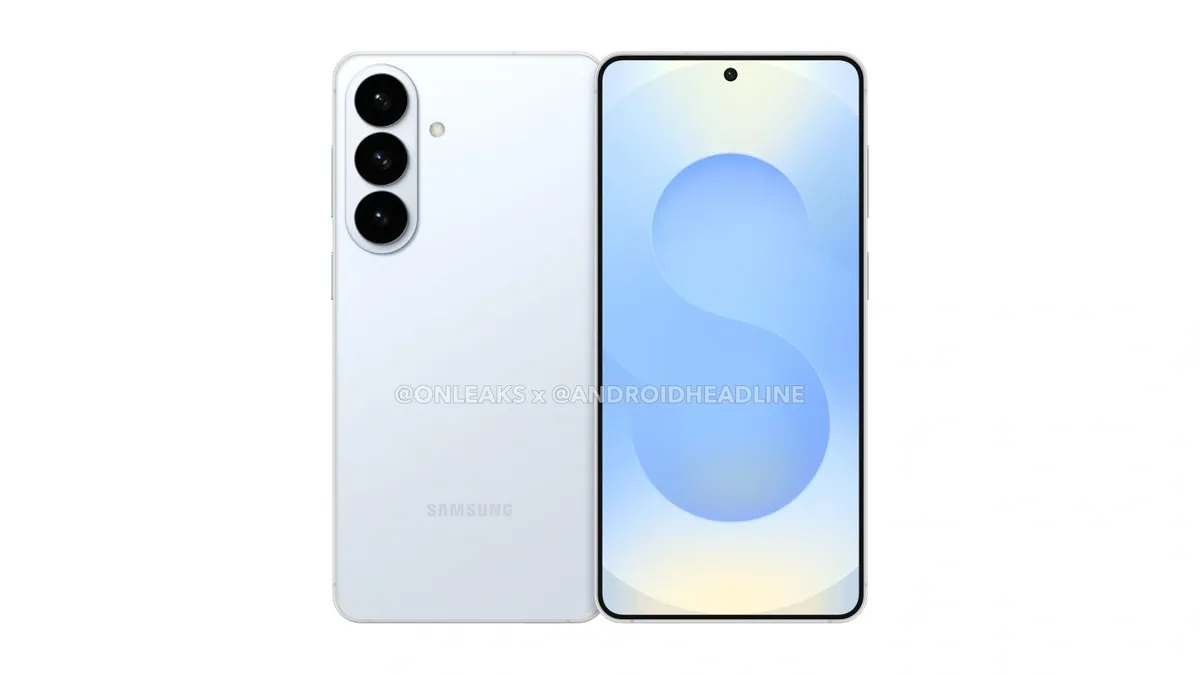
- Apple MacBook Pro OLED displays arrive late 2026 with privacy features; Samsung Galaxy S26 Ultra debuts Flex Magic Pixel technology; sellers have 18-36 months to position privacy-focused premium products











:sharpen(0.5,0.5,true)/tpg%2Fsources%2Fac4789b2-5239-49d8-b30d-d2395b1e87fd.jpeg)





Overview
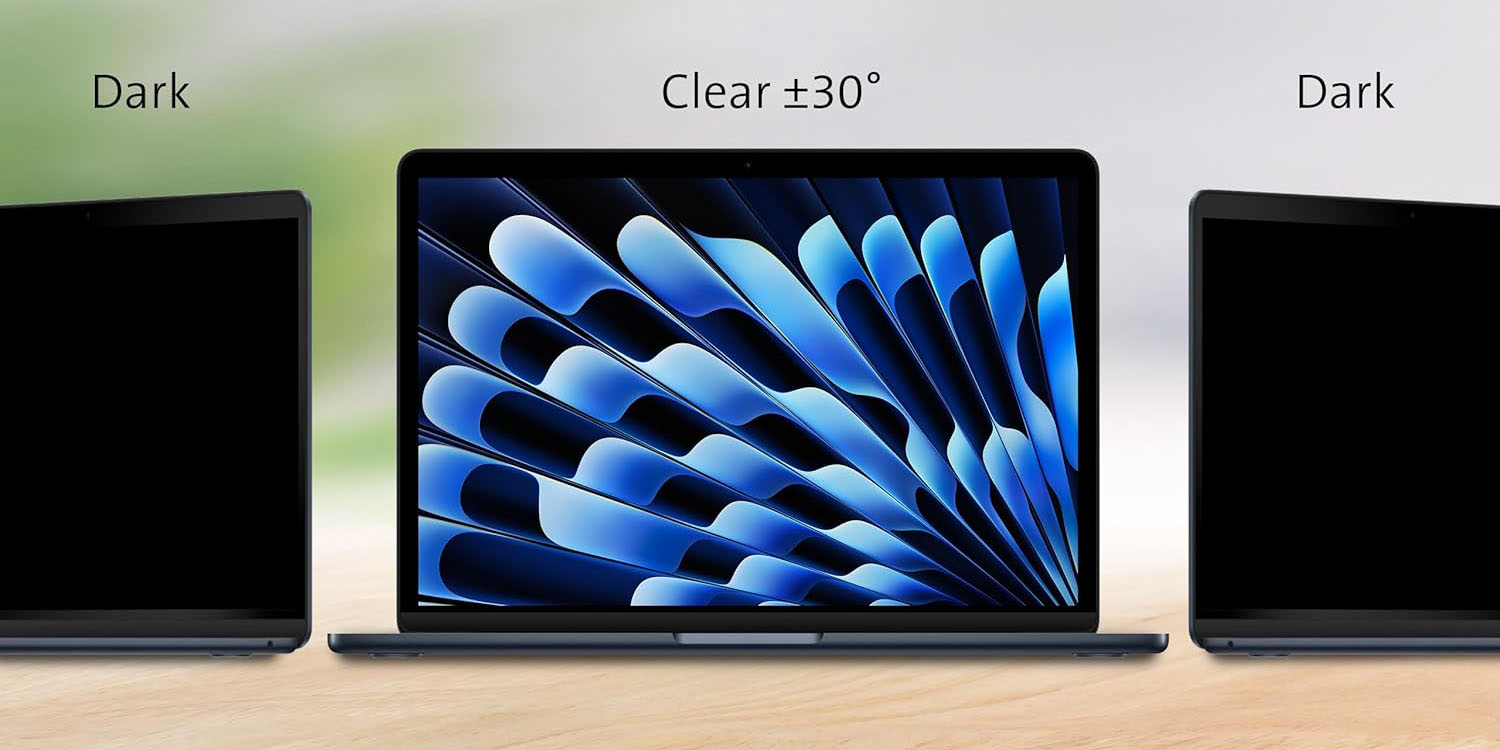
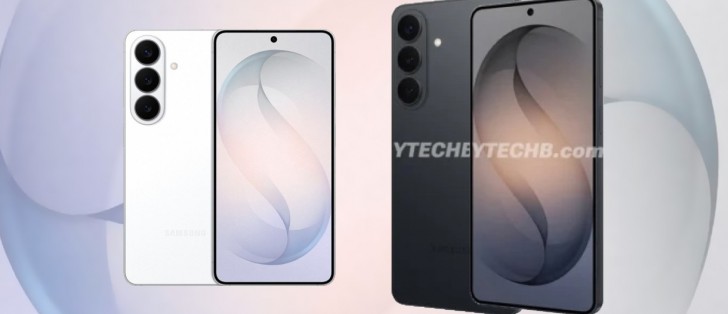
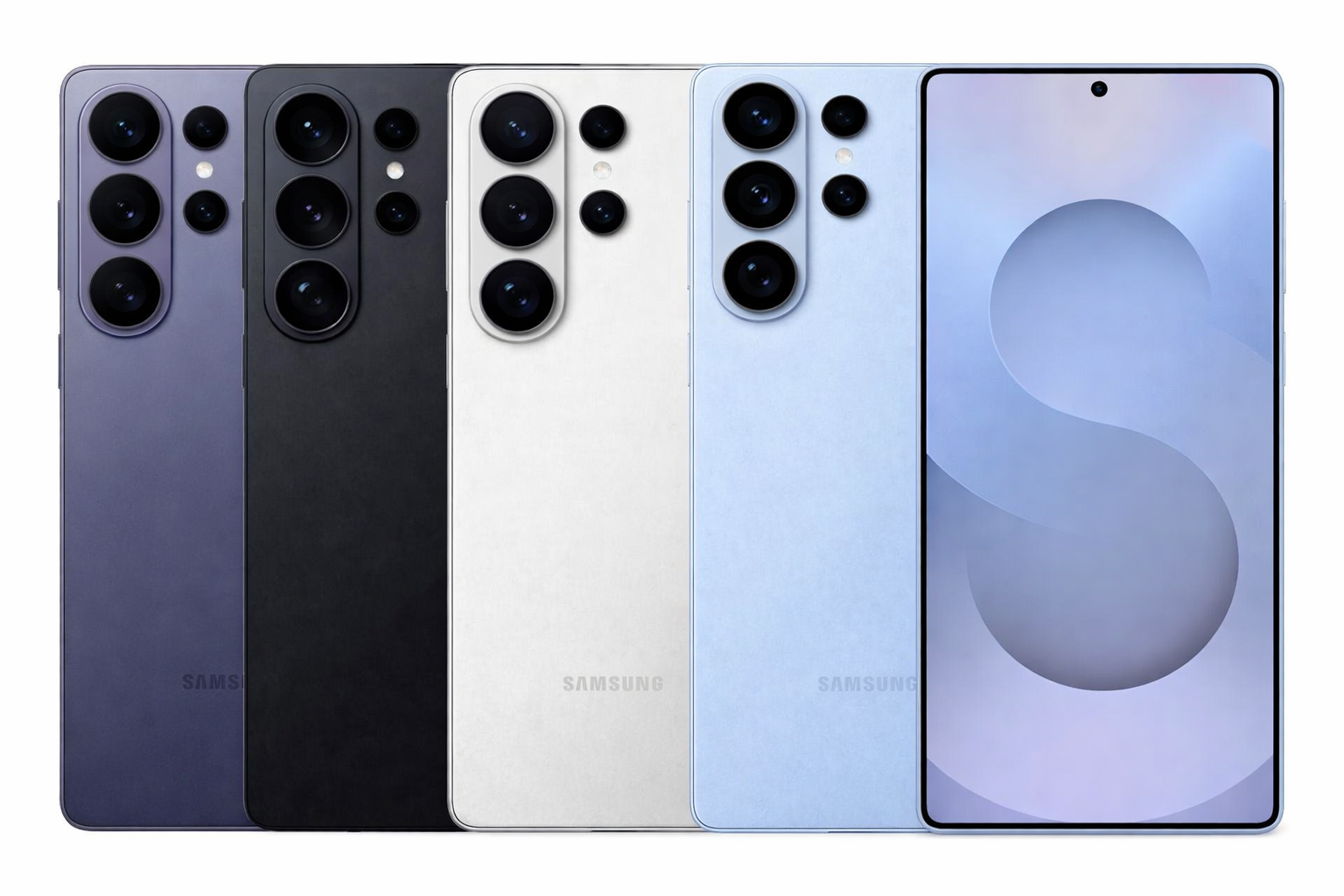
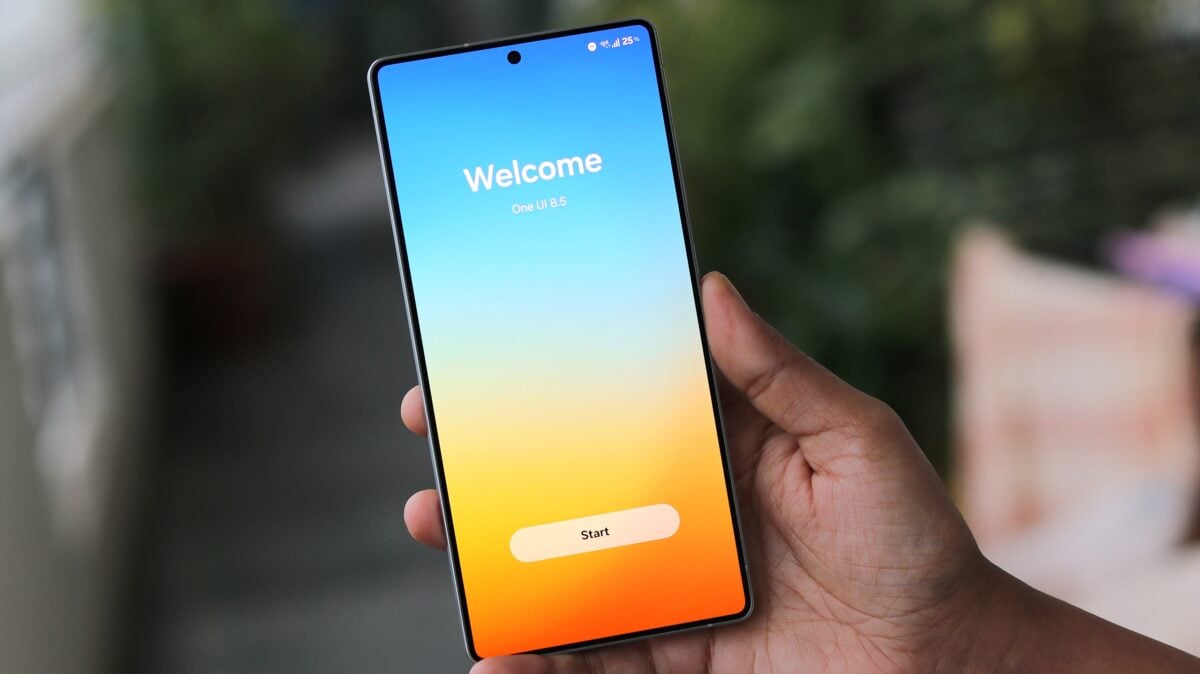
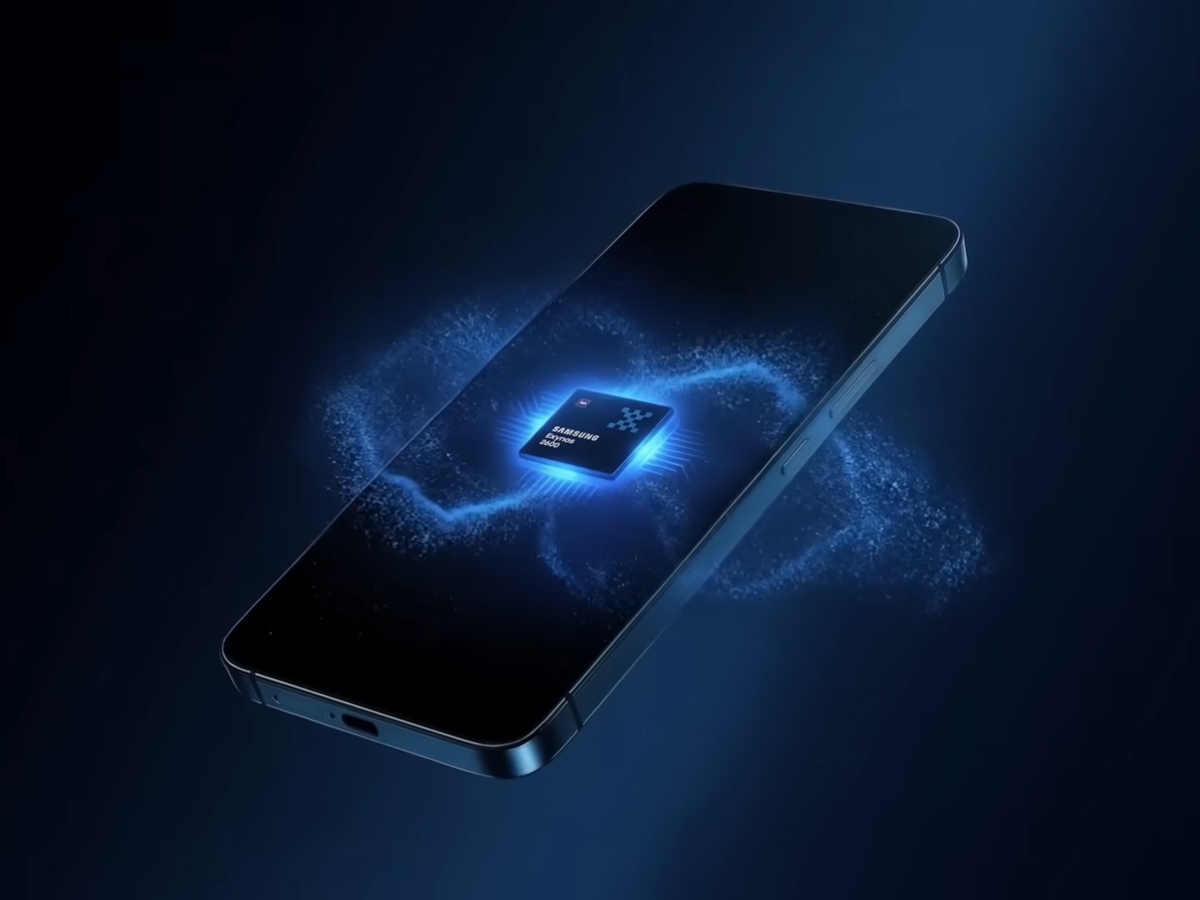
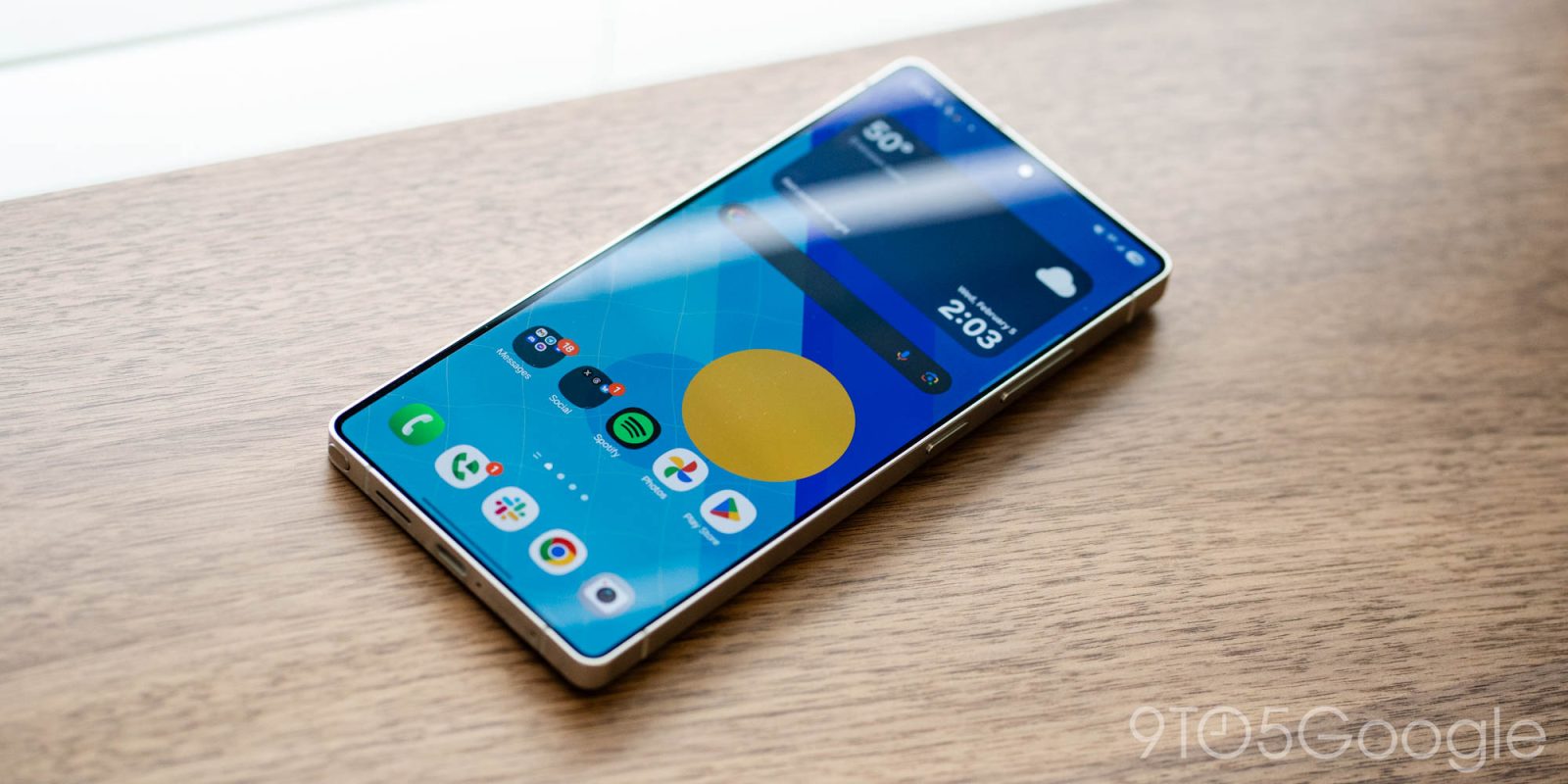
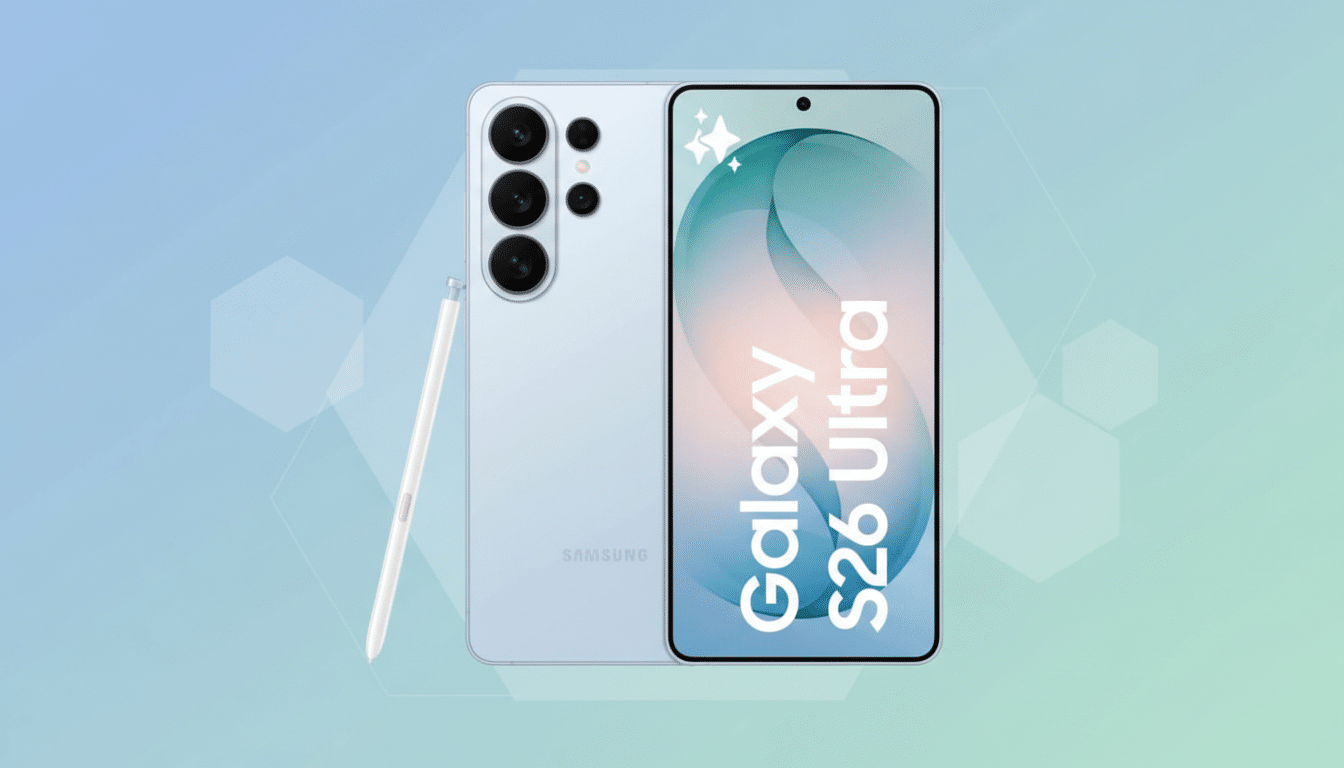
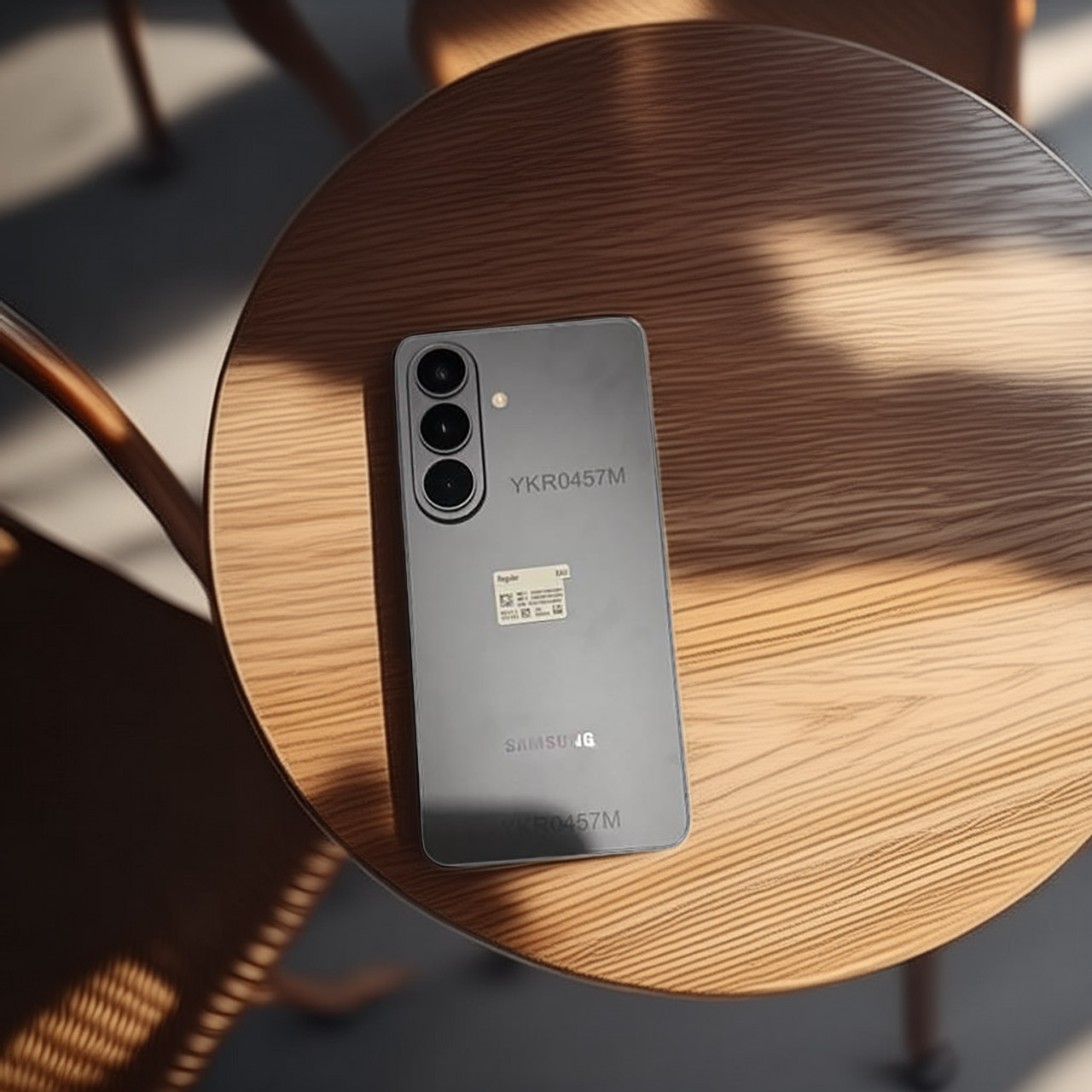
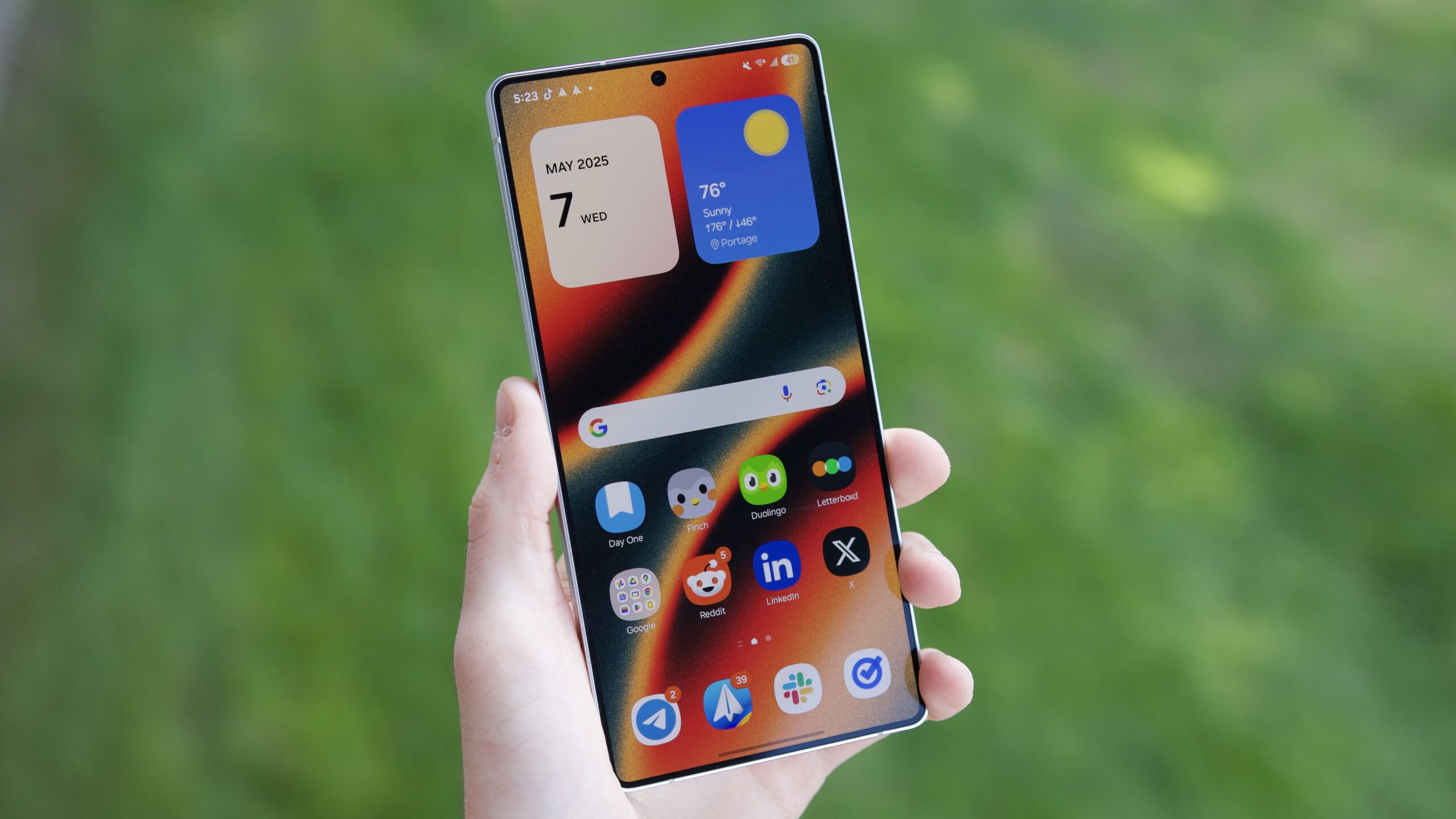
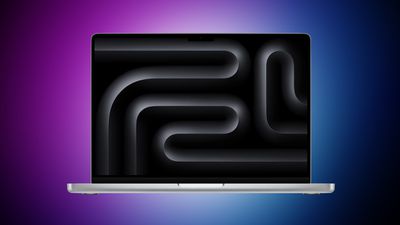
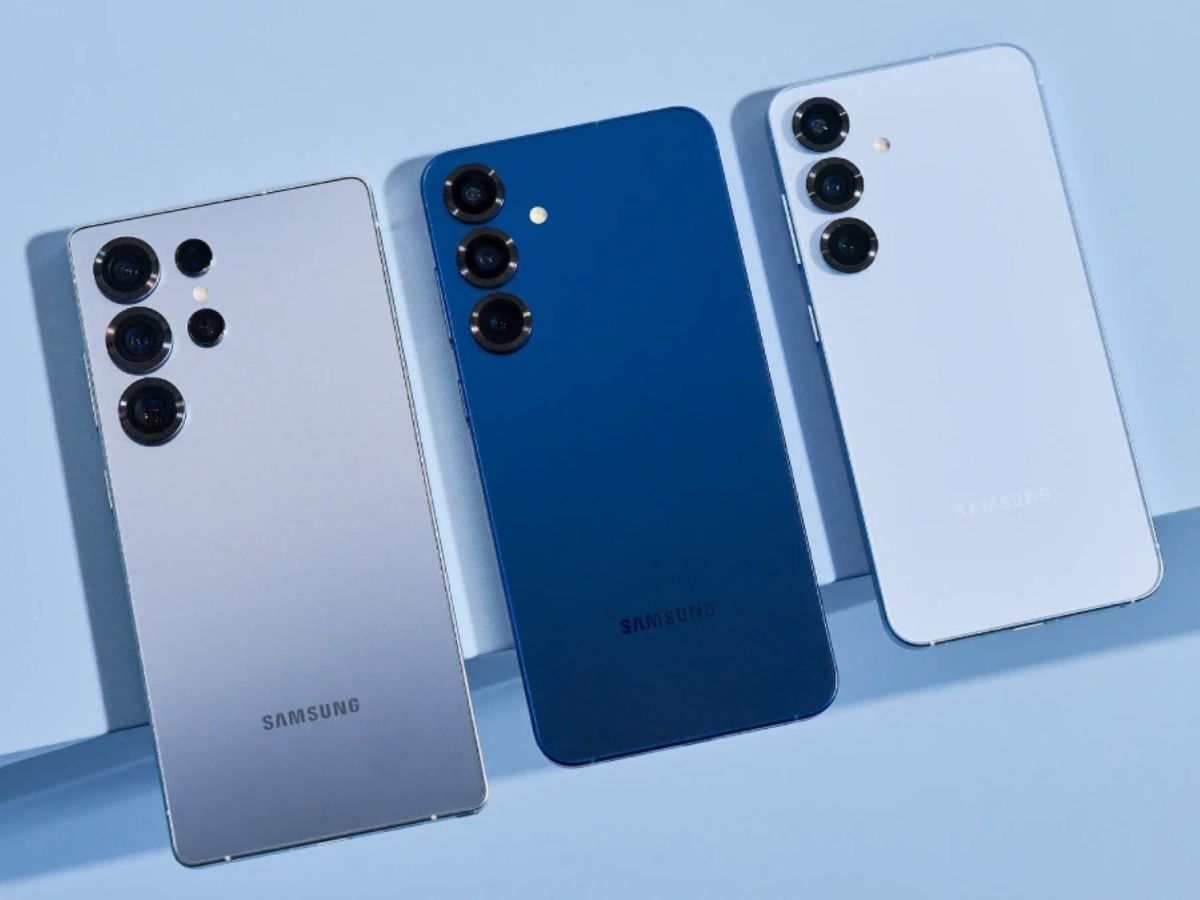
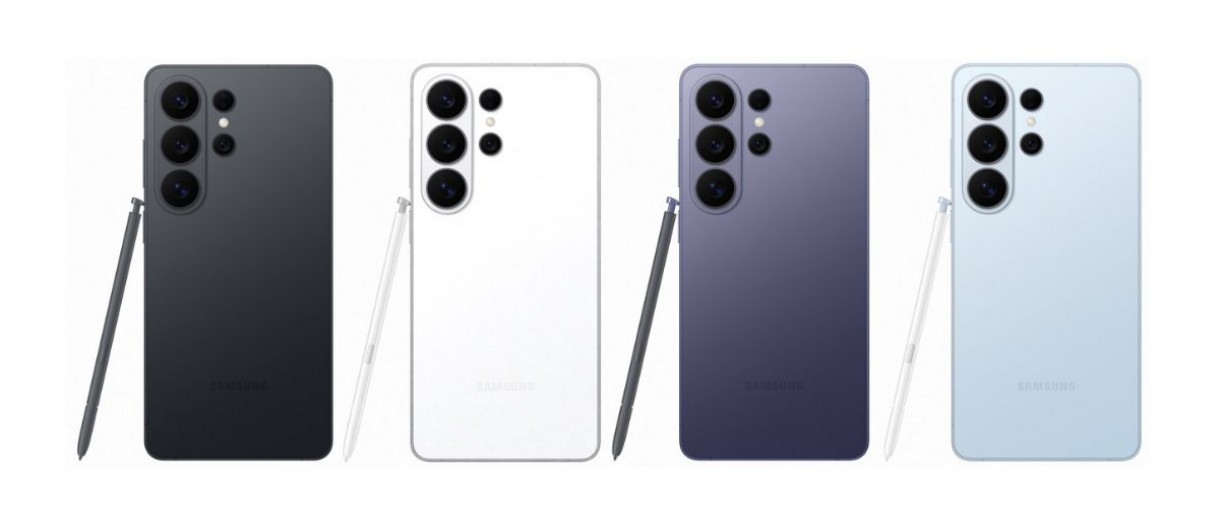
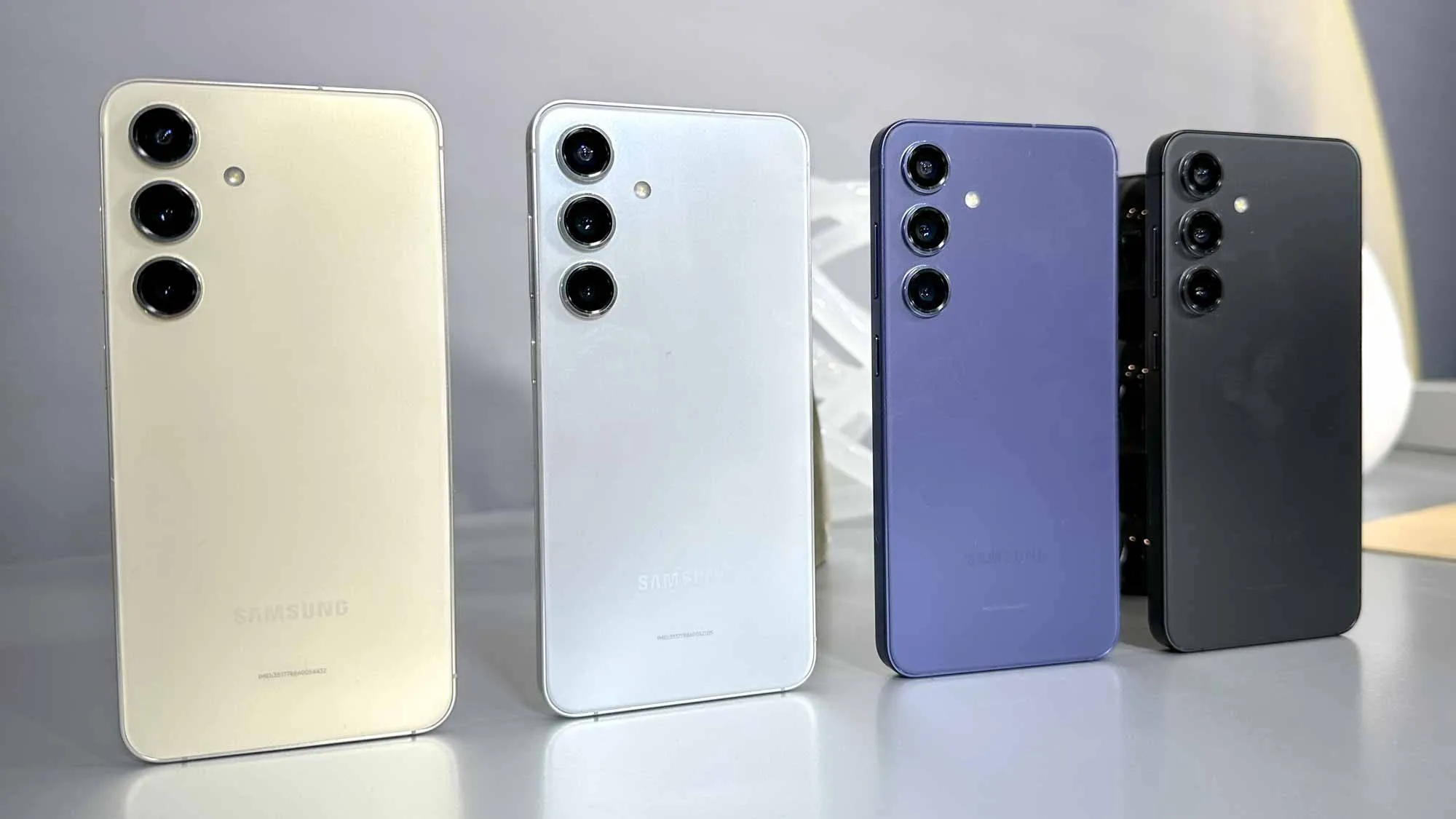
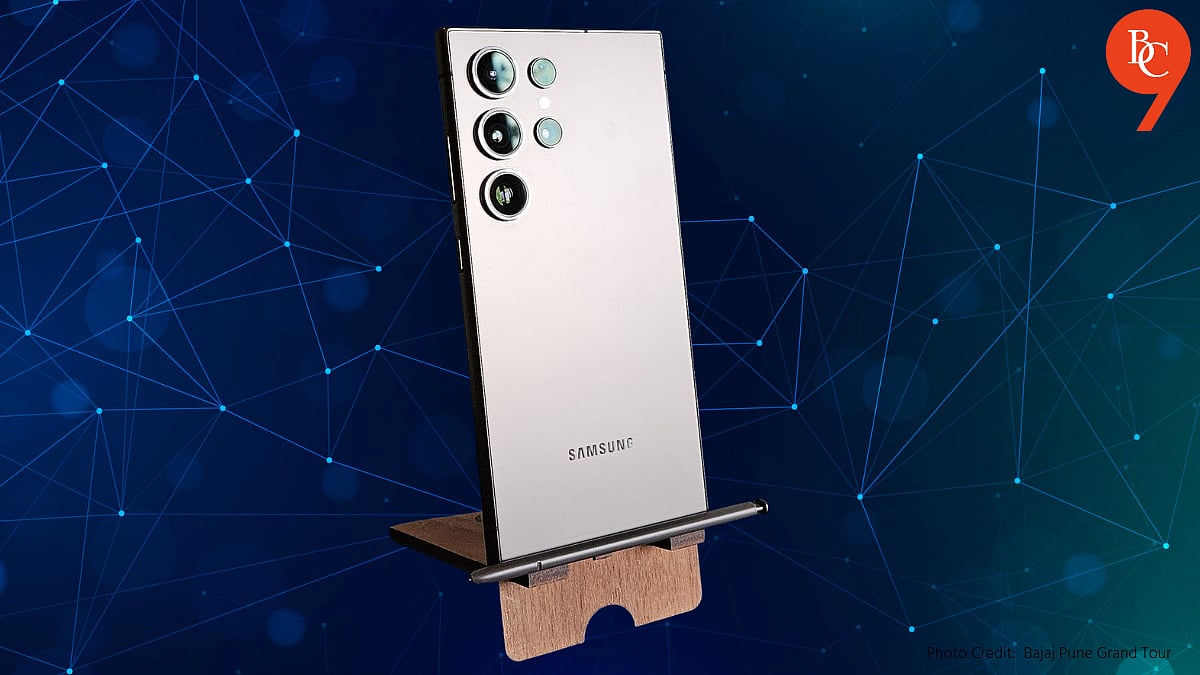
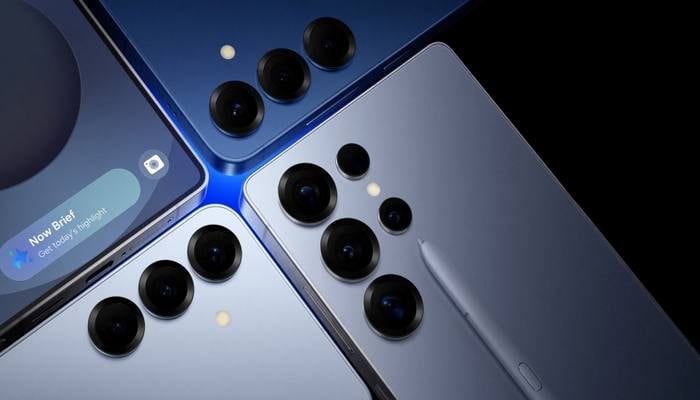
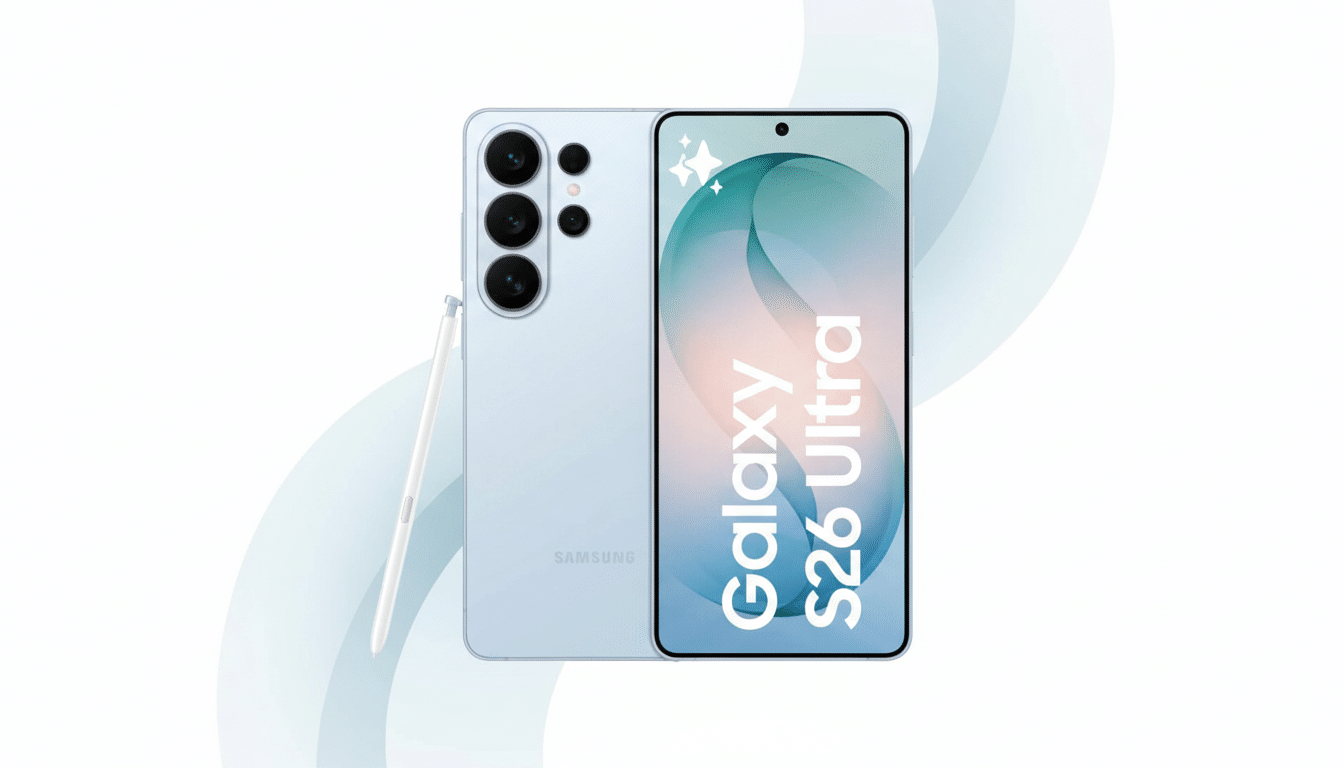
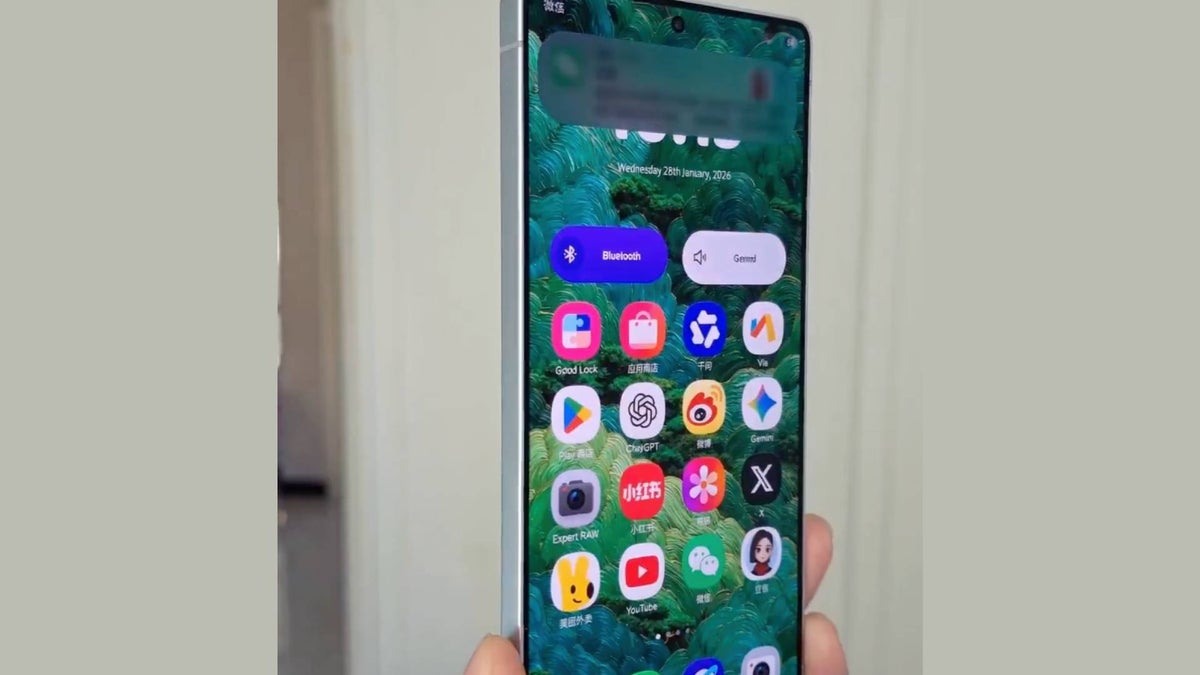
Privacy display technology is transitioning from niche feature to premium standard, with Apple planning MacBook integration by 2029 and Samsung launching Galaxy S26 Ultra privacy displays immediately. According to Omdia analysis, MacBook Pro receives OLED displays with privacy features in late 2026-early 2027, followed by MacBook Air, while Samsung's five-year development of Flex Magic Pixel OLED technology enables customizable privacy modes for applications, password entry, and notifications through Knox security platform. This 18-36 month adoption window creates immediate opportunities for cross-border sellers in three critical areas.
For premium laptop sellers, privacy becomes a mandatory competitive differentiator by 2027-2028. Sellers currently marketing business-class laptops, refurbished MacBooks, and enterprise computing solutions must immediately audit product listings to emphasize existing privacy capabilities—screen protectors, privacy filters, and physical privacy solutions—while preparing messaging for upcoming native privacy displays. Apple's 2023 patents targeting "shoulder surfing" prevention through curved display privacy films and adjustable viewing-angle technology using louvres or liquid crystal elements signal the company's commitment to this feature class. Sellers should begin A/B testing privacy-focused product descriptions, keywords like "privacy display," "shoulder surfing protection," and "secure viewing angle" in listings across Amazon, eBay, and Shopify to capture early demand from security-conscious enterprise buyers. This represents a 12-18 month SEO advantage window before privacy displays become standard.
Accessory sellers face category disruption and opportunity simultaneously. Current privacy screen protector and external privacy filter markets ($400-600M annually in cross-border sales) will contract 25-35% as built-in privacy becomes standard on premium devices by 2029-2030. However, sellers can pivot to complementary products: privacy-focused laptop bags with RFID blocking, privacy screen cleaning solutions optimized for OLED displays, and privacy-enhancing software bundles. Samsung's Knox security platform integration suggests sellers should develop privacy-software bundles combining VPN services, password managers, and privacy browsers—high-margin digital products with 60-80% gross margins. Sellers with existing privacy accessory inventory should begin liquidation planning by Q2 2025, reallocating capital to software and services categories where margins remain strong through 2029-2030 transition period.
Data-driven sellers can leverage AI to predict regional adoption patterns and optimize inventory allocation. Using AI analysis of OLED panel supply chains, tariff classifications, and regional device pricing, sellers can forecast which markets receive privacy displays first (likely US/EU premium segments in 2026-2027, followed by Asia Pacific in 2027-2028). Cross-border sellers should implement predictive pricing models that adjust laptop and accessory pricing based on privacy feature availability by region and timeline. AI-powered competitive intelligence tools can monitor Apple and Samsung patent filings, supply chain announcements, and carrier partnerships to identify exact launch windows 6-12 months before official announcements, providing 90-180 day first-mover advantages in listing optimization and inventory positioning.
Questions 8
What are the cost implications for sellers updating product listings for privacy features?
Updating listings for privacy-focused keywords and descriptions costs $50-150 per ASIN across Amazon, eBay, and Shopify platforms, with typical implementation taking 2-4 weeks for 100+ product SKUs. However, early optimization provides 12-18 month SEO advantage windows before privacy displays become standard, potentially increasing click-through rates 15-25% and conversion rates 8-12% among security-conscious enterprise buyers. A/B testing privacy-focused messaging requires $200-500 monthly in PPC budget allocation but typically yields 200-300% ROI through improved product positioning. For sellers with 500+ SKUs in laptop and accessory categories, total optimization investment of $5,000-15,000 generates $50,000-150,000 in incremental revenue through 2026-2027 adoption window.
How should sellers position existing privacy screen protectors during the 2026-2029 transition?
Position existing privacy screen protectors as interim solutions for current device owners (2025-2027) while emphasizing upcoming built-in privacy displays in premium laptop listings. Create bundled offerings combining privacy protectors with privacy-focused software (VPN, password managers) to increase average order value and margins. Develop messaging targeting older device owners and budget-conscious buyers who won't upgrade to privacy-display devices until 2028-2030. By Q2 2025, begin liquidation planning for excess privacy protector inventory, reallocating capital to privacy-software bundles and complementary products (privacy bags, cleaning solutions). This staged approach maintains revenue streams through transition period while positioning sellers for higher-margin software and services categories by 2027-2028.