

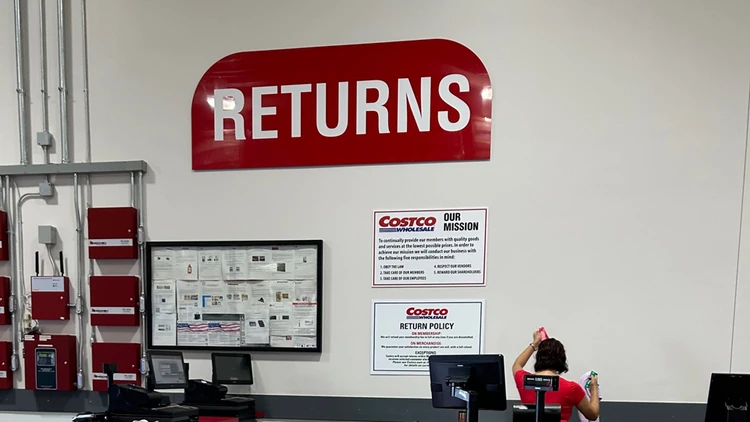
Costco Return Policy Overhaul 2026 | Retail Shift Signals $103B Fraud Crisis
- Costco ends no-questions-asked returns by February 2026; requires receipts, proof of purchase; affects electronics, jewelry, perishables; mirrors Amazon/Walmart tightening amid $103B annual retail fraud




Overview
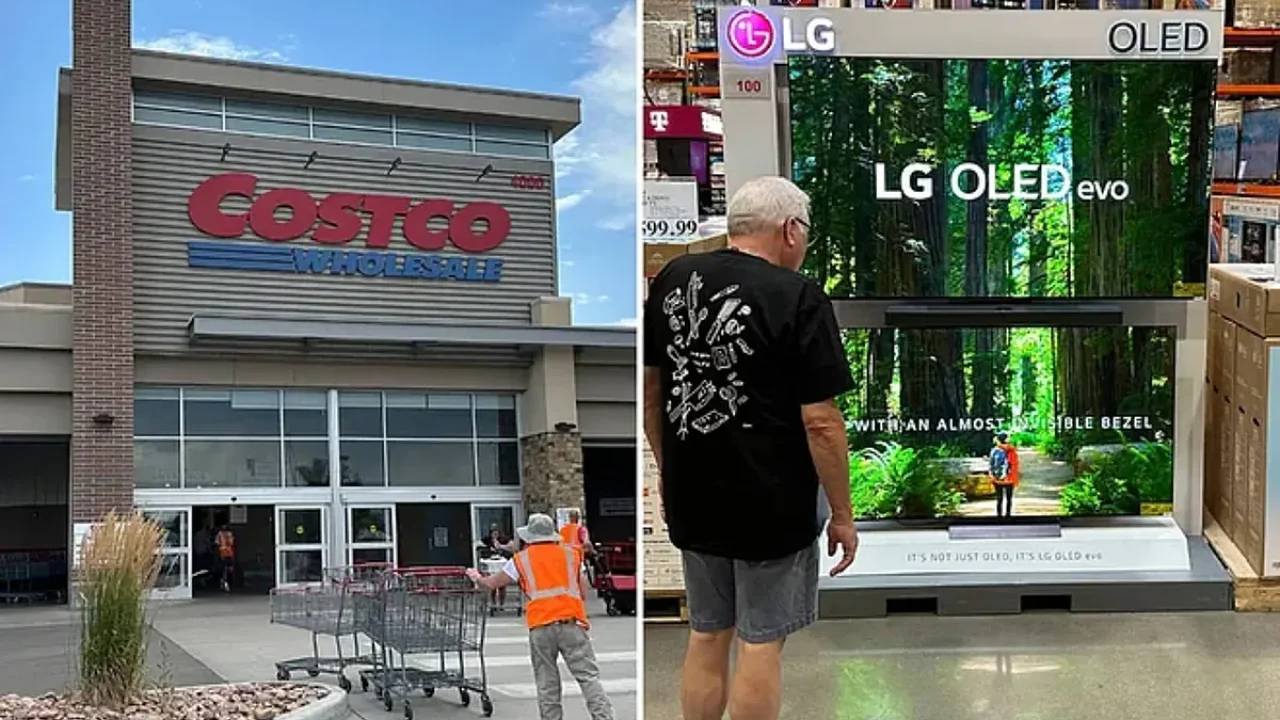
Costco's historic return policy—once a defining competitive advantage—is undergoing a fundamental transformation that signals a broader retail industry reckoning with return fraud costing U.S. retailers approximately $103 billion annually (15% of all returns in 2024, per Appriss Retail and Deloitte data). As of February 2026, the warehouse giant is ending its decades-long no-questions-asked policy and implementing mandatory receipt requirements, proof of purchase documentation, and stricter enforcement on high-value categories including electronics (90-day limit) and jewelry (48-hour window with original paperwork). This shift directly mirrors policy tightening at Amazon and Walmart, indicating industry-wide recognition that lenient return policies have become unsustainable.
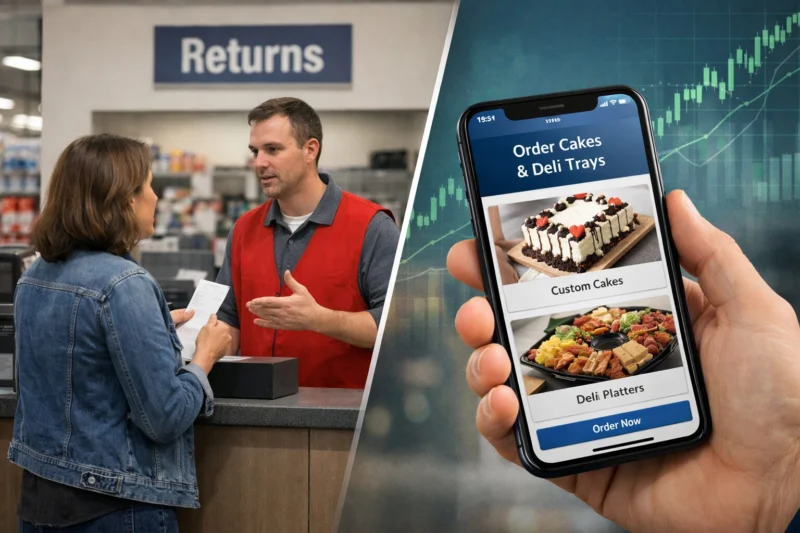
The operational impact is immediate and multi-layered. Costco staff are now actively questioning customers about return frequency and enforcing unofficial refund thresholds—one member reported being asked to cancel membership after accumulating five figures in returns. Perishable food returns face new restrictions once items leave the warehouse, exemplified by a denied return on unopened bone-in goat meat. These enforcement mechanisms represent a departure from Costco's customer-centric brand positioning, yet leadership frames the changes as necessary to "maintain competitive pricing" by reducing fraud losses. The transition also includes modernization of custom product ordering (cakes, deli trays) through the Costco mobile app, replacing paper-based in-store forms—a digital transformation that reduces processing friction while enabling better return tracking.
For sellers and brands supplying Costco, this policy shift creates both risks and opportunities. The stricter return environment reduces the "risk-free trial" advantage that previously drove Costco member purchasing behavior, particularly for high-ticket electronics and specialty items. Brands selling through Costco must now anticipate lower return rates, which improves inventory predictability but reduces the psychological safety net that encouraged trial purchases. Conversely, sellers can capitalize on Costco's digital ordering modernization by developing mobile-optimized product presentations and leveraging the reduced return friction to improve margins. The policy change also signals that Costco members—despite mixed reactions—continue shopping at the retailer, indicating brand loyalty remains strong even as the value proposition shifts. Sellers should monitor whether Costco's stricter policies drive member migration to competitors or strengthen the retailer's position by reducing fraud-driven price inflation.
Strategic implications extend to cross-border and third-party sellers. Costco's emphasis on documentation and proof of purchase creates barriers for sellers relying on informal or international supply chains. The 90-day electronics window and 48-hour jewelry return window align with industry standards but may disadvantage sellers of specialty or imported goods with longer fulfillment cycles. Brands should prepare inventory and logistics strategies assuming lower return rates, potentially allowing for more aggressive pricing or promotional strategies to offset the loss of the "risk-free" purchase incentive. The digital ordering transition also suggests Costco is investing in supply chain visibility—sellers should expect increased data sharing requirements and SKU-level performance monitoring to support the retailer's fraud prevention efforts.
Questions 7
Why is Costco tightening its return policy after decades of no-questions-asked returns?
Costco is responding to the $103 billion annual retail fraud crisis (15% of all returns in 2024) by implementing stricter enforcement on high-value categories and requiring proof of purchase starting February 2026. The policy change mirrors similar tightening at Amazon and Walmart, indicating industry-wide recognition that lenient returns have become financially unsustainable. Costco leadership states the changes protect the company's ability to maintain competitive pricing by reducing fraud losses. However, the shift also reflects customer abuse patterns—one member was questioned about canceling membership after accumulating five figures in returns—suggesting Costco identified systematic exploitation of its no-questions-asked policy.
How does Costco's new return policy compare to Amazon and Walmart's approaches?
All three retailers are tightening return policies due to rising fraud losses, but with different enforcement mechanisms. Costco now requires proof of purchase and monitors return frequency, while Amazon enforces category-specific windows (electronics, jewelry) and Walmart emphasizes receipt requirements. The convergence signals industry consensus that unlimited returns are no longer viable. Costco's approach is notable for its active staff questioning about return patterns—one customer reported being asked if they wanted to cancel membership—suggesting more aggressive fraud detection than competitors. Despite these changes, Costco members continue shopping at the retailer, indicating brand loyalty remains strong even as the value proposition shifts toward stricter enforcement.