



College Football Coaching Transitions Signal Strategic Talent Reshuffling
- Emerging leadership changes reveal deeper dynamics in collegiate athletic management































.jpeg)









































Overview
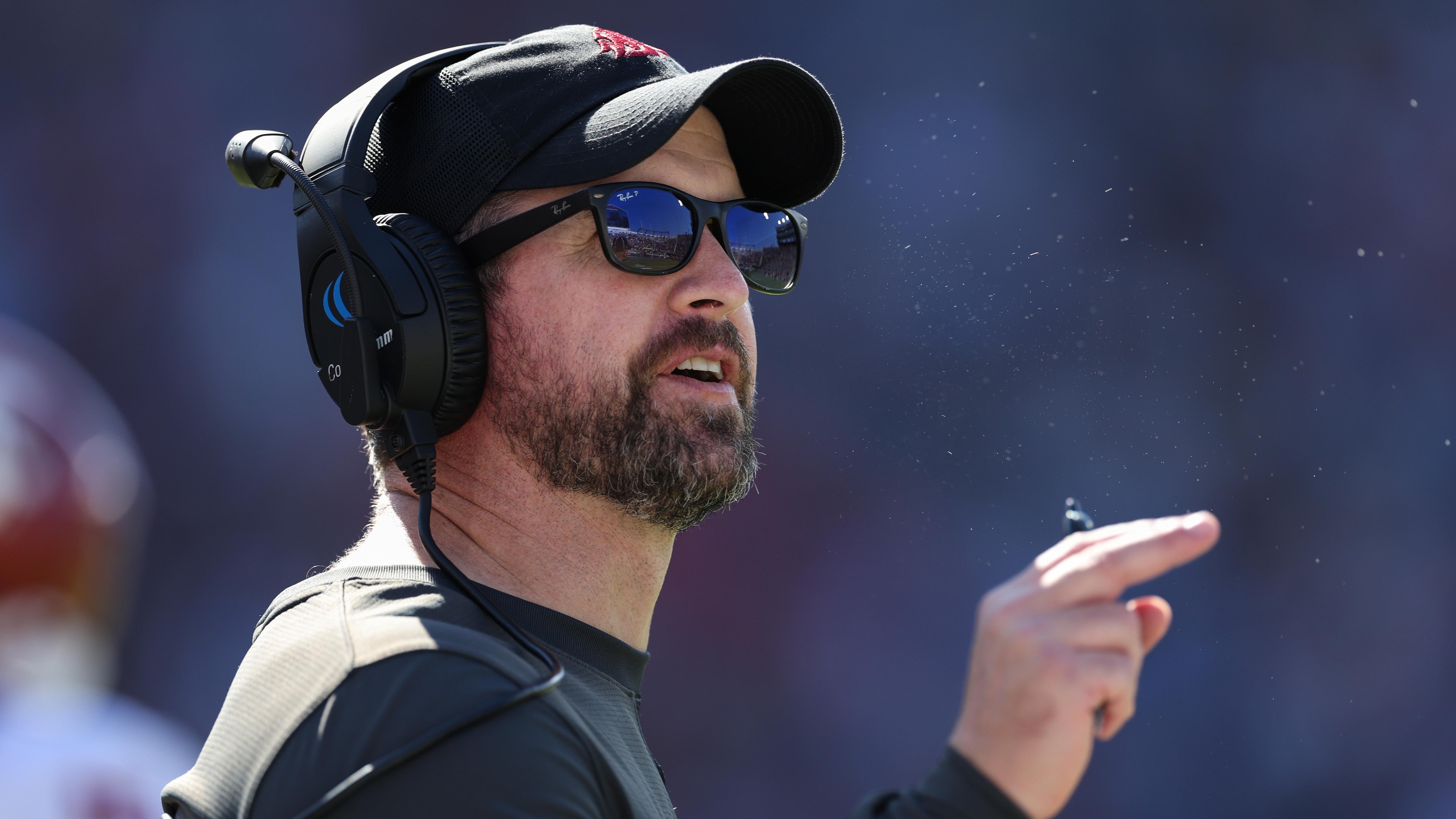
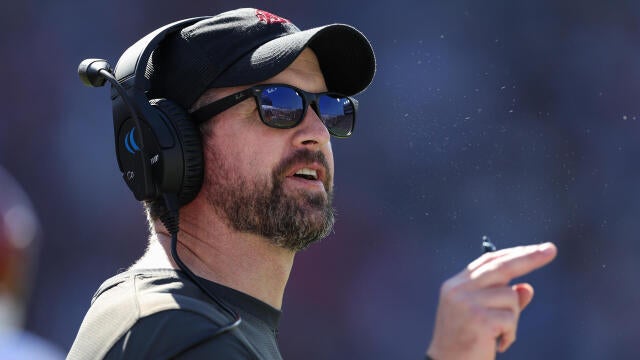
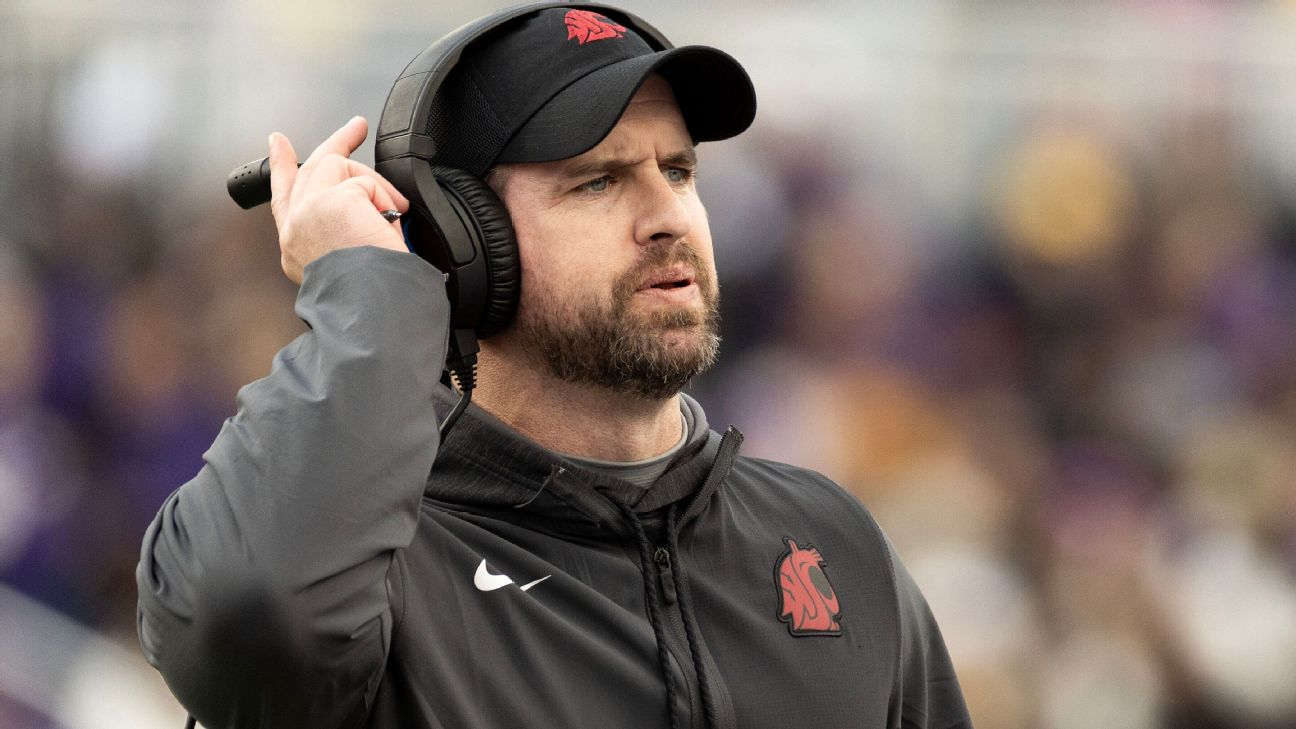
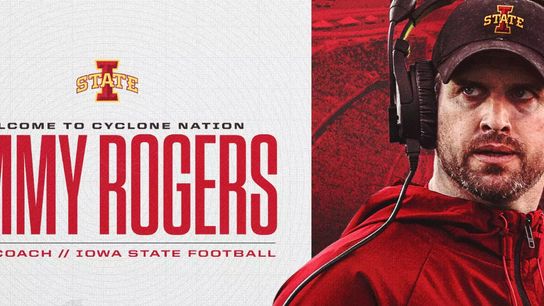
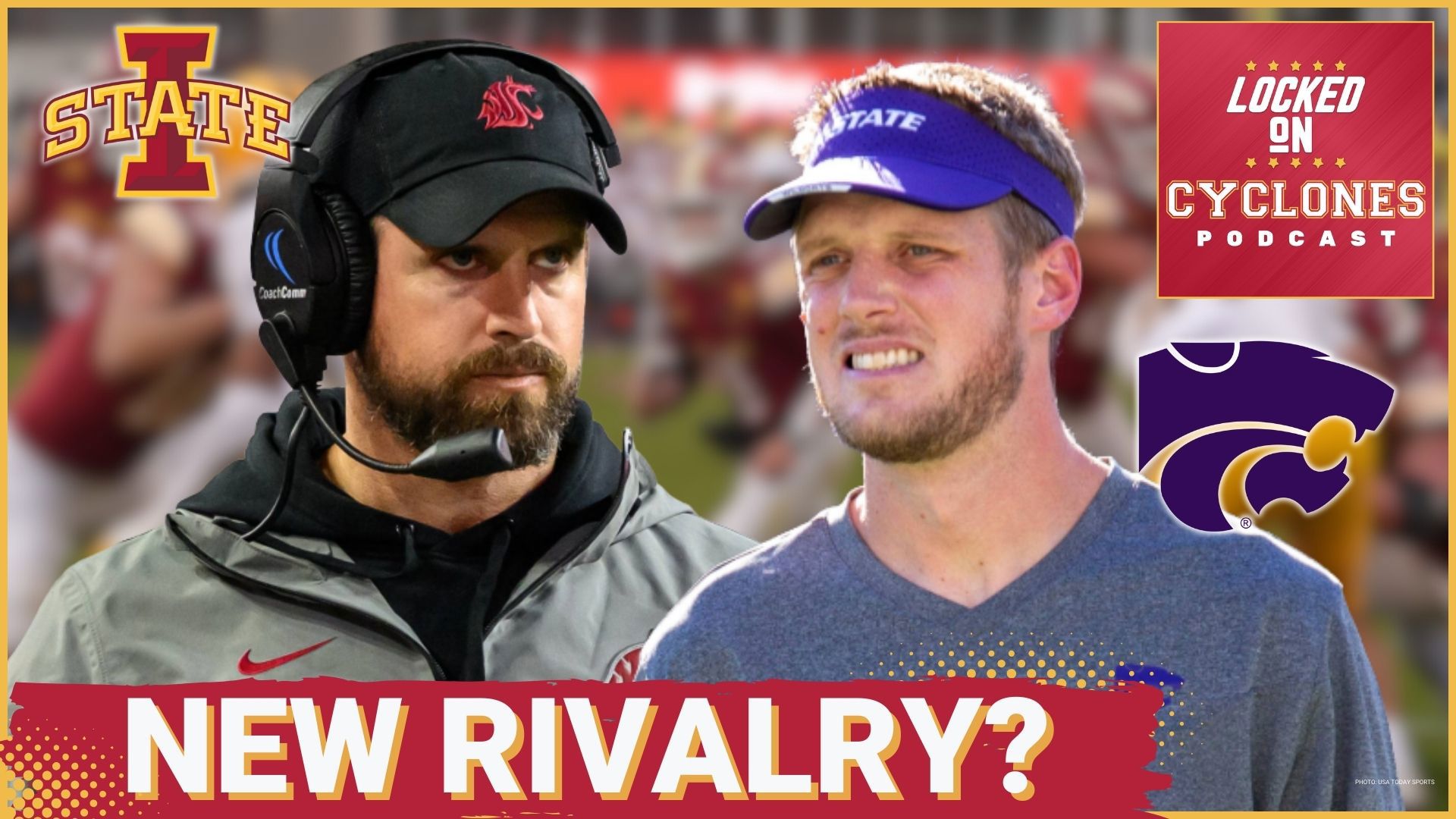
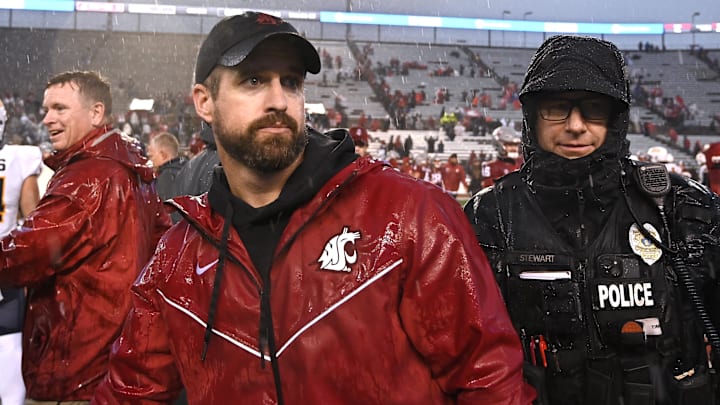
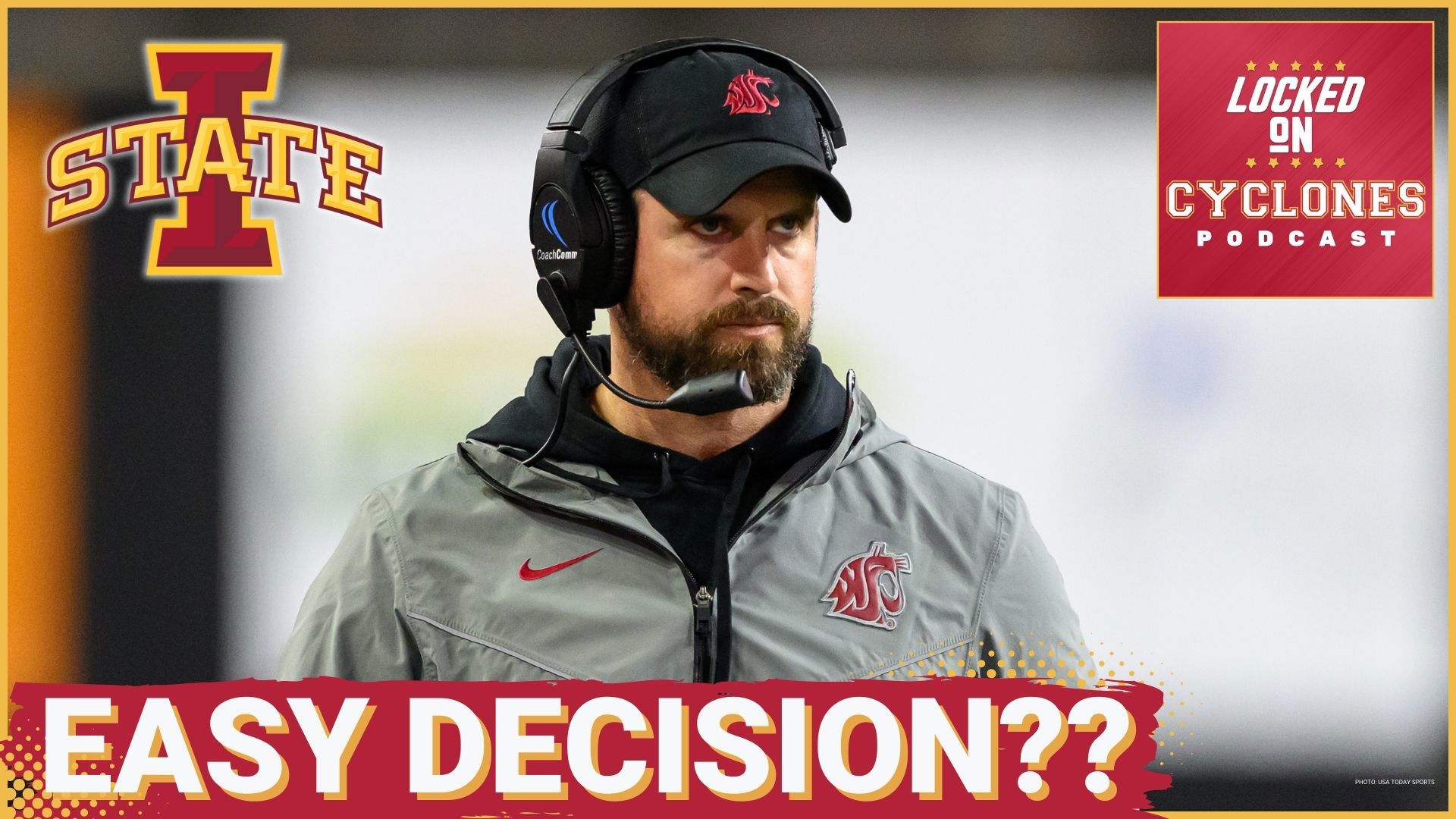
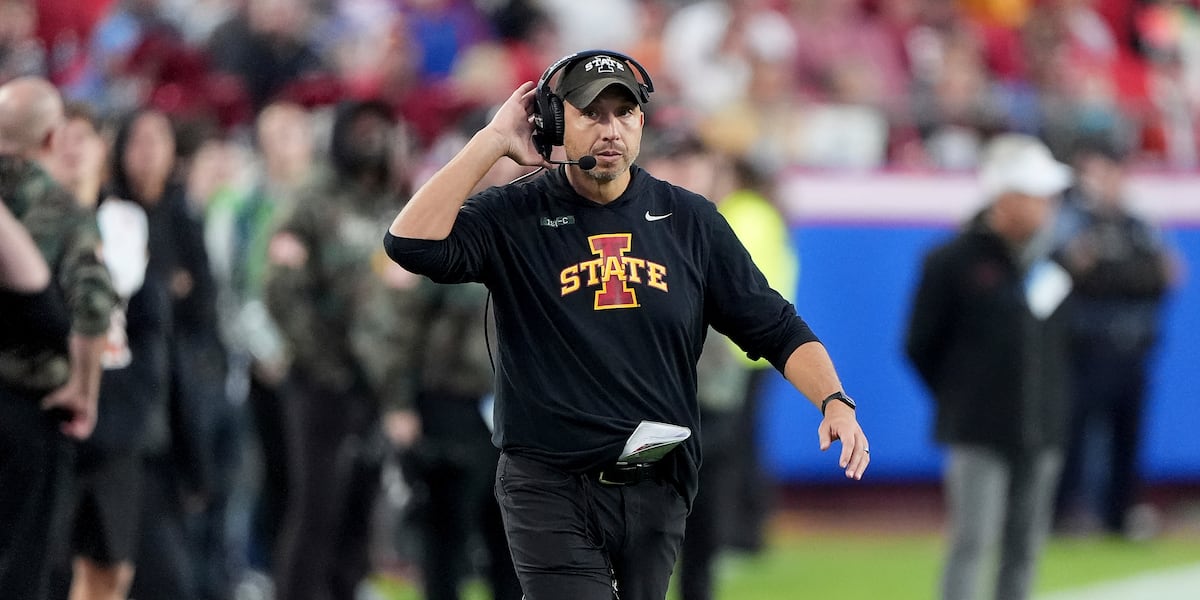
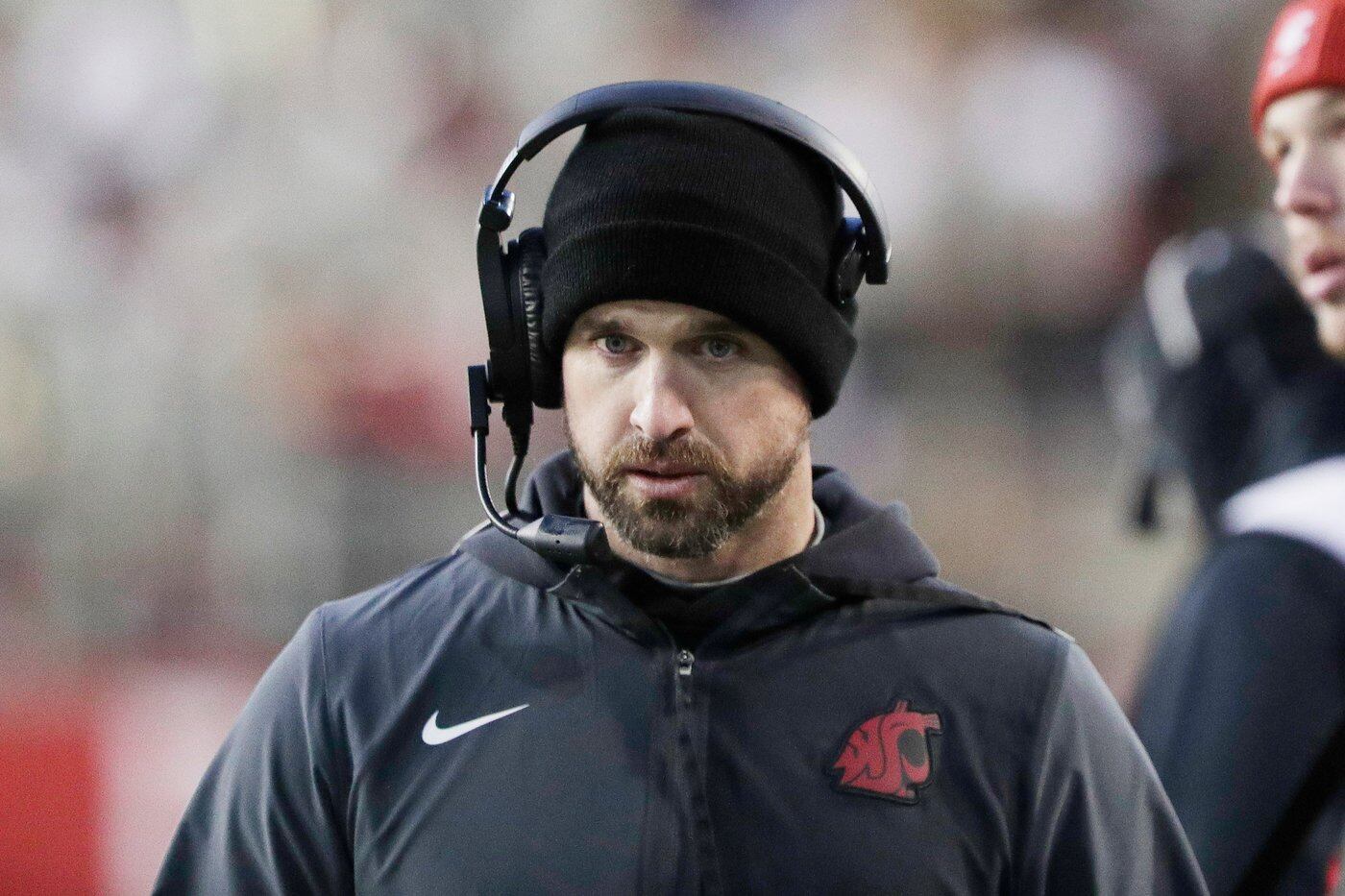
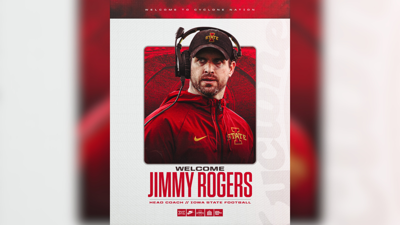
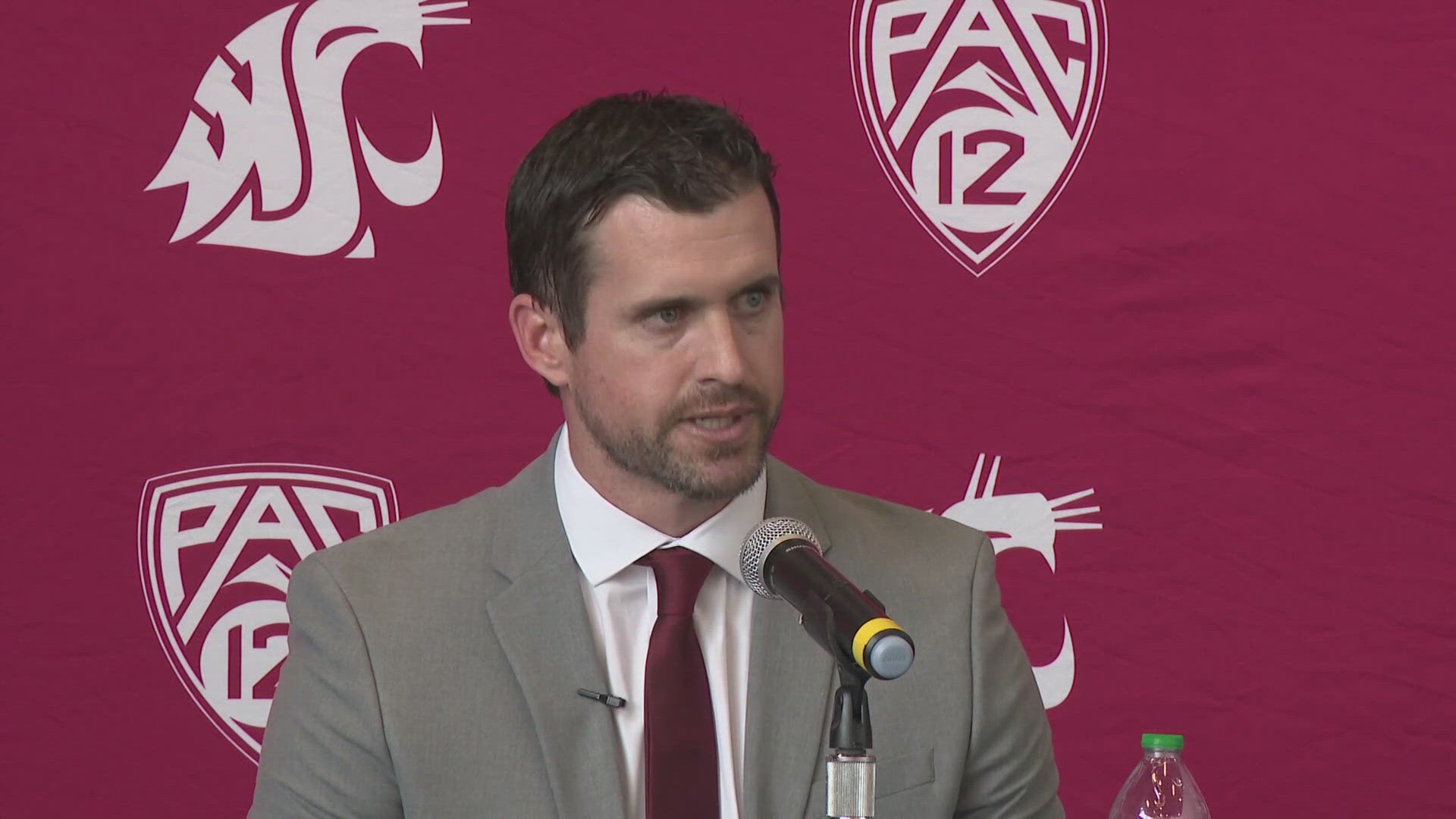
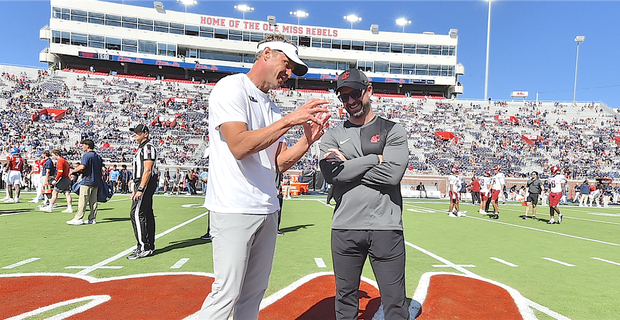
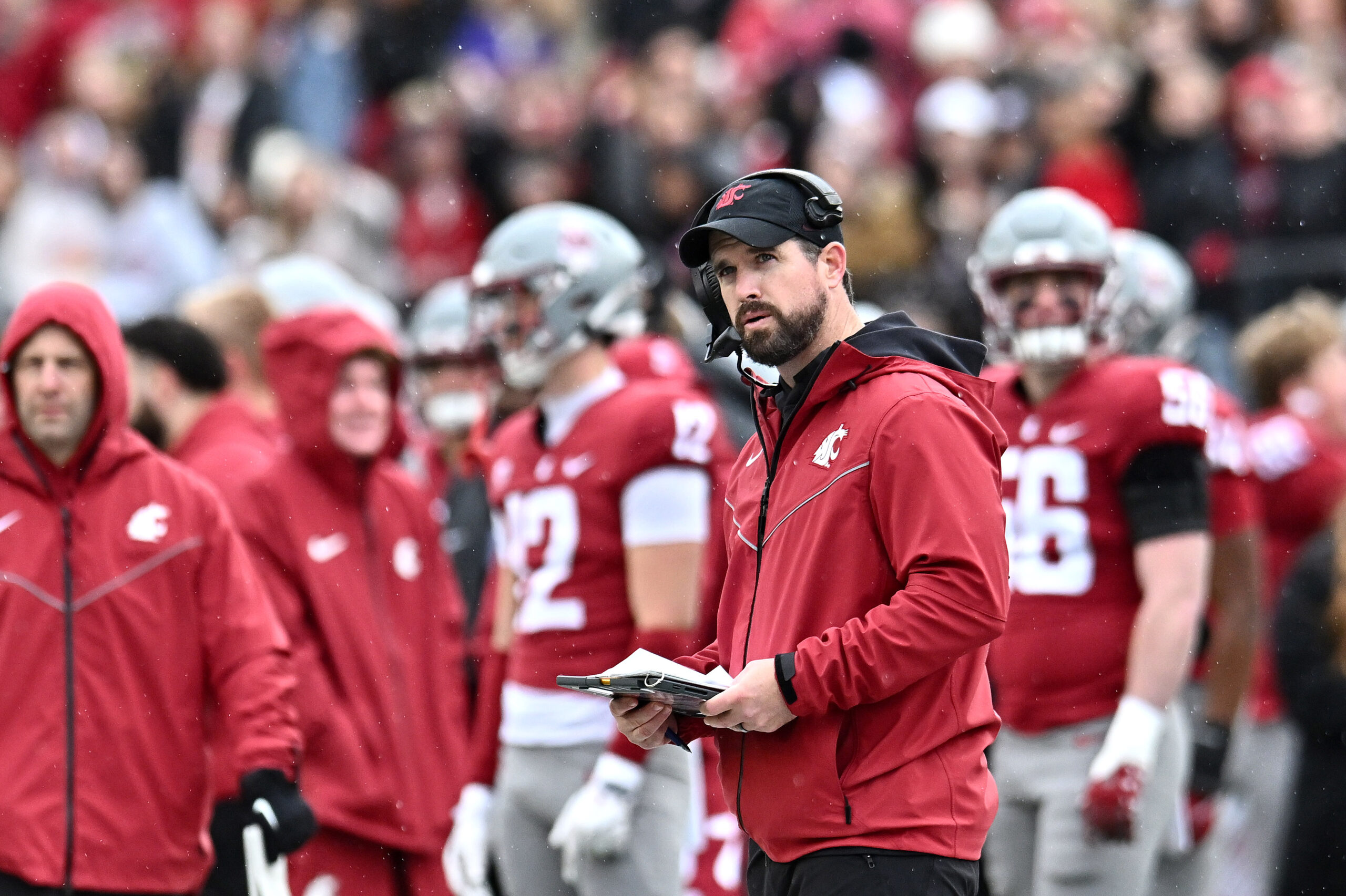
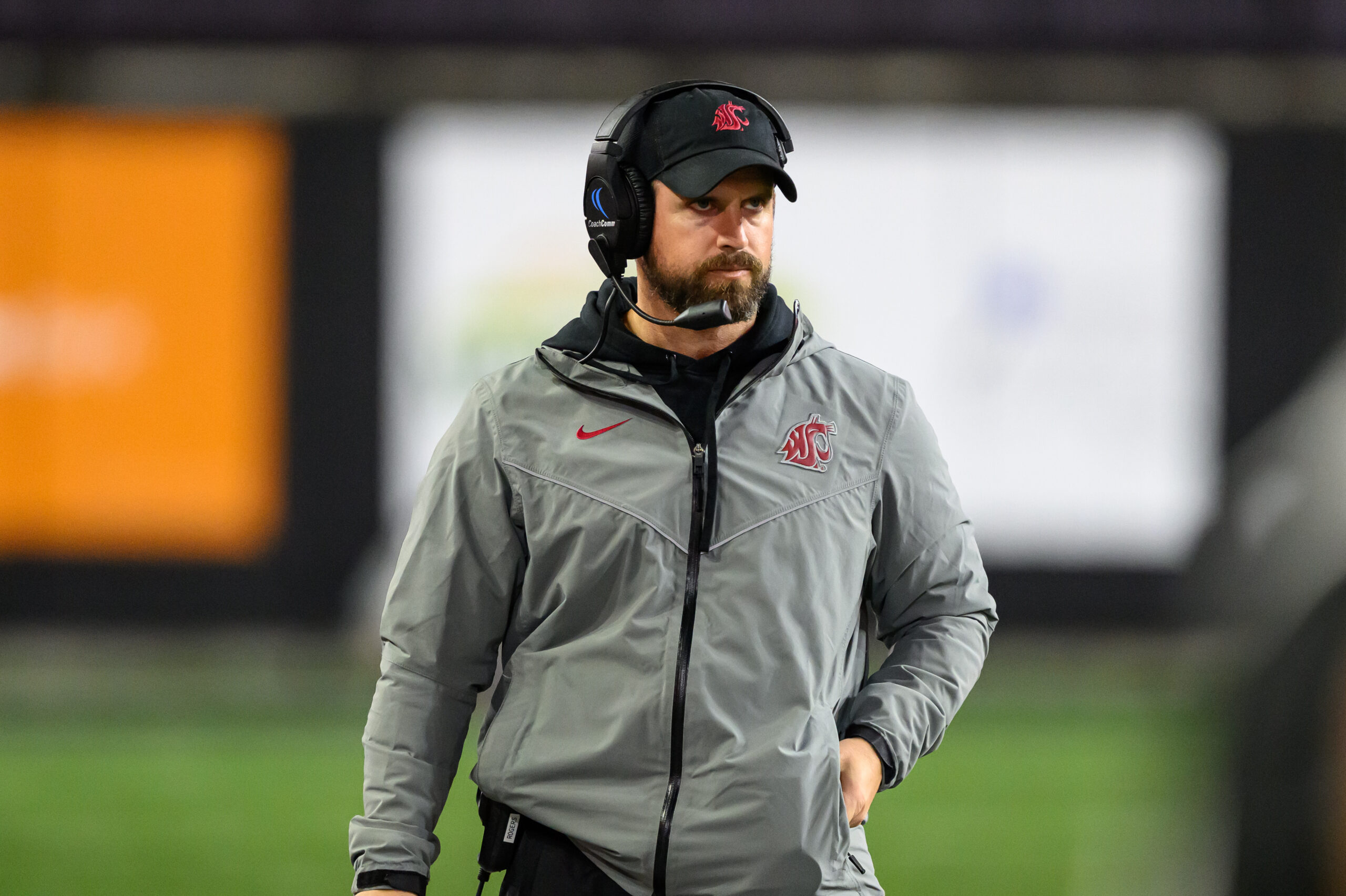
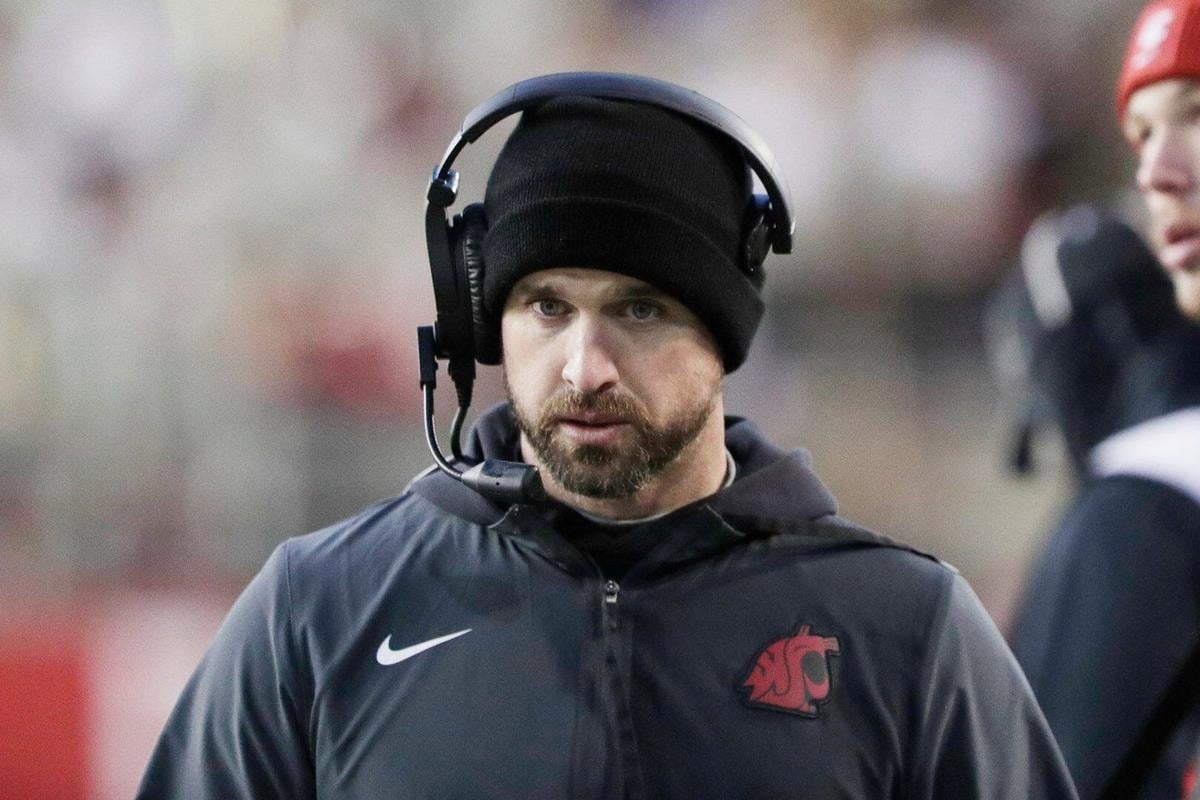
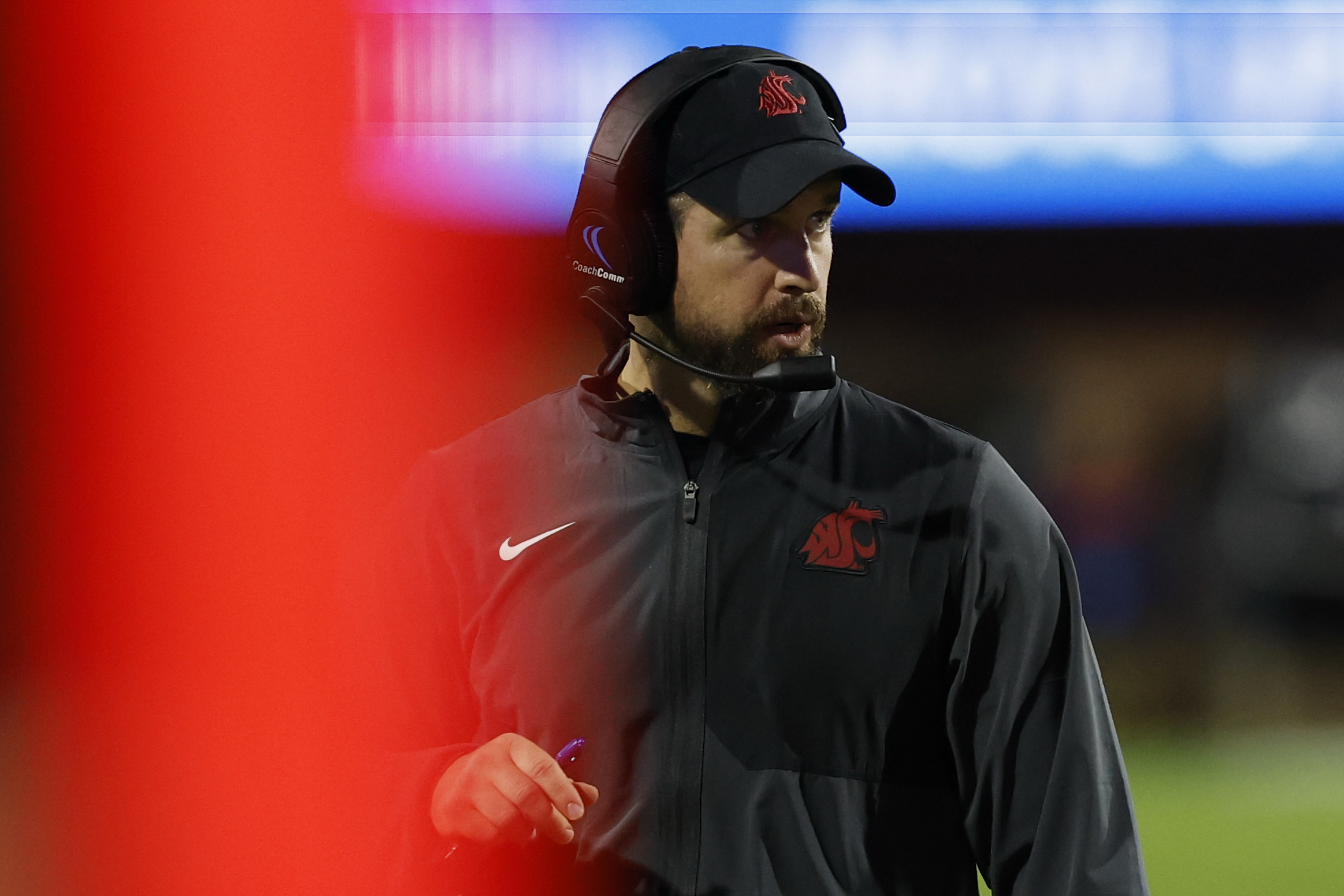
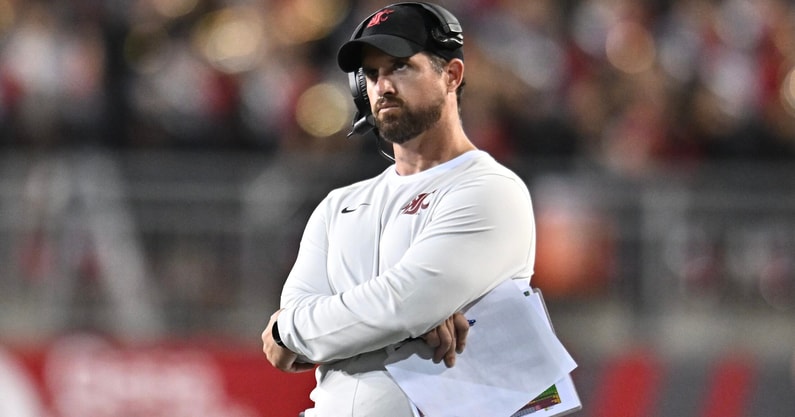
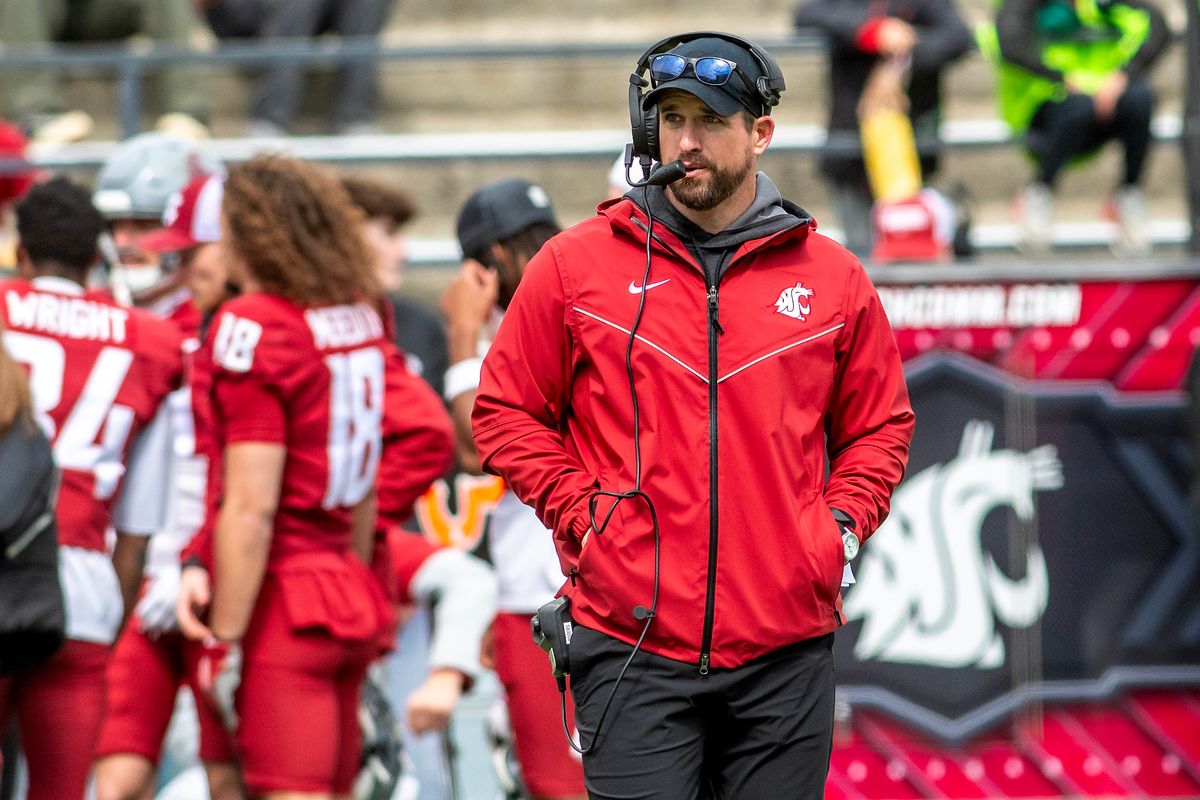
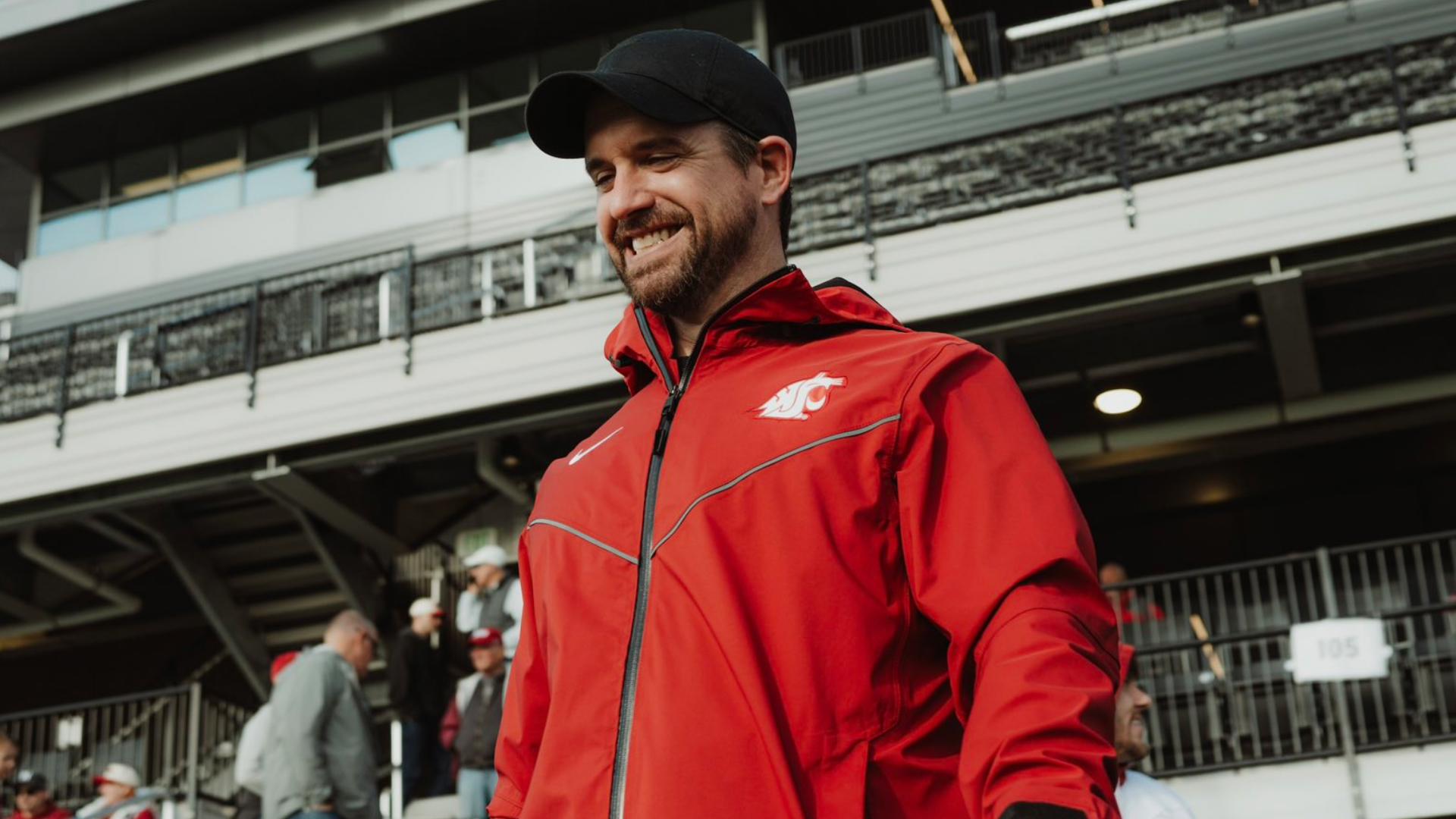
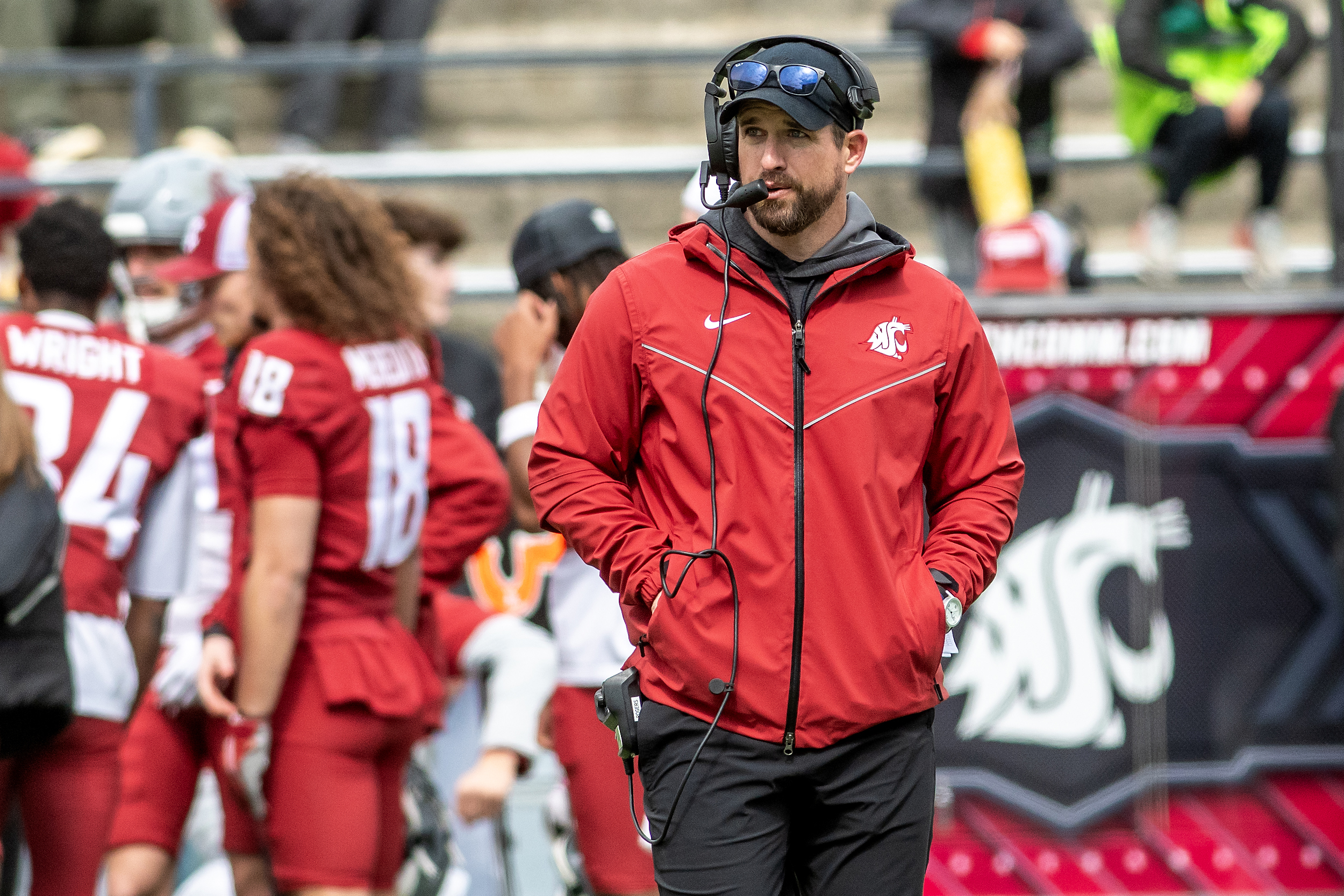
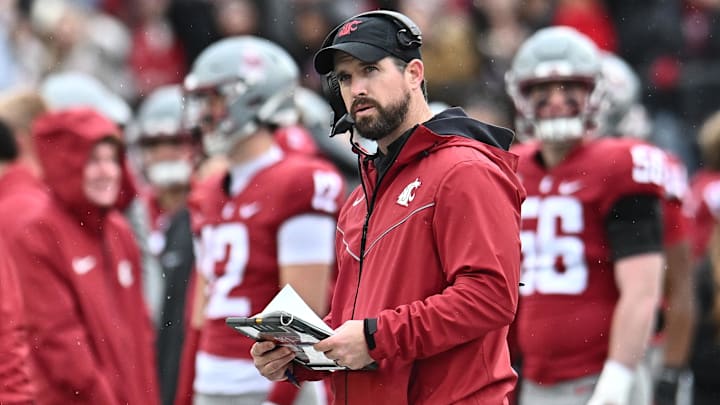
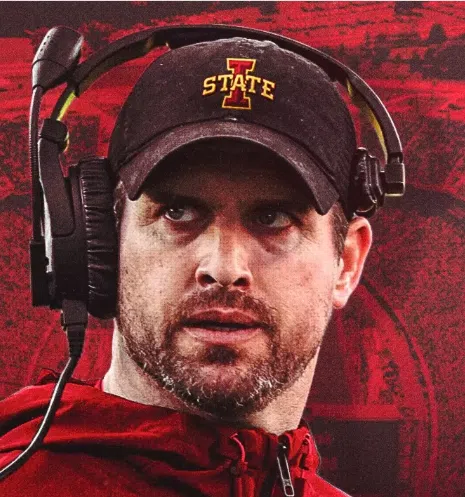
Collegiate sports leadership dynamics are experiencing a nuanced transformation, exemplified by Iowa State's strategic coaching transition. The hiring of Jimmy Rogers from Washington State to replace Matt Campbell represents more than a simple personnel swap—it signals a sophisticated approach to talent management and institutional strategy.
Coaching recruitment in major collegiate athletic programs has become increasingly complex, with universities treating head coaching positions as critical strategic assets. The Iowa State-Jimmy Rogers transition highlights several key trends in modern collegiate athletics management:
Talent Mobility and Institutional Knowledge Transfer: By selecting Rogers, Iowa State demonstrates a deliberate approach to maintaining competitive momentum. The move suggests a careful evaluation of coaching talent that goes beyond surface-level credentials, focusing on cultural fit and potential for sustained program development.
Strategic Succession Planning: This coaching change reveals the intricate chess game of collegiate athletic leadership. Universities are no longer simply replacing coaches but are strategically positioning their programs for long-term competitive advantage. The selection process involves complex negotiations of institutional culture, recruiting networks, and strategic vision.
Performance-Driven Talent Acquisition: The transition underscores how top-tier athletic programs view coaching talent as a critical competitive differentiator. Rogers' recruitment represents an investment in potential, signaling Iowa State's commitment to maintaining its competitive edge in a highly dynamic collegiate sports landscape.
The broader implications extend beyond a single coaching change. It reflects a sophisticated ecosystem where talent mobility, institutional strategy, and competitive positioning intersect. Universities are increasingly treating their athletic leadership as dynamic, strategic assets that require careful, forward-thinking management.
Questions 3
What trends are emerging in collegiate coaching recruitment?
Modern collegiate coaching recruitment emphasizes holistic evaluation, focusing on coaches' strategic vision, cultural fit, and potential for sustained program development. Universities are treating coaching positions as critical strategic assets rather than mere personnel replacements.
How do coaching transitions impact collegiate athletic programs?
Coaching transitions are complex strategic moves that affect recruiting networks, team culture, and competitive positioning. They involve careful evaluation of a coach's potential to develop talent, maintain program identity, and drive long-term success.