



Global Soccer Spectacle Unfolds: 2026 World Cup Draws Reveal Geopolitical and Sporting Drama
- Tri-National Tournament Signals Unprecedented Sporting Diplomacy and Strategic Matchups











































































Overview
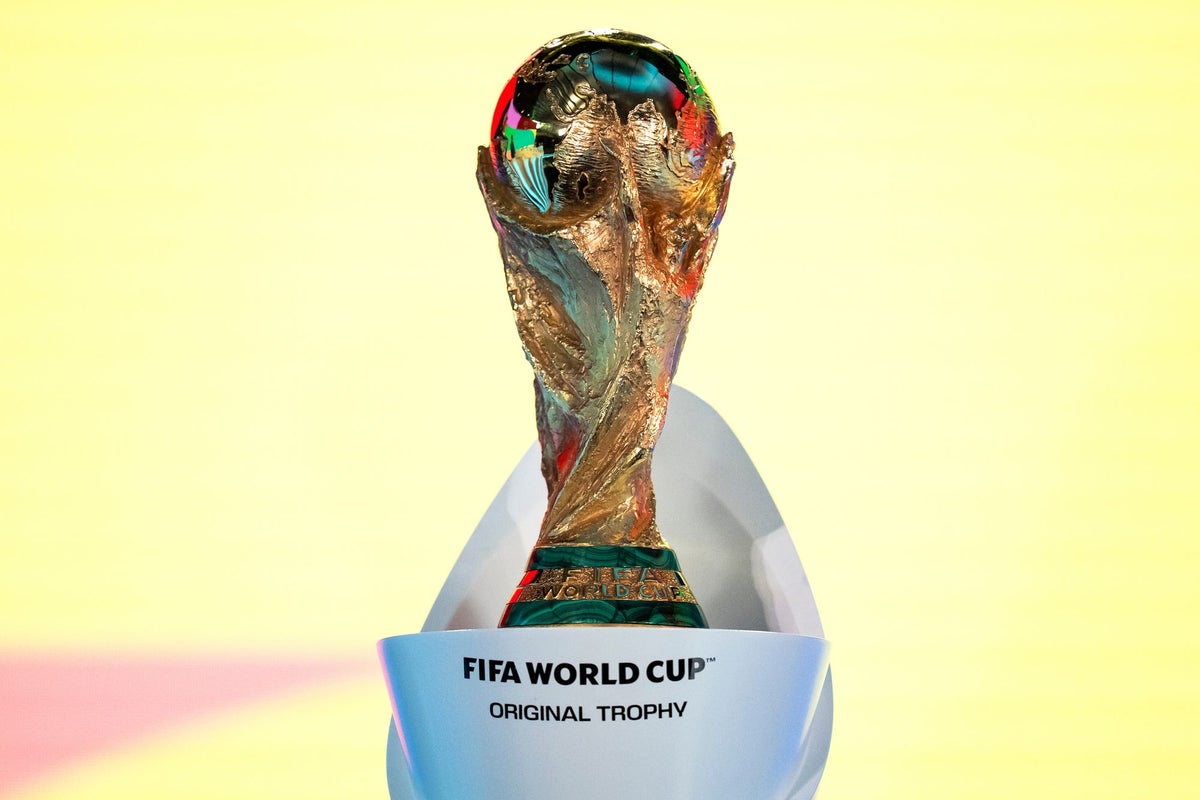
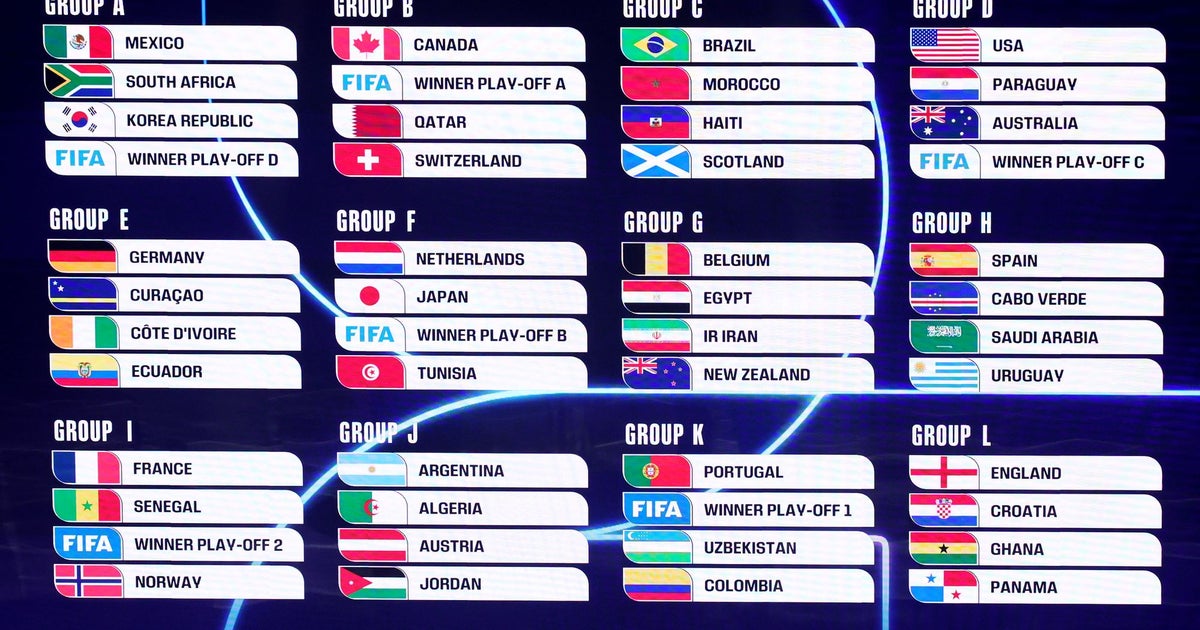
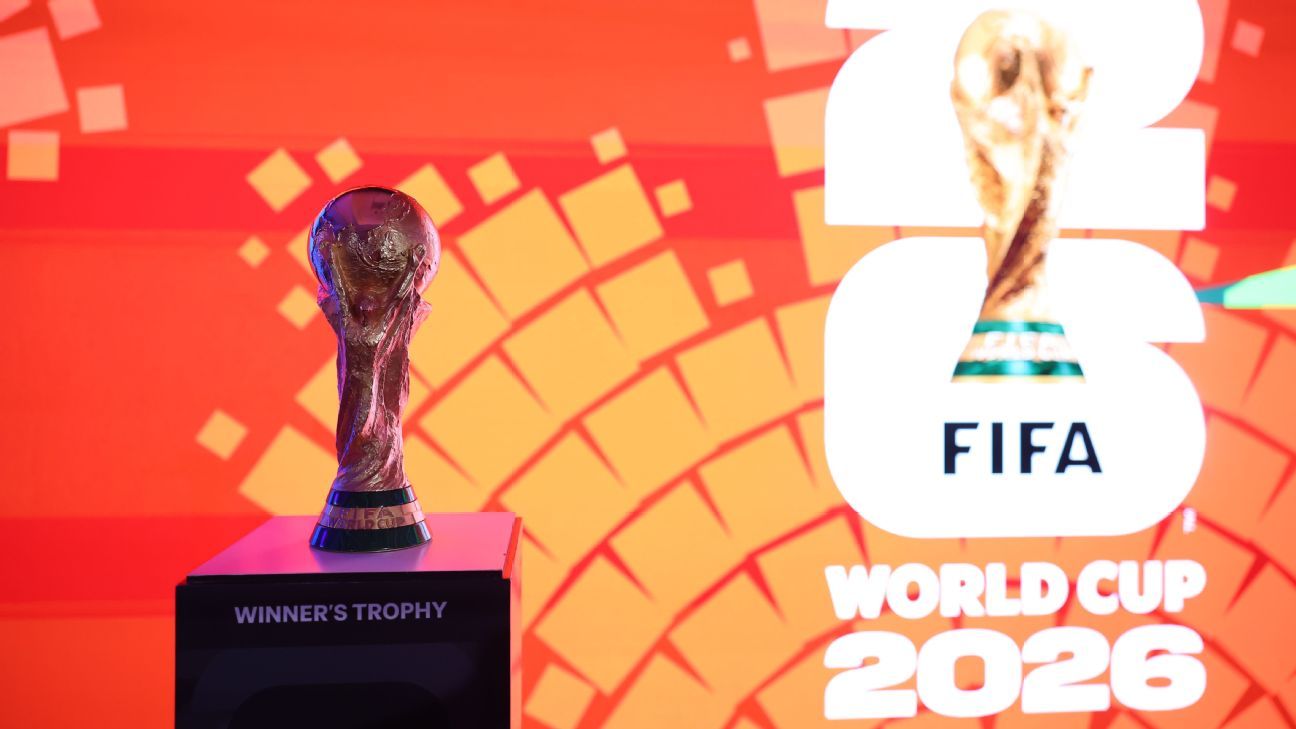
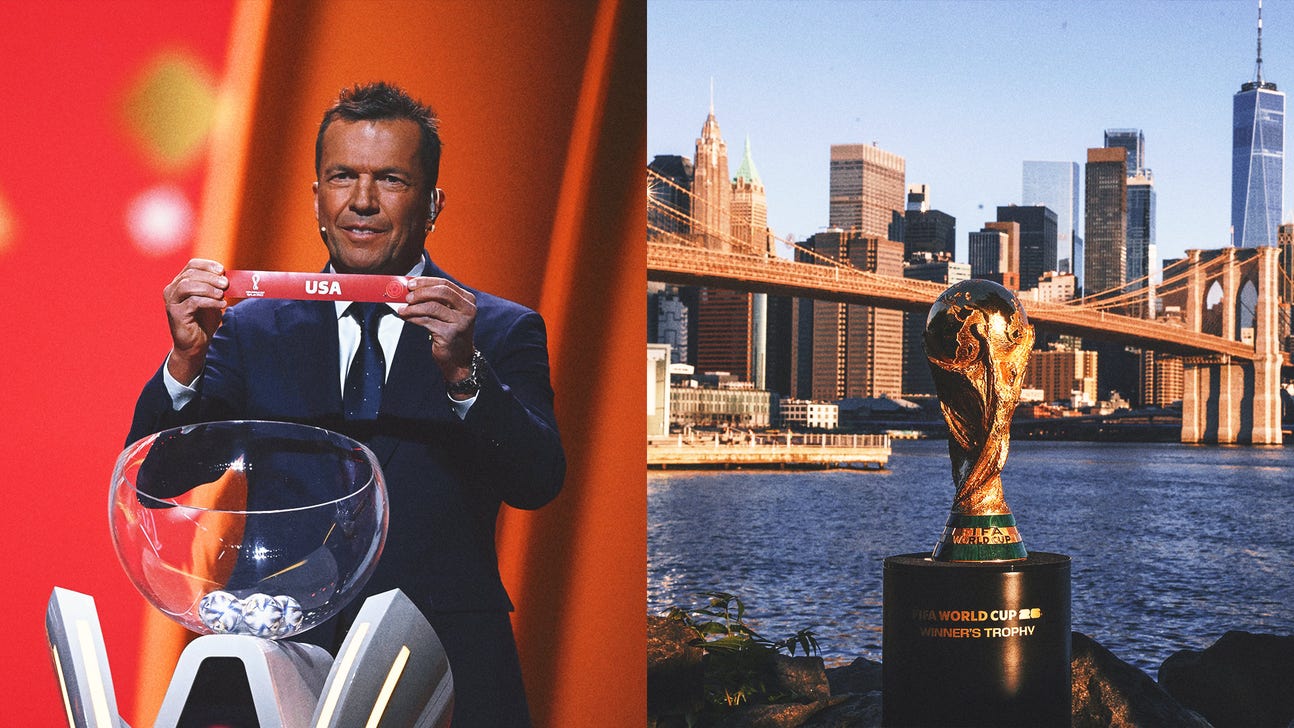
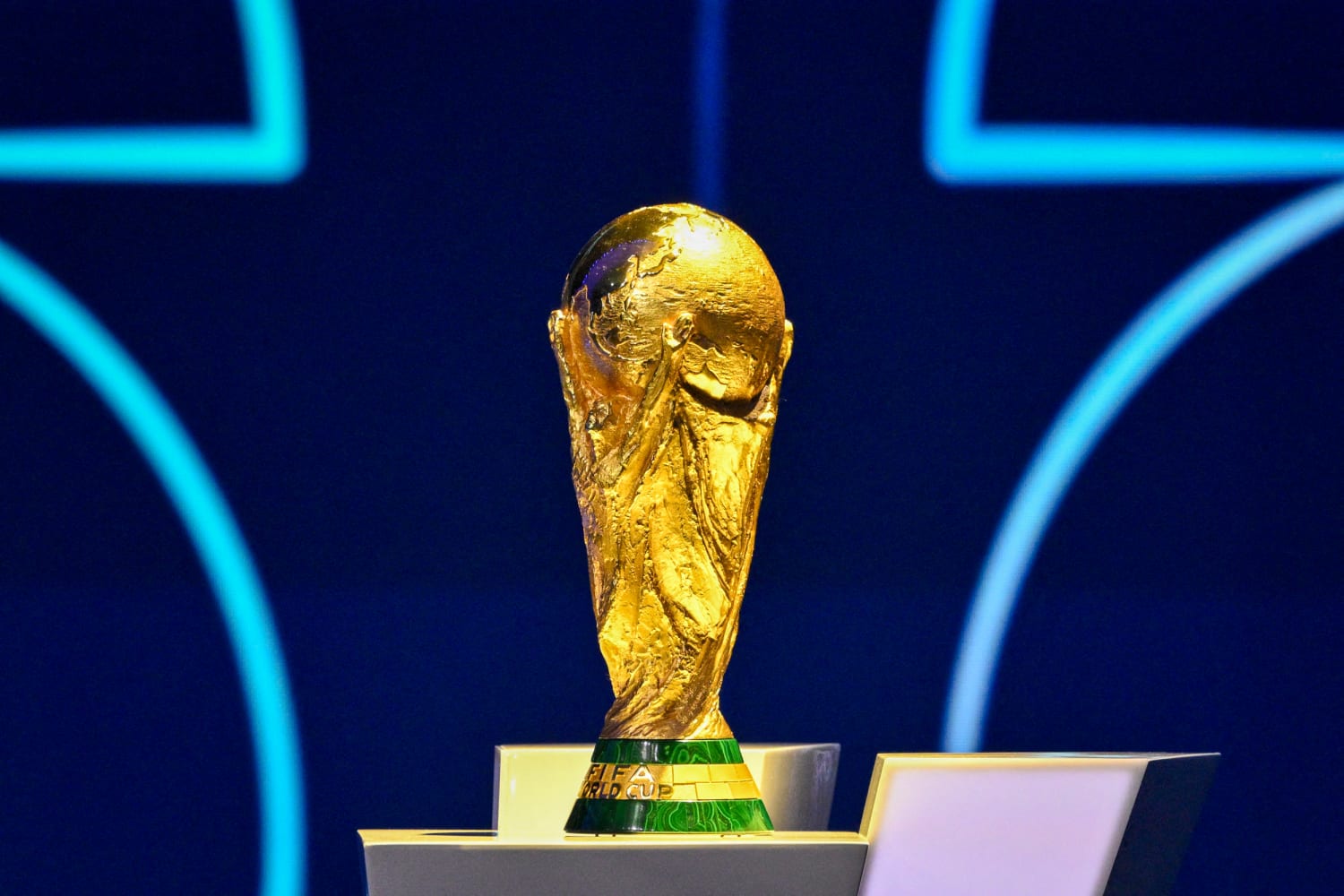
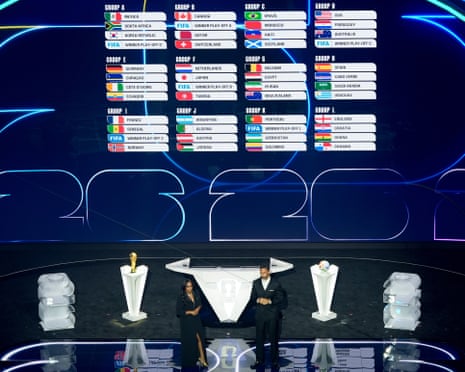
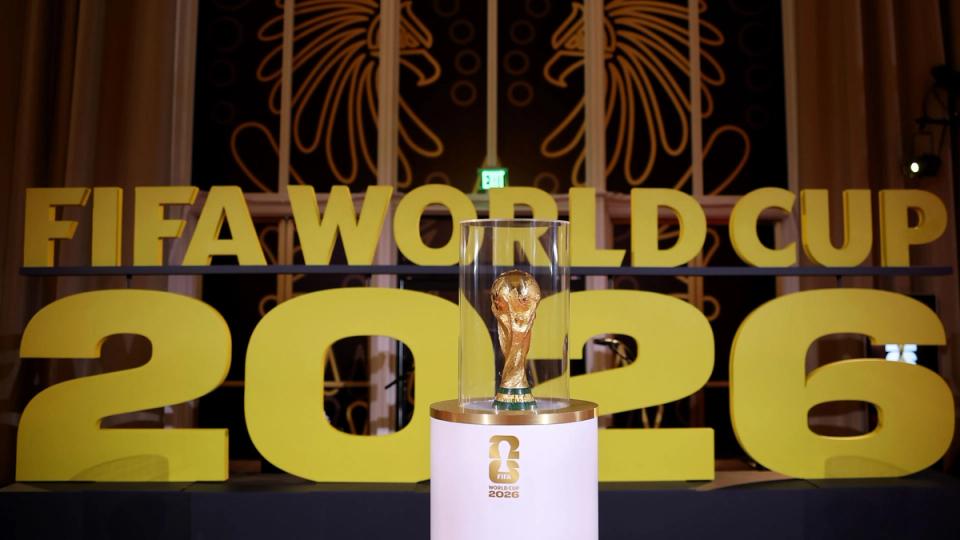
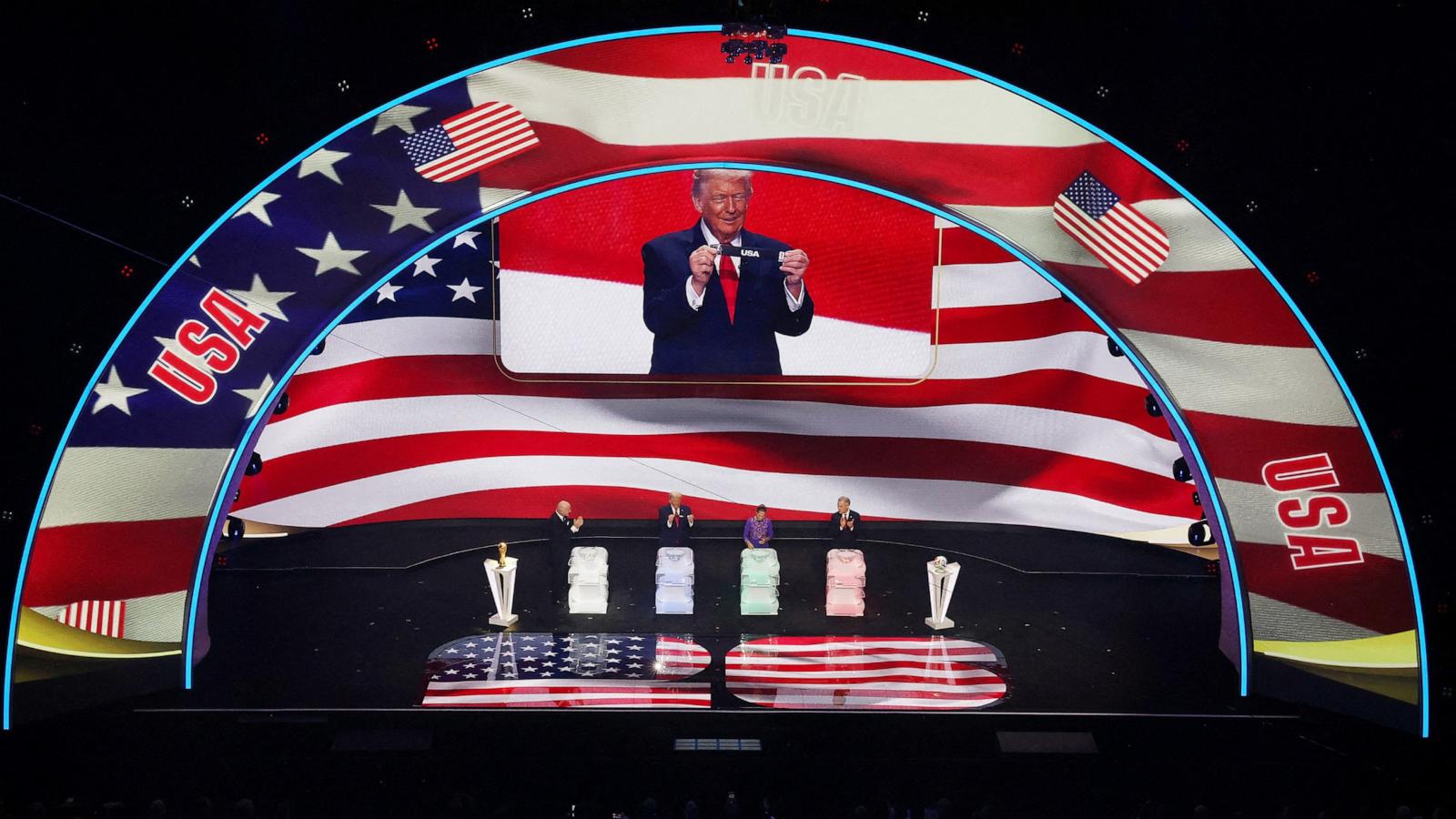
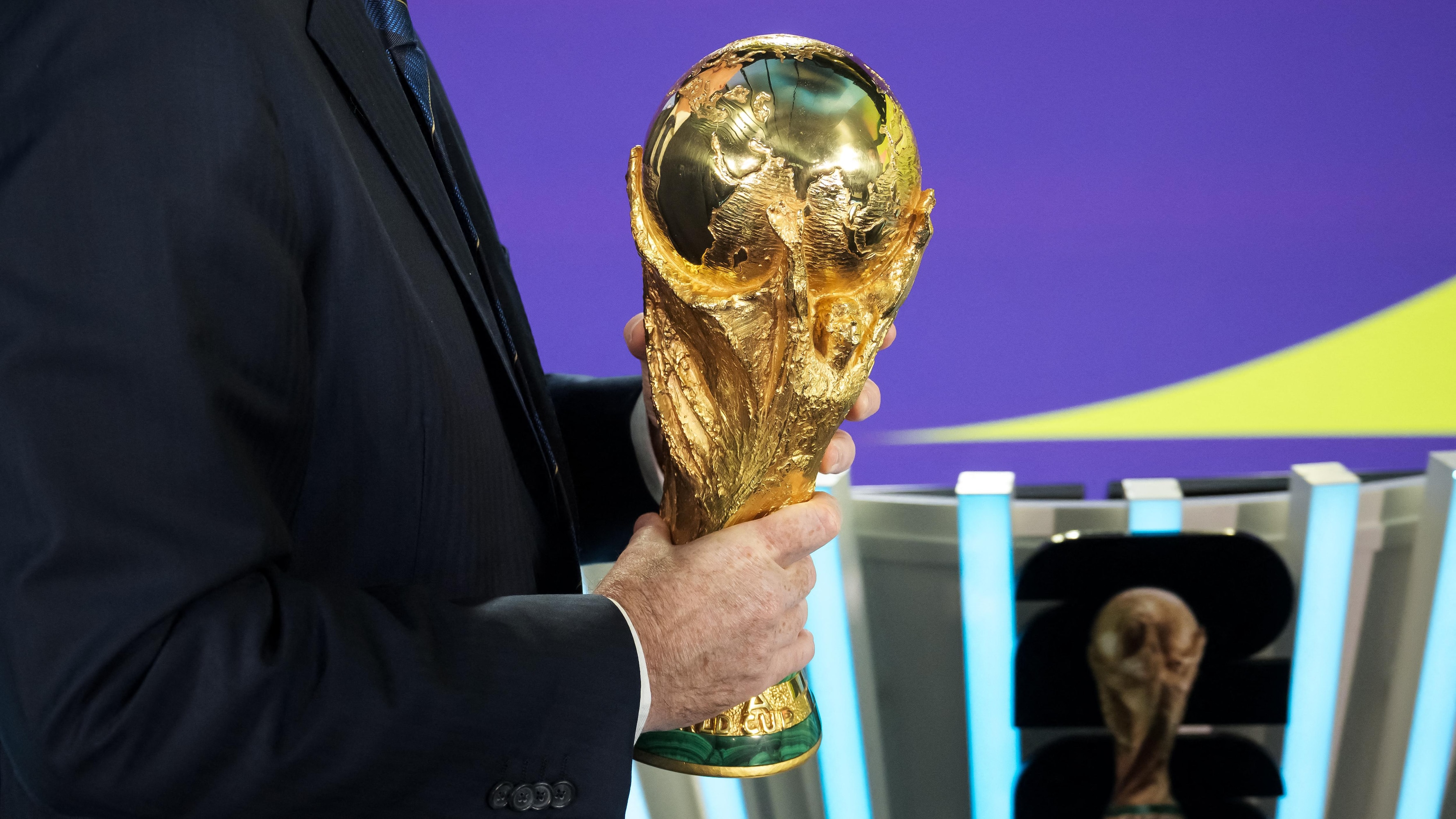
The 2026 FIFA World Cup draw represents a pivotal moment in international soccer, blending sporting competition with complex geopolitical narratives. Hosted across the United States, Mexico, and Canada, this tournament marks a groundbreaking tri-national event that transcends traditional soccer boundaries. The draw in Washington, DC, revealed not just team matchups, but a nuanced landscape of global sporting dynamics.
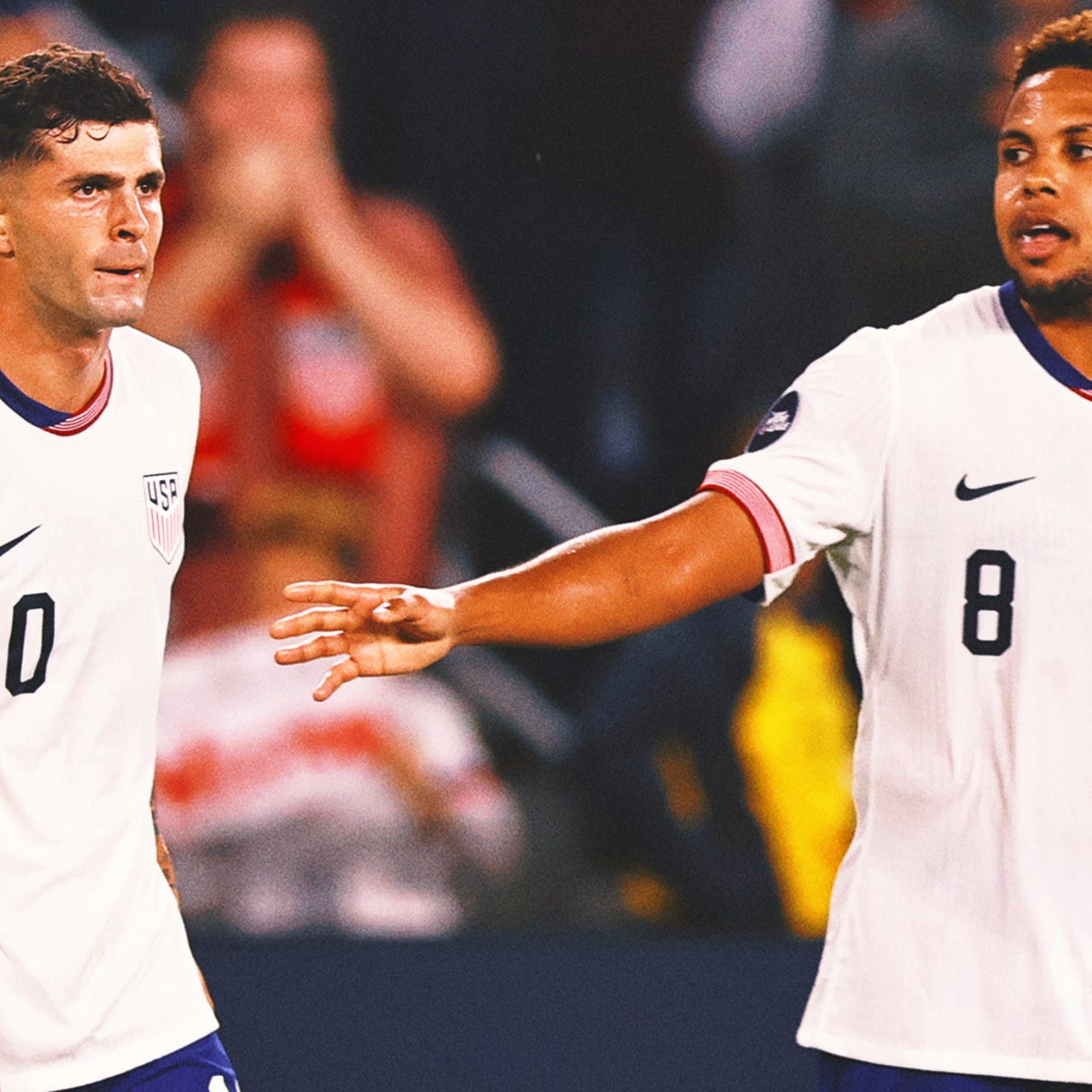
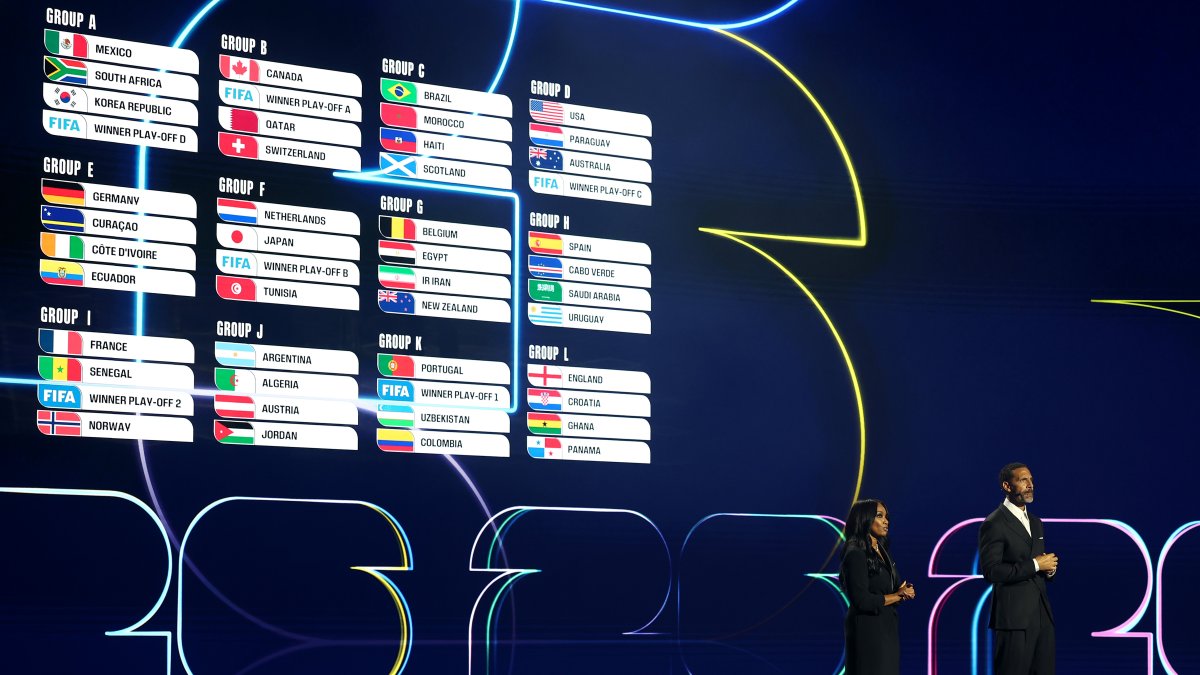
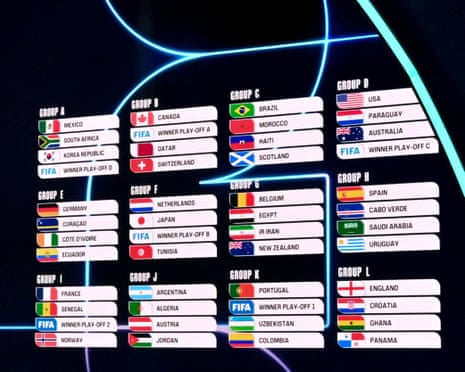
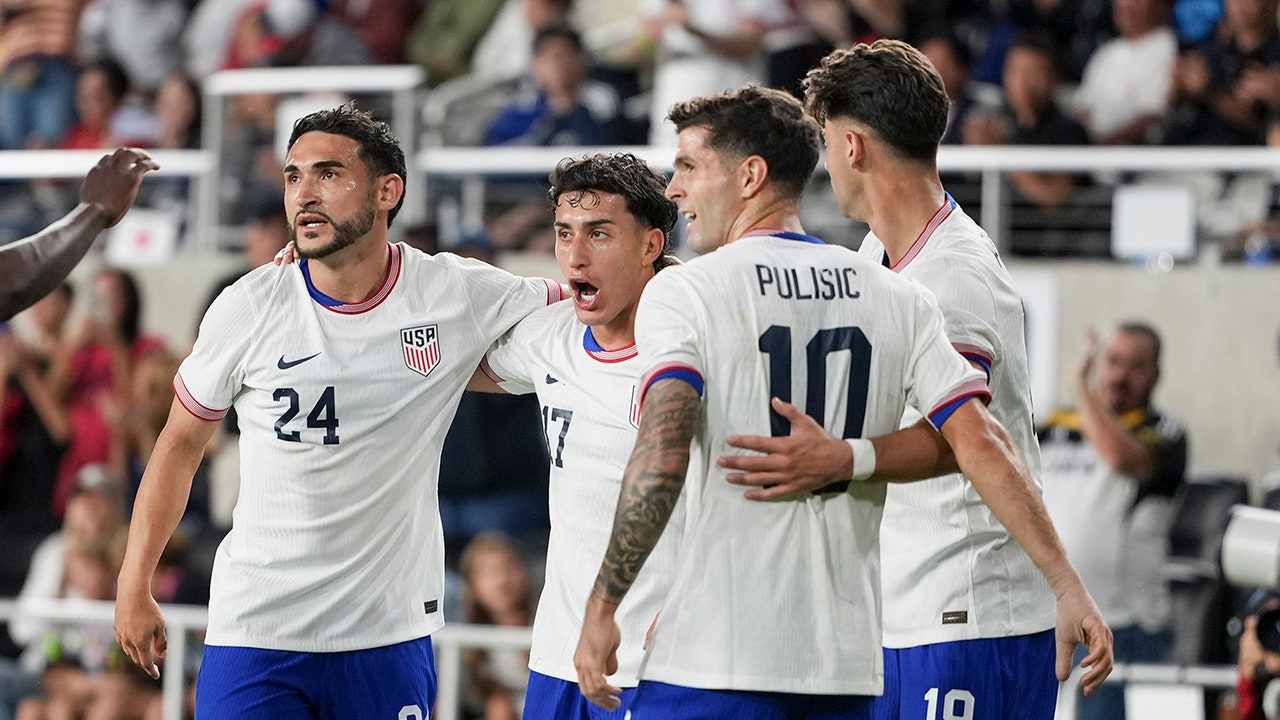
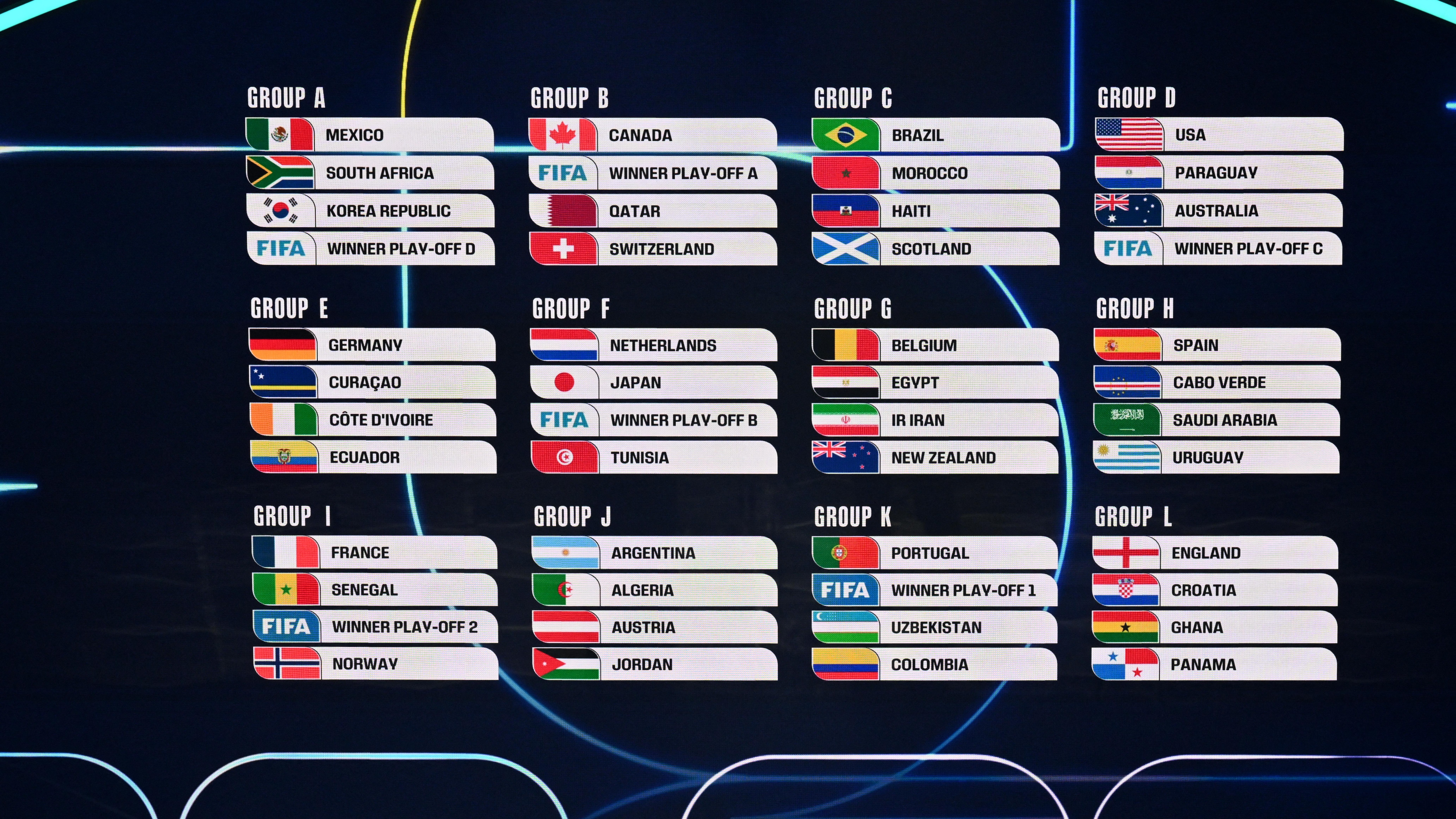
Strategic Group Compositions emerge as a critical narrative. The United States, as a co-host, secured what appears to be a strategically favorable group, facing Australia, Paraguay, and a potential European playoff team. This positioning reflects both sporting opportunity and diplomatic positioning. The expanded 48-team format introduces unprecedented complexity, allowing more nations to participate and creating more intricate competitive scenarios.
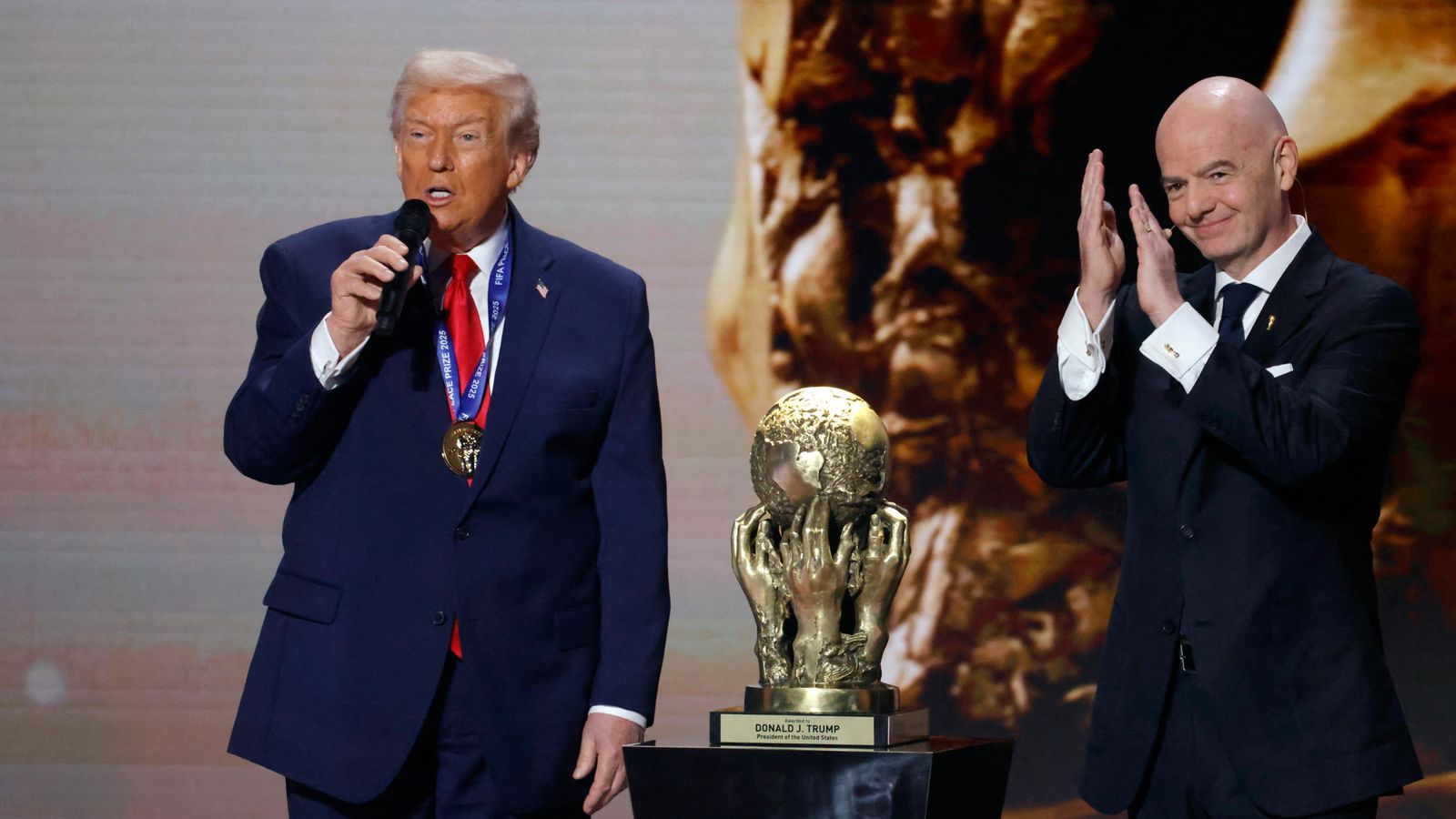
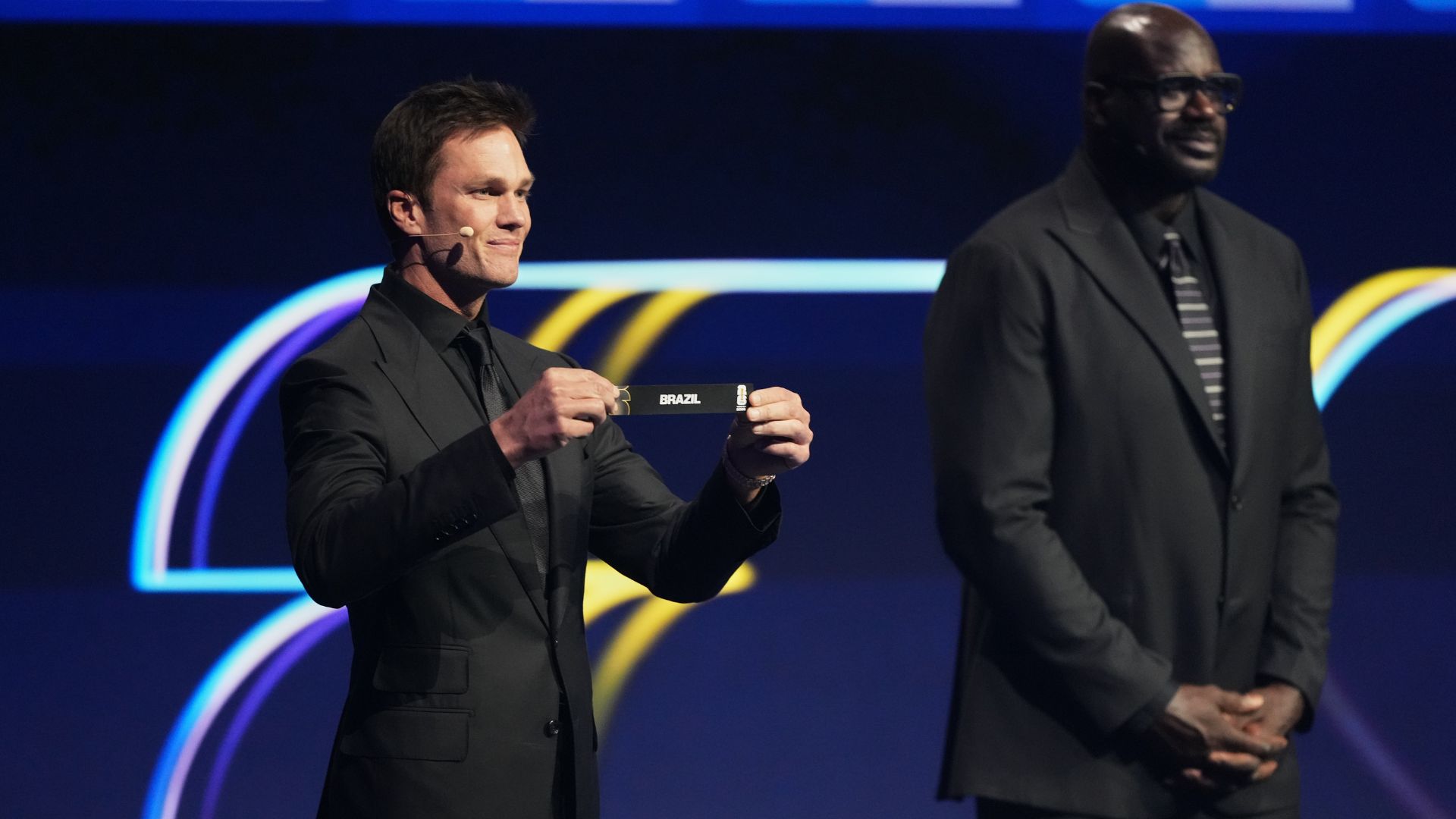
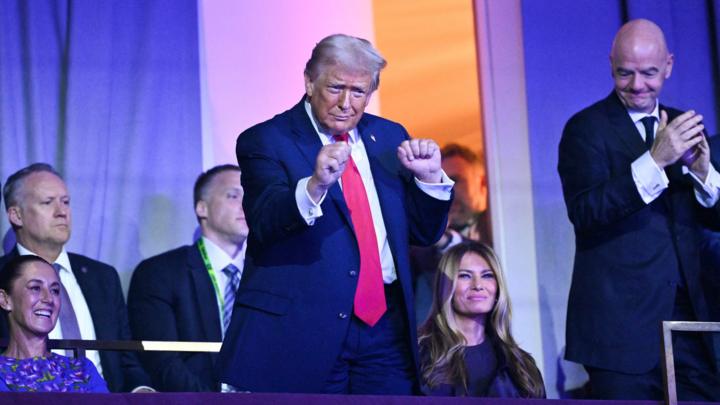
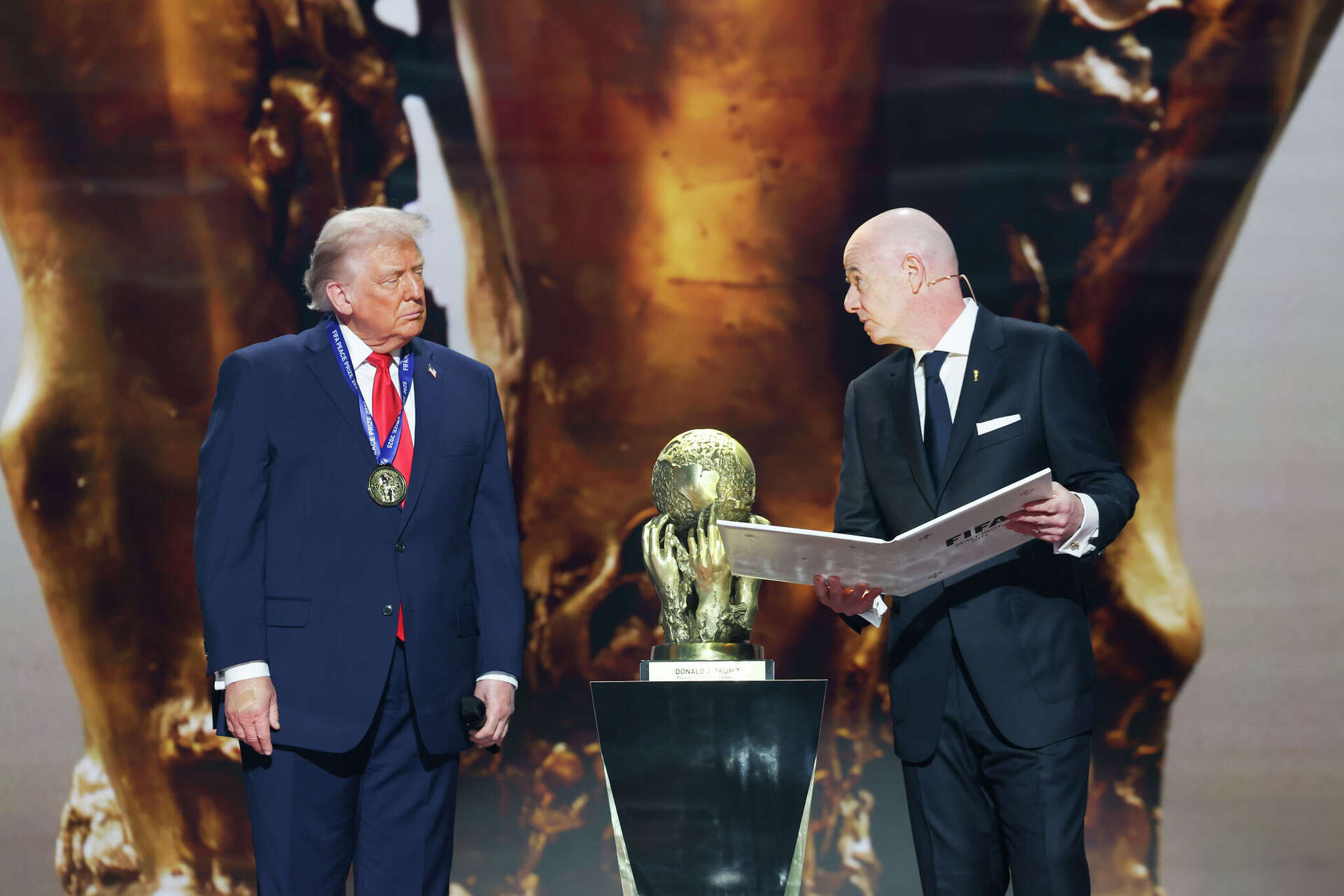
An unexpected highlight was former President Donald Trump receiving a newly created FIFA Peace Prize, adding a layer of political intrigue to the sporting event. This unusual diplomatic moment underscores how soccer tournaments have become platforms for broader international dialogue. The draw's celebrity presence—featuring sports icons like Tom Brady and Shaquille O'Neal—further amplifies the event's cultural significance beyond pure athletic competition.
The tournament's geographic distribution is itself a strategic statement. By spreading matches across Los Angeles, Seattle, and multiple North American venues, the event represents more than a soccer championship—it's a demonstration of regional collaboration and soft power. The June 12th kickoff symbolizes not just a sporting event, but a complex intersection of athletic excellence, international relations, and cultural exchange.
Notably, the draw highlighted potential dramatic matchups like France versus Norway, suggesting that the 2026 World Cup will deliver high-stakes sporting narratives. The tournament's structure promises unpredictability, with knockout stage scenarios dependent on nuanced group stage performances.
Questions 3
What strategic implications does the tournament's tri-national hosting have?
The multi-country hosting represents a significant diplomatic and sporting collaboration, demonstrating regional unity and soft power. It allows for broader economic and cultural exchange beyond traditional soccer tournament models, potentially setting a new precedent for future international sporting events.
How did the United States fare in the group stage draw?
The US national team appears to have drawn a favorable group, facing Australia, Paraguay, and a potential European playoff team. As co-hosts, they will play group matches in Los Angeles and Seattle, providing a strategic home advantage.