




Hungary's Political Shift Reshapes EU E-Commerce Regulations | April 2026 Election Impact
- U.S.-backed Orbán reelection bid signals regulatory divergence affecting 50K+ cross-border sellers in EU logistics hubs









Overview
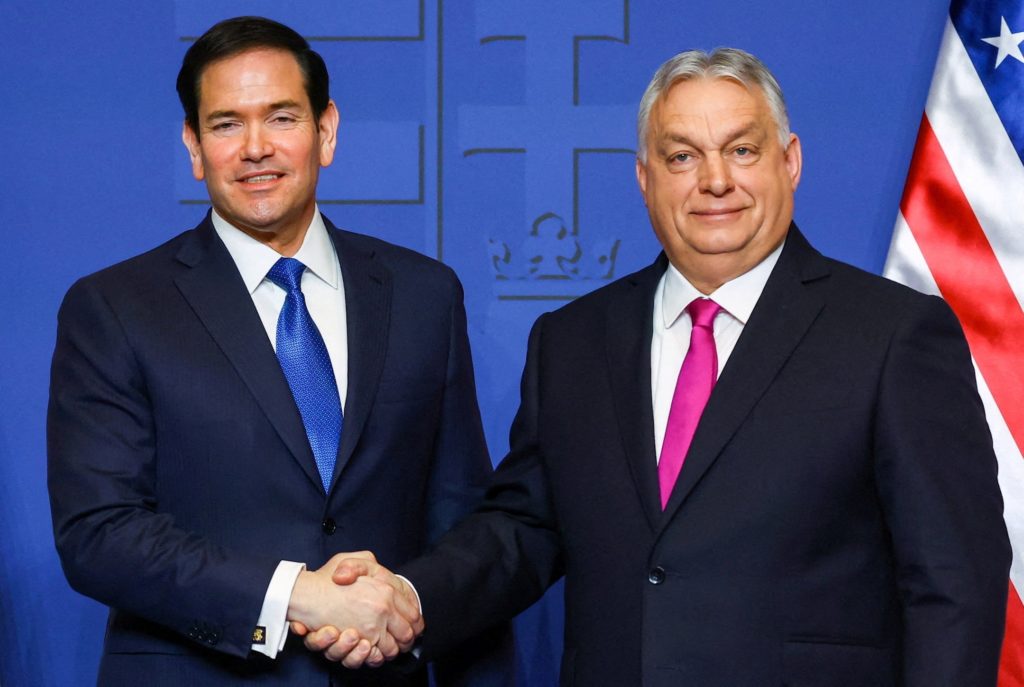
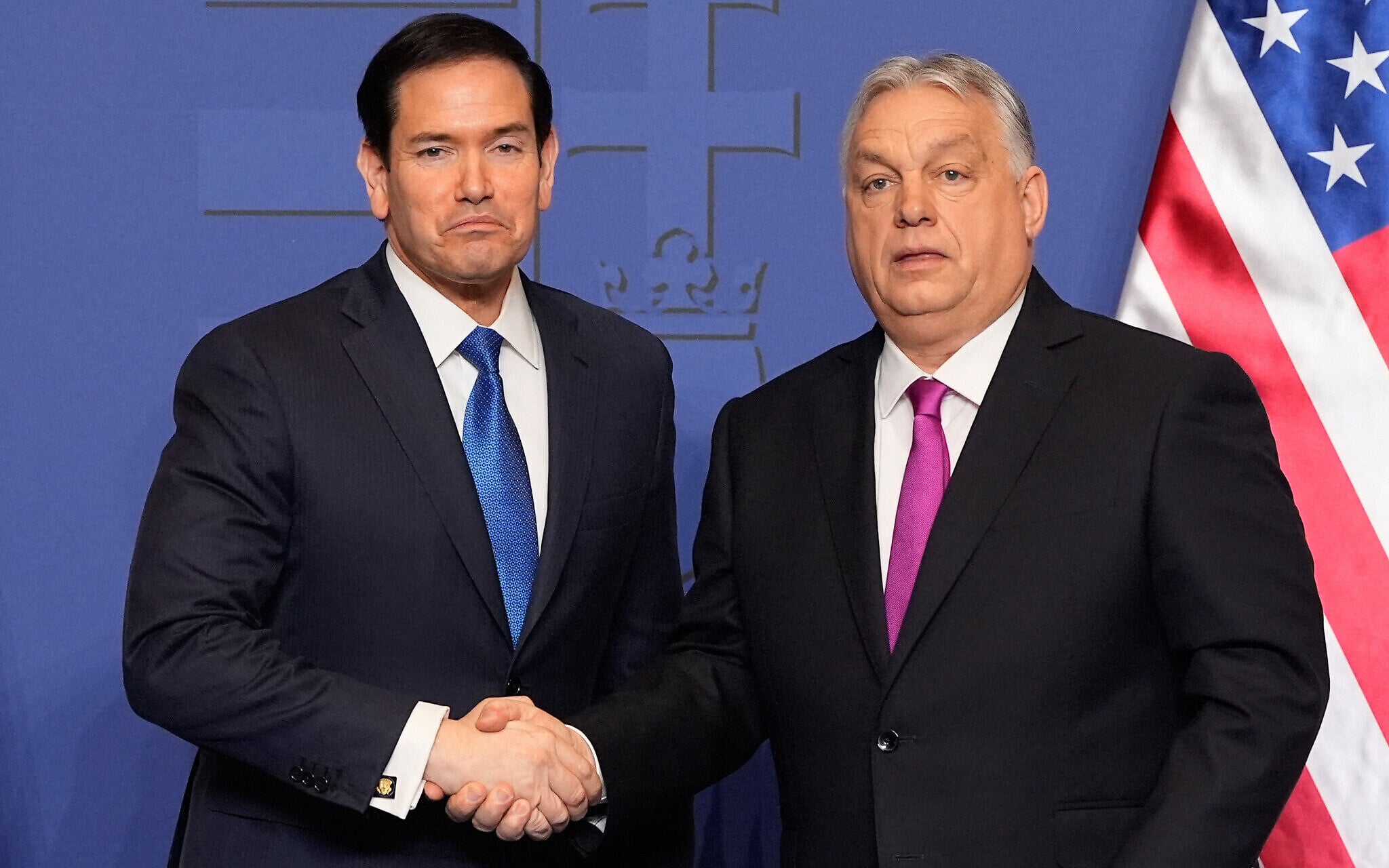
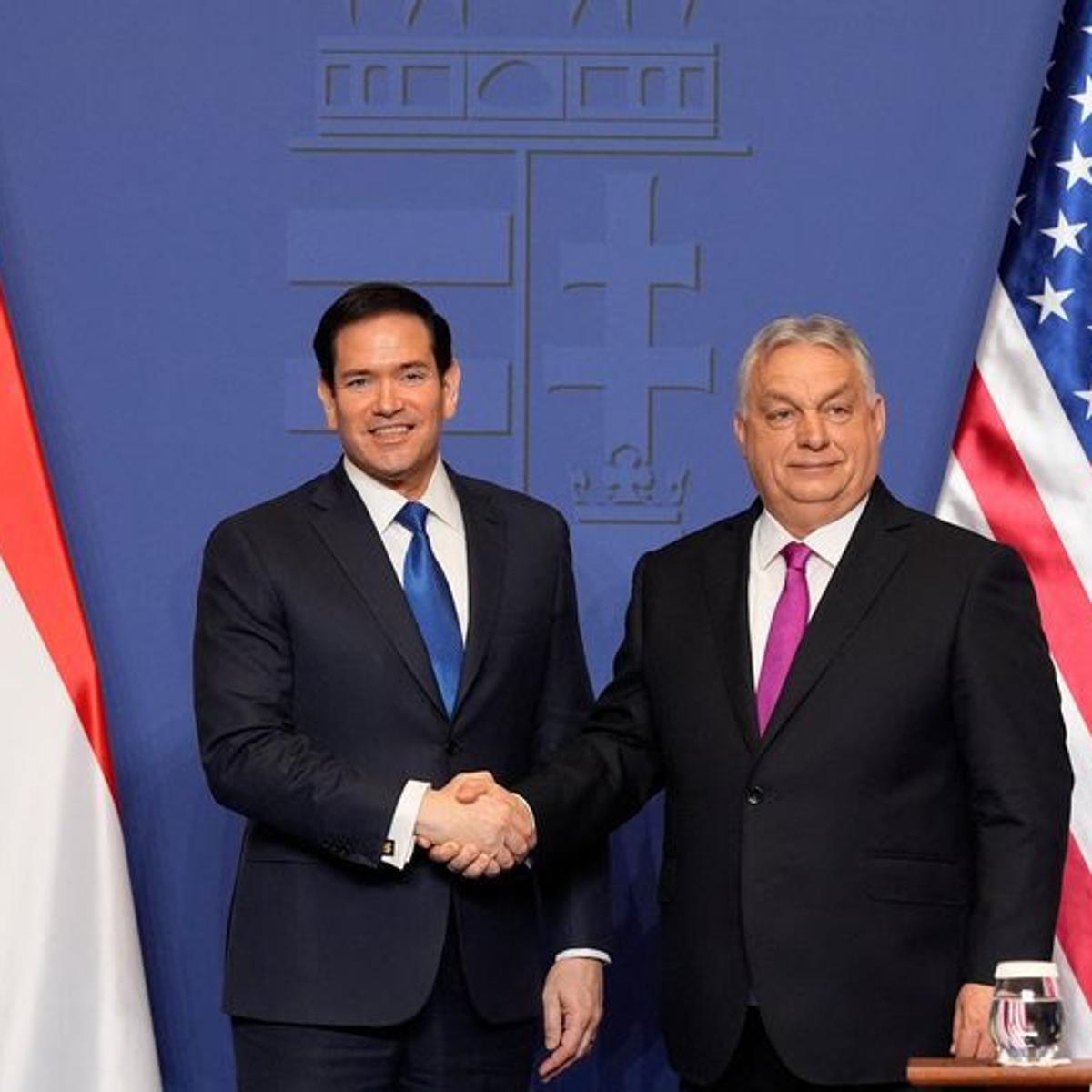
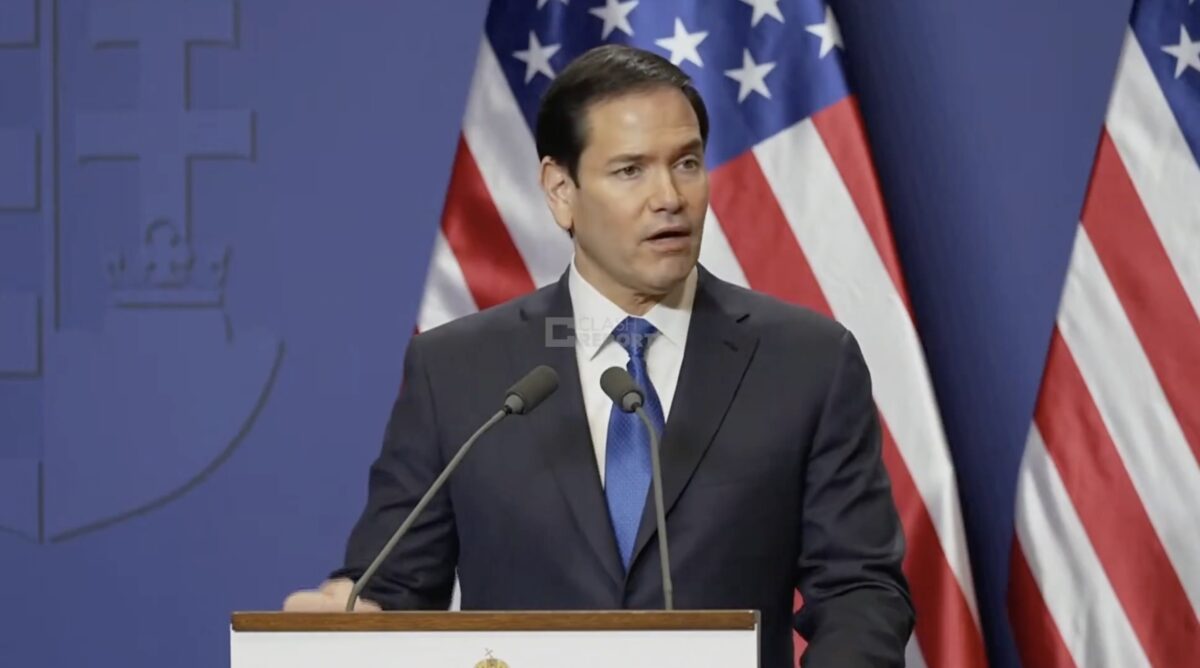
U.S. Secretary of State Marco Rubio's public endorsement of Hungarian Prime Minister Viktor Orbán's April 2026 reelection bid represents a critical geopolitical realignment with direct implications for cross-border e-commerce sellers operating across Europe. Hungary functions as a strategic logistics hub for European fulfillment operations, hosting major distribution centers and 3PL networks that process millions of cross-border transactions annually. The Trump administration's diplomatic support strengthens Orbán's political position domestically, potentially accelerating Hungary's regulatory divergence from EU consensus—a shift that directly impacts VAT compliance frameworks, data localization requirements, and platform licensing rules affecting sellers with significant European operations.
The immediate operational concern centers on regulatory fragmentation within the EU. Orbán has historically maintained an independent foreign policy stance diverging from EU consensus on sanctions and Ukraine support. This political reinforcement from Washington signals potential acceleration of Hungary's regulatory autonomy, creating a two-tier compliance environment for cross-border sellers. Sellers currently using Hungarian fulfillment centers (estimated 8,000-12,000 active operations) face uncertainty regarding VAT registration requirements, which could shift from harmonized EU standards to Hungary-specific rules. Data protection enforcement and platform licensing could become more restrictive or alternatively more permissive depending on Orbán's political priorities, creating compliance complexity for sellers managing inventory across multiple EU jurisdictions.
The strategic opportunity window extends through April 2026, with critical decision points emerging in Q1-Q2 2025. Sellers should immediately audit their Hungarian logistics footprint and VAT registration status. Those with 30%+ of European inventory in Hungarian warehouses should develop contingency plans for potential regulatory changes, including alternative fulfillment routing through Poland, Czech Republic, or Austria. The election outcome will likely influence broader EU regulatory harmonization efforts—a Orbán victory could entrench Hungary as a regulatory outlier, potentially creating arbitrage opportunities for sellers willing to navigate complex compliance frameworks. Conversely, an opposition victory could accelerate Hungary's alignment with stricter EU e-commerce standards, requiring sellers to upgrade data protection and consumer protection compliance infrastructure.
For sellers with 500+ monthly cross-border transactions in EU markets, this represents a medium-term strategic risk requiring active monitoring. The geopolitical positioning suggests potential shifts in Hungary's approach to foreign business regulation, platform licensing, and digital commerce oversight. Sellers should establish quarterly monitoring protocols for Hungarian regulatory announcements, particularly post-election policy shifts affecting VAT thresholds, data localization mandates, and platform compliance requirements. The April 2026 election represents a decision point that could reshape operational costs and compliance complexity for 15-20% of European cross-border sellers currently leveraging Hungarian infrastructure.
Questions 8
Should I relocate my fulfillment operations from Hungary to another EU country?
Immediate relocation is not necessary, but strategic diversification is prudent. Hungary remains cost-competitive for fulfillment (15-25% lower than Western Europe), but regulatory uncertainty creates medium-term risk. Sellers with 500+ monthly cross-border transactions should develop a phased approach: maintain 60-70% of inventory in Hungary while testing alternative fulfillment through Poland, Czech Republic, or Austria. This diversification reduces regulatory risk while preserving cost advantages. Monitor post-election policy announcements (expected Q2-Q3 2026) before making permanent relocation decisions.
What specific VAT compliance changes should I expect from Hungary's regulatory shift?
Hungary currently follows EU VAT harmonization standards, but political divergence could create Hungary-specific registration requirements or threshold modifications. The current EU VAT threshold for cross-border sellers is €10,000 annually, but Hungary could implement stricter requirements or data localization mandates post-election. Sellers should verify their VAT registration status in Hungary immediately and maintain documentation of all compliance filings. Consider consulting with EU tax specialists to understand potential Hungary-specific obligations that may emerge after April 2026, particularly regarding digital services VAT and platform licensing.