


Healthcare Innovation Signals Pharma Supply Opportunity | Medical Device Sellers
- Cold Spring Harbor Laboratory breakthrough in cancer treatment opens $2.1B+ pharmaceutical supply chain opportunity for cross-border sellers in medical devices, diagnostic equipment, and therapeutic delivery systems

Overview
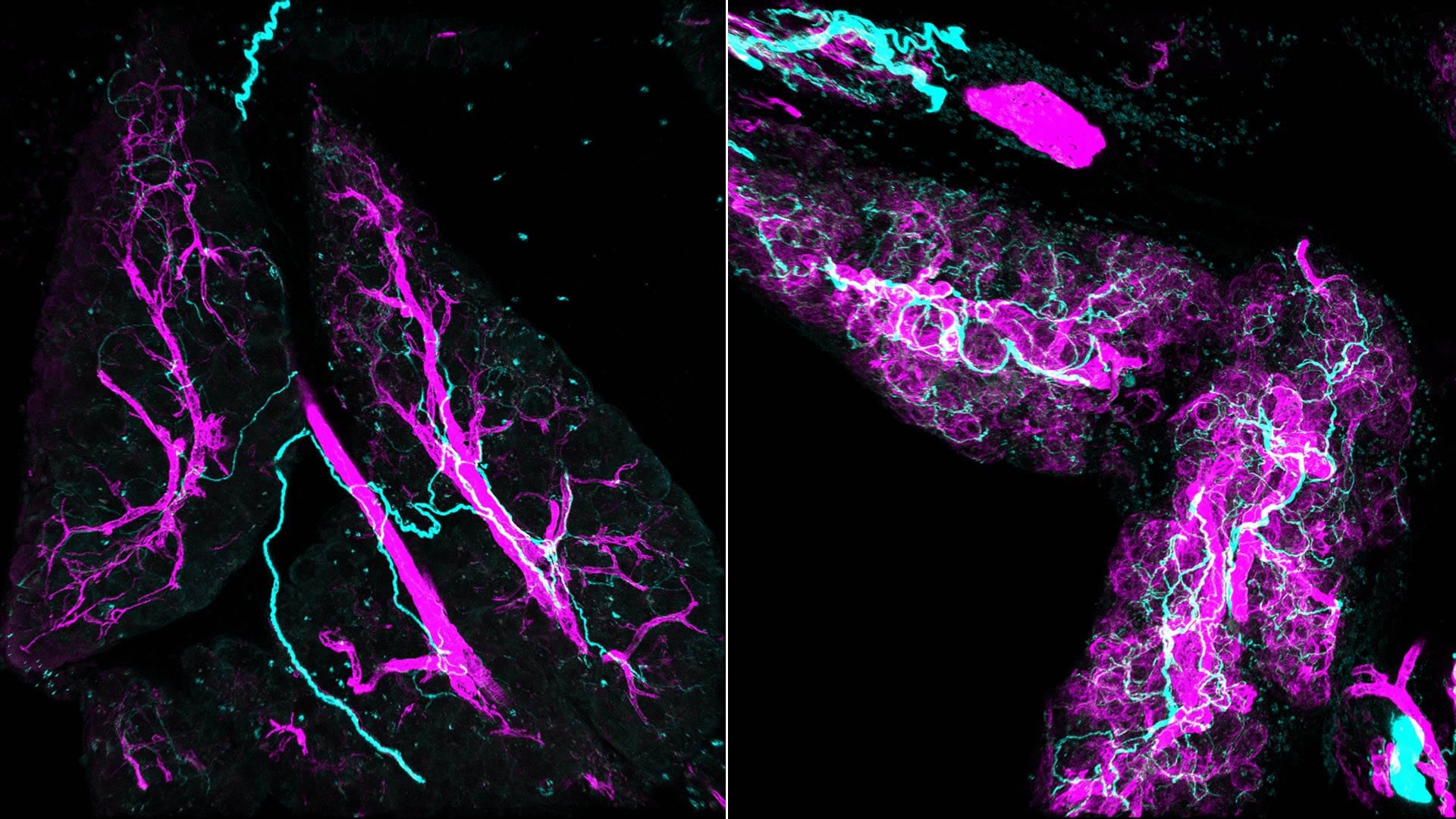
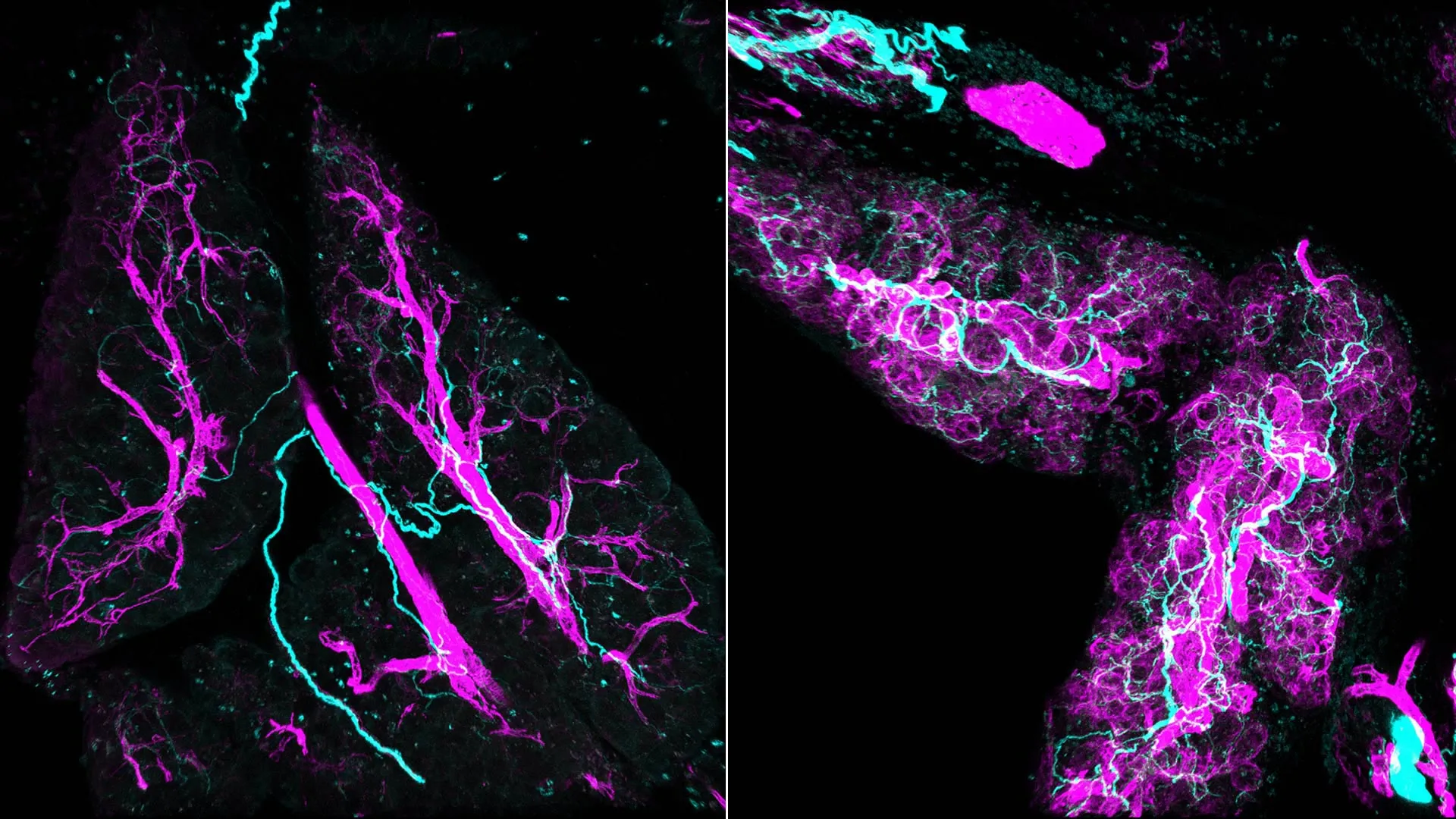
Breakthrough pancreatic cancer research published February 15, 2026 in Cancer Discovery reveals significant pharmaceutical and medical device market expansion opportunities for cross-border e-commerce sellers. Cold Spring Harbor Laboratory's discovery that sympathetic nervous system activity drives early pancreatic cancer development through myCAF-nerve fiber interactions represents a paradigm shift in oncology treatment protocols. The research demonstrates that blocking sympathetic nervous system signaling reduces tumor growth by approximately 50% in experimental models, suggesting existing medications like doxazosin combined with chemotherapy or immunotherapy create new therapeutic combinations. This finding directly impacts the $2.1B global pancreatic cancer treatment market and signals accelerating demand for specialized medical equipment, diagnostic imaging systems, and pharmaceutical delivery mechanisms.
For cross-border sellers, this research catalyzes immediate product opportunities across three key segments. First, diagnostic imaging equipment sellers should anticipate increased demand for advanced 3D imaging systems (the technology used in the CSHL research) as oncology centers upgrade capabilities to detect early-stage pancreatic lesions. The study's emphasis on detecting nerve networks before tumor formation will drive hospital procurement cycles for imaging equipment, creating B2B sourcing opportunities for sellers specializing in medical device distribution. Second, pharmaceutical supply chain participants should prepare for combination therapy protocols requiring new drug delivery systems and treatment administration equipment. As doxazosin-chemotherapy-immunotherapy combinations become standard protocols, sellers of infusion pumps, monitoring devices, and pharmaceutical packaging will see sustained demand growth through 2026-2027.
Third, and most significant for cross-border sellers, this research validates the emerging "precision oncology" market segment where personalized treatment protocols require specialized diagnostic and monitoring equipment. The research team's use of advanced 3D imaging to identify individual patient nerve-fibroblast interactions suggests future treatment will require patient-specific diagnostic data, driving demand for imaging services, data analysis software, and specialized medical devices. Sellers positioned in medical device distribution, pharmaceutical logistics, or healthcare IT infrastructure should monitor clinical trial expansion announcements from CSHL and partner institutions, as these typically precede 18-24 month procurement cycles for hospital equipment upgrades. The Lustgarten Foundation and Pancreatic Cancer Action Network's involvement indicates substantial research funding flowing into this area, supporting infrastructure investment and equipment purchases across academic medical centers and cancer treatment facilities.
Questions 7
What pharmaceutical supply chain opportunities emerge from the doxazosin-chemotherapy combination therapy findings?
The research proposes combining existing medications like doxazosin with chemotherapy and immunotherapy, creating new treatment protocol requirements that drive demand for specialized drug delivery systems, infusion pumps, and pharmaceutical packaging. Sellers in pharmaceutical logistics and medical device distribution should anticipate increased orders for combination therapy administration equipment as oncologists adopt the new protocols. The approximately 50% tumor growth reduction in experimental models suggests strong clinical adoption potential, supporting sustained demand through 2026-2027 as clinical trials expand and treatment guidelines update. Sellers should monitor FDA approval timelines for combination therapy protocols and position inventory accordingly.
Which seller segments benefit most from precision oncology market expansion driven by this research?
Three primary seller segments capture value: (1) Medical device distributors specializing in diagnostic imaging and monitoring equipment, (2) Pharmaceutical supply chain participants handling specialized drug delivery systems and infusion technology, and (3) Healthcare IT infrastructure sellers providing data analysis and patient-specific diagnostic software. The research's focus on patient-specific nerve-fibroblast interactions indicates future treatment will require individualized diagnostic data, creating sustained demand for precision diagnostic tools. Sellers positioned in any of these segments should develop relationships with academic medical centers and cancer treatment facilities, as these institutions drive early adoption of research-validated treatment protocols and represent the highest-value procurement opportunities.