
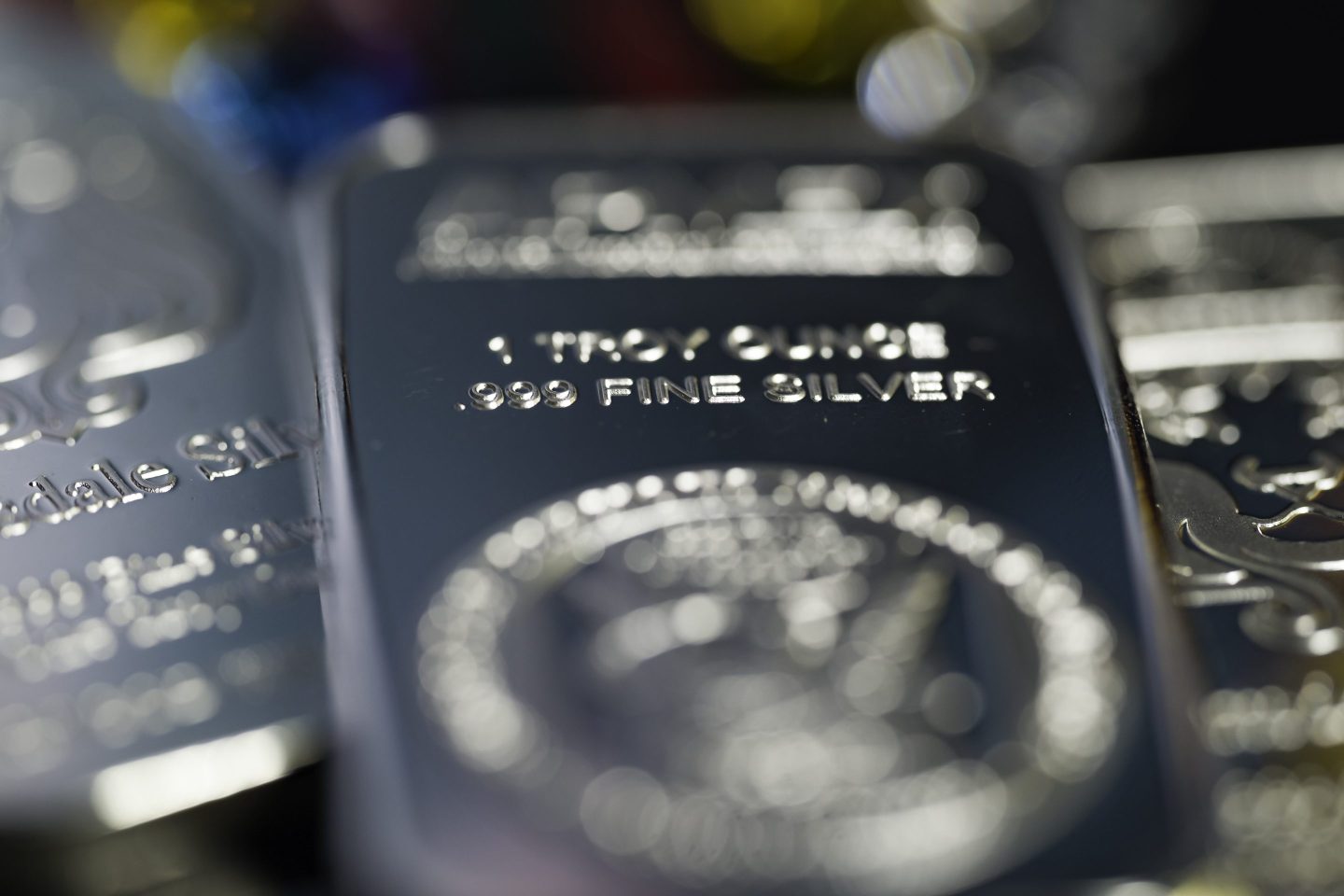


Silver's Geopolitical Gambit: How China's Export Controls and Price Volatility Reshape Global Industrial Supply Chains
- Unprecedented market dynamics signal critical mineral strategic repositioning for cross-border sellers

















)
/AI%20(artificial%20intelligence)/3D%20Graphics%20Concept%20Big%20Data%20Center%20by%20Gorodenkoff%20via%20Shutterstock.jpg)



)











Overview
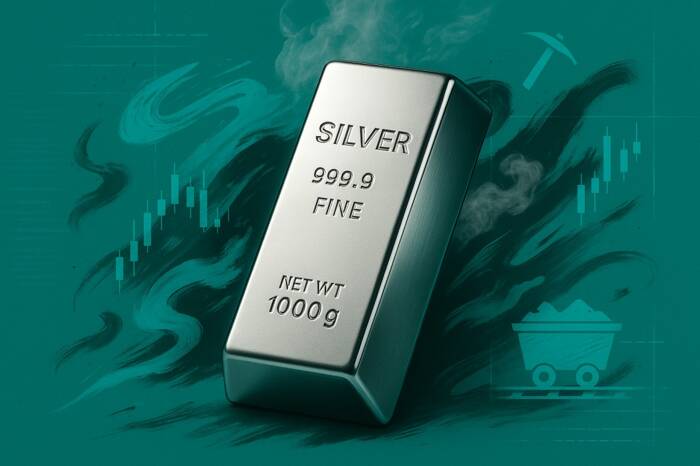
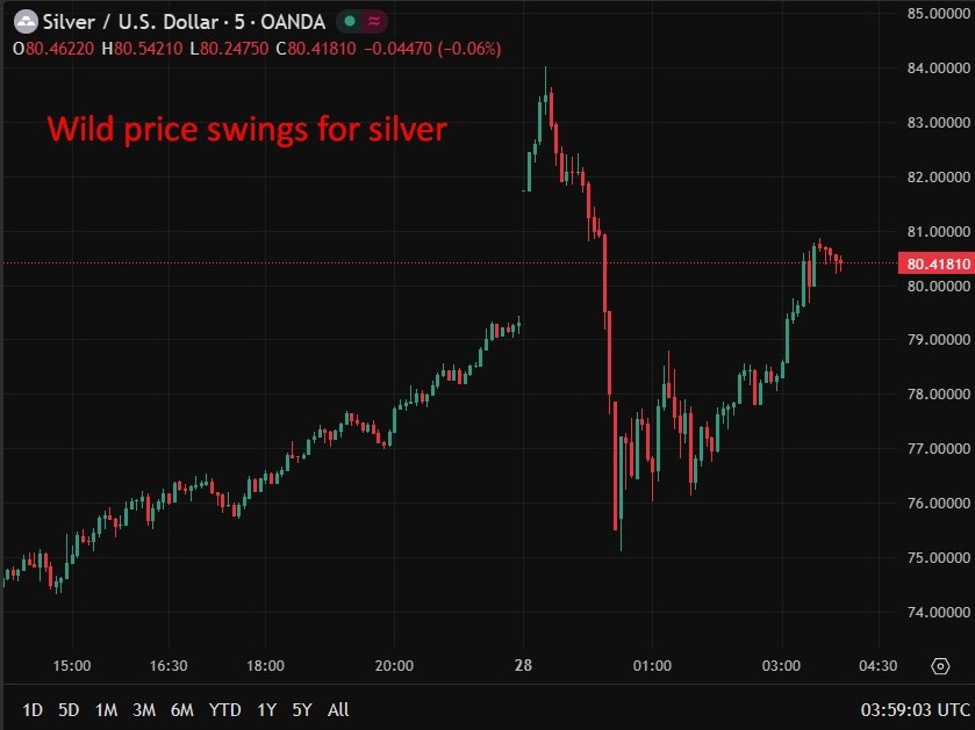
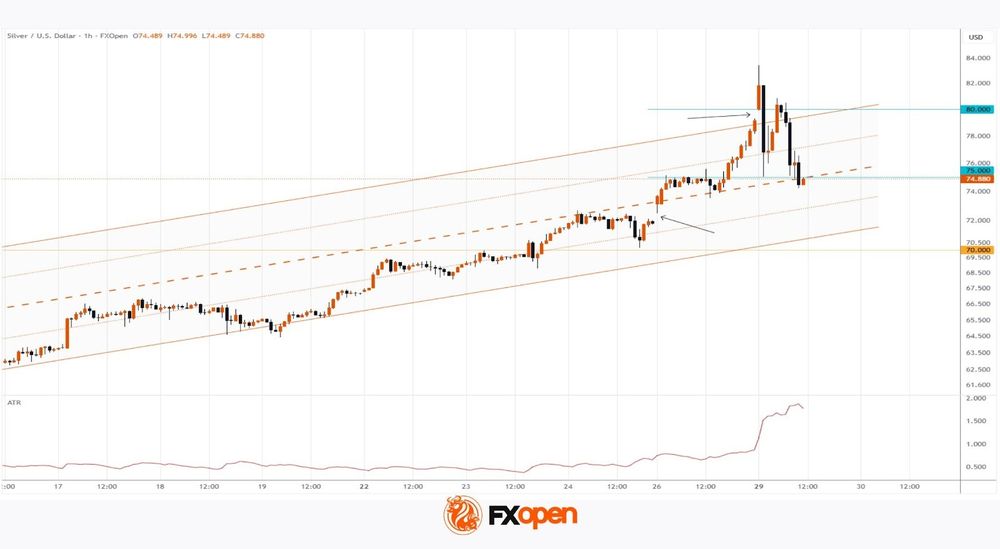
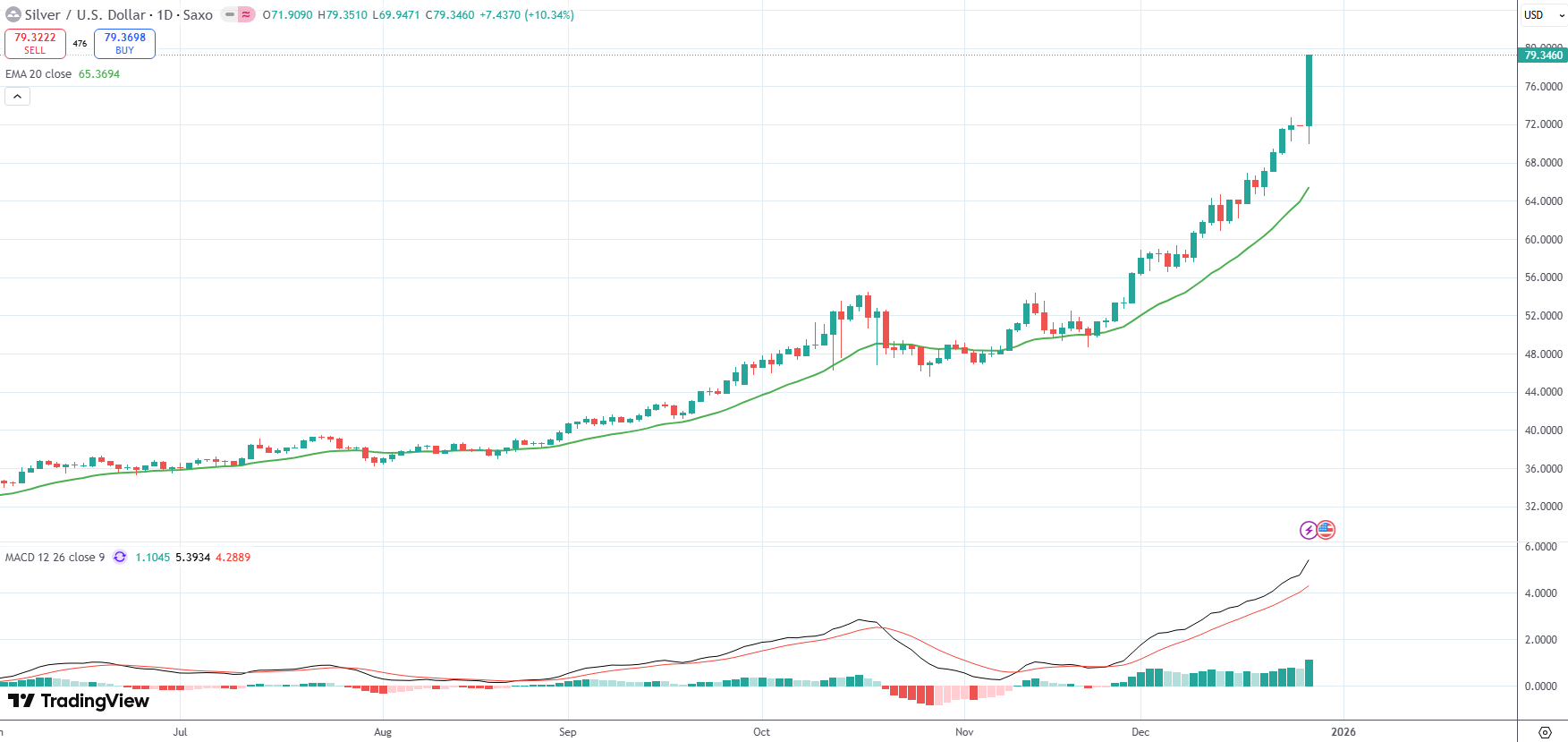
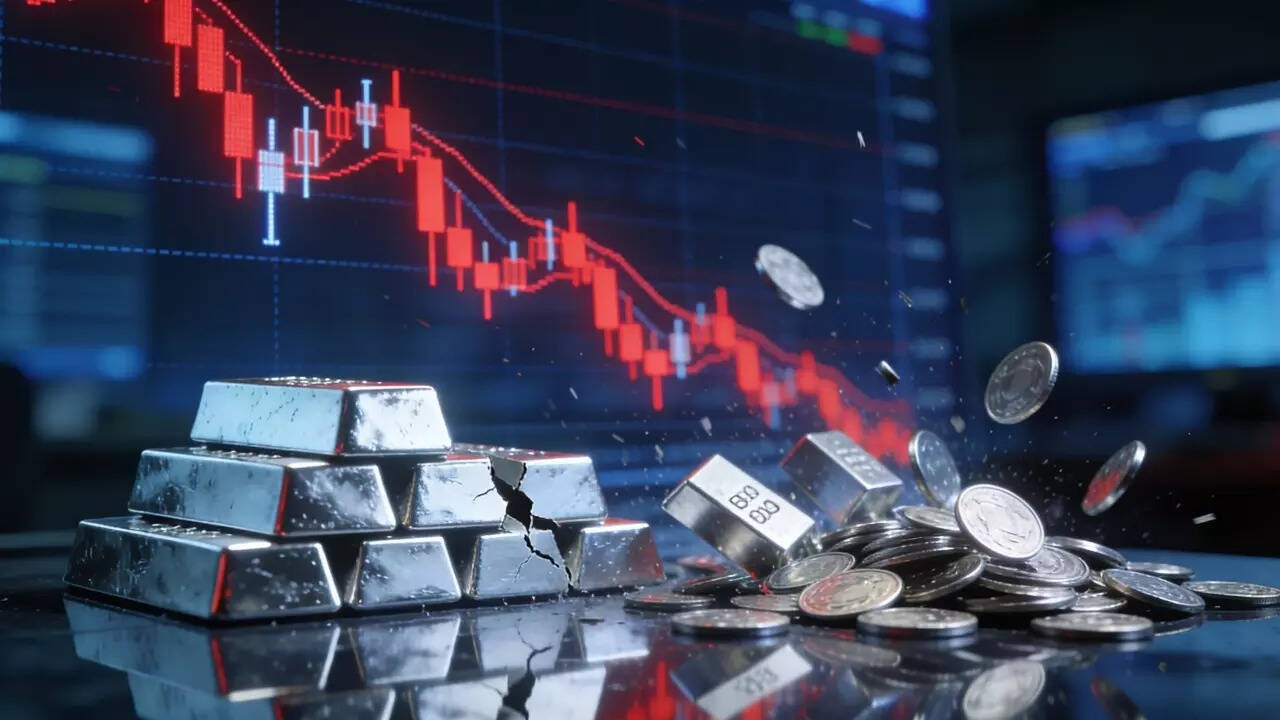
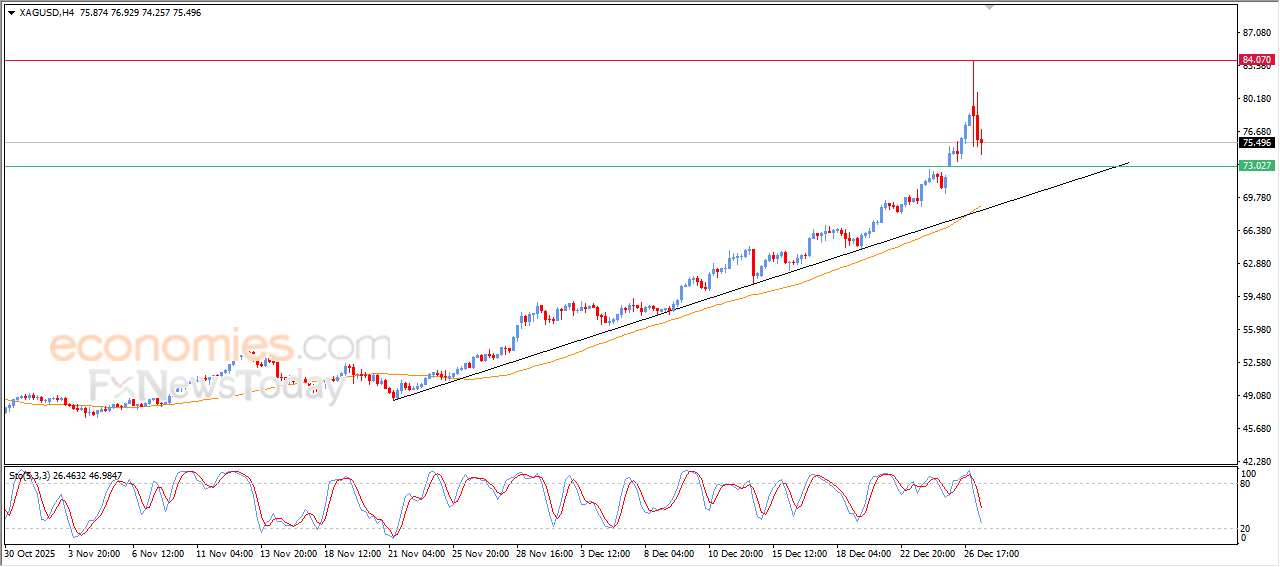
The silver market is experiencing a transformative moment that extends far beyond traditional commodity trading. In late 2025, silver futures demonstrated extraordinary volatility, surging to an unprecedented $80 per ounce before dramatically reversing—a 140% year-to-date increase that signals deeper geopolitical and industrial recalibrations.
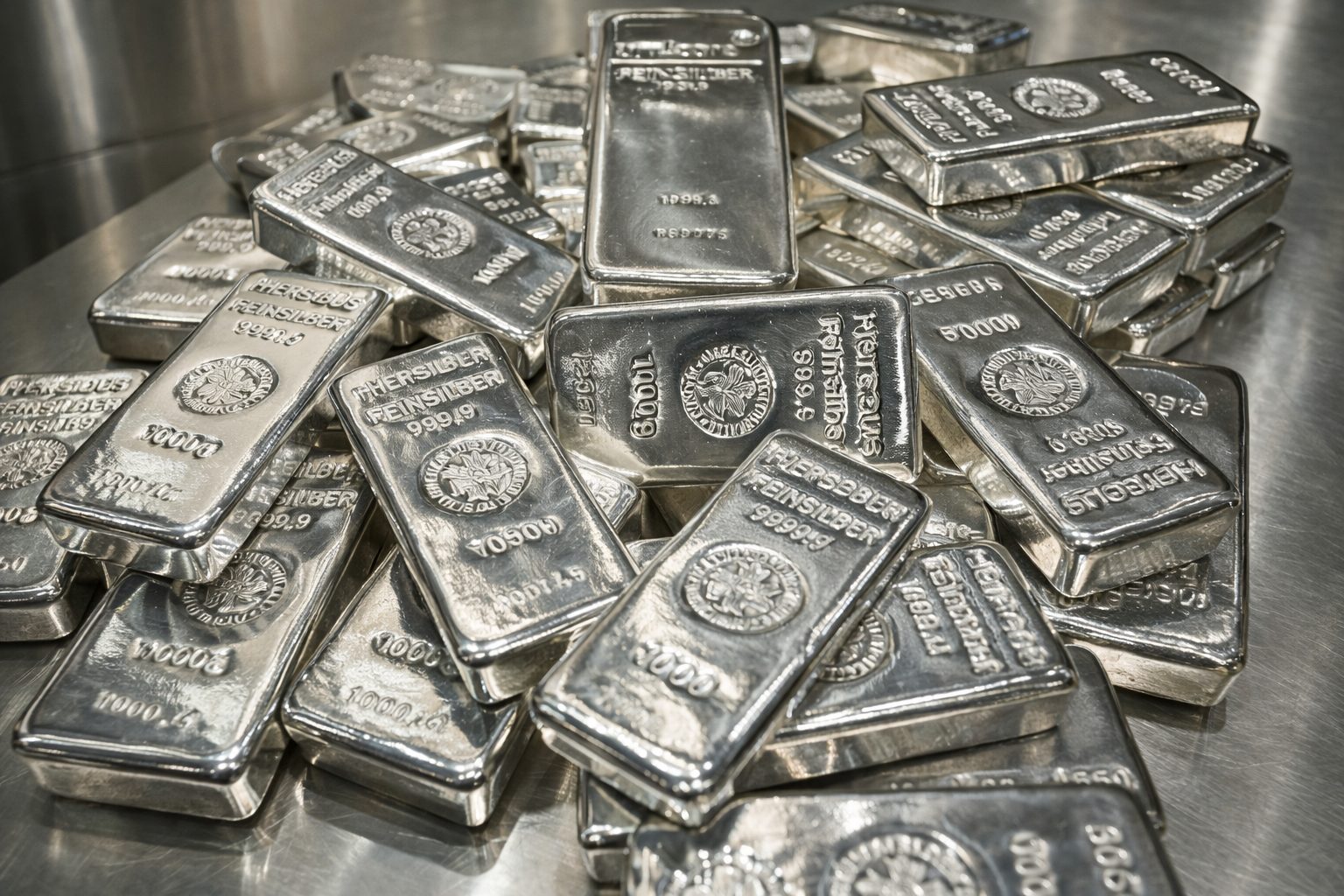
Geopolitical supply constraints are emerging as the primary market disruptor. China's strategic move to implement silver export restrictions, effective January 1, 2026, represents a calculated effort to control a critical mineral's global distribution. By requiring government licenses for silver exports, Beijing is essentially weaponizing its supply chain dominance across high-tech and renewable energy sectors.
The market dynamics reveal a complex interplay of industrial demand and geopolitical maneuvering. Strong industrial sectors—solar panel manufacturing, data centers, and electric vehicle production—are experiencing unprecedented silver component requirements. The U.S. government's recent critical mineral designation underscores silver's strategic importance, transforming it from a mere commodity to a geopolitical asset.
For cross-border e-commerce sellers, these developments signal a fundamental shift. Procurement strategies must now incorporate geopolitical risk assessment, with potential implications including:
- Increased raw material costs potentially rising 30-50%
- Required diversification of supply chain sources
- Potential need for long-term silver component contracts
- Enhanced currency hedging strategies to manage volatility
Market experts like Jeff Kilburg from KKM Financial and David Meger from High Ridge Futures suggest this is not a temporary fluctuation but a structural market transformation. With projected silver prices potentially reaching $90-$100 in 2026, sellers must adopt proactive, adaptive strategies that anticipate ongoing global economic uncertainties.
Questions 3
How will China's silver export restrictions impact global technology manufacturing?
China's new policy requiring government licenses for silver exports will likely create substantial supply constraints, potentially increasing silver component costs by 30-50% for electronics, solar panels, and electric vehicle manufacturers. This could force global tech companies to diversify their supply chains and potentially accelerate investments in alternative sourcing strategies.
Why has silver become a strategically critical mineral?
Silver's critical status stems from its essential role in high-tech and renewable energy sectors, including solar panel manufacturing, advanced electronics, and electric vehicle production. The U.S. government's recent critical mineral designation reflects silver's growing importance in strategic industrial processes, transforming it from a traditional commodity to a geopolitically significant resource.