





Global Oil Markets Trapped in Geopolitical Pressure Cooker
- Escalating Tensions Between US, Venezuela, and Russia Reshape Energy Trading Dynamics for International Sellers












)








Overview
The global oil market is experiencing a profound transformation driven by intricate geopolitical tensions that are fundamentally reshaping international trade dynamics. Geopolitical risk premiums are no longer theoretical constructs but tangible market forces directly impacting pricing, supply chains, and strategic decision-making.
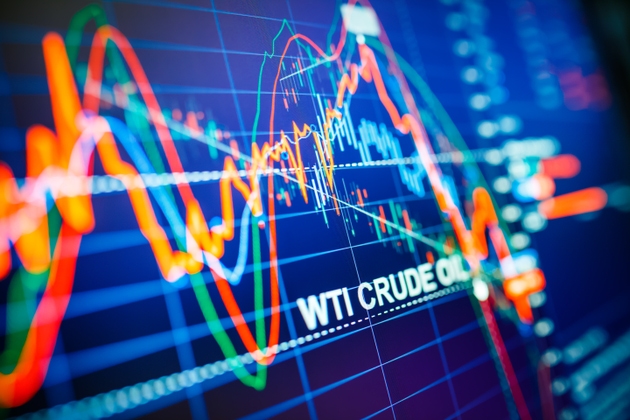
Crude oil prices have become a complex barometer of international relations, with Brent and West Texas Intermediate (WTI) crude futures reflecting the nuanced pressures from multiple conflict zones. The Wall Street Journal reports significant volatility, with prices oscillating between $57.39 and $61.94 per barrel, driven by escalating tensions between the United States and key oil-producing nations like Venezuela and Russia.
Nanhua Futures analysts highlight critical developments that underscore this volatility: reduced tanker traffic to Venezuela, ongoing U.S. interventions targeting oil trade infrastructure, and unresolved Russia-Ukraine conflict negotiations. These are not isolated incidents but interconnected strategic maneuvers that create substantial price support for oil commodities.
The implications for cross-border e-commerce and international trade are profound. Supply chain resilience has become a critical competitive advantage. Sellers must now anticipate potential disruptions, with shipping and logistics costs potentially fluctuating dramatically. The energy price volatility demands adaptive strategies: flexible sourcing, dynamic pricing models, and robust risk management frameworks.
Particularly noteworthy is the $3 per barrel risk premium associated with ongoing geopolitical tensions, as highlighted by market analysts. This premium isn't just a number—it represents the tangible economic cost of global political uncertainty. E-commerce sellers, especially those in logistics, transportation, and energy-dependent sectors, must view these developments not as temporary fluctuations but as structural shifts in the global trading landscape.
Questions 3
What long-term structural changes are emerging in international trade?
The current geopolitical landscape is shifting from traditional trade models to more complex, risk-aware strategies. Energy price volatility and geopolitical risk premiums are becoming key considerations in international trade, forcing businesses to develop more sophisticated, adaptive approaches to global commerce.
What strategies should e-commerce sellers adopt in this volatile environment?
Sellers should focus on building supply chain resilience by developing flexible sourcing strategies, implementing dynamic pricing models, and creating robust risk management frameworks. Monitoring energy price trends and maintaining adaptability in logistics and transportation will be crucial for navigating these uncertain market conditions.